
Hunting birds has long been a popular activity that combines skill, patience, and a deep understanding of wildlife. From fast-flying ducks to ground-dwelling birds like quail and pheasants, each species offers a unique challenge. Their behaviors, habitats, and movement patterns make bird hunting both exciting and unpredictable.
In this guide, you’ll discover 13 of the best hunting birds, along with key details about their identification, habitat, behavior, diet, and lifespan. Whether you are a beginner or an experienced hunter, learning about these birds can help improve your knowledge and overall hunting experience.
1. Duck
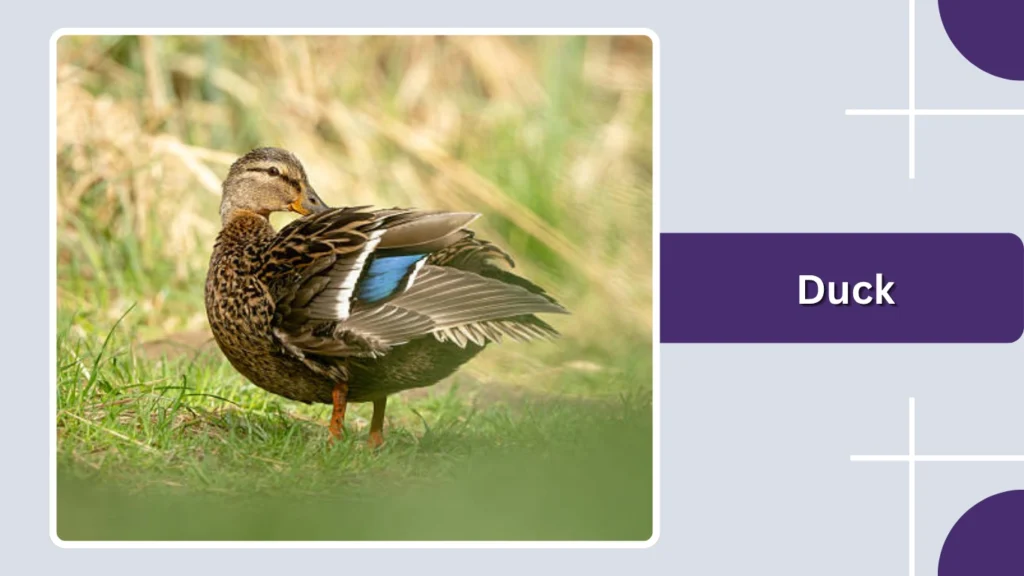
Ducks are among the most popular hunting birds, known for their widespread presence and strong migratory patterns. They are commonly hunted for both sport and food, offering a dynamic hunting experience due to their flight speed and group behavior. Their adaptability to different water environments makes them a frequent target across many regions.
Identification
- Medium-sized waterfowl with a compact, rounded body
- Broad, flat bill designed for filtering food
- Webbed feet for swimming
- Waterproof feathers with smooth texture
- Males (drakes) often have bright, colorful plumage
- Females are usually duller in color for camouflage
Habitat
Ducks are typically found in wetlands such as lakes, rivers, ponds, marshes, and coastal areas. They prefer environments with abundant water vegetation and shallow water for feeding. Many species migrate seasonally, moving between breeding and wintering grounds. Ducks often gather in areas where food is plentiful and water is easily accessible, making wetlands their primary habitat.
Behaviors
Ducks are social birds that usually travel in groups called flocks. They are most active during early morning and late afternoon. Many species migrate long distances depending on the season. Ducks communicate using a variety of sounds and body movements. When threatened, they quickly take flight or move across water to escape danger.
Diet and Lifespan
Ducks are omnivores, feeding on aquatic plants, seeds, insects, small fish, and crustaceans. Their feeding style varies, with some species dabbling on the surface and others diving underwater. Their diet changes with the seasons based on food availability. In the wild, ducks typically live between 5 to 10 years, depending on species and environmental conditions.
2. Goose
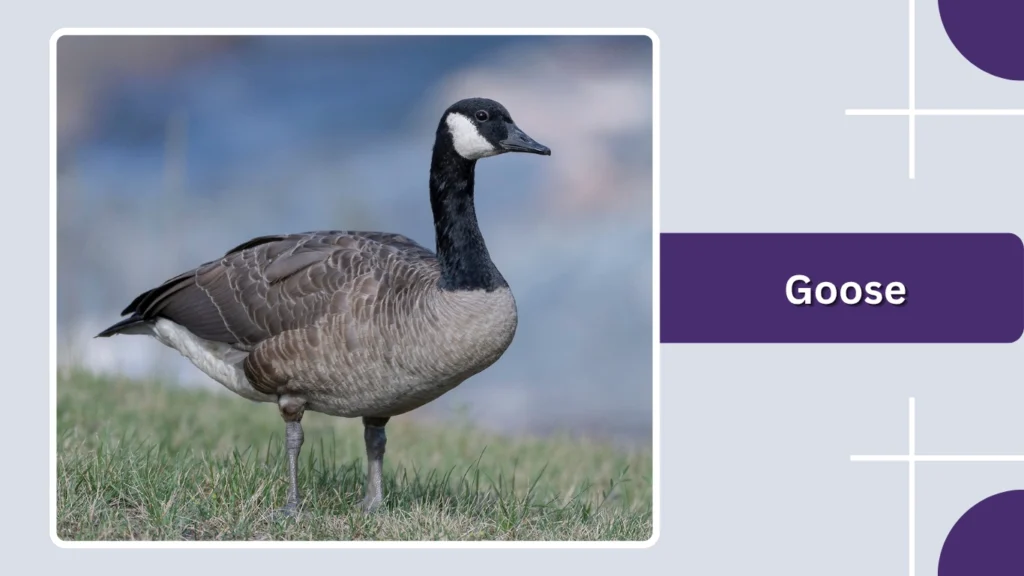
Geese are large waterfowl known for their strong flight, loud calls, and migratory behavior. They are a popular hunting bird due to their size and the challenge they present in the field. Hunting geese often requires strategy, as they are cautious and highly aware of their surroundings.
Identification
- Large, heavy-bodied bird with a long neck
- Broad wings designed for long-distance flight
- Webbed feet for swimming
- Thick feathers, usually gray, brown, black, or white
- Strong, slightly pointed bill
- Males and females generally look similar
Habitat
Geese are commonly found in wetlands, lakes, rivers, and open grasslands. They prefer areas with access to both water and open feeding grounds. During migration, they travel long distances between breeding and wintering areas. Geese are often seen in agricultural fields where they feed on crops. Their habitat selection depends on food availability, safety, and seasonal changes.
Behaviors
Geese are highly social birds that live and travel in flocks. They are well known for flying in a V-shaped formation during migration, which helps conserve energy. Geese are very alert and communicate through loud honking sounds. They can become aggressive when threatened, especially during nesting season. Their strong memory and awareness make them difficult to approach.
Diet and Lifespan
Geese are primarily herbivores, feeding on grasses, grains, seeds, and aquatic plants. They graze in open fields and along water edges. Their diet may vary slightly depending on the season and habitat. In the wild, geese typically live between 10 to 20 years, depending on species and environmental conditions.
3. Turkey
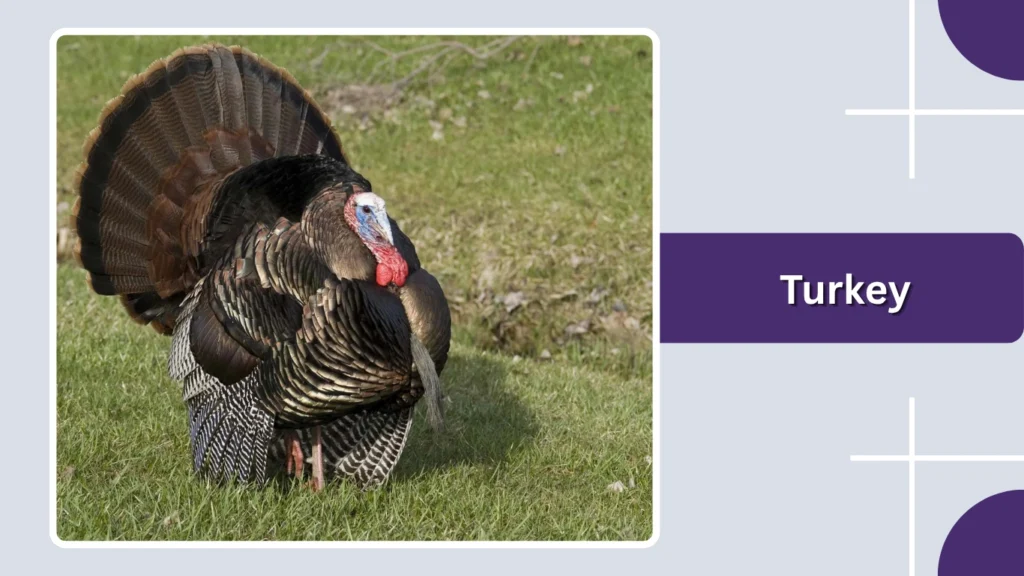
Turkeys are large ground-dwelling birds widely hunted for their meat and challenging nature. They are known for their sharp eyesight and cautious behavior, making them a favorite among experienced hunters. Wild turkeys, in particular, are much more alert and difficult to approach than domesticated ones.
Identification
- Large, heavy-bodied bird with long legs
- Dark feathers with an iridescent shine
- Bare head and neck with red, blue, or white coloration
- Males (toms) have a fan-shaped tail and a beard (hair-like tuft on chest)
- Strong wings but mainly ground-dwelling
- Females (hens) are smaller and less colorful
Habitat
Turkeys are commonly found in forests, woodlands, and grasslands, especially in areas with a mix of open land and trees. They prefer habitats that provide safe roosting spots in trees and open ground for feeding. Access to water is important for their survival. Turkeys are often seen near forest edges, farmland, and areas with abundant food sources.
Behaviors
Turkeys are mostly active during the day (diurnal). They spend much of their time on the ground searching for food but can fly short distances to escape danger or reach trees for roosting. They are social birds, often moving in groups. During the breeding season, males display by spreading their tail feathers and making gobbling sounds to attract females. Turkeys rely heavily on their excellent vision to detect threats.
Diet and Lifespan
Turkeys are omnivores and eat a wide range of foods, including seeds, nuts, fruits, insects, and small animals. They forage mainly on the ground by scratching the soil. Their diet changes with the seasons depending on availability. In the wild, turkeys typically live between 3 to 5 years, although some may live longer in safe conditions.
4. Pheasant
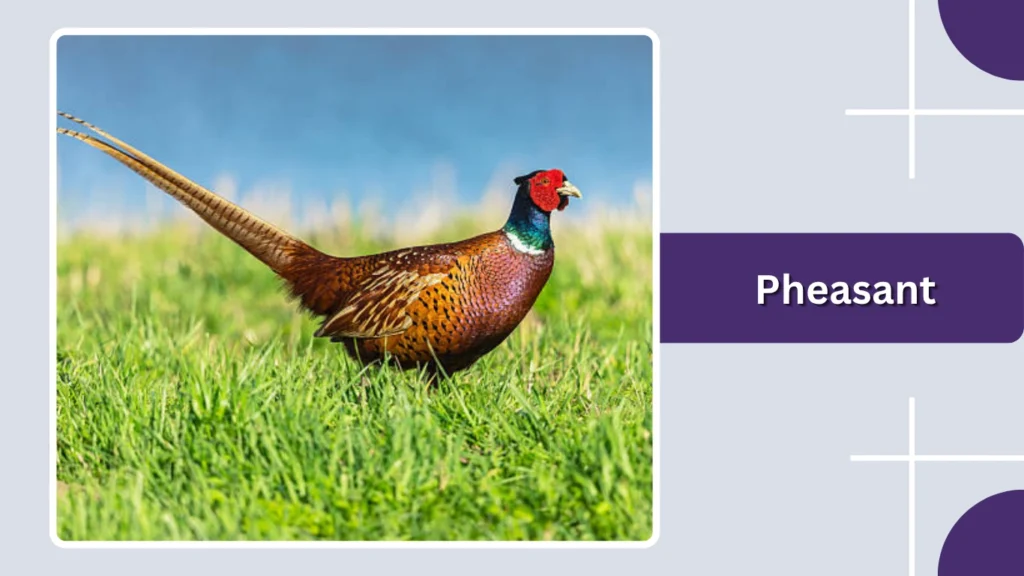
Pheasants are colorful game birds known for their striking appearance and fast, explosive flight. They are widely hunted for both sport and meat. Their tendency to stay hidden in dense cover before suddenly taking off makes them a challenging and exciting target for hunters.
Identification
- Medium-sized bird with a long, pointed tail
- Males are brightly colored with iridescent feathers
- Females are smaller with dull brown plumage for camouflage
- Strong legs adapted for running
- Short, rounded wings for quick bursts of flight
- Distinct red facial patches in many species
Habitat
Pheasants are commonly found in grasslands, farmland, and open woodlands. They prefer areas with tall grasses, crops, and brush that provide cover from predators. Field edges, hedgerows, and agricultural lands are ideal habitats. These environments offer both protection and access to food, making them suitable for nesting and daily activity.
Behaviors
Pheasants are mostly ground-dwelling birds and prefer to run rather than fly when disturbed. They are active during the day and often remain hidden in dense vegetation. When flushed, they burst into rapid flight with loud wingbeats. Males can become territorial during the breeding season and may display aggressive behavior to defend their space.
Diet and Lifespan
Pheasants are omnivores, feeding on seeds, grains, berries, insects, and small invertebrates. Their diet changes with the seasons, with more insects consumed during warmer months. They forage on the ground, scratching and pecking for food. In the wild, pheasants typically live around 3 to 5 years, depending on environmental conditions and predation.
5. Quail
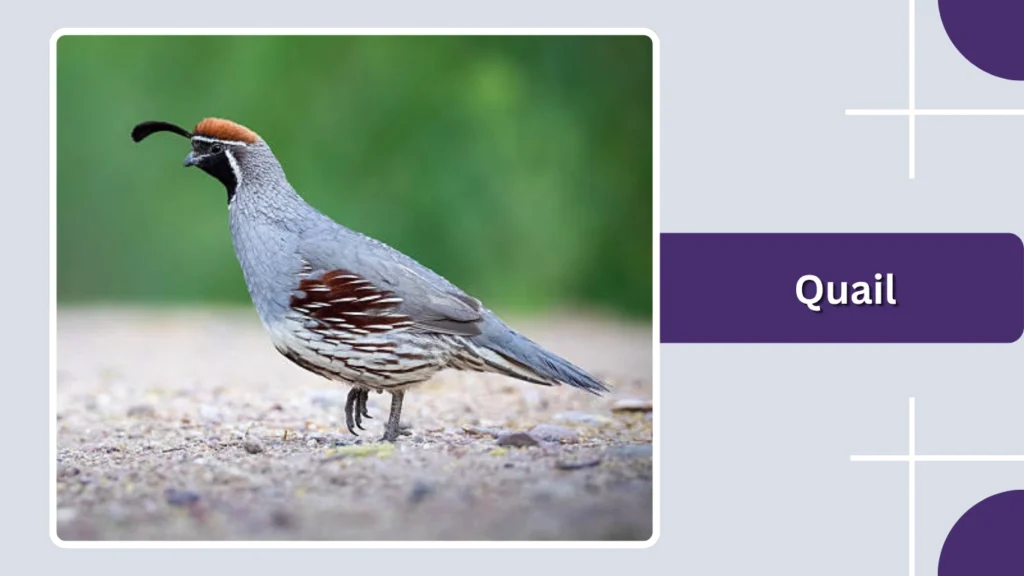
Quail are small game birds popular among hunters for their quick flight and abundance in many regions. Despite their small size, they offer a challenging hunting experience due to their sudden takeoff and unpredictable movement. They are also valued for their delicate and flavorful meat.
Identification
- Small, round-bodied bird
- Short wings and a short tail
- Brown or gray plumage with speckled patterns
- Small head, sometimes with a crest (in certain species)
- Strong legs adapted for running
- Males and females often look similar
Habitat
Quail are commonly found in grasslands, shrublands, and agricultural fields. They prefer areas with dense ground cover such as tall grasses, bushes, and crops that provide protection from predators. Quail thrive in environments where food and shelter are easily available. They can also adapt to dry and semi-arid regions as long as there is enough vegetation for nesting and hiding.
Behaviors
Quail are mostly ground-dwelling birds and rely on running to escape danger. They are active during the day and often move in small groups called coveys. When startled, they burst into short, rapid flight. Quail are known for their quick reflexes and ability to remain hidden in dense vegetation. They communicate through soft calls and group signals.
Diet and Lifespan
Quail are omnivores, feeding on seeds, grains, insects, and small plants. Their diet varies depending on the season, with more insects consumed during warmer months. They forage on the ground by pecking and scratching. In the wild, quail typically live around 2 to 4 years, depending on environmental conditions and predation.
6. Partridge
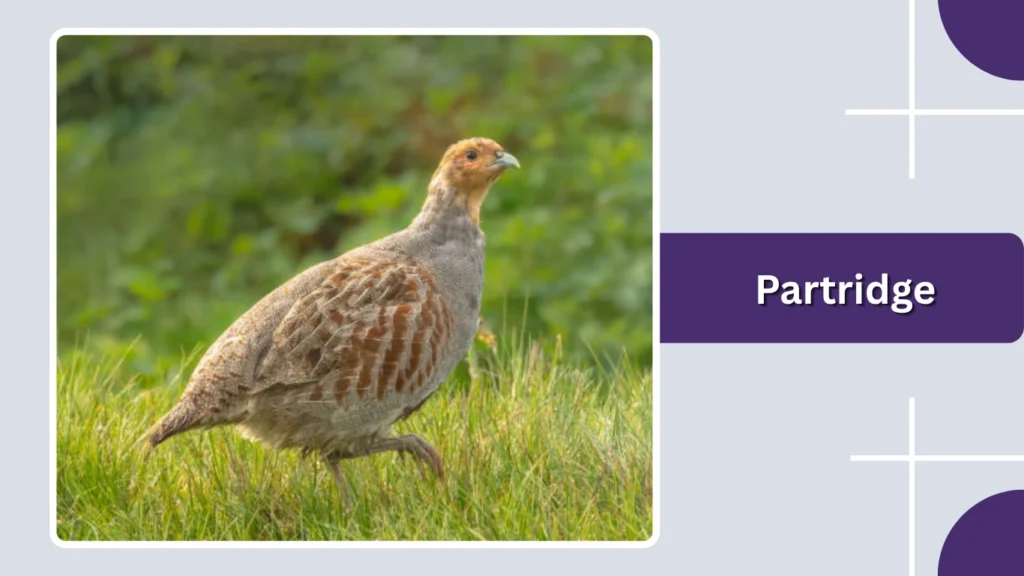
Partridges are medium-sized game birds known for their quick flight and strong running ability. They are widely hunted for sport and food, offering a challenging experience due to their alert nature and tendency to stay hidden in dense cover until suddenly flushed.
Identification
- Medium-sized bird with a round, compact body
- Short wings and tail
- Brown or gray plumage with fine patterns for camouflage
- Strong legs adapted for running
- Small head with a short, curved beak
- Males and females look quite similar
Habitat
Partridges are commonly found in grasslands, farmlands, and open countryside with scattered bushes. They prefer habitats that provide both ground cover and open areas for feeding. Field edges, hedgerows, and dry plains are ideal environments. These birds rely on vegetation for protection from predators while staying close to feeding grounds.
Behaviors
Partridges are mostly ground-dwelling and prefer running over flying. They are active during the day and often move in small groups. When disturbed, they may suddenly burst into fast, low flight. Partridges are cautious and rely on camouflage to avoid detection. They communicate through calls, especially during the breeding season.
Diet and Lifespan
Partridges are omnivores, feeding on seeds, grains, insects, and small plants. Their diet changes with the seasons, with more insects consumed during warmer months. They forage on the ground, scratching and pecking for food. In the wild, partridges typically live between 3 to 6 years, depending on environmental conditions and predators.
7. Grouse
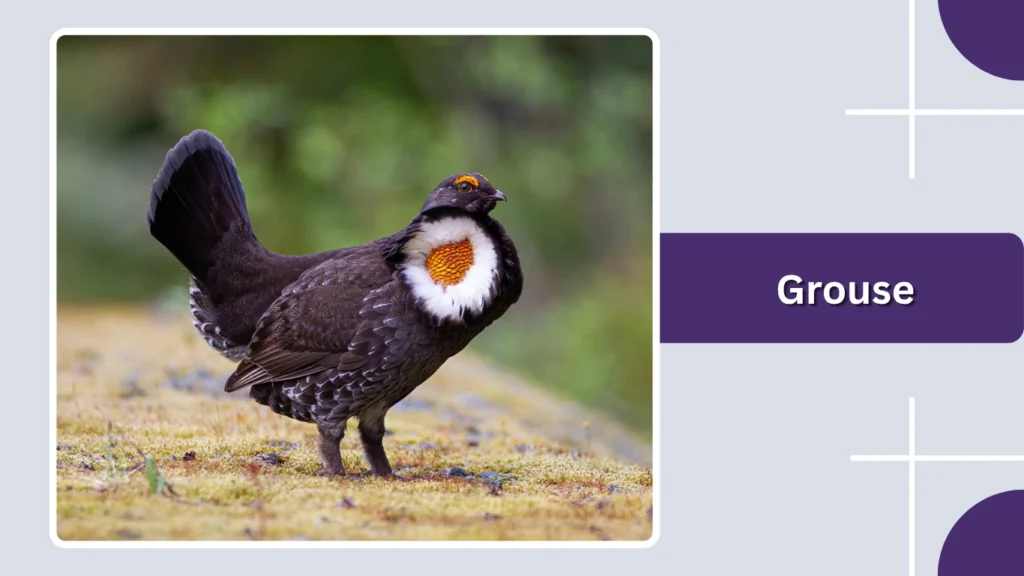
Grouse are hardy game birds known for their ability to live in cold and rugged environments. They are popular among hunters due to their strong flight and tendency to stay hidden in dense cover. Hunting grouse requires patience and quick reaction, as they often flush suddenly when approached.
Identification
- Medium-sized bird with a stout, rounded body
- Short neck and small head
- Dense feathers, often brown, gray, or mottled for camouflage
- Feathered legs in some species for insulation
- Short, rounded wings for powerful bursts of flight
- Males and females often have subtle differences in markings
Habitat
Grouse are commonly found in forests, woodlands, and mountainous regions. They prefer areas with dense vegetation, including shrubs and low trees, which provide cover and food. Some species live in colder climates and adapt well to snowy environments. Their habitat often includes a mix of open areas and thick cover for feeding and protection.
Behaviors
Grouse are mostly ground-dwelling birds and rely on camouflage to avoid predators. They are active during the day and often remain still until disturbed. When flushed, they take off with a loud, rapid wingbeat. Males may perform display behaviors during the breeding season, including sounds and movements to attract females. Grouse are generally solitary or found in small groups.
Diet and Lifespan
Grouse are primarily herbivores, feeding on leaves, buds, berries, and seeds. In colder months, they may rely more on woody plants and tree buds. Their diet changes with seasonal availability. In the wild, grouse typically live between 3 to 7 years, depending on species and environmental conditions.
8. Dove
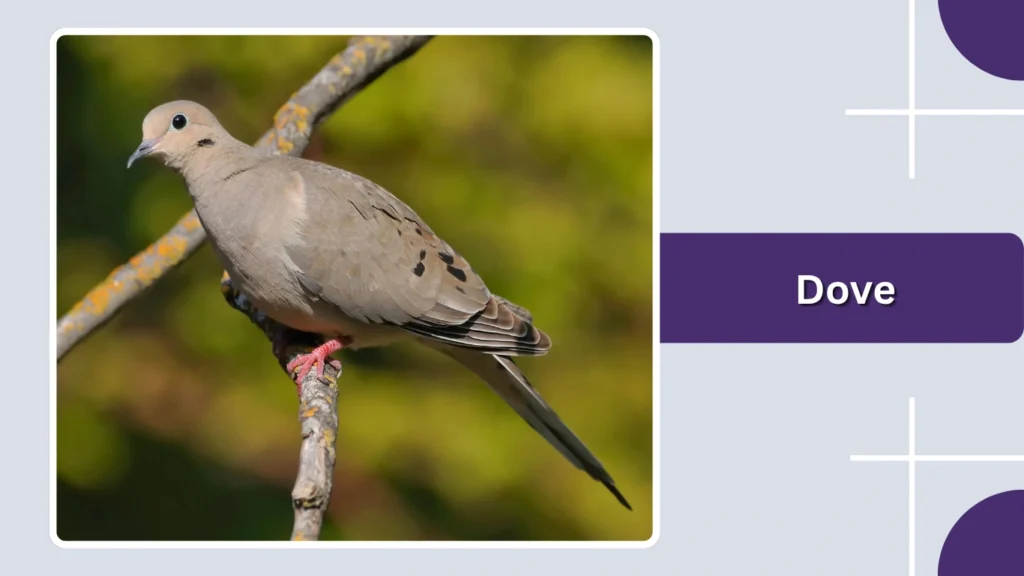
Doves are small, fast-flying birds commonly hunted for sport and food. They are known for their speed, agility, and frequent movement, making them a challenging target. Dove hunting often involves quick reflexes and accurate shooting due to their unpredictable flight patterns.
Identification
- Small to medium-sized bird with a slim body
- Soft gray or brown feathers with subtle markings
- Long, pointed wings built for fast flight
- Small head with a short, slender beak
- Rounded tail, sometimes with white edges
- Males and females look very similar
Habitat
Doves are commonly found in open areas such as fields, grasslands, farmlands, and lightly wooded regions. They prefer habitats with scattered trees or structures for perching and nesting. Access to water is important, so they are often seen near rivers, ponds, or water sources. Agricultural areas are especially attractive due to the availability of seeds and grains.
Behaviors
Doves are highly active during the day and are often seen flying in small groups or pairs. They are known for their fast, direct flight and frequent wingbeats. Doves regularly travel between feeding and watering areas, often following the same routes. They are alert birds and can quickly change direction in flight when threatened. Their soft cooing calls are commonly heard in their habitat.
Diet and Lifespan
Doves are primarily herbivores, feeding on seeds, grains, and small plant materials. They forage mostly on the ground, picking up food with quick movements. Their diet depends on the availability of crops and natural vegetation. In the wild, doves typically live between 3 to 5 years, although some may live longer under favorable conditions.
9. Woodcock
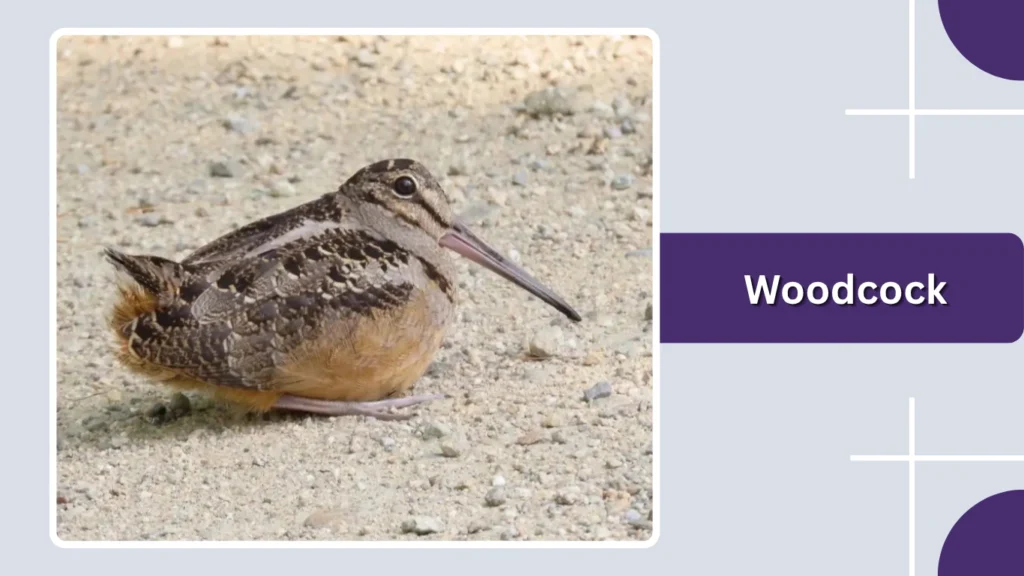
Woodcocks are unique game birds known for their excellent camouflage and zigzag flight. They are popular among hunters for the challenge they present, as they are difficult to spot and flush quickly from dense cover. Their behavior and movement make them a specialized target in bird hunting.
Identification
- Small to medium-sized bird with a compact body
- Long, straight bill used for probing soil
- Mottled brown and gray plumage for camouflage
- Short legs and rounded wings
- Large eyes positioned high on the head
- Males and females look very similar
Habitat
Woodcocks are commonly found in moist woodlands, wetlands, and areas with soft soil. They prefer dense cover such as shrubs and young forests where they can stay hidden. These birds rely on damp ground for feeding, as it provides easy access to insects. During migration, they move between breeding and wintering areas, often stopping in suitable forested habitats.
Behaviors
Woodcocks are mostly active during dawn and dusk. They spend much of their time on the ground, remaining still to avoid detection. When flushed, they take off in a fast, zigzag flight pattern, making them difficult to track. Males perform aerial display flights during the breeding season. Woodcocks rely heavily on camouflage and stillness for protection.
Diet and Lifespan
Woodcocks are primarily insectivores, feeding mainly on earthworms, insects, and larvae. They use their long bills to probe into soft soil to find food. Their diet depends on moist environments that support their prey. In the wild, woodcocks typically live between 3 to 6 years, depending on environmental conditions and predation.
10. Snipe
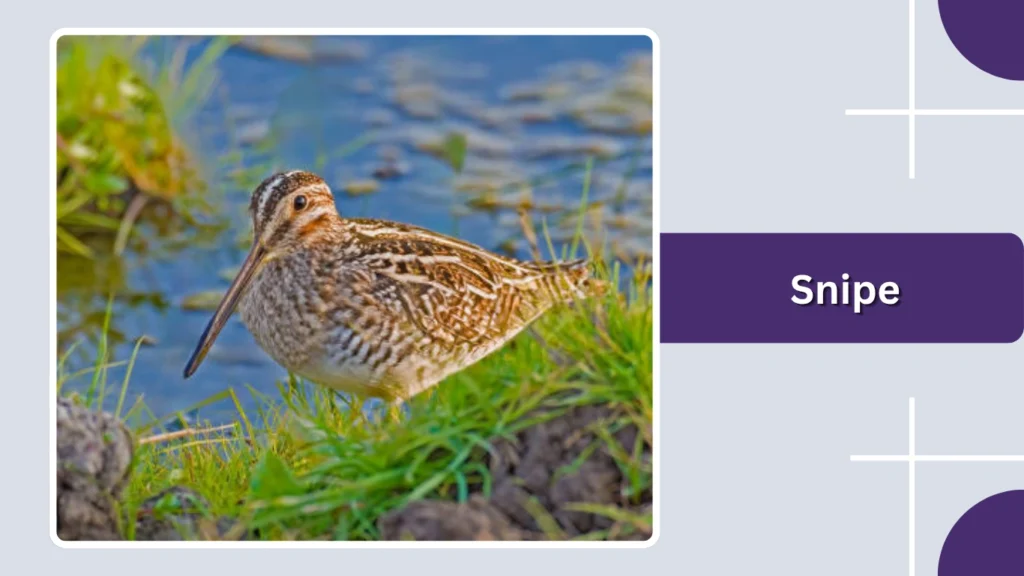
Snipes are small, elusive birds known for their fast and erratic flight, making them a challenging target for hunters. They are often found in wet environments and are highly valued for the skill required to hunt them. Their unpredictable movement adds excitement to bird hunting.
Identification
- Small, slender bird with a compact body
- Long, straight bill used for probing mud
- Brown and striped plumage for excellent camouflage
- Short legs and pointed wings
- Large eyes positioned toward the back of the head
- Males and females appear very similar
Habitat
Snipes are commonly found in wetlands such as marshes, swamps, and muddy fields. They prefer soft, damp ground where they can easily find food. These birds rely on environments with dense cover and moisture. During migration, snipes travel long distances and stop in suitable wet habitats for feeding and resting.
Behaviors
Snipes are mostly active during dawn and dusk. They tend to stay hidden and rely on camouflage to avoid detection. When flushed, they take off in a rapid, zigzag flight pattern that is difficult to predict. Snipes are generally solitary or found in small groups. Their quick reflexes and sudden movements make them a challenging bird to hunt.
Diet and Lifespan
Snipes are mainly insectivores, feeding on worms, insects, and small invertebrates found in moist soil. They use their long bills to probe into the ground for food. Their diet depends heavily on wet habitats. In the wild, snipes typically live between 3 to 5 years, depending on environmental conditions and predators.
11. Teal
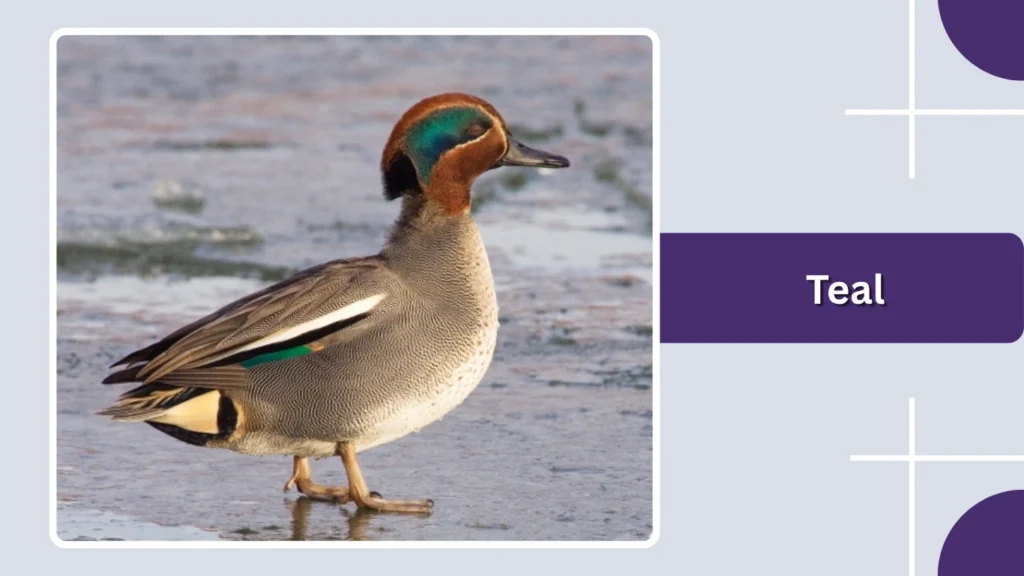
Teal are small, fast-flying ducks that are highly popular among bird hunters. They are known for their speed, agility, and quick takeoff from water. Despite their small size, teal provide an exciting hunting experience due to their rapid flight and unpredictable movement.
Identification
- Small-sized duck with a compact body
- Short neck and small, narrow bill
- Males often have distinctive colorful markings on the head
- Females are dull brown for camouflage
- Fast, pointed wings for quick flight
- Webbed feet adapted for swimming
Habitat
Teal are commonly found in shallow wetlands, ponds, marshes, and flooded fields. They prefer areas with abundant vegetation and calm water. These birds are highly migratory and move between breeding and wintering grounds depending on the season. Teal are often seen in smaller water bodies compared to larger ducks.
Behaviors
Teal are active birds, especially during early morning and late afternoon. They are known for their rapid and direct flight, often flying in tight groups. Teal are social and usually found in small flocks. When disturbed, they take off quickly and can change direction sharply in the air. Their speed makes them one of the more challenging ducks to hunt.
Diet and Lifespan
Teal are omnivores, feeding on seeds, aquatic plants, insects, and small invertebrates. They often dabble on the water surface to find food. Their diet varies depending on habitat and season. In the wild, teal typically live between 5 to 10 years, depending on environmental conditions and predation.
12. Ptarmigan
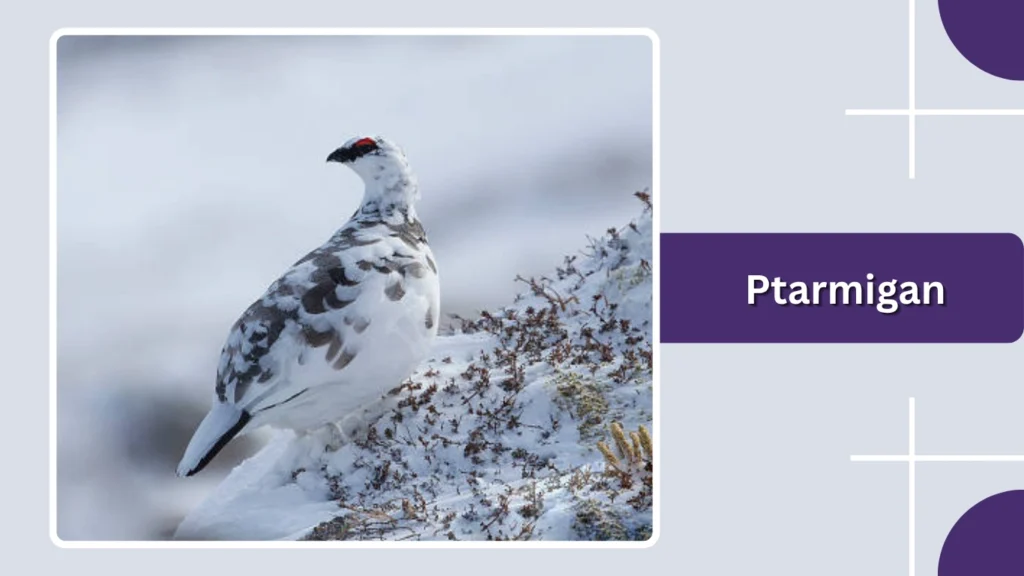
Ptarmigans are hardy birds adapted to cold climates and are often hunted in mountainous and Arctic regions. They are well known for their seasonal camouflage, changing feather color to blend with their surroundings. This makes them both unique and challenging to hunt.
Identification
- Medium-sized bird with a rounded body
- Short neck and small head
- Feathered legs and feet for insulation
- Seasonal plumage: white in winter, brown or gray in summer
- Short, rounded wings
- Males and females are similar but may differ slightly in markings
Habitat
Ptarmigans are commonly found in Arctic regions, tundra, and high mountainous areas. They prefer open, rocky landscapes with low vegetation. Their habitat is typically cold and exposed, where few other birds can survive. Ptarmigans rely on their environment for camouflage and protection, often staying close to the ground.
Behaviors
Ptarmigans are mostly ground-dwelling and depend heavily on camouflage to avoid predators. They are active during the day and often remain still when danger is nearby. When flushed, they take off quickly but usually fly short distances. In winter, they may burrow into snow for warmth and protection. They are generally found in small groups.
Diet and Lifespan
Ptarmigans are herbivores, feeding on buds, leaves, berries, and small plant materials. During winter, they rely on twigs and hardy vegetation. Their diet changes with seasonal availability. In the wild, ptarmigans typically live between 3 to 6 years, depending on environmental conditions and predation.
13. Chukar
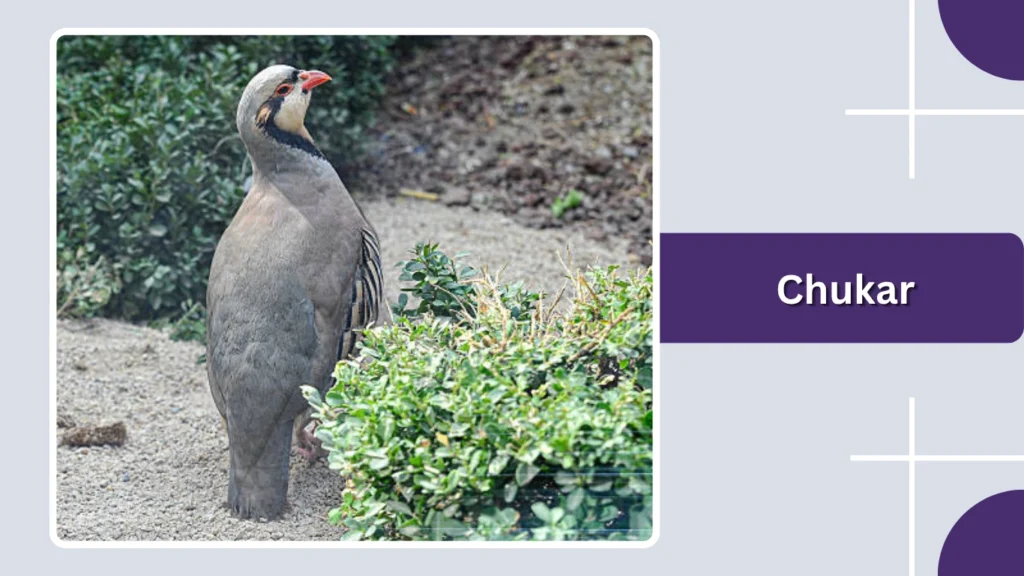
Chukars are fast and agile game birds known for their strong running ability and sudden flight. They are popular among hunters for the challenge they present, especially in rough and hilly terrain. Their alert nature and quick escape behavior make them a rewarding target.
Identification
- Medium-sized bird with a compact, rounded body
- Grayish body with black and white striped flanks
- Distinct black band running across the eyes and throat
- Red bill and legs
- Short wings and tail
- Males and females look very similar
Habitat
Chukars are commonly found in dry, rocky hills, mountains, and semi-arid regions. They prefer open terrain with sparse vegetation and access to water. These birds are well adapted to rugged landscapes and are often seen on slopes and cliffs. Their habitat allows them to use elevation and terrain to avoid predators.
Behaviors
Chukars are mostly ground-dwelling birds and prefer running over flying. They are active during the day and often move in small groups. When disturbed, they run quickly uphill and may suddenly burst into flight. Chukars are alert and cautious, using their surroundings to detect danger early. They are known for their strong legs and endurance in rough terrain.
Diet and Lifespan
Chukars are primarily herbivores, feeding on seeds, grasses, and small plants. They may also eat insects occasionally. Their diet depends on seasonal availability of vegetation. Chukars forage on the ground, pecking and scratching for food. In the wild, they typically live between 3 to 6 years, depending on environmental conditions and predators.
FAQs
What are the easiest birds to hunt for beginners?
Doves and quail are often considered the easiest birds for beginners. They are widely available and usually found in open areas, making them easier to spot. Their hunting does not require complex strategies, allowing beginners to build basic shooting and tracking skills effectively.
Which hunting bird is the most challenging?
Snipes and woodcocks are among the most challenging due to their unpredictable flight patterns. They fly in zigzag motions and are difficult to track in the air. Their camouflage and sudden takeoff also make them harder to locate and target accurately.
What is the best time to hunt birds?
Early morning and late afternoon are the best times for bird hunting. During these periods, birds are most active as they search for food and water. Their movement increases visibility, giving hunters better chances of spotting and targeting them.
Why do birds live in different habitats?
Birds choose habitats based on food availability, safety, and breeding needs. Waterfowl prefer wetlands, while others like quail and pheasants favor grasslands. Each habitat supports their survival by providing shelter, nesting areas, and consistent food sources.
How does migration affect bird hunting?
Migration greatly affects bird hunting because many species travel long distances seasonally. During migration, birds move in large numbers, increasing hunting opportunities. Understanding migration patterns helps hunters predict locations and timing for better success.
