
Hunting has been a part of human tradition for centuries, offering both sustenance and a test of skill. From small game like rabbits to large and powerful animals like bears and bison, each species presents a unique challenge. The choice of animal often depends on experience level, location, and personal preference.
In this guide, you’ll explore 14 of the best hunting animals, each known for its distinct traits, habitat, and behavior. Whether you are a beginner or an experienced hunter, understanding these animals can help improve your knowledge and overall hunting experience.
1. Deer
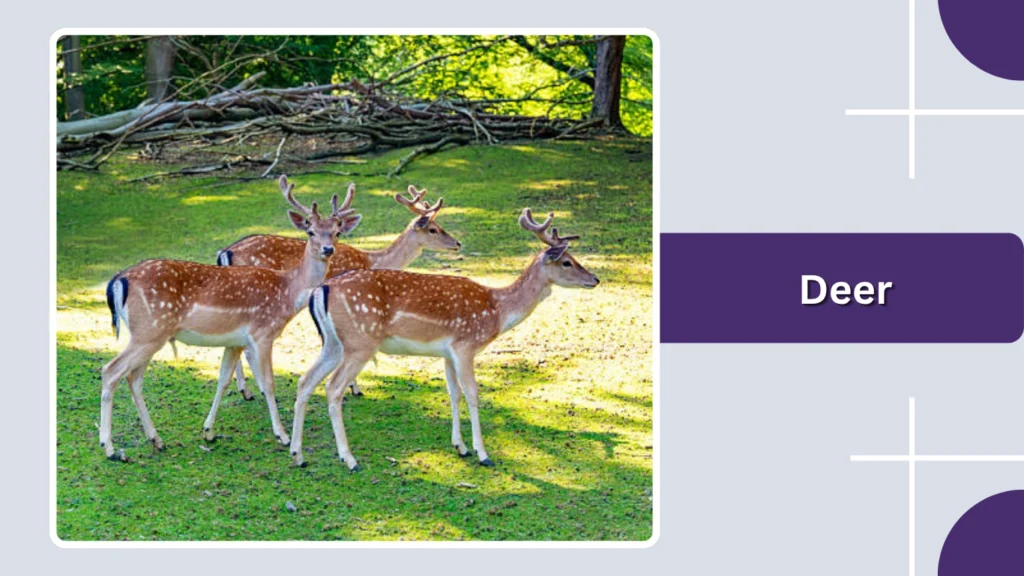
Deer are among the most commonly hunted animals across the world due to their wide distribution and adaptability. They are known for their agility, sharp senses, and ability to survive in diverse environments. Hunters often pursue deer for their meat, hide, and antlers. Their behavior and movement patterns can vary depending on the season, making them both a challenging and rewarding target.
Identification
- Medium to large-sized mammal with a slim, agile body
- Long, slender legs built for speed and jumping
- Coat color ranges from reddish-brown in summer to grayish-brown in winter
- Males (bucks) typically grow antlers that are shed and regrown annually
- Large, upright ears and a short tail
- White underside and throat patch common in many species
Habitat
Deer inhabit a wide variety of environments, including forests, woodlands, grasslands, and even mountainous regions. They prefer areas that provide both cover and open feeding grounds. Forest edges, riverbanks, and farmlands are especially attractive because they offer abundant food and protection. Deer are highly adaptable and can also live close to human settlements if food sources are available. Seasonal changes may cause them to shift habitats in search of better feeding conditions or shelter from harsh weather.
Behaviors
Deer are primarily crepuscular, meaning they are most active during early morning and late evening. They rely heavily on their senses of smell and hearing to detect danger. Deer are generally shy and cautious but can move quickly when threatened. During the mating season, known as the rut, males become more aggressive and territorial. Outside of this period, deer may travel alone or in small groups. They often follow the same trails daily, which hunters sometimes use to track them.
Diet and Lifespan
Deer are herbivores and feed on a variety of plant materials, including grasses, leaves, twigs, fruits, and bark. Their diet changes with the seasons depending on availability. In spring and summer, they prefer fresh vegetation, while in winter they rely more on woody plants. Deer have a relatively simple digestive system adapted for browsing. In the wild, their lifespan typically ranges from 6 to 14 years, though this can vary based on species, predators, and environmental conditions.
2. Wild Boar
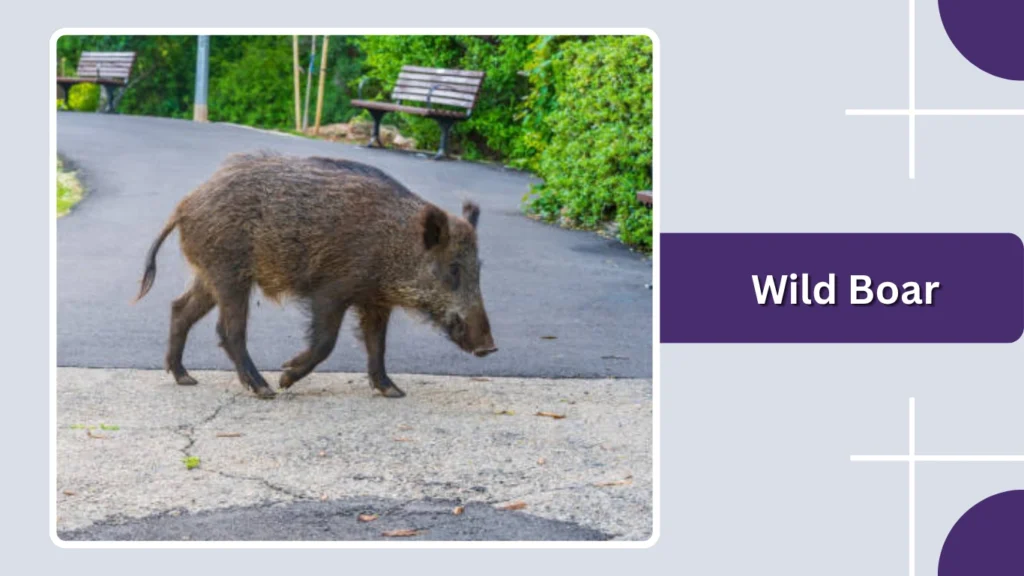
Wild boars are powerful and resilient animals widely hunted for their meat and challenging nature. Known for their strength and aggressive behavior when threatened, they are considered one of the more dangerous game animals. Their adaptability allows them to thrive in many environments, making them a common target for hunters across different regions.
Identification
- Medium to large, stocky-bodied mammal
- Thick, coarse hair usually dark brown, black, or gray
- Prominent snout used for digging and rooting
- Males have sharp, curved tusks that grow outward
- Short legs but strong and muscular build
- Small eyes and large head compared to body size
Habitat
Wild boars are highly adaptable and can live in forests, grasslands, wetlands, and even agricultural areas. They prefer dense vegetation that provides cover and protection. Areas near water sources are especially attractive, as they enjoy wallowing in mud to regulate body temperature and avoid parasites. Boars can also be found near human settlements where food is abundant, often causing crop damage. Their ability to survive in varied climates makes them one of the most widespread large mammals.
Behaviors
Wild boars are mostly nocturnal, especially in areas with human activity. They are social animals, often living in groups called sounders, which usually consist of females and their young. Adult males tend to be solitary except during the breeding season. Boars are known for their strong sense of smell and intelligence. When threatened, they can become extremely aggressive and charge with great force, using their tusks for defense. They are also known for rooting behavior, digging the ground in search of food.
Diet and Lifespan
Wild boars are omnivores with a highly varied diet. They eat roots, tubers, fruits, nuts, insects, small animals, and even carrion. Their feeding habits can significantly impact ecosystems and farmland. In the wild, their lifespan typically ranges from 10 to 14 years, depending on environmental conditions, predators, and human activity.
3. Elk
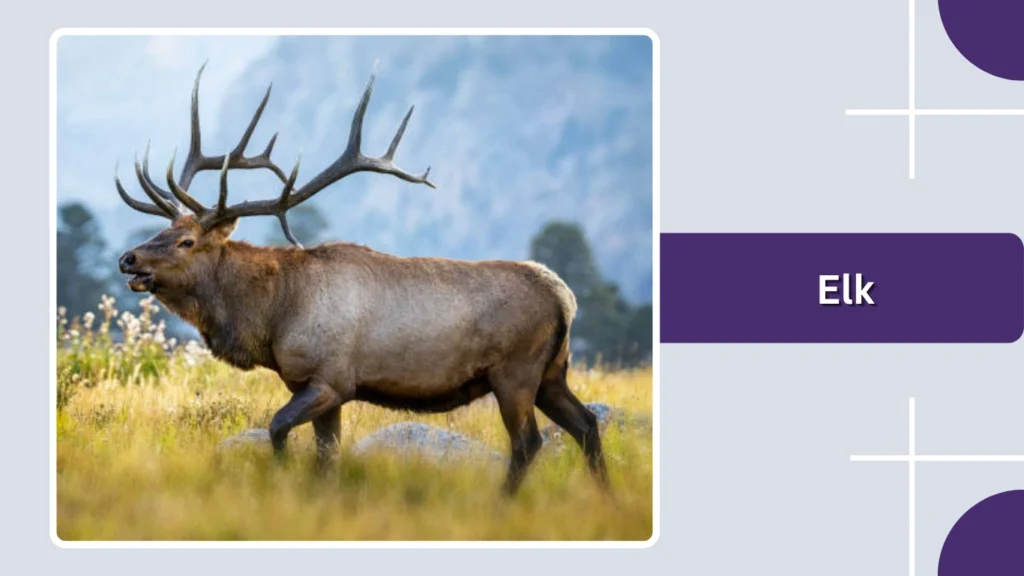
Elk are large, majestic members of the deer family and are highly valued in hunting for their size, strength, and meat quality. They are known for their impressive antlers and loud vocalizations during the mating season. Hunting elk often requires patience and skill due to their keen senses and ability to navigate rugged terrain.
Identification
- Large-bodied mammal with a strong, muscular build
- Light brown body with a darker neck and head
- Males have large, branching antlers
- Distinct pale rump patch
- Long legs adapted for covering long distances
- Males are significantly larger than females
Habitat
Elk are commonly found in forests, mountainous regions, and open meadows. They prefer areas that offer a mix of dense cover and open grazing land. During warmer months, elk often move to higher elevations where food is abundant and temperatures are cooler. In winter, they migrate to lower areas with less snow for easier access to food. Their habitat selection is strongly influenced by seasonal changes and food availability.
Behaviors
Elk are social animals that live in herds, which can vary in size depending on the season. They are most active during early morning and evening. During the mating season, known as the rut, males become highly vocal, producing loud bugling calls to attract females and warn rivals. Bulls may engage in fights using their antlers to establish dominance. Elk are alert and cautious, relying on their senses of smell and hearing to detect threats.
Diet and Lifespan
Elk are herbivores that primarily feed on grasses, leaves, bark, and shrubs. Their diet changes with the seasons, with grasses being more common in summer and woody plants in winter. They spend a significant portion of their day grazing or browsing. In the wild, elk typically live between 10 to 15 years, although this can vary depending on environmental conditions and predation.
4. Moose
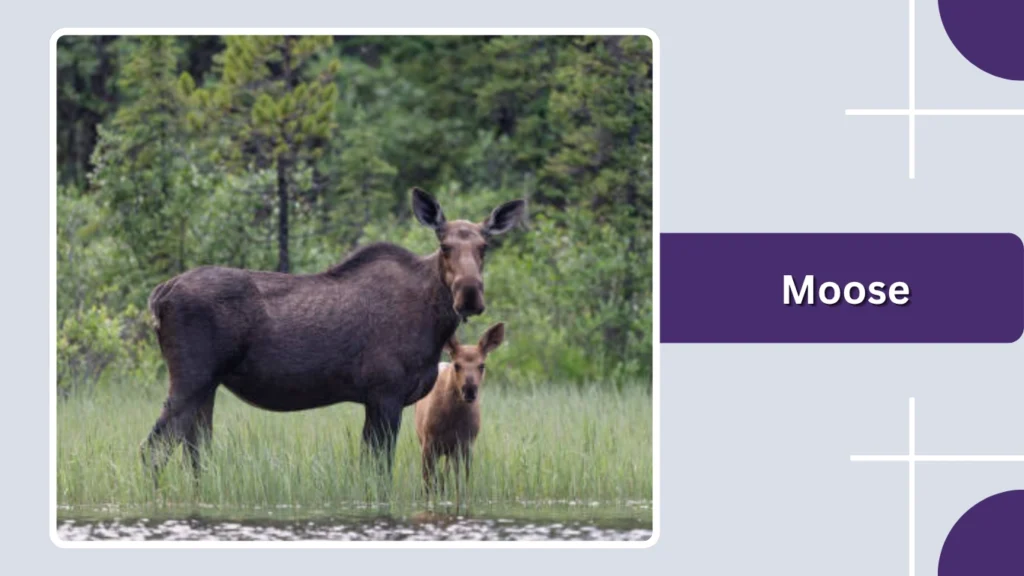
Moose are the largest members of the deer family and are known for their massive size and distinctive appearance. They are a prized game animal due to their size, meat yield, and the challenge they present in hunting. Despite their calm appearance, moose can be unpredictable and dangerous when provoked.
Identification
- Very large body with long legs and a heavy build
- Dark brown to almost black coat
- Long face with a broad, drooping snout
- Males have wide, flat antlers (palmate shape)
- Noticeable dewlap (flap of skin) under the throat
- Long legs adapted for moving through deep snow and water
Habitat
Moose are typically found in cold regions, especially in boreal forests and areas near lakes, rivers, and wetlands. They prefer habitats with plenty of vegetation and access to water. Wetlands are particularly important because they provide aquatic plants that moose rely on for food. In warmer months, moose often stay near water to keep cool and avoid insects. During winter, they move into forested areas for shelter from harsh weather.
Behaviors
Moose are generally solitary animals, except during the mating season or when females are with their calves. They are most active during early morning and evening hours. Despite their size, moose are strong swimmers and can travel long distances in search of food. During the rut, males become more aggressive and may engage in fights using their antlers. Moose rely on their sense of hearing and smell to detect danger but have relatively poor eyesight.
Diet and Lifespan
Moose are herbivores that feed on a variety of vegetation, including leaves, twigs, bark, and aquatic plants. They are especially known for feeding in water, where they consume plants rich in nutrients. Their diet changes with the seasons based on availability. In the wild, moose typically live between 15 to 20 years, although survival depends on environmental factors and predation.
5. Rabbit
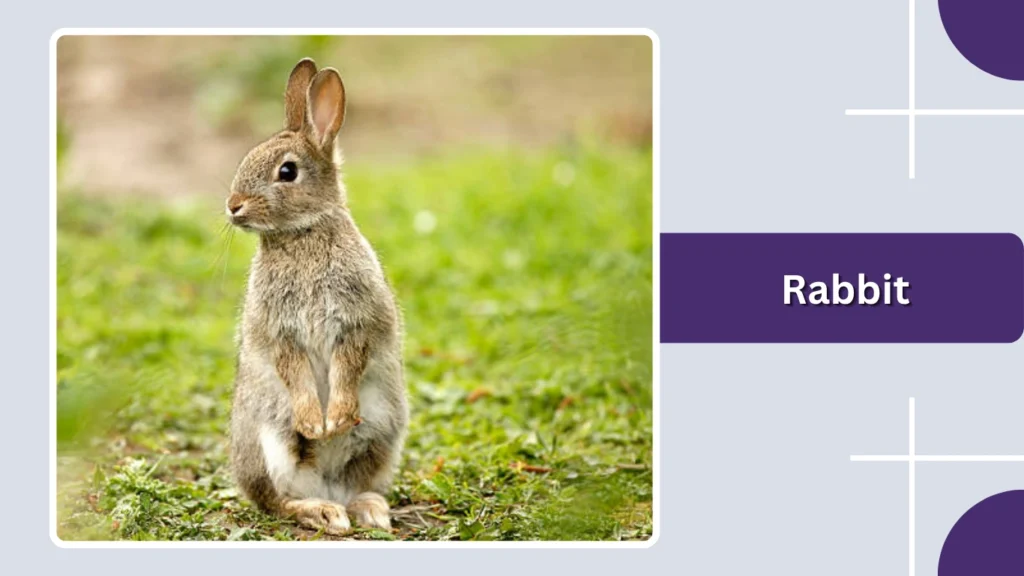
Rabbits are small, fast-moving animals that are commonly hunted due to their abundance and ease of access. They are valued for their meat and are often considered an ideal game animal for beginners. Despite their size, rabbits can be surprisingly quick and alert, making them a fun challenge for hunters.
Identification
- Small, lightweight mammal with a compact body
- Soft fur, usually brown, gray, or white depending on species and season
- Long ears, often with darker tips
- Short, fluffy tail
- Strong hind legs adapted for jumping and quick movement
- Large eyes positioned on the sides of the head
Habitat
Rabbits are highly adaptable and can be found in grasslands, forests, deserts, and even urban areas. They prefer habitats with dense vegetation where they can hide from predators. Burrows or shallow nests, known as forms, are commonly used for shelter. Rabbits often stay close to areas that provide both food and cover, such as bushes, hedgerows, and field edges. Their habitat choice helps them avoid predators while maintaining easy access to feeding grounds.
Behaviors
Rabbits are mostly crepuscular, being most active during dawn and dusk. They are known for their alertness and quick reflexes, often freezing in place before rapidly fleeing when danger is detected. Rabbits use their powerful hind legs to make sudden, zigzag movements to escape predators. They are generally solitary but may live near other rabbits in suitable habitats. Communication includes body signals like thumping the ground to warn others of danger.
Diet and Lifespan
Rabbits are herbivores that primarily feed on grasses, leaves, and vegetables. They may also consume bark and twigs during colder months when other food sources are scarce. Rabbits have a unique digestive process that allows them to extract maximum nutrients from their food. In the wild, their lifespan typically ranges from 3 to 9 years, depending on environmental conditions and predation.
6. Duck
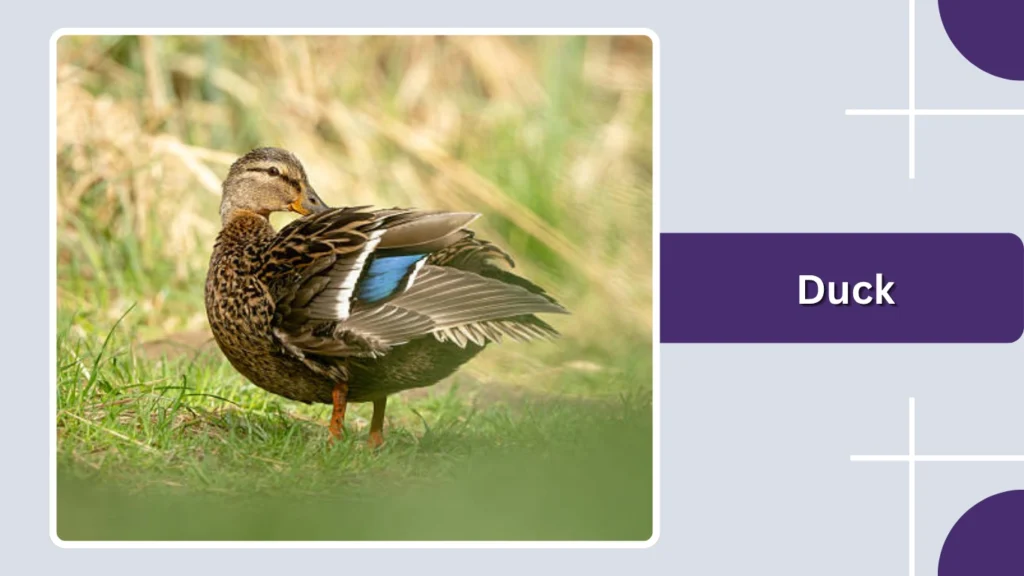
Ducks are one of the most popular game birds, widely hunted for both sport and food. They are known for their adaptability to aquatic environments and their migratory patterns. Duck hunting often requires strategy and timing, especially during migration seasons when large flocks are on the move.
Identification
- Medium-sized waterfowl with a compact body
- Broad, flat bill adapted for filtering food from water
- Webbed feet for efficient swimming
- Waterproof feathers, often with colorful patterns (especially in males)
- Short neck and rounded head
- Males (drakes) are usually more brightly colored than females
Habitat
Ducks are commonly found in wetlands, including lakes, rivers, ponds, marshes, and coastal areas. They prefer environments with abundant water vegetation and food sources. Many species migrate seasonally, moving between breeding and wintering grounds. Shallow waters with plenty of plant life are especially important, as they provide both food and shelter. Ducks can also be seen in agricultural fields during feeding times, especially near water bodies.
Behaviors
Ducks are social birds that often travel and live in groups called flocks. They are most active during early morning and late afternoon. Many species are migratory, flying long distances between seasons. Ducks communicate through a variety of vocalizations and body movements. They are alert and quick to take flight when disturbed. Some species dive underwater to find food, while others feed on the surface.
Diet and Lifespan
Ducks are omnivores with a varied diet that includes aquatic plants, seeds, insects, small fish, and crustaceans. Their feeding behavior depends on the species and habitat. Dabbling ducks feed on the water surface, while diving ducks go underwater for food. In the wild, ducks typically live between 5 to 10 years, although this can vary based on species and environmental conditions.
7. Turkey
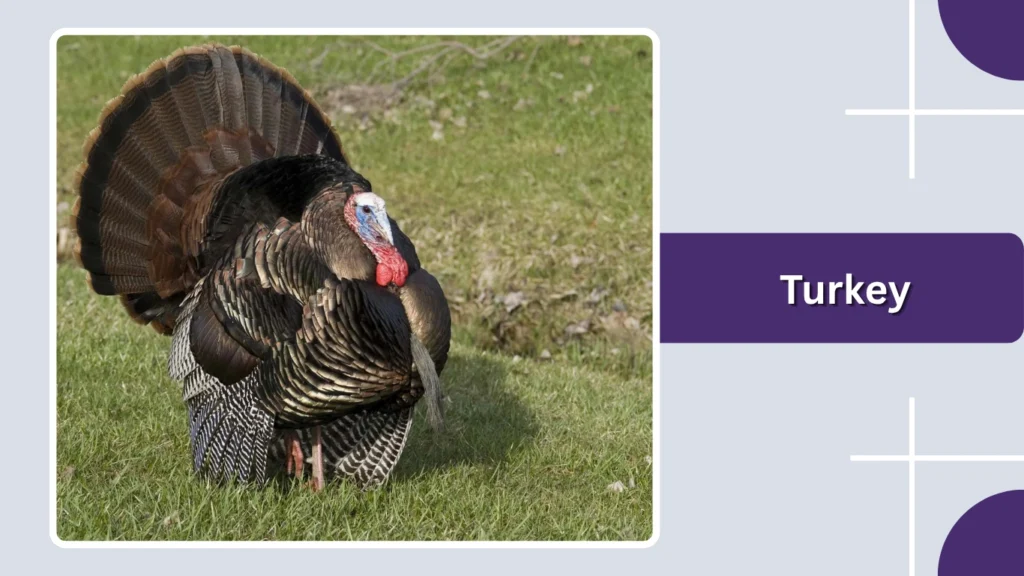
Turkeys are large ground-dwelling birds that are highly valued in hunting for their meat and challenging behavior. They are known for their keen eyesight and cautious nature, making them a popular target for skilled hunters. Wild turkeys, in particular, are more alert and harder to approach than domesticated ones.
Identification
- Large, heavy-bodied bird with long legs
- Dark feathers with an iridescent sheen
- Bare head and neck, often red, blue, or white
- Males (toms) have a fan-shaped tail and beard (tuft of hair on chest)
- Strong wings but primarily ground-dwelling
- Females (hens) are smaller and less colorful
Habitat
Turkeys are commonly found in forests, woodlands, and grasslands, especially in areas with a mix of trees and open spaces. They prefer habitats that provide roosting trees for safety and open ground for feeding. Water sources are also important for their survival. Turkeys often stay in areas where food is abundant, such as near farms or forest edges. Their habitat choice helps them balance safety from predators and access to food.
Behaviors
Turkeys are mostly active during the day (diurnal). They spend much of their time on the ground searching for food but fly short distances to escape danger or reach roosting spots in trees. They are social birds, often moving in groups, especially outside the breeding season. During mating season, males display by fanning their tails and making gobbling sounds to attract females. Turkeys are highly alert and rely on their excellent vision to detect threats.
Diet and Lifespan
Turkeys are omnivores and eat a wide range of foods, including seeds, nuts, fruits, insects, and small reptiles. Their diet changes depending on the season and availability of food. They forage mostly on the ground, scratching the soil to uncover food. In the wild, turkeys typically live between 3 to 5 years, though some may live longer under favorable conditions.
8. Pheasant
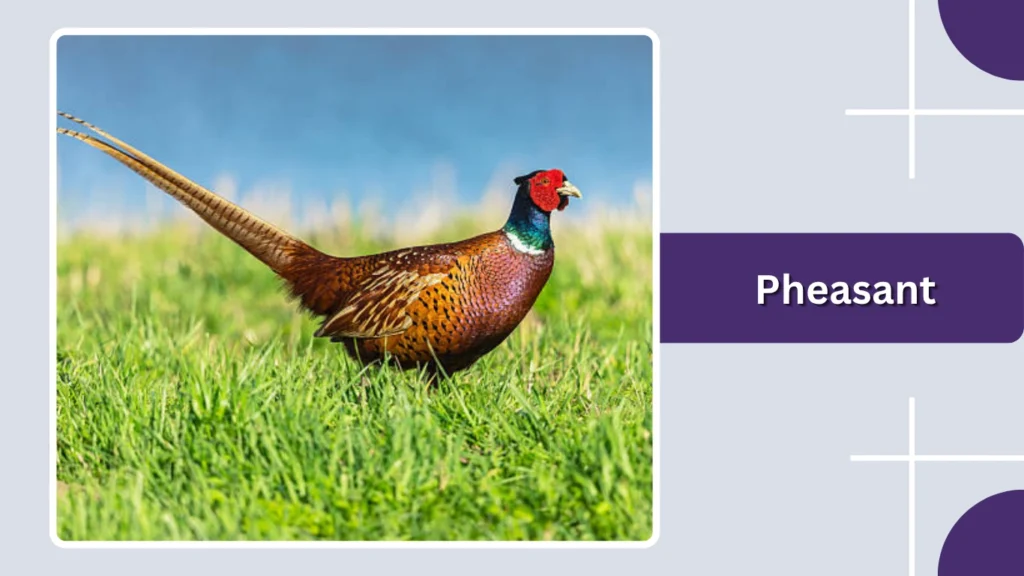
Pheasants are colorful game birds widely hunted for sport and meat. They are known for their striking appearance and quick, explosive flight when startled. Hunting pheasants often requires sharp reflexes and good timing, as they tend to stay hidden in dense cover before suddenly taking flight.
Identification
- Medium-sized bird with a long, pointed tail
- Males are brightly colored with iridescent feathers
- Females are smaller with dull brown plumage for camouflage
- Strong legs adapted for running
- Short, rounded wings for quick bursts of flight
- Distinctive red facial patches (in many species)
Habitat
Pheasants are commonly found in grasslands, farmland, and open woodlands. They prefer areas with tall grasses or crops that provide cover from predators. Field edges, hedgerows, and brushy areas are ideal habitats. Pheasants rely on dense vegetation for nesting and protection while also needing open spaces nearby for feeding. They are often associated with agricultural landscapes where food is plentiful.
Behaviors
Pheasants are mostly ground-dwelling birds and spend much of their time walking or running through vegetation. They are typically active during the day and tend to hide rather than fly when threatened. However, when flushed, they can burst into rapid flight with loud wingbeats. Males can be territorial during the breeding season and may display aggressive behavior. Pheasants are usually solitary or found in small groups outside the breeding period.
Diet and Lifespan
Pheasants are omnivores, feeding on seeds, grains, berries, insects, and small invertebrates. Their diet varies with the seasons, with more insects consumed during warmer months. They forage mostly on the ground, scratching and pecking for food. In the wild, pheasants typically live around 3 to 5 years, though survival depends on habitat conditions and predation.
9. Quail
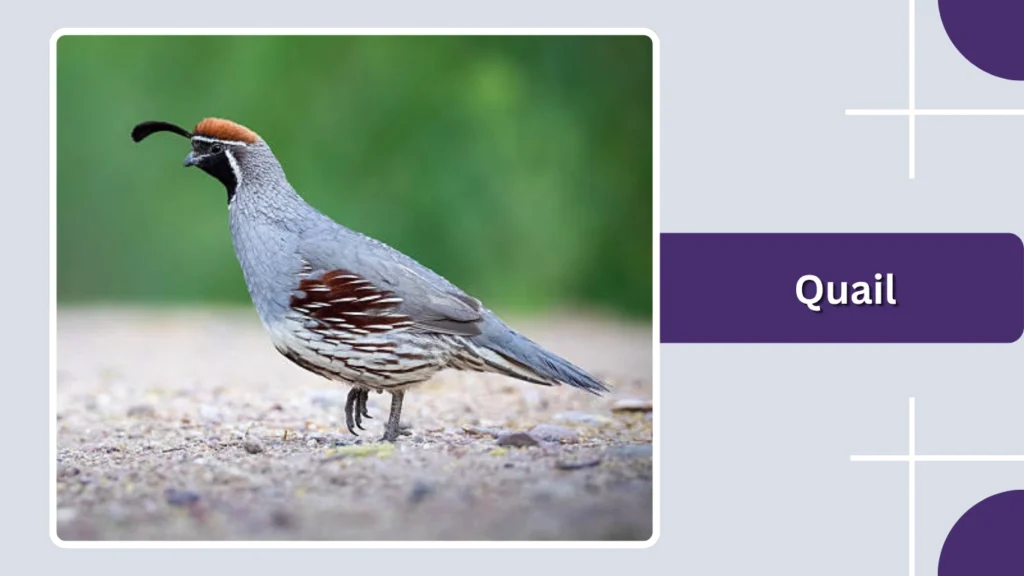
Quail are small game birds that are popular among hunters due to their fast flight and abundance in many regions. Despite their size, they provide a challenging hunting experience because of their quick takeoff and unpredictable flight patterns. They are also valued for their tender meat.
Identification
- Small, round-bodied bird
- Short wings and a short tail
- Brown or gray plumage with speckled patterns for camouflage
- Small head, often with a distinctive crest (in some species)
- Strong legs adapted for running
- Males and females often look similar, though males may have brighter markings
Habitat
Quail are commonly found in grasslands, shrublands, and agricultural fields. They prefer areas with dense ground cover such as tall grasses, bushes, and crops, which provide protection from predators. Quail tend to stay in regions where food and shelter are easily available. They are also known to inhabit dry and semi-arid environments, as long as there is sufficient vegetation for cover and nesting.
Behaviors
Quail are mostly ground-dwelling birds and rely on running rather than flying to escape danger. They are typically active during the day and often move in small groups called coveys. When threatened, they may suddenly burst into short, rapid flight. Quail are known for their quick reflexes and ability to hide effectively in dense vegetation. They communicate using soft calls and signals within their group.
Diet and Lifespan
Quail are omnivores, feeding on seeds, grains, insects, and small plants. Their diet varies depending on the season, with more insects consumed during warmer months. They forage on the ground, pecking and scratching for food. In the wild, quail generally have a short lifespan of around 2 to 4 years, largely due to predation and environmental factors.
10. Squirrel
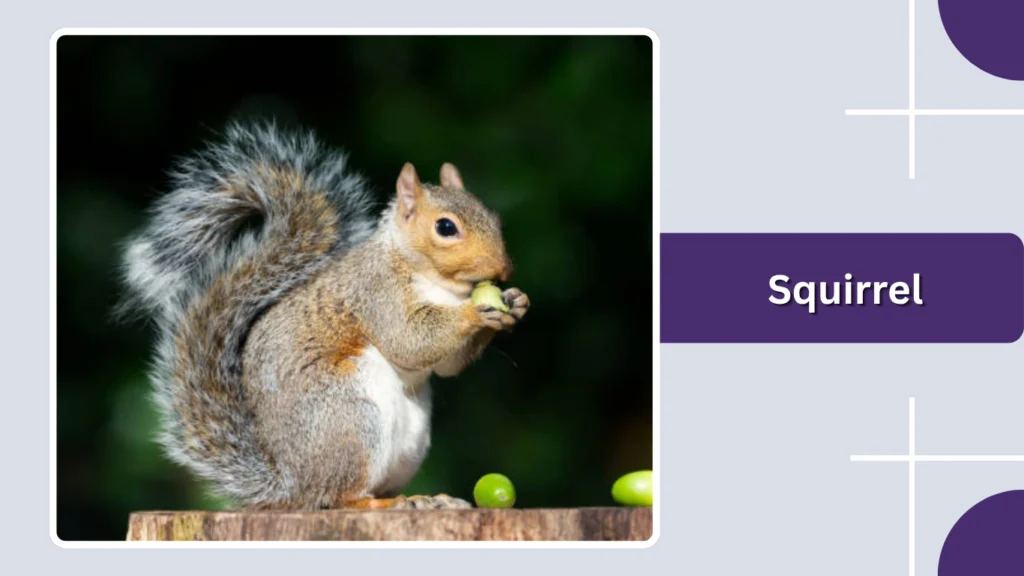
Squirrels are small, agile mammals commonly hunted for sport and food. They are known for their quick movements, climbing ability, and alert behavior. Hunting squirrels often requires patience and sharp observation, as they can quickly hide or escape through trees.
Identification
- Small to medium-sized mammal
- Slender body with a bushy tail
- Fur color varies from gray and brown to reddish tones
- Sharp claws adapted for climbing
- Large eyes and small rounded ears
- Strong hind legs for jumping between branches
Habitat
Squirrels are commonly found in forests, woodlands, parks, and even urban areas. They prefer environments with plenty of trees, as they rely on them for shelter and movement. Tree hollows and nests made of leaves, known as dreys, are used for living and raising young. Squirrels are highly adaptable and can thrive in areas where food sources like nuts and seeds are abundant. They are often seen in both rural and suburban settings.
Behaviors
Squirrels are mostly active during the day (diurnal). They spend much of their time climbing, foraging, and storing food. Known for their quick and erratic movements, they can easily evade predators. Squirrels often gather and hide food in various locations to prepare for winter. They are generally solitary but may tolerate others in areas with abundant food. Their sharp senses help them detect danger quickly.
Diet and Lifespan
Squirrels are primarily herbivores but can be opportunistic feeders. Their diet includes nuts, seeds, fruits, and tree bark, along with occasional insects or small animals. They are well known for storing food for later use. In the wild, squirrels typically live between 5 to 10 years, depending on species and environmental conditions.
11. Antelope
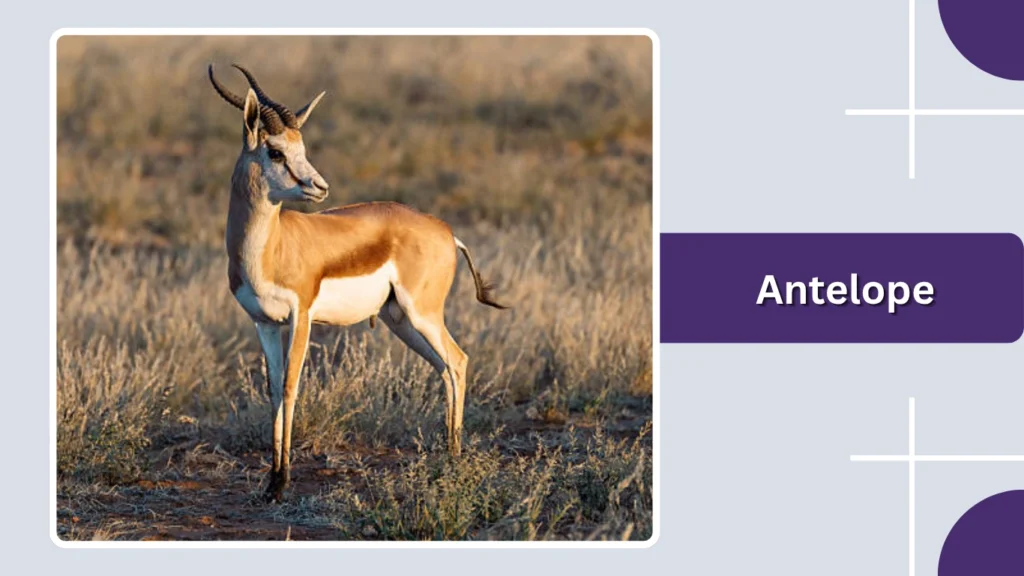
Antelope are fast and graceful herbivores commonly hunted in open landscapes. They are known for their incredible speed, sharp senses, and ability to survive in harsh environments. Hunting antelope often requires long-distance tracking and precision due to their alert nature and wide-open habitats.
Identification
- Medium-sized, slender-bodied mammal
- Long legs built for speed and endurance
- Short, smooth coat usually tan, brown, or reddish
- Most species have curved or spiral horns (both sexes in some species)
- Large eyes and ears for detecting danger
- Lightweight body adapted for fast running
Habitat
Antelope are typically found in grasslands, savannas, and semi-arid regions. They prefer open areas where they can easily spot predators from a distance. Some species also inhabit deserts or lightly wooded areas. Access to water and grazing land is essential for their survival. Their habitat choice allows them to rely on speed and visibility rather than cover for protection.
Behaviors
Antelope are generally social animals, often living in herds that provide safety in numbers. They are mostly active during the day but may adjust activity patterns depending on temperature and threats. Known for their speed, many species can run at very high speeds to escape predators. Antelope are highly alert and rely on keen eyesight and hearing. Males may become territorial during the breeding season.
Diet and Lifespan
Antelope are herbivores, feeding mainly on grasses, leaves, and shrubs. Some species are grazers, while others are browsers depending on their environment. Their diet varies based on seasonal availability of vegetation. In the wild, antelope typically live between 10 to 15 years, though this can vary depending on species and environmental conditions.
12. Bison
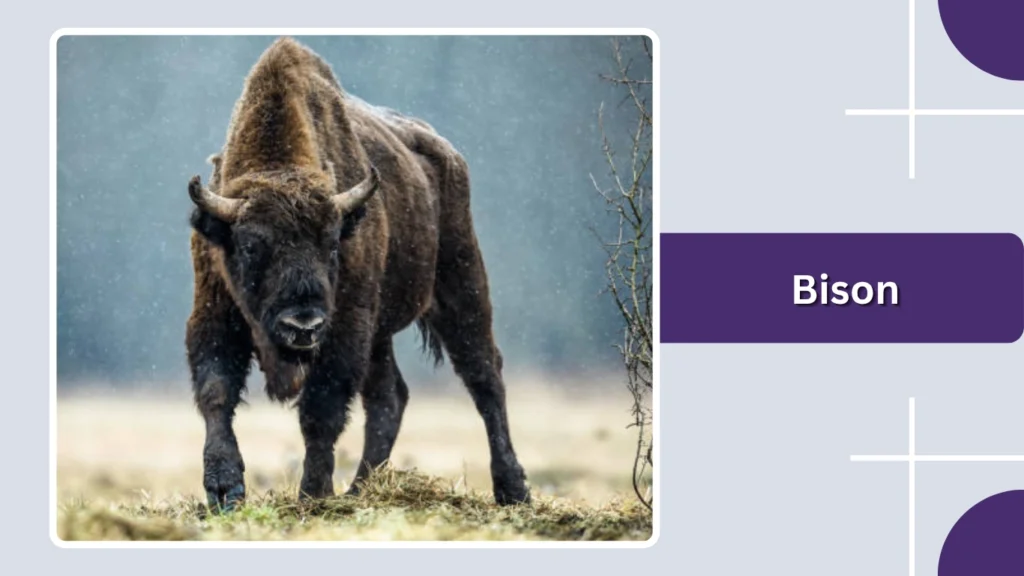
Bison are massive and powerful animals, making them one of the most challenging and rewarding game animals. They are known for their strength, հաստ build, and ability to survive in tough environments. Hunting bison requires skill, patience, and careful planning due to their size and unpredictable nature.
Identification
- Very large, bodied mammal with a muscular build
- Thick, shaggy fur, especially around the head and shoulders
- Large head with short, curved horns
- Noticeable hump on the shoulders
- Short tail with a tuft at the end
- Strong legs capable of carrying heavy weight
Habitat
Bison are primarily found in grasslands, plains, and open prairies. They prefer wide,areas where they can graze freely. Historically, they roamed vast regions, but today they are mostly found in protected areas and reserves. Bison need access to water and large grazing grounds. Their habitat supports their diet requirements and allows them to move in herds for safety.
Behaviors
Bison are social animals that live in herds, which can vary in size. They are generally calm but can become aggressive when threatened. Despite their size, they are surprisingly fast and agile. Bison communicate through sounds and body movements. During the breeding season, males may compete for dominance. They spend much of their time grazing and resting in open areas.
Diet and Lifespan
Bison are herbivores, mainly feeding on grasses and low-growing plants. They graze for long periods to meet their nutritional needs. Their diet changes slightly with the seasons based on available vegetation. In the wild, bison typically live between 12 to 20 years, depending on environmental conditions and natural threats.
13. Bear
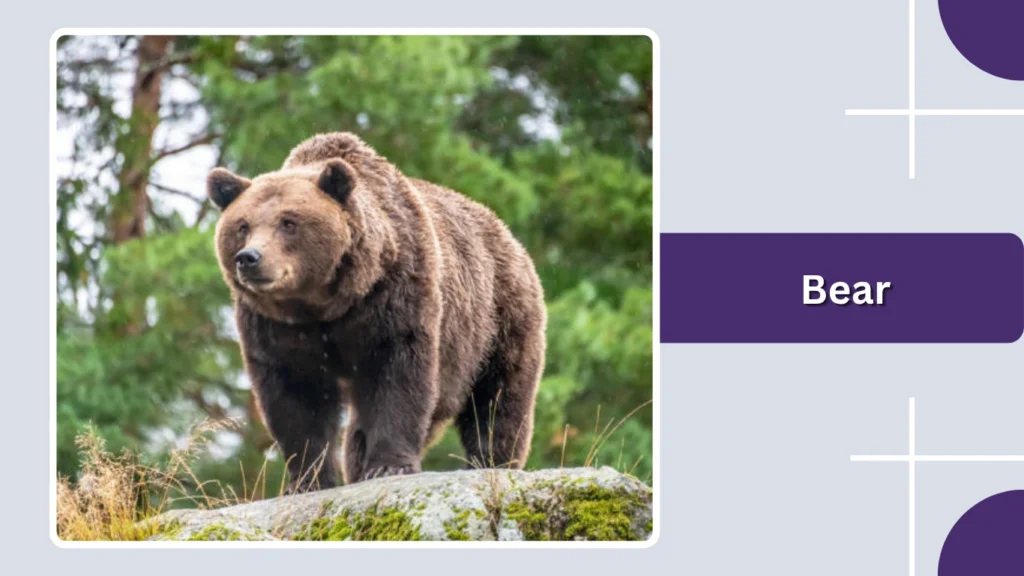
Bears are large and powerful animals, often considered one of the most dangerous game species. They are known for their strength, intelligence, and adaptability. Hunting bears requires extreme caution, experience, and proper preparation due to their unpredictable nature and ability to defend themselves aggressively.
Identification
- Large, bodied mammal with a build
- Thick fur that varies in color (black, brown, or depending on species)
- Strong limbs with sharp claws
- Large head with a short snout
- Small eyes and rounded ears
- Powerful jaws capable of crushing food
Habitat
Bears are found in forests, mountains, tundra, and even coastal regions. They prefer areas with dense vegetation and access to food and water. Some species live in colder climates, while others adapt to warmer regions. Bears often choose habitats that provide shelter, such as caves, dense forests, or hollow logs. Their wide range of habitats shows their ability to survive in different environmental conditions.
Behaviors
Bears are generally solitary animals, except for mothers with cubs. They can be active during both day and night, depending on food availability and human presence. Bears are highly intelligent and have an excellent sense of smell. Some species hibernate during winter, reducing activity to conserve energy. When threatened, bears can become extremely aggressive and may attack to defend themselves or their young.
Diet and Lifespan
Bears are omnivores with a varied diet that includes fruits, nuts, insects, fish, and small animals. Some species rely more on meat, while others consume mostly plant-based food. Their diet changes with the seasons based on availability. In the wild, bears typically live between 20 to 30 years, depending on species and environmental conditions.
14. Goat
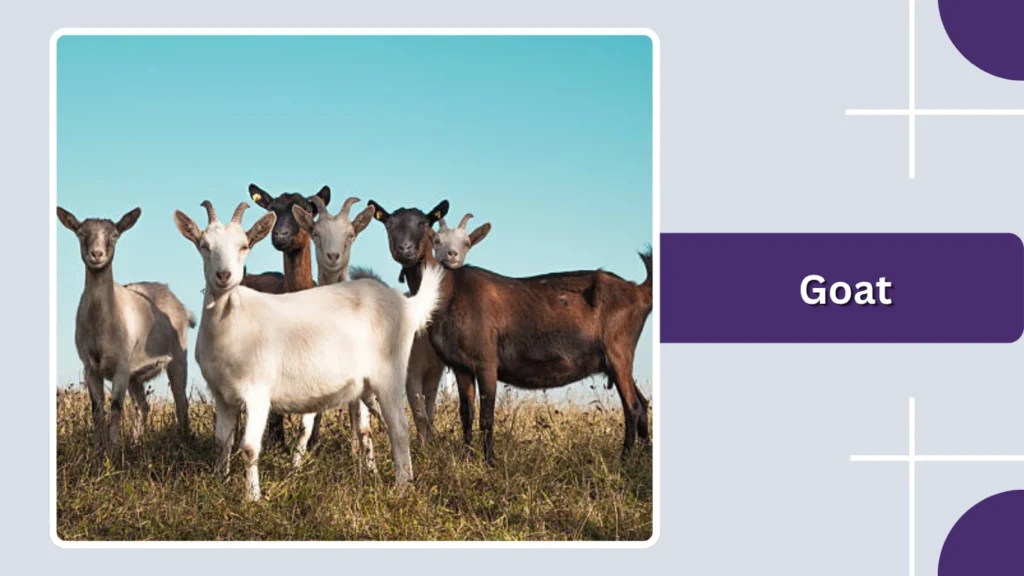
Goats, especially wild species like mountain goats, are popular game animals known for their agility and ability to survive in rugged terrains. They are often hunted in challenging environments, making them a target for experienced hunters seeking both skill and endurance.
Identification
- Medium-sized mammal with a sturdy, compact body
- Thick coat, often white, brown, or gray
- Males typically have large, curved horns
- Narrow face with a beard (more prominent in males)
- Strong legs with specialized hooves for climbing
- Sure-footed and well-balanced body structure
Habitat
Goats are commonly found in mountainous regions, cliffs, and rocky terrains. They prefer high elevations where predators are fewer and vegetation is sparse but sufficient. Their habitat often includes steep slopes and rugged landscapes that are difficult for other animals to access. Goats are well adapted to cold environments and can survive in areas with harsh weather conditions due to their thick coats and climbing ability.
Behaviors
Goats are known for their exceptional climbing skills and balance. They are generally social animals and may live in small groups, although some males prefer to stay alone. They are active during the day and spend much of their time grazing or moving across rocky surfaces. Goats are alert and cautious, using their high vantage points to spot danger from a distance.
Diet and Lifespan
Goats are herbivores, feeding on grasses, shrubs, moss, and other vegetation found in their habitat. They are capable of surviving on limited food sources in harsh environments. Their diet varies depending on location and season. In the wild, goats typically live between 10 to 18 years, depending on environmental conditions and predators.
FAQs
What is the easiest animal to hunt for beginners?
Rabbits and squirrels are often considered the easiest animals for beginners. They are widely available, smaller in size, and require less specialized equipment. Their habitats are easier to access, and hunting them helps beginners develop basic tracking, aiming, and patience skills without facing high risk.
Which hunting animal is considered the most dangerous?
Animals like bears, wild boars, and bison are considered among the most dangerous. They are large, strong, and can become aggressive when threatened. Hunting these animals requires experience, proper equipment, and safety precautions, as they are capable of causing serious harm if approached incorrectly.
What time of day is best for hunting animals?
Most animals are active during early morning and late evening, known as crepuscular hours. During these times, animals come out to feed and move around more frequently. This makes dawn and dusk the best times for hunting, as visibility and animal activity are both favorable.
Why do hunters choose different animals?
Hunters choose animals based on factors like availability, skill level, location, and purpose. Some hunt for food, while others seek sport or challenge. Larger animals offer more meat and difficulty, while smaller ones are ideal for practice and quick hunts. Personal preference also plays a role.
How does habitat affect hunting success?
Habitat plays a crucial role in hunting success because it determines where animals live, feed, and move. Understanding terrain, vegetation, and water sources helps hunters locate animals more effectively. Knowing the habitat also improves tracking and increases the chances of a successful hunt.
