
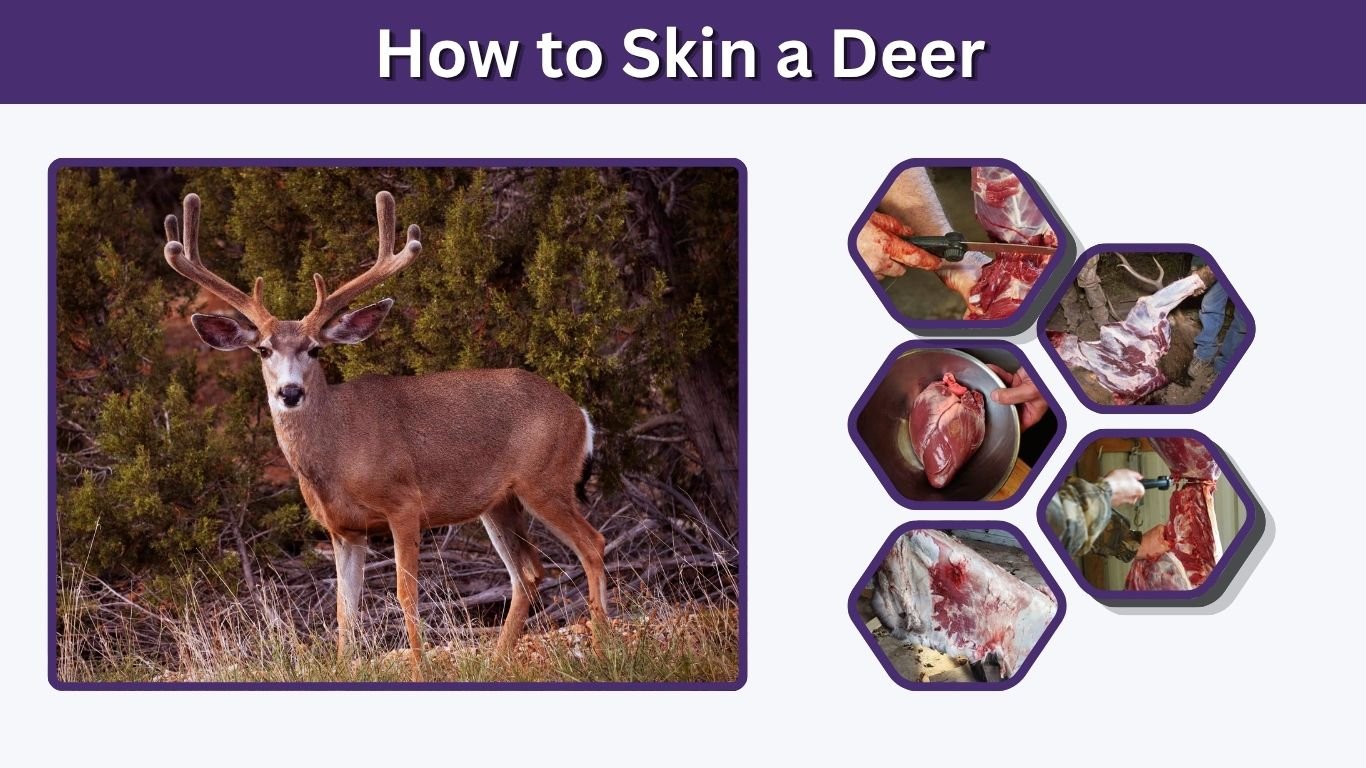
Knowing how to skin a deer properly is an essential skill for hunters who want to preserve fresh venison and make the most of their harvest. Whether you are preparing deer meat, saving the hide for tanning, or planning a shoulder mount, the right skinning technique makes the process easier and cleaner. Skinning involves removing the hide carefully without damaging the meat or cutting unnecessary holes. This guide explains how to skin a deer step by step, including the tools, preparation, hanging methods, and hide preservation techniques.
What Do You Need to Skin a Deer?
Before skinning a deer, gather the necessary equipment and prepare a clean working area. Proper tools help you remove the hide efficiently while minimizing damage to the meat. You should also decide whether you want to keep the hide for tanning or mounting, as this can affect where you make your first cuts.
Essential Deer Skinning Tools
- Sharp skinning knife: A curved or drop-point knife helps separate the hide from the meat.
- Gambrel and hoist: Hold the deer securely while skinning.
- Protective gloves: Reduce direct contact with blood and potentially harmful microorganisms.
- Bone saw: Useful when separating certain joints or preparing the carcass.
- Clean towels: Remove loose hair, dirt, and unwanted moisture.
- Cooler with ice: Keeps processed venison cold.
- Knife sharpener: Maintains a sharp cutting edge throughout the process.
Preparing the Deer Before Skinning
Field dress the deer as soon as practical after harvesting it. Removing the internal organs helps the carcass lose heat and reduces the risk of spoilage.
Place the deer in a clean, shaded location away from dirt and insects. If possible, suspend it from a sturdy support. Keep the carcass cold, ideally at 40°F (4°C) or below, throughout processing.
How to Skin a Deer Step by Step

Skinning a deer involves making controlled cuts, loosening the connective tissue, and pulling the hide away from the carcass. Most hunters begin around the hind legs when the deer is hanging head-down. Using your hands to separate the hide wherever possible reduces unnecessary knife cuts and helps protect the meat.
Step 1: Hang the Deer Securely
Attach a gambrel through the space near the hind-leg hock tendons without cutting or damaging them. Raise the carcass using a properly rated hoist.
Position the deer at a comfortable working height. Make sure the gambrel and support can safely handle its weight.
Step 2: Cut Around the Hind Legs
Make circular cuts around the lower hind legs near the hocks. Carefully extend the cuts along the inside of each leg toward the pelvic area.
Keep the blade shallow to avoid cutting into the underlying muscle.
Step 3: Loosen the Hide Around the Legs
Use your fingers to separate the skin from the underlying tissue. Pull the loosened hide downward with steady pressure.
Where connective tissue remains attached, carefully separate it with the tip of your knife.
Step 4: Remove the Hide From the Body
Continue pulling the hide down over the hips, back, and abdominal area.
Use your fist or fingers to release the connective tissue whenever possible. Avoid cutting through valuable meat, particularly along the backstraps.
Step 5: Skin the Shoulders and Neck
Work the hide downward over the shoulders and front legs. Carefully cut around the front legs and continue toward the neck.
If you plan to make a shoulder mount, preserve the neck and shoulder hide rather than following the usual full-skinning cuts.
Step 6: Finish Removing the Skin
Separate any remaining connective tissue and remove the hide from the carcass.
Inspect the exposed meat for loose hair, dirt, or damaged tissue. Trim visibly contaminated areas and cool the carcass promptly before butchering.
How to Hang a Deer for Skinning
Hanging a deer allows gravity to assist with hide removal and keeps the carcass away from potentially contaminated ground. The two common positions are hanging from the hind legs and hanging from the head. The best method depends on the equipment available and whether you plan to preserve the hide.
Hanging a Deer From the Hind Legs
This is one of the most commonly used skinning methods. A gambrel supports the deer by its hind legs, leaving the body hanging vertically.
Hunters can start skinning around the hind legs and gradually pull the hide toward the shoulders and neck. This method provides convenient access to most of the carcass.
Hanging a Deer From the Head
Some hunters suspend a deer by the head or antlers and work from the neck toward the hind legs.
Although this method can work, it requires secure equipment and careful positioning. Hanging from the hind legs is generally more convenient for beginners.
How to Skin and Quarter a Deer for Meat
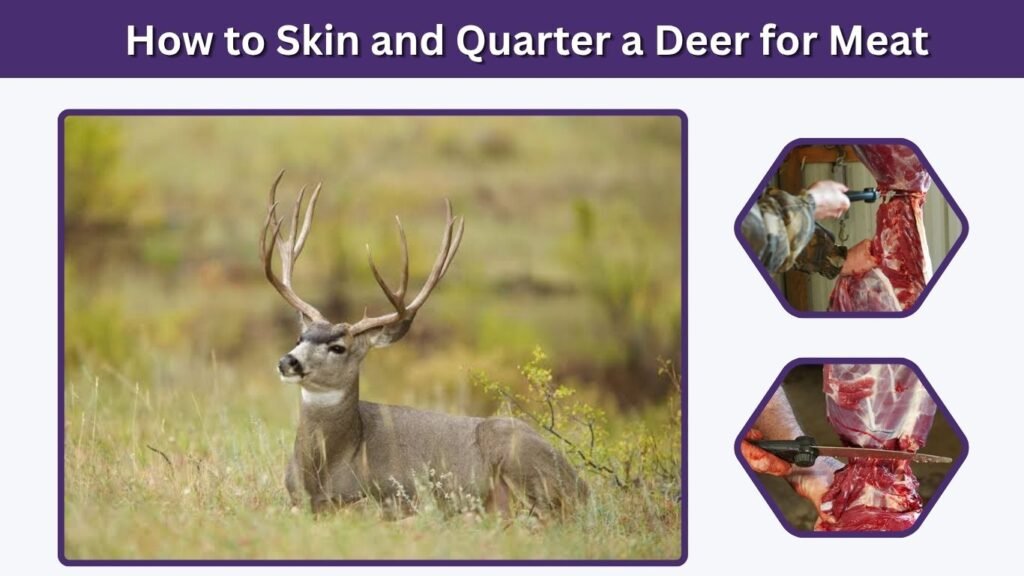
Once the hide is removed, the next stage is butchering the carcass into manageable sections. Quartering makes it easier to transport, refrigerate, and prepare venison. Clean equipment and consistent temperature control are essential because exposed meat can become contaminated during processing.
Removing the Deer Quarters
The basic quartering process includes:
- Remove the front shoulders: Separate each shoulder by following the natural muscle seams.
- Remove the hindquarters: Carefully separate the rear legs at the appropriate joints.
- Remove the backstraps: Cut along both sides of the backbone to release the long muscles.
- Remove the tenderloins: Carefully take out the smaller muscles located inside the abdominal cavity.
- Trim and chill: Remove unwanted tissue and refrigerate or pack the meat on ice immediately.
Keeping Deer Meat Clean During Processing
Use clean knives and cutting surfaces throughout the process. Avoid touching meat after handling dirty hides without changing gloves or washing your hands.
Keep loose hair away from exposed muscle. Refrigerate venison promptly, and avoid leaving meat in warm conditions.
In areas affected by chronic wasting disease, follow local testing requirements, avoid handling brain and spinal tissues, and never eat meat from an animal that tests positive.
How to Skin a Deer Head for Mounting
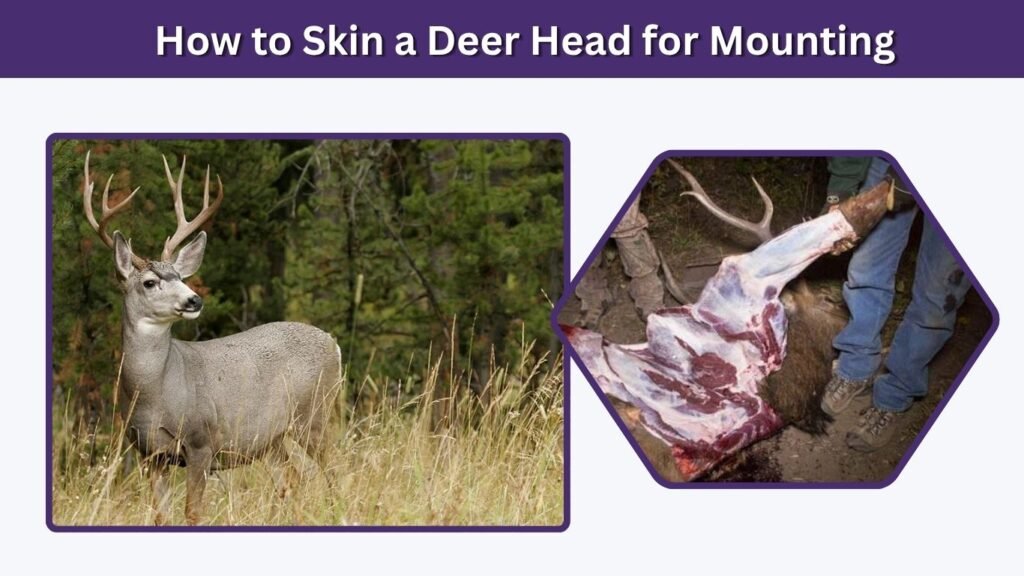
Skinning a deer for taxidermy requires different preparation from skinning it for meat alone. The goal is to preserve enough undamaged hide for the intended mount. Incorrect cuts around the neck, shoulders, or face can make mounting difficult.
Skinning for a Shoulder Mount
A shoulder mount requires the hide around the head, neck, chest, and shoulders.
Begin by making a circular cut well behind the front shoulders. Carefully loosen the hide toward the head without cutting through the throat or brisket.
Leave generous extra hide for the taxidermist. If you lack experience, leave detailed facial skinning to a professional. Keep the cape cold and follow your taxidermist’s preservation instructions.
Skinning for a European Skull Mount
A European mount displays the cleaned skull and antlers without the hide.
After separating the head at the neck joint, carefully remove the skin and surrounding soft tissue. Avoid scratching the skull or damaging the antler bases.
Professional skull cleaning is an option if you are unfamiliar with the process.
How to Preserve a Deer Skin for Tanning

A removed deer hide can be processed into leather, a decorative rug, or another useful item. However, fresh skin deteriorates quickly if it remains warm. Proper preservation begins immediately after removal and depends on whether the hide will be tanned or used for taxidermy.
Cleaning and Curing the Deer Hide
For a hide intended for conventional tanning:
- Lay the hide flesh-side up on a clean surface.
- Carefully remove excess fat and remaining flesh.
- Keep the hide cool while preparing it.
- Apply non-iodized salt evenly if using an appropriate salt-curing method.
- Allow moisture to drain away rather than letting the hide sit in liquid.
- Arrange prompt delivery to a tannery or continue with an established tanning process.
Salting preserves a suitable hide temporarily but does not complete tanning. For a taxidermy cape, ask the taxidermist first because many prefer an unsalted, chilled or frozen cape.
How to Tan a Deer Skin
Tanning converts preserved animal skin into durable leather.
After fleshing and proper preparation, the hide undergoes a tanning process using an appropriate commercial tanning product or specialized method. It is then softened and dried according to the chosen process.
Because tanning chemicals and procedures vary, beginners may find a professional tannery more reliable for their first hide.
Common Mistakes to Avoid When Skinning a Deer
Even experienced hunters can damage meat or hide through poor preparation. Most problems occur when the carcass becomes too warm, the knife cuts too deeply, or the skinning area is contaminated. Avoiding these mistakes helps preserve meat quality and makes later butchering easier.
- Using a dull knife: Makes controlled cutting more difficult.
- Cutting too deeply: Can damage meat and puncture the hide.
- Pulling too forcefully: May tear a hide intended for tanning.
- Working on dirty surfaces: Increases the risk of meat contamination.
- Waiting too long to cool the deer: Encourages bacterial growth and spoilage.
- Making incorrect mounting cuts: Can ruin a valuable shoulder cape.
- Using an unstable hanging setup: Creates a serious risk of injury.
FAQs
How Long Does It Take to Skin a Deer?
Skinning a deer commonly takes around 20–60 minutes, although the actual time depends on experience, equipment, deer size, and the condition of the hide. Experienced hunters using suitable hanging equipment may finish faster, while beginners should work carefully rather than prioritize speed.
How Long Can You Wait to Skin a Deer?
There is no universally safe waiting period. Temperature and cooling conditions determine how urgently skinning is needed. In warm weather, remove the hide promptly to improve cooling. Under refrigeration, the hide can sometimes remain temporarily to protect the meat during storage.
Can You Skin a Deer on the Ground?
Yes, you can skin a deer on the ground using a clean protective surface. However, it is generally more difficult to keep the meat free from dirt and hair. Hanging the carcass provides easier access and usually makes skin removal more manageable.
Can You Skin a Deer With a Golf Ball?
Some hunters use a golf ball, rope, and mechanical pulling force to remove deer hide. However, this technique can create significant tension and may damage the hide or cause injury if equipment fails. Traditional hand-pulling is generally more controllable for beginners.
How Do You Skin a Deer Without Damaging the Hide?
Use a sharp knife to make shallow initial cuts, then separate the skin mainly with your fingers and steady pulling pressure. Avoid aggressive cutting, especially around the shoulders and neck. Work slowly around attached tissue and preserve the hide promptly after removal.
