
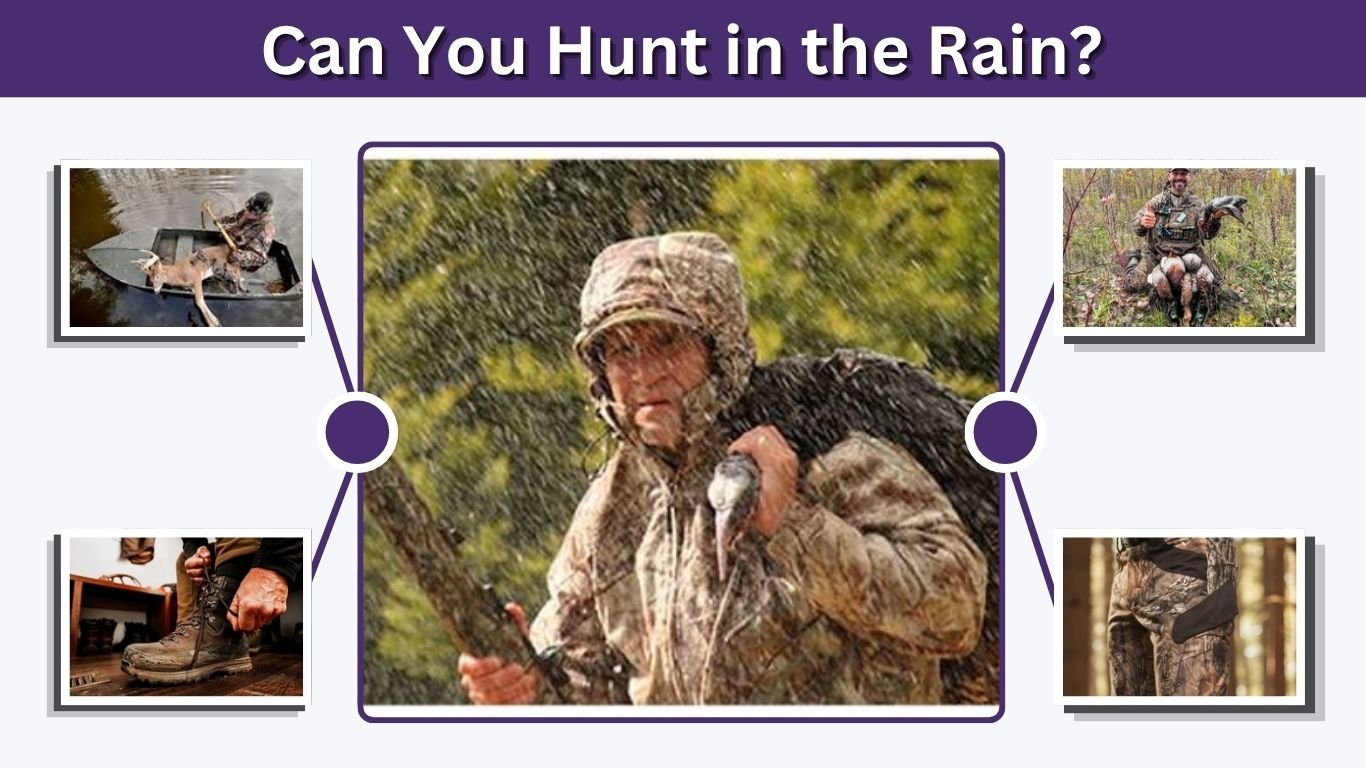
Can you hunt in the rain, or should you wait for better weather? Many hunters avoid rainy days because of wet clothing, muddy trails, and poor visibility. However, rain doesn’t always make hunting unsuccessful. Light rainfall can create useful opportunities for deer, turkey, duck, and other game hunters. Different animals respond to changing weather conditions in different ways, so understanding their behavior is important. This guide explains whether hunting in the rain is safe, how rain affects wildlife movement, and the best strategies for rainy-day hunting.
Can You Hunt in the Rain?
Yes, you can hunt in the rain in many locations, provided hunting is legal, the appropriate season is open, and conditions are safe. Rain alone generally does not prevent hunting. However, its intensity can affect visibility, animal activity, shooting accuracy, and personal safety. Light rain may provide useful opportunities, while severe storms often make hunting dangerous.
Is Hunting in the Rain Legal?
Hunting during rainfall is generally legal in the United States, but hunters must follow state regulations, licensing requirements, legal shooting hours, and species-specific hunting seasons.
Some public hunting areas may close because of flooding, hazardous access, or other conditions. Always check local wildlife agency announcements before leaving home.
When Should You Avoid Hunting in the Rain?
Although rainy weather is manageable, certain conditions make hunting unsafe.
- Thunderstorms: Stop hunting when thunder or lightning threatens and move to a substantial building or enclosed, hard-topped vehicle.
- Heavy rainfall: Poor visibility can prevent accurate target identification and safe shooting.
- Strong winds: Falling branches and unstable trees create serious hazards.
- Flooding: Rising streams, slippery banks, and flooded roads can make access dangerous.
- Extreme cold: Wet clothing combined with low temperatures increases the risk of hypothermia.
Safety should always take priority over hunting success.
Can You Deer Hunt in the Rain?

Yes, deer hunting in the rain can be productive, especially during light or intermittent rainfall. Whitetail deer continue feeding, traveling, and performing normal activities in wet conditions. However, rainfall does not guarantee increased deer movement. Research indicates that its influence varies according to sex, wind, season, habitat, and other environmental factors.
Do Deer Move in Light Rain?
Deer can remain active during light rain because they still need food and suitable bedding areas.
Rain also softens dry leaves and reduces some footstep noise, helping hunters move more quietly. However, hunters should not assume rainfall eliminates their scent or makes them undetectable.
Penn State’s Deer-Forest Study found that rainfall sometimes reduced buck movement, while female deer movement was less affected.
Do Deer Move in Heavy Rain?
Heavy rain may change deer activity and encourage some animals to use sheltered areas.
Deer might remain near bedding cover until conditions improve, although behavior differs between individuals. Hunters should concentrate on known travel routes rather than assuming every deer will stop moving.
The period after prolonged rain can also provide hunting opportunities as conditions return to normal.
Best Tips for Deer Hunting in the Rain
- Choose light rain: Moderate conditions generally provide better visibility and mobility.
- Watch travel corridors: Observe routes connecting bedding areas and food sources.
- Use a ground blind: A properly positioned blind provides shelter during steady rain.
- Monitor wind direction: Rain does not replace the need for careful scent management.
- Stay after the rain: Improving weather may coincide with renewed deer activity.
Can You Turkey Hunt in the Rain?
Yes, turkey hunting in the rain is possible, and rainy conditions can sometimes create excellent opportunities. Wild turkeys respond differently to light showers and heavy storms. During moderate rain, they may forage in open fields, pastures, and meadows. Heavy rainfall can temporarily reduce gobbling activity, making visual observation especially useful.
Where Do Turkeys Go When It Rains?
Turkeys often visit open fields during steady rainfall, where they can see approaching predators more easily.
Short grass also allows them to travel without brushing against wet vegetation. However, during intense downpours, some birds seek shelter beneath trees or in protected woodland areas.
Hunters can observe field edges, open pastures, and established turkey travel routes.
Best Turkey Hunting Strategies in Rain
A portable hunting blind can provide protection while allowing hunters to remain near productive feeding areas.
Turkey calls may be harder to hear during rainfall, so hunters should remain patient and watch carefully for approaching birds.
Periods when rain temporarily stops can be especially useful because turkeys may become more visible and vocal.
Can You Duck Hunt in the Rain?

Duck hunting in the rain can be highly productive because waterfowl frequently respond to changing weather systems. Rainfall, wind direction, temperature, and approaching fronts can influence where ducks feed, rest, and travel.
However, heavy storms can also create dangerous conditions on lakes, marshes, and rivers.
Why Rain Can Improve Duck Hunting
Changing weather can encourage ducks to seek sheltered feeding and resting areas.
Windy, rainy conditions may concentrate birds in protected coves, flooded timber, and calmer sections of wetlands. Increased water levels can also make previously inaccessible feeding habitat available.
Hunters should observe duck movement carefully rather than assuming every rainy day will produce good results.
Tips for Duck Hunting in Rainy Weather
- Observe sheltered wetlands and protected water.
- Use decoys where ducks are already feeding or resting.
- Wear waterproof waders and insulated clothing when appropriate.
- Avoid boating during thunderstorms or dangerous wind conditions.
- Scout flooded areas only when access is legal and safe.
Can You Dove, Quail, and Pheasant Hunt in the Rain?
Rain affects small-game birds differently depending on their habitat and feeding behavior. Some species continue moving during light rainfall, while others become less active during prolonged wet conditions. Knowing where birds feed and seek cover can help hunters identify suitable locations.
Can You Dove Hunt in the Rain?
Yes, dove hunting is possible during light rainfall, although cool, rainy weather can reduce hunting opportunities.
Doves often use agricultural fields, seed-producing vegetation, and nearby resting areas. Heavy rain may interrupt regular flights, while improving conditions can encourage birds to resume feeding.
Can You Hunt Other Small Game in the Rain?
- Quail: Light rain may allow normal activity, but dense cover can provide protection during heavier rainfall.
- Pheasants: Birds may remain in grassy fields, brush, or sheltered vegetation during wet weather.
- Grouse: Rain can influence feeding patterns and encourage birds to use protective woodland cover.
- Squirrels: Light rain may not stop activity, but heavy rainfall and strong winds can make squirrels harder to locate.
- Rabbits: Wet weather may change where rabbits seek shelter, particularly around thick vegetation.
Always follow the applicable hunting regulations for each species.
Can You Bow Hunt in the Rain?
Yes, you can bow hunt in the rain with a compound bow, traditional bow, or crossbow when conditions are safe. Modern archery equipment can tolerate some moisture, but wet strings, slippery grips, and reduced visibility require additional attention.
Does Rain Affect Bow Accuracy?
Rain itself does not necessarily prevent accurate shooting. However, slippery hands, wet release aids, and limited visibility can interfere with consistent performance.
Hunters should protect their equipment, maintain a secure grip, and avoid shots when the target or background cannot be clearly identified.
After hunting, inspect and dry the bow according to the manufacturer’s recommendations.
Can You Hunt With a Muzzleloader in the Rain?
Muzzleloader hunting is possible during rainfall, but moisture can create problems with ignition components and propellants.
Keep equipment protected according to the firearm manufacturer’s instructions. Never improvise a barrel obstruction or waterproofing method.
After exposure to rain, follow the manufacturer’s safe unloading, inspection, cleaning, and storage procedures.
What Should You Wear When Hunting in the Rain?

The right clothing and equipment can make wet-weather hunting more comfortable and safer. Waterproof protection is especially important during long periods outdoors. Hunters should choose breathable clothing that limits moisture accumulation while allowing natural movement. Proper footwear is equally important because wet leaves, muddy trails, and slippery rocks increase the risk of falling.
Essential Rain Hunting Gear
- Waterproof jacket: Protects the upper body from rain and wind.
- Waterproof hunting pants: Helps keep legs dry when moving through wet vegetation.
- Hunting boots: Choose waterproof footwear with reliable traction.
- Moisture-wicking base layers: Helps manage perspiration beneath outer clothing.
- Waterproof backpack cover: Protects supplies, electronics, and spare clothing.
- Dry bags: Keeps emergency equipment and essential accessories protected.
Avoid relying entirely on cotton clothing in cold, rainy conditions because wet cotton provides poor insulation.
How to Prepare for a Rainy Hunting Trip
Check the weather forecast before traveling, especially for thunderstorms, flash flooding, and severe wind.
Tell someone where you plan to hunt and when you expect to return. Carry a charged communication device and suitable emergency supplies.
Choose established access routes and avoid unstable stream crossings. If visibility becomes poor, stop hunting until conditions improve.
What Is the Best Time to Hunt in the Rain?
The most productive hunting time depends on the animal, the season, and the intensity of the rainfall. There is no universally best rainy-weather hunting period.
Light Rain vs. Heavy Rain
Light or intermittent rain often allows animals to maintain normal feeding and travel routines. These conditions can provide opportunities for deer, turkey, and other game hunters.
Heavy rainfall may change movement patterns, making sheltered habitats more important.
Is Hunting Better After Rain Stops?
The period immediately after a storm can be promising because some animals resume typical activity as weather improves.
However, there is no guarantee that animals will suddenly become more active. Habitat knowledge, scouting, legal shooting hours, and species behavior remain more dependable considerations than rainfall alone.
FAQs
1. Can You Hunt Whitetail Deer in the Rain?
Yes, whitetail deer hunting is possible during light or moderate rainfall. Deer continue traveling and feeding in many wet-weather conditions. However, prolonged heavy rain can influence their movement and habitat use. Hunters should focus on established travel routes, maintain awareness of wind direction, and avoid dangerous storms.
2. Can You Turkey Hunt in Heavy Rain?
Turkeys can still be hunted during heavy rain, but their behavior may change. Some birds use sheltered woodland areas, while others remain near open feeding locations. Heavy rain also reduces visibility and makes calls difficult to hear. Postpone hunting if thunderstorms or unsafe conditions develop.
3. Can You Hunt Deer With a Crossbow in the Rain?
Yes, crossbow hunting is possible during rainfall if local regulations permit it. Moisture can affect grip, visibility, and equipment condition. Hunters should follow manufacturer maintenance instructions, protect exposed components, and avoid shooting when they cannot clearly identify the target and what lies beyond it.
4. Can You Coyote Hunt in the Rain?
Yes, coyotes may remain active during light rainfall, although rain and wind can influence their movement and ability to detect sounds. Hunters should monitor known travel areas and consider how weather affects visibility and calling conditions. Heavy storms are generally unsuitable for safe hunting.
5. Is Hunting in the Rain Better Than Hunting in Dry Weather?
Neither condition is consistently better. Rain may provide opportunities through changing animal behavior and quieter ground conditions, but it can also reduce visibility and make hunting uncomfortable or dangerous. Hunting success depends more on species, habitat, season, scouting, and safe conditions than on rainfall alone.
