

Learning how to start hunting can feel overwhelming when you are unfamiliar with hunting regulations, equipment, wildlife behavior, and outdoor safety. However, beginners can develop the necessary skills through proper education, preparation, and practical experience. Whether you want to begin deer hunting, duck hunting, turkey hunting, or bowhunting, understanding the fundamentals makes the process easier. From obtaining your first hunting license to choosing suitable equipment and finding legal hunting locations, this beginner’s guide explains the essential steps for starting your hunting journey safely and responsibly.
How to Start Hunting for the First Time
Starting hunting requires basic knowledge, legal preparation, and appropriate training. Before entering the field, beginners should learn about wildlife conservation, hunting safety, and local regulations. Taking these initial steps helps you avoid legal mistakes and develop the confidence needed for your first outdoor experience.
Complete a Hunter Education Course
Hunter education is an important first step for new hunters. Many U.S. states require certain hunters to complete an approved safety course before obtaining a hunting license.
These courses cover firearm safety, wildlife identification, hunting ethics, conservation, and emergency preparedness.
Some states offer online courses, classroom training, and supervised field instruction. Check your local wildlife agency for current requirements.
Get Your Hunting License
Most hunters need a valid hunting license before hunting legally. Additional permits or stamps may be required depending on the animal, location, and hunting method.
Visit your state wildlife agency’s website to review license requirements, hunting seasons, and harvest limits.
Always verify the rules for your specific hunting area before planning a trip.
Choose the Right Type of Hunting

Beginners should select a hunting activity based on their interests, local wildlife populations, available equipment, and experience level. Different hunting methods require different skills and preparation. Starting with accessible opportunities and experienced supervision can make learning more manageable.
How to Start Deer Hunting
Deer hunting is popular among beginners interested in big-game hunting. Start by learning about deer habitats, seasonal behavior, and local regulations.
Observe wildlife in legal hunting areas and become familiar with natural food sources and deer movement patterns.
Consider joining a guided hunt or accompanying an experienced deer hunter for your first outing.
How to Start Duck and Turkey Hunting
Duck hunting requires knowledge of waterfowl identification, wetland safety, and migratory bird regulations.
In the United States, duck hunters aged 16 or older generally need a Federal Duck Stamp in addition to other applicable licenses and requirements.
Turkey hunting involves understanding seasonal behavior, species identification, and safe hunting practices. Beginners should receive guidance before participating.
How to Start Bow Hunting
Bowhunting requires consistent practice and specialized safety knowledge.
Begin at an established archery range with qualified instruction. Learn safe bow handling, equipment maintenance, and proper shooting fundamentals.
Check local regulations because some locations have separate archery seasons and bowhunter education requirements.
Essential Hunting Gear for Beginners
New hunters do not need expensive equipment to get started. The most important items are reliable, comfortable, and appropriate for the hunting environment. Equipment requirements vary depending on the target species, weather conditions, and permitted hunting methods.
Basic Hunting Equipment Checklist
- Legal Hunting Equipment: Select equipment appropriate for your training and local regulations.
- Hunting License: Carry all required licenses and permits.
- Hunting Boots: Choose durable footwear with reliable traction.
- Weather-Appropriate Clothing: Wear comfortable layers suitable for outdoor conditions.
- Blaze Orange Clothing: Follow local visibility requirements.
- Binoculars: Use them to observe and identify wildlife.
- Navigation Equipment: Carry a map, compass, or GPS device.
- First-Aid Kit: Prepare for minor injuries and emergencies.
- Water and Food: Carry sufficient supplies for your trip.
How to Save Money on Hunting Equipment
Start by purchasing essential equipment rather than expensive accessories.
Borrow suitable gear from trusted friends when legally permitted, or consider affordable secondhand clothing and outdoor supplies.
Never compromise on safety equipment. Have used firearms, bows, and related equipment inspected by a qualified professional before use.
Find a Legal Place to Hunt
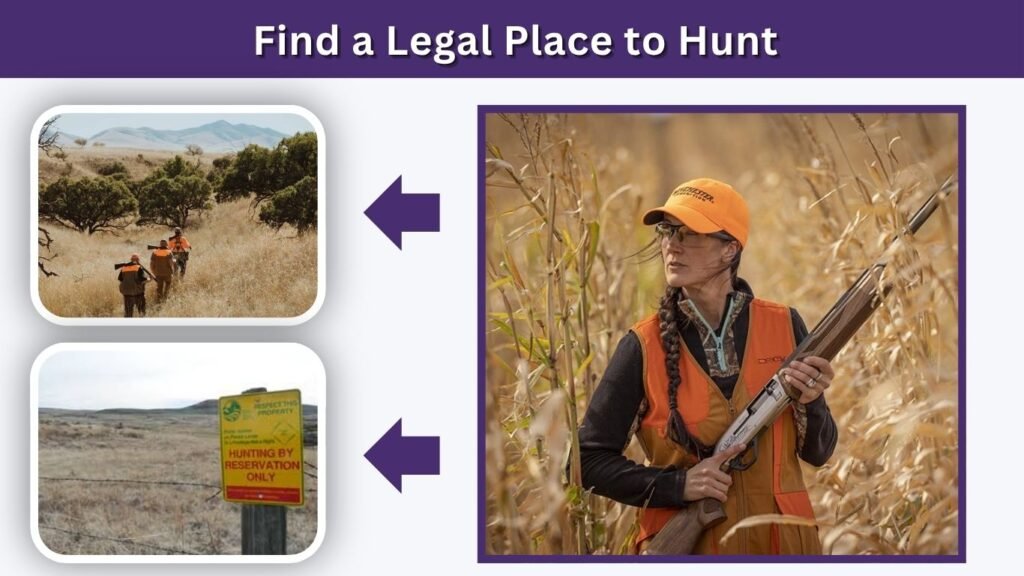
Finding a suitable hunting location is another important step for beginners. Hunting opportunities may be available on designated public lands, approved private properties, and managed hunting areas. However, access rules differ between locations, and not every outdoor area permits hunting.
Public Land vs. Private Land Hunting
Public hunting lands can provide affordable opportunities, but hunters must follow local access restrictions and regulations.
Private land hunting generally requires permission from the property owner.
Before entering any hunting area, confirm property boundaries, legal access routes, and permitted hunting activities.
Learn About Hunting Seasons
Hunting seasons vary depending on species, location, and wildlife management regulations.
Deer, turkey, waterfowl, and small-game seasons may have different dates and harvest limits.
Consult official hunting regulations annually because dates, permit requirements, and restrictions can change.
How to Prepare for Your First Hunting Trip
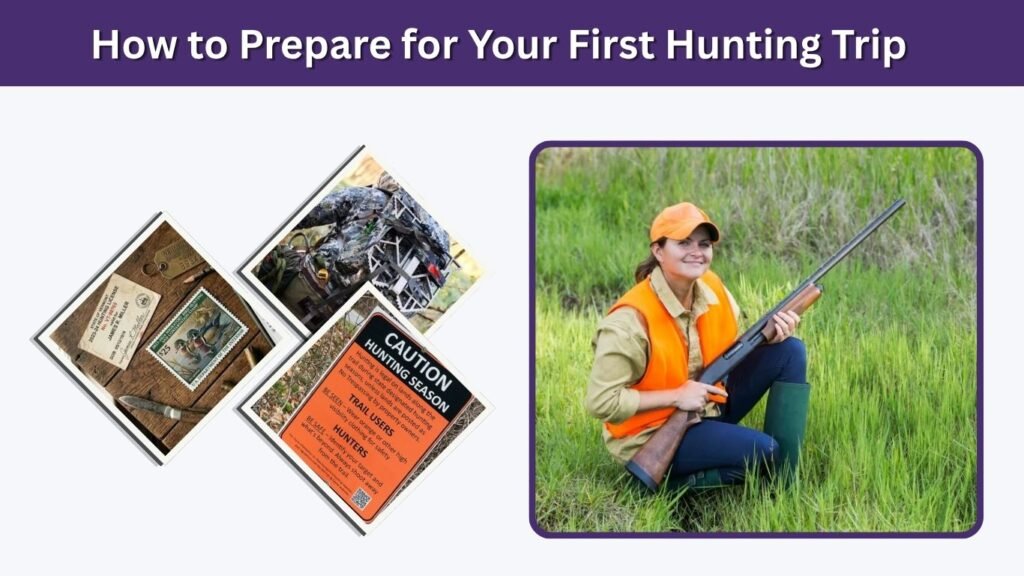
Preparation helps beginners feel more confident and reduces avoidable risks. Before heading outdoors, become familiar with the terrain, weather conditions, wildlife habitat, and emergency procedures. Planning your first trip with an experienced mentor can make the experience safer and more educational.
Practice Hunting Skills Before Going Outdoors
Spend time learning wildlife identification, navigation, and basic outdoor survival skills.
Practice safe equipment handling at approved training facilities under qualified supervision.
Visit legal hunting areas before the season to understand terrain features, access points, and potential hazards.
First Hunting Trip Checklist
- Confirm the hunting season and legal hunting hours.
- Carry valid licenses and required permits.
- Check the local weather forecast.
- Inspect all hunting and safety equipment.
- Pack drinking water, food, and emergency supplies.
- Review navigation routes and property boundaries.
- Tell someone your location and expected return time.
- Arrange supervision or mentorship when possible.
Hunting Safety Rules Every Beginner Should Know
Hunting safety should always be the highest priority. Firearms, bows, uneven terrain, wildlife, and changing weather can create significant hazards. Following established safety practices protects hunters and everyone sharing the outdoors.
Essential Hunting Safety Tips
- Treat Every Firearm as Loaded: Handle firearms with consistent caution.
- Control Muzzle Direction: Keep firearms pointed in a safe direction.
- Keep Your Finger Off the Trigger: Avoid touching the trigger until ready to fire.
- Identify Your Target: Know exactly what you are aiming at and what lies beyond it.
- Wear Required Safety Clothing: Follow blaze orange regulations.
- Avoid Alcohol and Drugs: Never hunt while impaired.
- Unload When Appropriate: Unload firearms before crossing fences or other obstacles.
Tree Stand and Outdoor Safety
Tree stand hunting requires special precautions because falls can cause severe injuries.
Use a properly fitted full-body fall-arrest harness and follow the manufacturer’s instructions.
Avoid unsafe weather conditions and carry reliable communication equipment. Beginners should receive hands-on instruction before using elevated hunting positions.
Learn Ethical Hunting and Wildlife Conservation

Responsible hunting involves respecting wildlife, following regulations, and minimizing environmental damage. Beginners should understand that ethical hunting includes preparation, responsible decisions, proper game handling, and respect for other outdoor visitors.
Practice Responsible Hunting
Always follow harvest limits, land access rules, and wildlife protection regulations.
Avoid disturbing protected animals or damaging sensitive habitats.
Learn humane hunting principles from qualified instructors and recognize situations where taking a shot would be unsafe or irresponsible.
Learn Proper Game Handling
Before your first hunt, learn how to recover, field dress, transport, and store harvested game safely.
Attend a field-to-table workshop or receive instruction from an experienced hunter.
Proper meat handling reduces spoilage, helps prevent illness, and minimizes unnecessary waste.
How Much Does It Cost to Start Hunting?
The cost of beginning hunting depends on licenses, equipment, training, travel, and hunting location. Some beginners can start with relatively modest expenses, particularly when they already own suitable outdoor clothing or have access to mentorship programs.
Ways to Start Hunting on a Budget
Look for affordable hunter education courses, beginner workshops, and public hunting opportunities.
Purchase essential equipment gradually rather than buying everything immediately.
Local hunting clubs and wildlife agencies may offer introductory programs that help beginners learn without making major investments.
FAQs
1. Can You Start Hunting Without Experience?
Yes, beginners can start hunting without previous experience by completing appropriate education and obtaining required licenses. Learning from an experienced mentor is strongly recommended. Practicing safety skills, understanding wildlife behavior, and becoming familiar with local regulations can help prepare you for your first hunt.
2. What Is the Easiest Hunting to Start With?
Small-game hunting, such as squirrel or rabbit hunting, can provide accessible learning opportunities where legally permitted. However, the easiest option depends on local wildlife, available hunting locations, and personal experience. Supervised beginner hunting programs can make the learning process safer and easier.
3. How Old Do You Have to Be to Start Hunting?
Minimum hunting ages vary by state, country, hunting method, and license category. Some locations allow younger hunters to participate under adult supervision, while others have specific age restrictions. Always check official regulations and hunter education requirements before taking a minor hunting.
4. Can You Start Hunting Without Owning Land?
Yes, many hunters use legally accessible public hunting lands or obtain permission to hunt on private property. Public wildlife management areas may provide hunting opportunities, although restrictions vary. Always verify hunting permissions, access boundaries, and applicable regulations before visiting a location.
5. How Long Does It Take to Learn Hunting?
Learning basic hunting safety and regulations may take several days or weeks, depending on training opportunities. However, developing wildlife knowledge, field skills, and confidence requires continued practice. Hunting with experienced mentors and participating in educational programs can help beginners improve gradually.
