
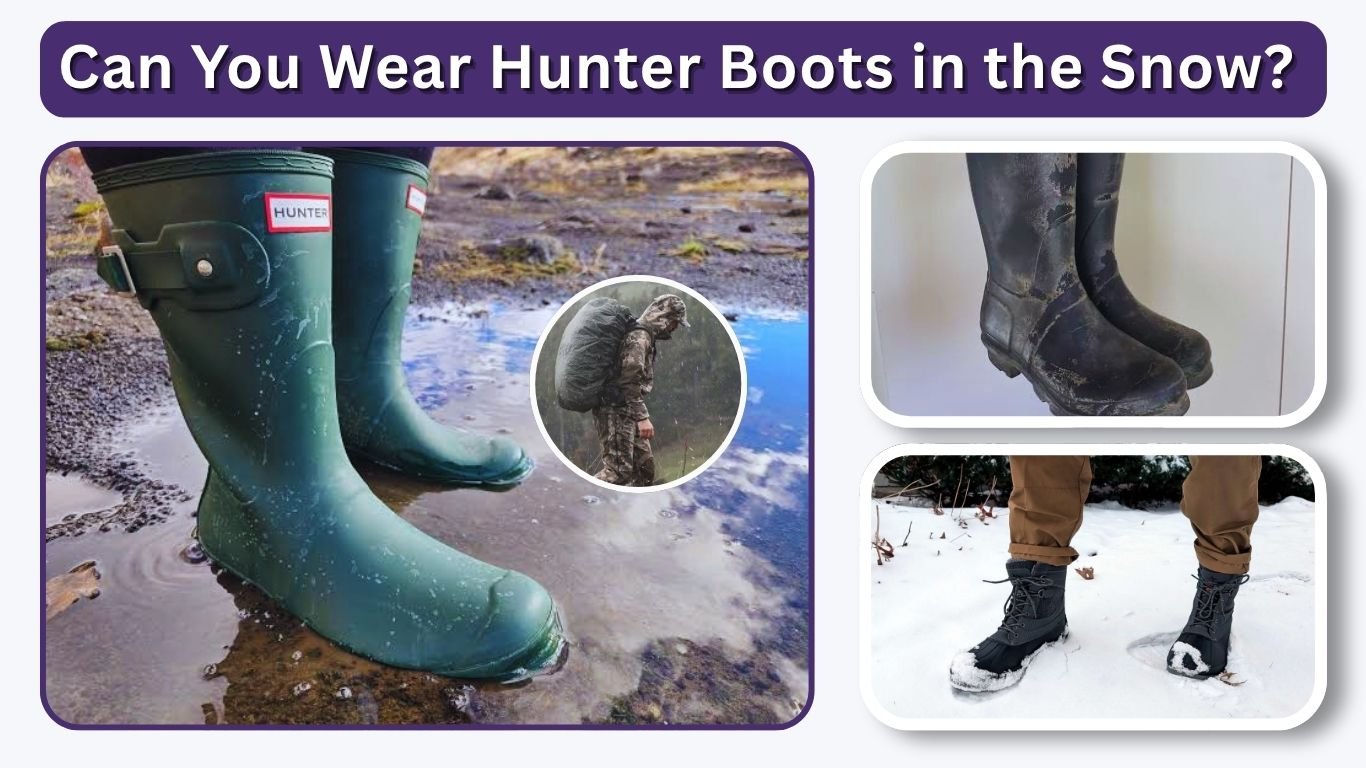
Can you wear Hunter boots in the snow, or are they only suitable for rainy weather? Hunter boots are popular for their waterproof construction, comfortable fit, and classic appearance. However, snowy conditions create different challenges than ordinary rain, especially when temperatures drop below freezing. Although some Hunter boots can handle light snow and slush, others may not provide enough warmth or traction for winter activities. Understanding their insulation, grip, and cold-weather limitations can help you decide whether Hunter rain boots are suitable for snowy days.
Can You Wear Hunter Boots in the Snow?
Yes, you can wear Hunter boots in the snow, especially during mild winter conditions with light snowfall or wet slush. Their waterproof rubber construction helps keep moisture away from your feet. However, standard Hunter rain boots are not designed to provide the same insulation and winter traction as dedicated snow boots.
Are Hunter Rain Boots Suitable for Snow?
Hunter rain boots can be useful for short walks through shallow snow, wet sidewalks, and slushy streets. Their waterproof exterior prevents melting snow from soaking through the rubber.
However, most classic Hunter rain boots have relatively thin textile linings rather than substantial thermal insulation. This means your feet may become cold during extended outdoor activities.
For occasional snowy weather, they can be practical when combined with appropriate winter socks. For prolonged exposure to freezing temperatures, insulated footwear is usually a better choice.
Can You Wear Hunter Boots in Deep Snow?
Standard Hunter rain boots are not ideal for deep snow, particularly when snow levels approach or exceed the tops of the boots.
Snow can enter through the opening, melt inside, and leave your socks wet. Deep snow also makes walking more difficult, especially when the surface is uneven or slippery.
Dedicated snow boots with insulation, suitable tread, and protective collars are generally more appropriate.
Are Hunter Rain Boots Warm Enough for Winter?

Hunter rain boots provide excellent waterproof protection, but waterproofing and insulation are different features. Standard models mainly protect against external moisture, while insulated versions include additional materials to retain warmth. Understanding these differences is important before wearing Hunter boots in freezing weather, particularly if you expect to remain outdoors for extended periods.
Do Hunter Boots Have Insulation?
Most traditional Hunter Original rain boots feature rubber exteriors and textile linings without substantial insulation.
These materials help keep water out but do not necessarily maintain comfortable foot temperatures during prolonged winter exposure.
Hunter also offers insulated models designed specifically for colder conditions. For example, its Original Insulated Tall Rain Boots have a faux-fur lining and a stated warmth rating down to approximately -5°C.
Always check the specifications of your particular model.
How Cold Is Too Cold for Hunter Rain Boots?
There is no single temperature limit that applies to every Hunter boot.
Standard uninsulated rain boots can feel uncomfortable around freezing temperatures, especially when worn with thin socks or during long periods of inactivity.
Insulated Hunter models may be suitable for colder conditions, depending on their construction and stated temperature rating.
Wind, moisture, circulation, activity level, and individual cold tolerance also influence comfort.
Do Hunter Boots Have Good Traction in Snow and Ice?
Traction is one of the most important considerations when wearing Hunter boots in winter. Their rubber outsoles are designed to provide grip on wet pavement, muddy ground, and ordinary outdoor surfaces. However, snowy sidewalks and frozen pathways create different slipping hazards, and not every Hunter model offers the same level of winter traction.
Are Hunter Boots Slippery on Ice?
Yes, Hunter rain boots can be slippery on ice, particularly models designed primarily for rain rather than winter conditions.
Their tread patterns may provide reasonable grip on wet surfaces and some snow, but smooth ice requires more specialized traction.
Even winter boots with aggressive tread can slip on ice. Footwear fitted with appropriate ice traction devices may be necessary in hazardous conditions.
How to Improve Traction While Wearing Hunter Boots
Several precautions can make walking in snow safer.
- Walk slowly and take shorter steps on slippery surfaces.
- Avoid polished ice and steep frozen pathways.
- Check your boot soles for worn or damaged tread.
- Use compatible removable traction devices where appropriate.
- Keep your hands free to maintain balance.
- Choose cleared pathways whenever possible.
Never assume that waterproof rubber boots automatically provide reliable ice traction.
Which Hunter Boots Are Best for Snow?

Hunter produces several types of boots, including classic rain boots, insulated rain boots, and dedicated winter footwear. Each category offers different levels of warmth, waterproofing, and traction. Selecting the right model depends on whether you expect occasional snow, frequent slush, or consistently freezing temperatures. The most appropriate choice is not always the tallest or thickest boot.
Hunter Original Tall Rain Boots
Hunter Original Tall Rain Boots are designed primarily for wet-weather protection.
Their natural rubber construction makes them suitable for rain, puddles, and slush. The tall shaft can also help prevent shallow snow from reaching your socks.
However, standard versions have limited insulation. They are generally better for mild winter weather than prolonged exposure to freezing conditions.
Hunter Original Insulated Rain Boots
Hunter’s insulated rain boots provide additional warmth while retaining waterproof protection.
Certain models include faux-fur linings that improve comfort in cold weather. These boots are more practical than standard rain boots when temperatures are low.
Nevertheless, buyers should check each model’s temperature rating and outsole design before relying on it for snowy conditions.
Hunter Snow Boots
Dedicated Hunter snow boots are generally the better option for regular winter use.
Depending on the model, they may include insulated linings, protective collars, and outsoles intended for snowy environments.
Hunter’s Thunor Insulated Snow Boots, for example, combine waterproof construction with a fleece lining and a ridged rubber outsole.
How to Wear Hunter Rain Boots in the Snow
You can make Hunter rain boots more comfortable during occasional snowy weather by wearing appropriate socks and choosing suitable walking conditions. However, layering cannot transform an uninsulated rain boot into a fully insulated winter boot. Proper fit also matters because excessively tight footwear can interfere with circulation and make cold feet more uncomfortable.
Wear Warm Winter Socks
Choosing suitable socks can improve comfort during winter.
- Merino wool socks: Help provide warmth while managing moisture.
- Thermal socks: Offer additional insulation for colder days.
- Hunter boot socks: Compatible liners may improve comfort and add some warmth.
- Moisture-wicking socks: Help reduce moisture accumulation inside the boots.
- Properly fitted socks: Prevent excessive tightness and discomfort.
Avoid wearing so many layers that your feet become compressed inside the boots.
Choose the Right Boot Size
Hunter rain boots should provide enough room for your toes to move comfortably.
If you intend to wear thick winter socks, try the boots with those socks before choosing a size. A tight fit can reduce comfort and restrict circulation.
Hunter generally recommends checking the specific sizing guide for each model.
Can Snow Damage Hunter Boots?

Hunter boots are made from durable materials, but repeated exposure to harsh winter conditions can influence their appearance and lifespan. Natural rubber can become less flexible in cold temperatures, and road salt may leave deposits on the exterior. Proper cleaning and storage help maintain the boots after snowy-weather use.
Does Cold Weather Affect Hunter Rubber Boots?
Extreme cold can make rubber less flexible, potentially increasing the risk of damage when it is repeatedly bent or stressed.
The actual effect depends on the rubber compound, boot construction, and severity of the temperature.
Avoid forcing stiff, frozen boots into unusual shapes. Allow them to return gradually to room temperature before cleaning and storing them.
How to Clean Hunter Boots After Snow
Regular maintenance can help protect your boots.
- Remove snow and loose dirt after wearing them.
- Wipe away road salt with water and a soft cloth.
- Use mild soap when necessary.
- Let the boots dry naturally at room temperature.
- Avoid radiators, heaters, and direct high heat.
- Store boots upright in a cool, dry location.
Do not leave rubber boots folded or tightly compressed during storage.
Hunter Rain Boots vs. Snow Boots: Which Is Better?
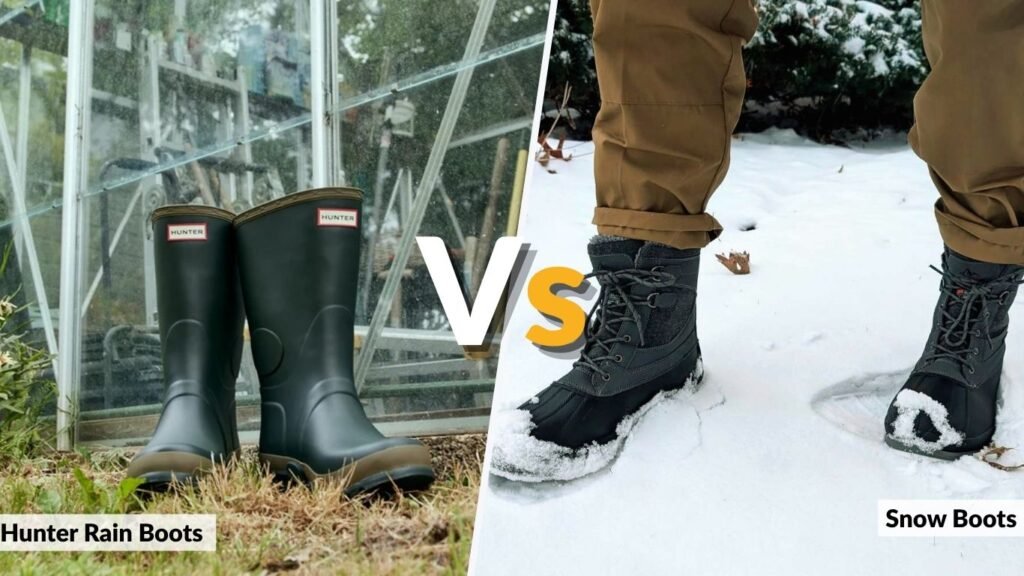
Hunter rain boots and dedicated snow boots serve different purposes. Rain boots prioritize waterproof protection, while snow boots generally combine moisture protection with insulation and winter-oriented traction. The best footwear depends on the temperature, walking conditions, and time spent outdoors.
| Feature | Hunter Rain Boots | Insulated Snow Boots |
| Waterproof protection | Excellent | Varies by model |
| Warmth | Limited in standard models | Generally better |
| Light snow | Often suitable | Suitable |
| Deep snow | Less suitable | Usually better |
| Ice traction | Limited | Varies; ice remains hazardous |
| Winter walking | Best for mild conditions | Better for prolonged cold |
When Should You Choose Hunter Rain Boots?
Hunter rain boots are suitable for mild winters, short walks, rainy days, and occasional light snowfall.
They are particularly useful when temperatures are relatively comfortable and the main concern is wet ground rather than extreme cold.
When Should You Choose Snow Boots Instead?
Choose insulated snow boots when temperatures remain below freezing, snow is deep, or you expect to spend several hours outside.
For icy sidewalks, prioritize footwear with verified winter traction characteristics rather than relying on insulation alone.
FAQs
1. Can You Wear Hunter Rain Boots in the Snow?
Yes, Hunter rain boots can be worn in light snow and slush. Their waterproof rubber construction keeps moisture out, but standard models provide limited insulation. For extended outdoor activities or particularly cold conditions, dedicated insulated snow boots are generally a more comfortable choice.
2. Are Hunter Boots Good for Walking on Ice?
Standard Hunter rain boots are not ideal for walking on ice. Although their rubber outsoles provide traction on wet ground, frozen surfaces can remain extremely slippery. Choose footwear designed for icy conditions and consider appropriate traction devices when necessary.
3. Can You Wear Hunter Boots Below Freezing Temperatures?
Some Hunter boots can be worn below freezing, especially insulated models with stated cold-weather ratings. However, standard rain boots may not provide sufficient warmth. Temperature tolerance varies by model, so checking the manufacturer’s specifications is important before wearing them in freezing conditions.
4. Can You Wear Thick Socks With Hunter Boots in Winter?
Yes, thick wool or thermal socks can improve warmth when wearing Hunter boots during winter. Choose socks that fit comfortably without squeezing your feet. Overly tight socks can reduce circulation, so proper boot sizing is important for maintaining warmth and comfort.
5. Are Hunter Boots Better Than Regular Snow Boots?
Hunter rain boots are excellent for rainy weather and wet surfaces, but dedicated snow boots generally provide better insulation for winter conditions. For occasional light snow, Hunter rain boots may be sufficient. For frequent snowfall, freezing temperatures, and extended outdoor activities, insulated snow boots are usually preferable.
