
The best time to hunt deer is usually around dawn and dusk, when whitetails are naturally more active, but the most productive window changes throughout the season. Early-season feeding patterns, the rut, hunting pressure, weather, food availability, and wind can all influence when deer move during legal hunting hours. During the rut, bucks may even travel throughout the middle of the day. Understanding these daily and seasonal patterns can help you choose better hunting times instead of relying only on sunrise and sunset.
What Is the Best Time to Hunt Deer?
For whitetail deer, the hours around dawn and dusk generally offer the most consistent movement. Whitetails are crepuscular, meaning activity tends to peak around twilight. Mississippi State University research on GPS-collared adult bucks found the greatest feeding, tending, and walking activity around dawn and dusk, although bucks also moved during daytime hours.
Best Hunting Times at a Glance
Useful general windows include:
- Early morning: Around legal shooting light through the first few hours after sunrise
- Late afternoon: Several hours before sunset through legal shooting light
- Early season: Evenings near food can be especially productive
- Pre-rut: Morning and evening travel increases
- Rut: Consider hunting throughout the day
- Late season: Focus on food sources, especially in the afternoon
- After major weather changes: Watch for renewed feeding activity
Always follow your area’s official season dates and legal shooting hours.
Why Dawn and Dusk Are Productive
Whitetails commonly alternate between feeding and bedding areas. Twilight often overlaps with these movements.
GPS research from Mississippi State found adult bucks were least likely to be bedded around dawn and dusk and considerably more likely to be feeding, tending does, or walking during these periods.
Is Morning or Evening Better for Deer Hunting?
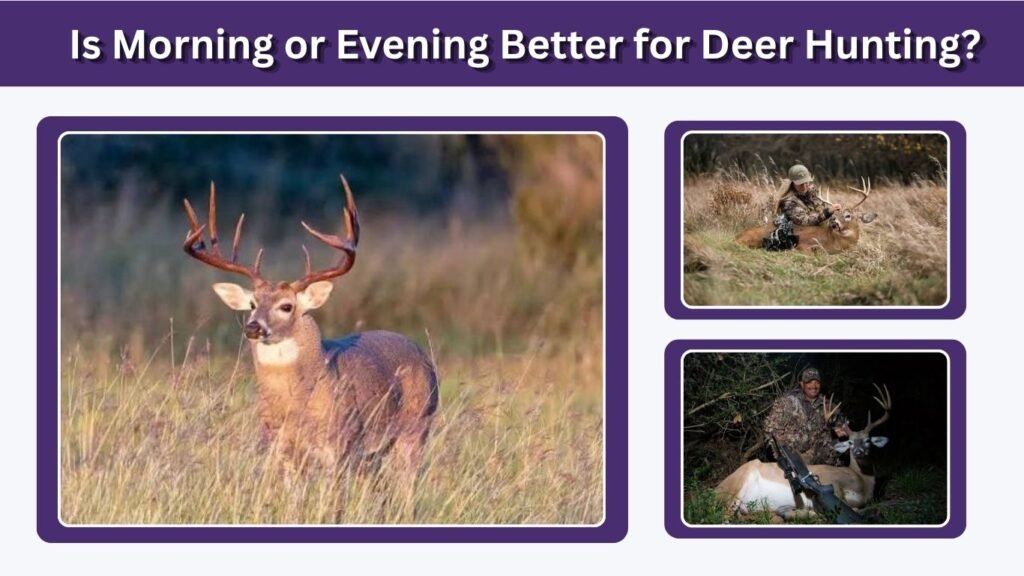
There is no universal winner between morning and evening. The better choice depends on the season, bedding locations, food sources, access routes, and current deer patterns. An evening setup can be excellent when deer consistently move toward feeding areas before dark, while mornings can provide opportunities as animals transition toward daytime cover.
Morning Deer Hunting
Morning hunts can be effective when you can enter without disturbing deer that are already feeding or traveling.
The first hours after sunrise can catch animals returning toward bedding cover. During the rut, mornings may remain productive longer because bucks are searching for receptive does rather than following a strict feeding-to-bedding pattern.
Evening Deer Hunting
Evenings are often easier to pattern, especially early and late in the season. Deer that have rested for much of the day may begin moving toward food before darkness.
A stand positioned along a travel route between secure bedding cover and an evening feeding location can intercept deer before they reach open ground.
Choosing Between Morning and Evening
Rather than automatically choosing one, base your decision on recent sign and observations.
If deer consistently reach a food source before dark, an evening sit may offer the stronger opportunity. If trail observations show movement shortly after sunrise near bedding cover, mornings may be more productive.
Best Time to Hunt Deer During the Rut
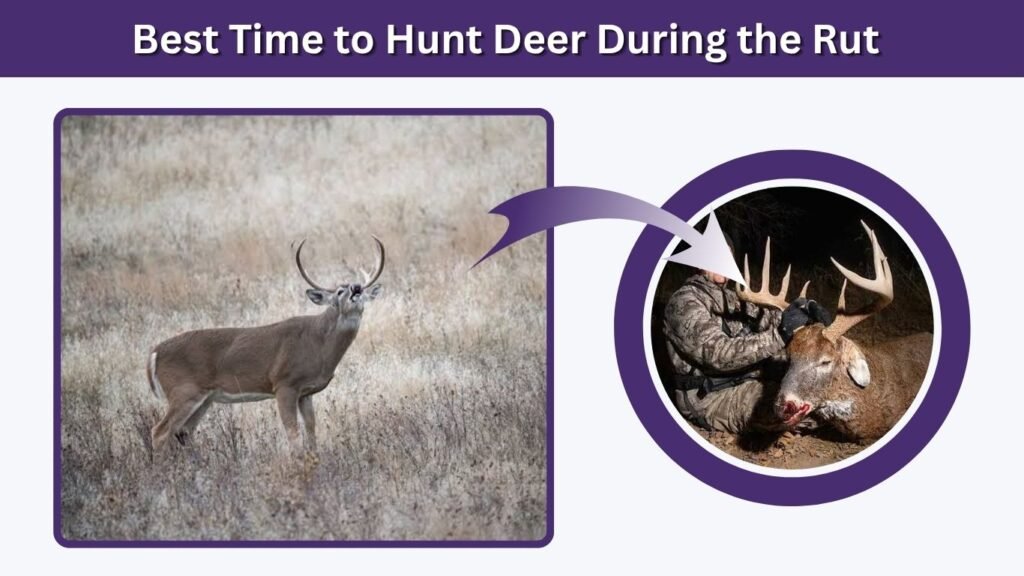
The rut can dramatically change buck movement. Instead of concentrating almost entirely on familiar food and bedding routines, mature bucks travel farther while searching for receptive does. Mississippi State GPS research found adult bucks spent less time bedded and more time walking during early and peak rut, making this one of the best periods for daytime buck movement.
Deer Hunting During Each Rut Phase
Consider these broad patterns:
- Pre-rut: Bucks increase scraping, rubbing, and searching behavior.
- Early rut: Buck movement rises as more do approach estrus.
- Peak rut: Bucks may travel considerable distances while searching and breeding.
- Late rut: Activity continues but begins declining as fewer receptors remain.
- Post-rut: Feeding and recovery become more important again.
Research found walking activity increased during early and peak rut compared with the pre- and post-rut periods.
Is Midday Hunting Worth It During the Rut?
Yes. The rut is one of the strongest reasons to stay in the woods beyond the traditional morning window.
Although activity still peaks near twilight, bucks can move during daylight while searching for does. Mississippi State researchers specifically note that hunters who leave after only two or three hours may miss opportunities because bucks continue moving throughout the day.
When Does the Rut Happen?
Rut timing depends heavily on location. It should not be assumed that every region peaks during the same week.
Photoperiod plays a major role in breeding timing, while the actual peak varies geographically—particularly across the broad north-to-south range of whitetails. Local wildlife-agency breeding data are therefore more useful than a nationwide rut date.
Best Time to Hunt Deer by Season
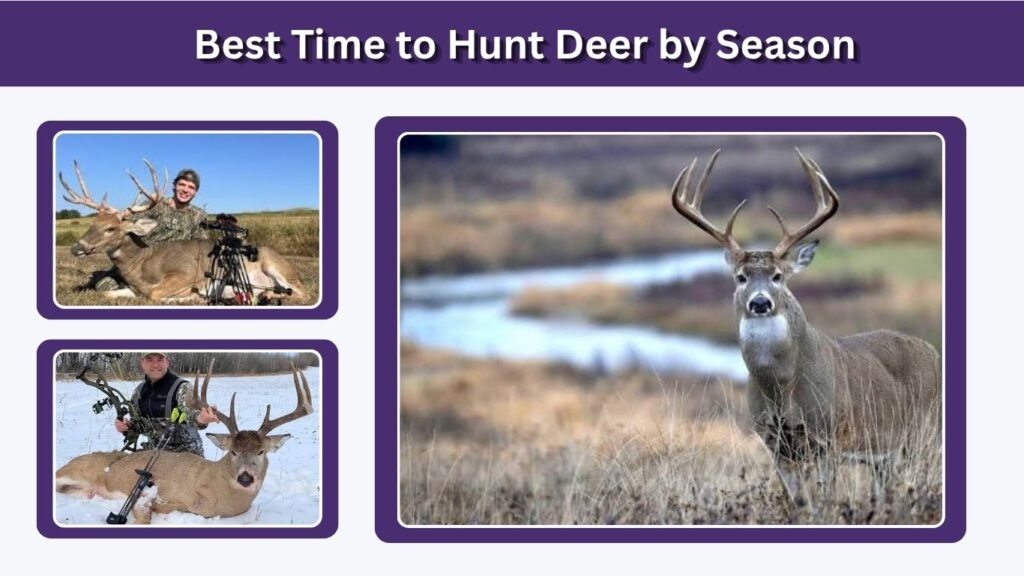
Deer behavior changes from opening season through winter. Food availability, breeding activity, hunting pressure, temperature, and energy requirements all influence movement. Instead of using the same strategy throughout the season, hunters can improve timing by understanding what deer are primarily trying to accomplish during each period.
Early Season
During the early season, food-to-bed patterns can be relatively predictable.
Evening hunts can be productive around travel routes leading toward agricultural fields, mast, browse, or other preferred foods. Morning access requires more caution because entering before daylight can disturb deer already feeding.
October and Pre-Rut
As autumn advances, buck behavior begins changing. Rubs and scrapes become increasingly noticeable, and bucks may expand their movements.
Morning opportunities often improve during this period, particularly along travel corridors connecting bedding areas, doe groups, and feeding locations.
November and the Rut
Across many northern whitetail populations, November is associated with intense rut activity, though regional breeding dates vary.
This is a time when an all-day hunt can make sense. Bucks that normally move mainly near twilight may appear during late morning or afternoon while searching for does.
Late Season
After the rut, surviving bucks need to recover energy. Food becomes increasingly important, particularly during cold conditions.
Late-afternoon setups near dependable feeding areas can therefore become productive again. The challenge is approaching without disturbing deer already using nearby bedding cover.
Weather, Wind and Deer Movement
Weather can influence how comfortable deer are moving at particular times, but no single temperature, pressure reading, or weather app can guarantee deer activity. Changes in weather can stimulate movement, while breeding timing itself is not simply switched on by a cold front. Rut timing remains strongly tied to seasonal biological cycles.
Weather Factors Worth Watching
Pay attention to:
- Temperature changes
- Wind direction
- Wind strength
- Approaching or departing storms
- Heavy rain or snow
- Rapidly changing conditions
- Seasonal cold fronts
Wind deserves special attention because deer rely heavily on scent. A promising location can become a poor setup when your scent blows toward the direction from which deer are expected.
Hunting After a Weather Front
Periods following uncomfortable weather can sometimes produce increased feeding movement.
For example, deer that reduced activity during severe wind, heavy rain, or another disruptive event still need to feed. Once conditions improve, checking known feeding and travel areas can be worthwhile.
Does the Moon Determine the Best Deer Hunting Time?
Moon-phase calendars are popular among deer hunters, but evidence does not support treating moon phase as a dependable stand-alone predictor of buck movement. GPS research at Mississippi State examined moon-related theories while accounting for factors such as the rut and hunting pressure and found much weaker support for lunar predictions than hunting folklore sometimes suggests.
Full Moon vs. New Moon
A full moon does not automatically mean deer will move only at night, nor does a new moon guarantee exceptional daylight activity.
Deer must move regularly to meet nutritional needs. Research tracking bucks showed movement occurring every day during both daytime and nighttime periods.
Focus on Stronger Clues
Instead of scheduling hunts solely around moon phases, prioritize known deer movement patterns, rut stage, food sources, wind, recent observations, access routes, and hunting pressure.
These factors provide more actionable information about where deer may be and when they may travel.
How Hunting Pressure Changes Deer Movement
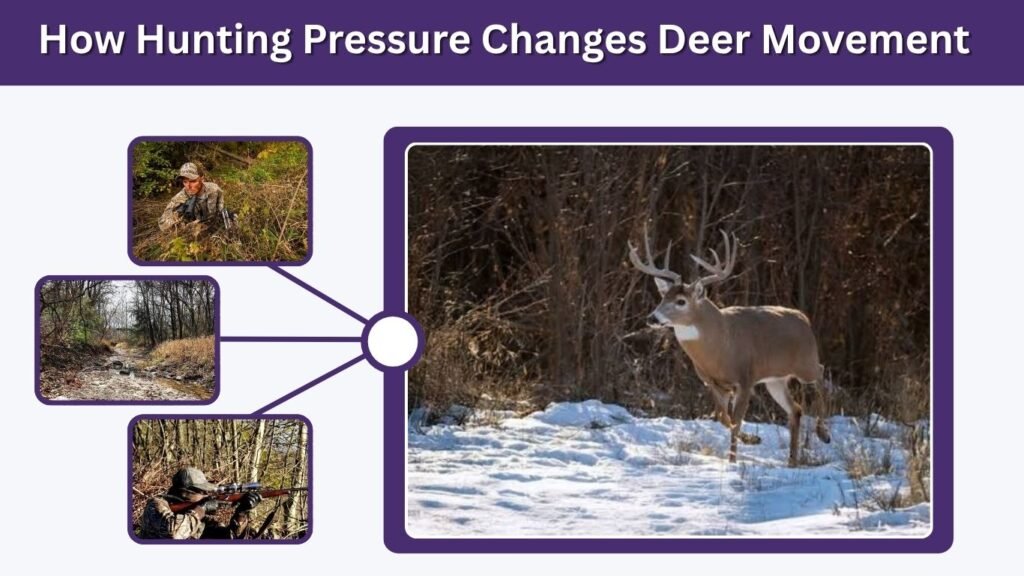
Hunting pressure can alter where and when deer feel comfortable moving. Deer exposed repeatedly to people may avoid frequently disturbed locations or shift toward thicker and less accessible cover. Penn State research using GPS-collared deer has documented changes in how deer use the landscape during hunting seasons.
Reduce Unnecessary Disturbance
A few practical principles include:
- Avoid repeatedly entering bedding cover.
- Use access routes that limit scent and noise.
- Match your setup to the wind.
- Avoid overhunting one location.
- Pay attention to changes in fresh tracks and sign.
- Consider overlooked cover when pressure increases elsewhere.
- Check legal hunting hours before every hunt.
Being in a productive location without alerting deer is often more important than arriving at a supposedly perfect minute.
FAQs
The best time to hunt deer depends on both predictable biological patterns and local conditions. Dawn and dusk remain dependable starting points, but the rut can create daytime movement, while late-season food patterns may make afternoons particularly valuable. Local regulations, rut dates, habitat, and recent observations should always be considered.
1. What is the best time of day to hunt deer?
Dawn and dusk are generally the most consistent periods because whitetails show strong crepuscular activity. Adult-buck GPS studies have documented peaks in feeding, tending, and walking around these twilight periods.
2. Is morning or evening better for deer hunting?
Both can be productive. Evenings often work well around feeding patterns, while mornings can catch deer moving toward bedding areas. Rut conditions can make mornings and midday more productive than usual.
3. What is the best time to hunt whitetail deer during the rut?
Early and peak rut are especially valuable because bucks increase their movements while searching for receptive does. Research has recorded substantially greater walking during these rut stages.
4. Should you deer hunt all day during the rut?
It can be worthwhile. Bucks still show dawn-and-dusk activity peaks, but breeding behavior increases daytime movement, so staying out through midday can create opportunities that a short morning hunt misses.
5. Does a full moon change the best time to hunt deer?
Moon phase alone is not a reliable predictor of the best hunting time. GPS-based research has found little support for using lunar phase as the primary basis for deciding when bucks will move.
