
An African hunting safari offers a unique combination of adventure, wildlife, and guided outdoor experiences across some of the world’s most famous hunting destinations. From South Africa’s plains game ranches to remote wilderness areas in Zimbabwe and Namibia, safari hunting attracts travelers looking for both excitement and professionally guided hunts. Costs, accommodations, hunting styles, and available species can vary greatly depending on the destination and outfitter. Understanding safari packages, pricing, regulations, and preparation tips can help hunters choose the right African safari experience for their budget and skill level.
What Is an African Hunting Safari?
An African hunting safari is a professionally guided hunting trip conducted in legal hunting areas across Africa. These safaris are managed by licensed outfitters and professional hunters who guide clients through designated game reserves, ranches, or wilderness concessions.
History of Hunting Safaris in Africa
Hunting safaris in Africa became internationally known during the late nineteenth and early twentieth centuries. Early explorers and hunters traveled across Africa searching for large game species and documenting wildlife encounters.
Over time, safari hunting evolved into a structured tourism industry with regulated hunting laws, professional guides, and conservation programs. Today, modern hunting safaris are heavily controlled by wildlife management regulations in many African countries.
In several regions, hunting tourism also contributes financially to conservation programs, anti-poaching efforts, and rural economies.
How Hunting Safaris Work
Modern African hunting safaris are usually organized by safari outfitters who provide nearly every aspect of the trip.
A typical safari often includes:
- Professional hunting guides
- Transportation within the hunting area
- Meals and accommodations
- Hunting permits and licenses
- Trophy preparation services
Most hunting days begin early in the morning, with guides tracking or scouting game in open plains, bushveld, or mountainous terrain.
The style of hunting may vary depending on the species and location. Some safaris involve long tracking sessions on foot, while others use spot-and-stalk methods across large private ranches or concessions.
Why Africa Is Popular for Hunting Safaris
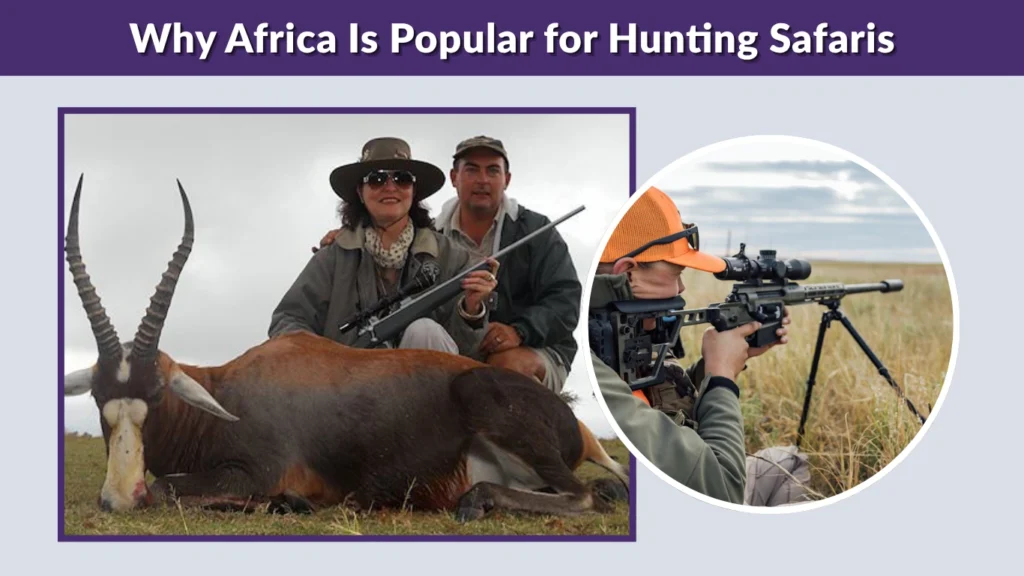
Africa remains one of the world’s most famous hunting destinations because of its wildlife diversity, large hunting areas, and iconic safari experience.
Diverse Wildlife Species
African hunting safaris offer access to an incredible range of game species. Hunters often travel specifically for opportunities to pursue animals that are not found elsewhere.
Popular safari animals include:
- Kudu
- Impala
- Wildebeest
- Gemsbok
- Zebra
- Cape buffalo
Some countries also offer dangerous game hunting for species such as buffalo, lion, or elephant where legally permitted.
The variety of species available is one reason Africa attracts both beginner hunters and experienced international safari enthusiasts.
Unique Safari Experience
Beyond the hunting itself, African safaris provide a unique travel experience filled with dramatic scenery and wildlife encounters.
Hunters often experience:
- Open savannas and bushveld landscapes
- Luxury safari lodges
- Remote wilderness camps
- Local cultural experiences
- Wildlife viewing outside the hunt
Many safari lodges combine comfort with traditional safari atmosphere, offering guided hunts during the day and luxury accommodations at night.
This combination of adventure and travel is one reason African hunting safaris remain highly popular.
Best African Countries for Hunting Safaris
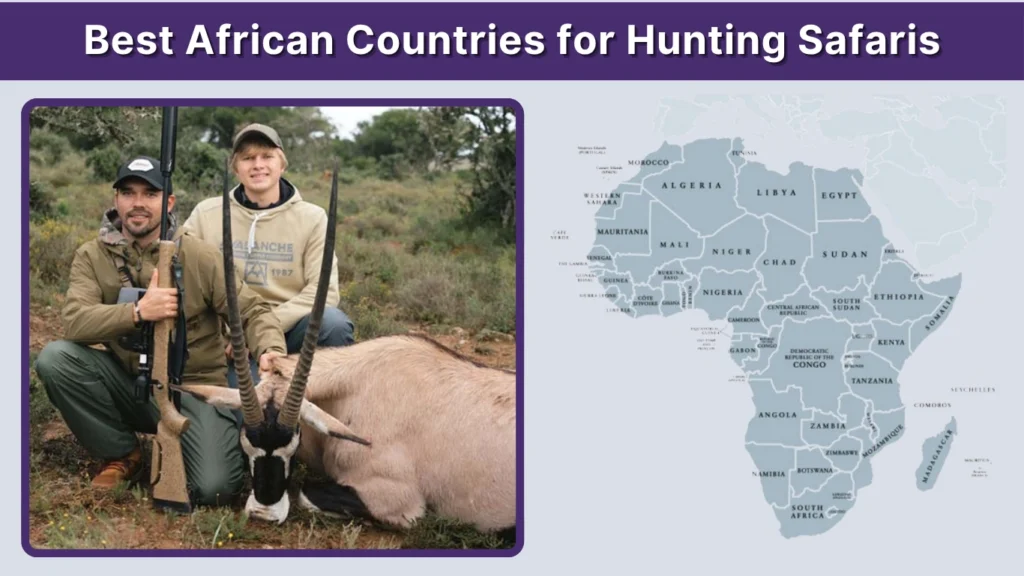
Several African countries are internationally recognized for safari hunting because of their wildlife populations, hunting regulations, and established outfitter industries.
| Country | Best Known For | Popular Game | Price Range |
| South Africa | Beginner-friendly safaris | Plains game | Moderate |
| Zimbabwe | Dangerous game hunting | Buffalo, elephant | Higher |
| Namibia | Scenic hunting ranches | Antelope species | Moderate |
| Tanzania | Luxury big game safaris | Lion, buffalo | Premium |
| Zambia | Remote safari experience | Dangerous game | Higher |
Each country offers a different safari style and price structure. South Africa is often recommended for first-time safari hunters because of its accessibility and large number of professional outfitters.
Zimbabwe and Tanzania are more commonly associated with dangerous game hunting and remote wilderness safaris, which are usually more expensive.
Namibia is especially popular for scenic plains game hunts and well-managed private ranches.
South Africa Hunting Safaris
South Africa is one of the most popular destinations for African hunting safaris because it offers a wide range of game species, modern safari infrastructure, and hunting packages for different budgets.
Why South Africa Is Popular
South Africa attracts many international hunters because it combines convenience with excellent hunting opportunities.
Major advantages include:
- Well-developed hunting industry
- Large number of safari outfitters
- Wide range of accommodations
- Easier travel logistics
- Strong plains game hunting opportunities
Many hunting ranches in South Africa are privately managed and designed specifically for safari tourism. These properties often include comfortable lodges, experienced guides, and professionally maintained hunting areas.
South Africa is also considered one of the more beginner-friendly African hunting destinations.
Common Animals Hunted
South African safaris commonly focus on plains game species. Hunters can often pursue multiple animals during a single safari package.
Popular species include:
- Kudu
- Impala
- Wildebeest
- Springbok
- Gemsbok
- Warthog
Certain areas also offer buffalo hunting and other dangerous game experiences depending on local regulations and hunting concessions.
South African Safari Hunting Experience
A typical South African hunting safari combines guided hunts with comfortable accommodations and organized travel logistics.
Many safari packages include:
- Daily guided hunts
- Luxury lodge accommodations
- Meals and beverages
- Transportation within the property
- Trophy handling assistance
Some properties also offer additional activities for family members or non-hunting guests, including wildlife photography and sightseeing.
African Hunting Safari Packages
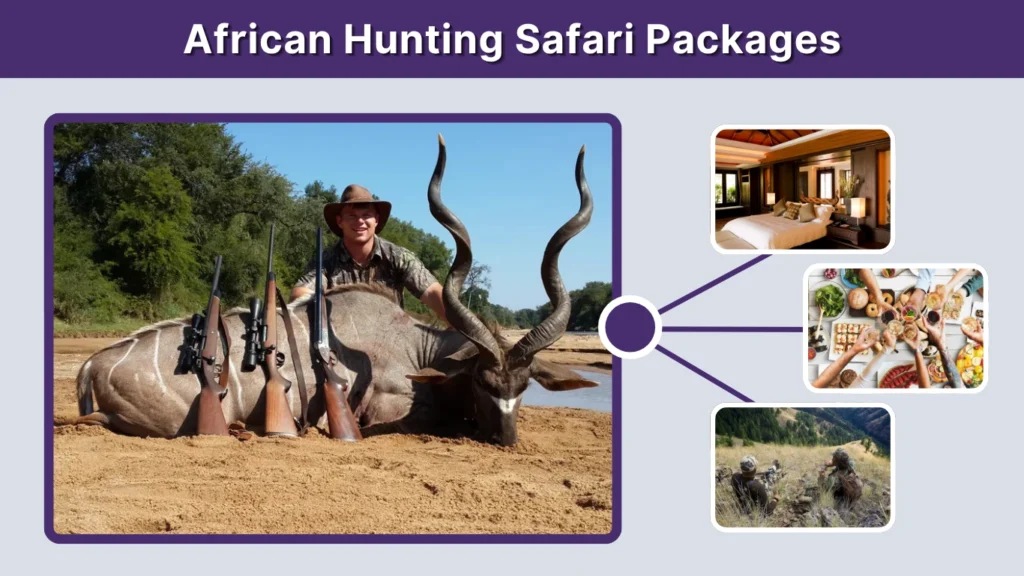
Safari packages are designed to simplify trip planning by combining hunting access, lodging, guides, and transportation into one organized experience.
What Most Packages Include
Although packages vary between outfitters, many include essential safari services.
Common inclusions are:
- Lodging accommodations
- Meals and drinks
- Professional hunting guides
- Transportation on hunting property
- Daily hunting access
Some packages may also include airport transfers and trophy preparation services, although international shipping and taxidermy are often separate costs.
Types of Safari Packages
Different safari packages are designed for different budgets and hunting goals.
Common package types include:
- Plains game packages
- Dangerous game safaris
- Budget hunting packages
- Luxury all-inclusive safaris
Plains game hunts are usually more affordable and popular among first-time visitors. Dangerous game safaris are generally more expensive because they require specialized permits, experienced professional hunters, and higher safety standards.
Luxury safari packages may include private lodges, gourmet meals, premium transportation, and extended guided experiences.
African Hunting Safari Prices
The cost of an African hunting safari depends heavily on destination, species hunted, accommodations, and trip duration. Prices can range from relatively affordable plains game packages to very expensive dangerous game safaris.
Average African Hunting Safari Cost
Budget-friendly safaris are often available for hunters focusing on plains game species in countries like South Africa or Namibia.
Mid-range and premium safaris may include:
- Longer hunting trips
- More species opportunities
- Luxury accommodations
- Remote wilderness access
Dangerous game hunts involving buffalo or other high-profile species are usually significantly more expensive due to permit costs and specialized guiding requirements.
Factors That Affect Price
Several major factors influence overall safari cost.
Important pricing factors include:
- Animal species hunted
- Trophy fees
- Safari duration
- Lodge quality
- Country regulations
Travel expenses, taxidermy, international shipping, and gratuities may also increase the total budget significantly.
African Hunting Safari Cost Breakdown
Understanding safari pricing is important because the advertised package price often does not include every expense associated with the trip. Hunters should carefully review all included and excluded costs before booking.
| Expense | Estimated Cost Range |
| Daily Rates | Moderate to high |
| Trophy Fees | Depends on species |
| Flights | International airfare varies |
| Taxidermy & Shipping | Additional expense |
| Hunting Licenses | Country dependent |
| Tips & Gratuities | Usually expected |
Daily rates usually cover lodging, meals, transportation within the hunting area, and guide services. Trophy fees are separate charges paid for each animal harvested during the safari.
Flights can become a major expense depending on the hunter’s location and destination country. International trophy shipping and taxidermy services may also add significant costs after the hunt is completed.
Carefully planning a realistic budget helps prevent unexpected expenses during or after the safari.
Affordable African Hunting Safaris
Many hunters assume African safaris are only for wealthy travelers, but affordable options are available in several countries. Budget-friendly safari packages often focus on plains game species and shorter trip lengths.
How to Find Budget Safaris
Several strategies can help reduce overall safari costs without sacrificing the experience.
Common money-saving approaches include:
- Choosing plains game hunts instead of dangerous game
- Booking shorter safari durations
- Traveling during off-peak seasons
- Comparing multiple outfitters
- Joining group hunts when available
South Africa is often considered one of the most affordable destinations because of its competitive outfitter market and large number of hunting ranches.
Namibia also offers reasonably priced plains game safaris with scenic landscapes and well-managed hunting areas.
Cheap African Hunting Safari Packages
Affordable safari packages usually focus on commonly available plains game species and simpler accommodations.
Budget packages may include:
- Basic lodge accommodations
- Shared hunting transportation
- Limited species selections
- Shorter hunting schedules
While these safaris may not offer luxury-level amenities, they still provide authentic hunting experiences and access to African wildlife.
Many first-time safari hunters choose affordable plains game hunts before pursuing more expensive dangerous game safaris later.
Best African Hunting Safari Outfitters
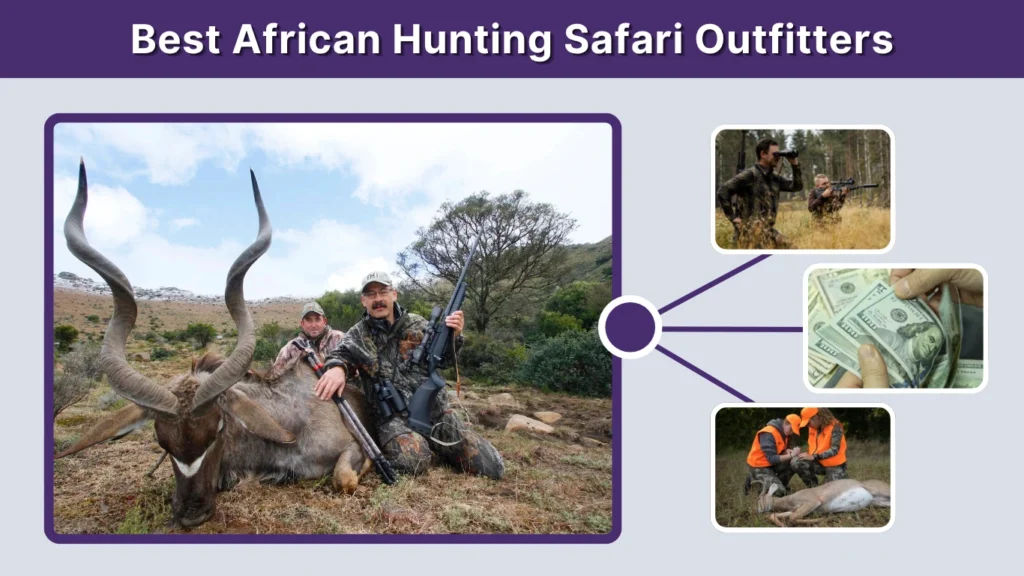
Selecting the right safari outfitter is one of the most important decisions when planning a hunting safari. A professional outfitter helps ensure safety, legal compliance, ethical hunting practices, and overall trip quality.
What Makes a Good Outfitter
Experienced outfitters typically provide organized logistics, knowledgeable guides, and transparent communication before and during the safari.
Important qualities include:
- Licensed professional hunters
- Strong safety standards
- Clear pricing structure
- Positive client reviews
- Ethical hunting practices
A reputable outfitter should also explain hunting regulations, trophy fees, and accommodation details clearly before the safari begins.
Hunters often research reviews and request references from previous clients before booking.
Questions to Ask Before Booking
Asking detailed questions helps avoid misunderstandings and ensures the safari matches the hunter’s expectations.
Important questions may include:
- What is included in the package price?
- Are trophy fees separate?
- What species are available?
- What accommodations are provided?
- Are permits and licenses included?
Understanding these details before travel helps prevent confusion and unexpected expenses later.
African Hunting Safari Reviews
Reviews play an important role when comparing safari outfitters and destinations. Reading feedback from previous clients can provide valuable insight into the quality of guides, accommodations, and hunting opportunities.
- Look for verified customer experiences
- Compare guide professionalism
- Evaluate communication quality
- Research lodging conditions
- Review trophy handling services
Detailed reviews often reveal how organized the safari operation is and whether the outfitter delivers the experience promised in advertisements.
Hunters frequently pay attention to guide knowledge, animal availability, food quality, and overall professionalism when reviewing safari companies.
Plains Game vs Dangerous Game Hunting
African hunting safaris are commonly divided into plains game and dangerous game categories. The difference affects cost, safety requirements, and hunting style.
| Category | Plains Game | Dangerous Game |
| Risk Level | Lower | Higher |
| Typical Animals | Kudu, impala | Buffalo, lion |
| Cost | More affordable | Much more expensive |
| Experience Level | Beginner-friendly | Advanced hunters |
| Hunting Style | Spot and stalk | Intensive guided hunts |
Plains game hunting is generally recommended for first-time safari hunters because it is more affordable and involves less risk.
Dangerous game hunting requires more advanced preparation and is usually conducted under stricter safety procedures with experienced professional hunters.
The higher cost of dangerous game hunts is largely due to permit fees, specialized guides, and remote wilderness concessions.
First African Hunting Safari Tips
Preparing properly for a first safari can improve both comfort and overall success during the trip.
- Research hunting regulations carefully
- Practice shooting before departure
- Understand trophy fee structures
- Pack lightweight safari clothing
- Prepare travel documents in advance
Hunters should also learn about the climate and terrain of their destination country. African safari conditions vary greatly depending on the region and season.
Physical preparation may also help because some hunts involve long walking distances and tracking animals in rough terrain.
What Should You Take on an African Hunting Safari?
Packing properly is important because safari environments can involve heat, dust, long travel distances, and changing weather conditions.
Essential Gear
Common safari equipment includes:
- Comfortable hunting boots
- Binoculars
- Lightweight neutral-colored clothing
- Sun protection
- Medical supplies and medications
Layered clothing is often recommended because mornings may be cool while daytime temperatures become very hot.
Quality boots are especially important for hunters who expect long tracking sessions on foot.
Travel and Documentation
Travel documents are equally important for international safari travel.
Important paperwork may include:
- Passport
- Hunting permits if required
- Firearm documentation
- Travel insurance information
Hunters traveling with firearms should carefully research airline and country regulations before departure.
Family African Hunting Safari Options
Some safari lodges are designed to accommodate both hunters and non-hunting guests, making family safari trips increasingly popular.
Family-Friendly Safari Features
Many family-oriented safari properties offer:
- Luxury accommodations
- Wildlife viewing tours
- Guided sightseeing activities
- Swimming pools and relaxation areas
This allows non-hunting family members to enjoy the safari experience while hunters participate in guided hunts.
Combining Hunting and Vacation Travel
Some travelers combine hunting safaris with additional tourism experiences such as:
- Coastal resort vacations
- National park visits
- Cultural tours
- Photography safaris
South Africa is particularly popular for combination trips because it offers beaches, cities, wineries, and wildlife destinations alongside hunting areas.
Conservation and Ethics of African Hunting Safaris
Modern African hunting safaris often operate under wildlife management systems designed to regulate hunting activity and support conservation funding.
Role of Regulated Hunting
In some countries, hunting tourism contributes financially to:
- Wildlife conservation programs
- Anti-poaching efforts
- Habitat protection
- Rural economic development
Safari operators and governments may use permit systems and quotas to manage wildlife populations responsibly.
Ethical Hunting Considerations
Ethical safari hunting generally involves:
- Following legal hunting regulations
- Respecting wildlife management rules
- Using licensed professional guides
- Supporting fair chase hunting practices
Hunters often research outfitters carefully to ensure the safari operation follows ethical and conservation-focused practices.
Common Myths About African Hunting Safaris
Many misconceptions exist about hunting safaris in Africa, especially among people unfamiliar with modern safari operations.
- Not all safaris involve dangerous game
- Hunting regulations are often very strict
- Many safaris support conservation funding
- Safari prices vary greatly by destination
- South Africa is not the only safari destination
One common myth is that all African hunting safaris are luxury experiences only available to wealthy hunters. In reality, affordable plains game packages are available in several countries.
Another misconception is that hunting occurs without regulation. Most legal safari operations function under permit systems and wildlife management laws.
FAQs
How much does an African hunting safari cost?
Costs vary widely depending on destination, species, and luxury level. Plains game hunts are generally more affordable, while dangerous game safaris can be significantly more expensive.
What is the best country for African hunting safaris?
South Africa is often considered one of the best destinations because it offers strong safari infrastructure, diverse game species, and many outfitter options.
What animals can you hunt on an African safari?
Common safari species include kudu, impala, wildebeest, gemsbok, zebra, buffalo, and other legally managed game animals.
Are African hunting safaris legal?
Yes, hunting safaris are legal in many African countries when conducted under government regulations, permits, and licensed safari operators.
What should I pack for an African hunting safari?
Important items include hunting boots, lightweight clothing, binoculars, travel documents, sun protection, and medical supplies.
