
Tracking deer in the woods is an important skill for hunters, wildlife photographers, and outdoor enthusiasts. Learning how to read deer signs can help you understand animal movement, locate feeding areas, and follow trails through forests and fields.
Successful deer tracking involves more than simply following footprints. Experienced trackers study tracks, bedding areas, feeding signs, droppings, and movement patterns to predict where deer are likely to travel next.
Understanding Deer Behavior
Before tracking deer, it is important to understand how deer behave in the wild. Deer follow regular routines based on food availability, safety, weather conditions, and seasonal changes.
Knowing these habits makes it easier to locate active trails and identify high-traffic areas in the woods.
Common Deer Daily Habits
Deer usually follow predictable daily patterns.
Common deer behaviors include:
- Feeding during dawn and dusk
- Traveling between bedding and feeding areas
- Using the same trails repeatedly
- Seeking thick cover during daylight
- Avoiding open areas when pressured
Whitetail deer are especially cautious animals and often move differently depending on hunting pressure and weather conditions.
How Weather Affects Deer Movement
Weather has a major influence on deer activity and tracking conditions.
Some important weather effects include:
- Snow makes tracks easier to see
- Rain softens ground for clearer prints
- Wind affects deer scent detection
- Cold weather increases feeding activity
Tracking conditions are often best after fresh snowfall or light rain because tracks become easier to identify.
How to Identify Deer Tracks
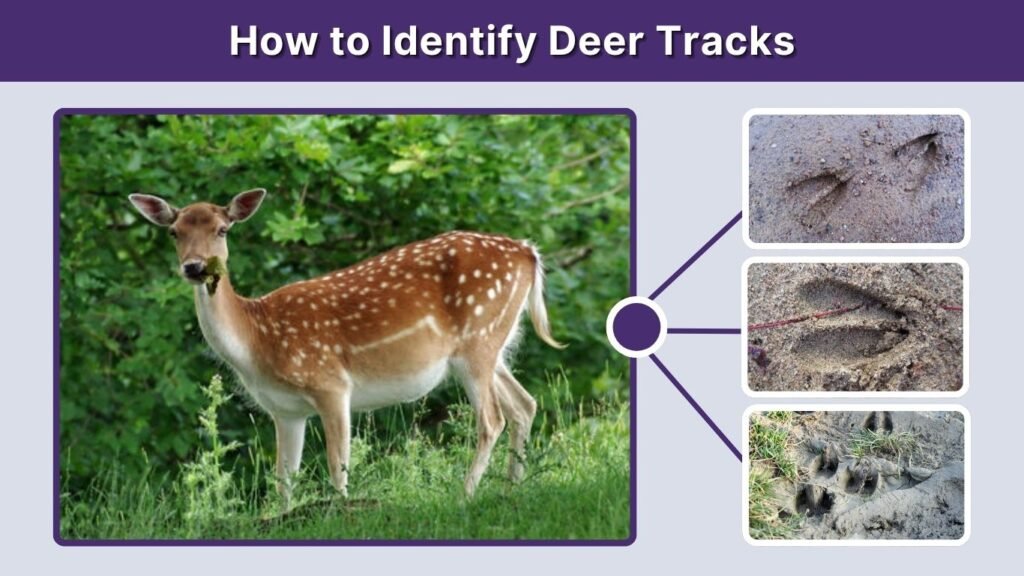
Deer tracks are one of the easiest and most reliable signs to follow in the woods. Fresh hoof prints can reveal the size, direction, and recent activity of a deer.
Learning how to identify deer tracks accurately is one of the first skills every tracker should develop.
What Deer Tracks Look Like
Deer tracks have a distinctive split-hoof pattern that creates a heart-shaped print.
Important characteristics include:
- Two pointed hoof sections
- Heart-shaped appearance
- Narrow front tips
- Symmetrical design
- Slightly wider rear edges
Tracks from larger bucks are usually bigger and wider than tracks from does or fawns.
Fresh vs Old Deer Tracks
Determining whether a track is fresh or old helps trackers avoid wasting time following inactive trails.
| Track Feature | Fresh Track | Old Track |
| Edges | Sharp and crisp | Rounded or faded |
| Moisture | Damp appearance | Dry |
| Debris | Little debris inside | Filled with leaves or dirt |
| Snow Tracks | Clean edges | Melted or frozen |
Fresh tracks often appear more defined and show clearer details in mud, snow, or soft ground.
Deer Track Size Guide
Track size can help identify the type of deer using an area.
General track differences include:
- Buck tracks are larger and wider
- Doe tracks are smaller and narrower
- Fawn tracks are tiny and closely spaced
Large mature bucks may leave tracks wider than 3 inches depending on the region and soil conditions.
How to Find Deer Trails
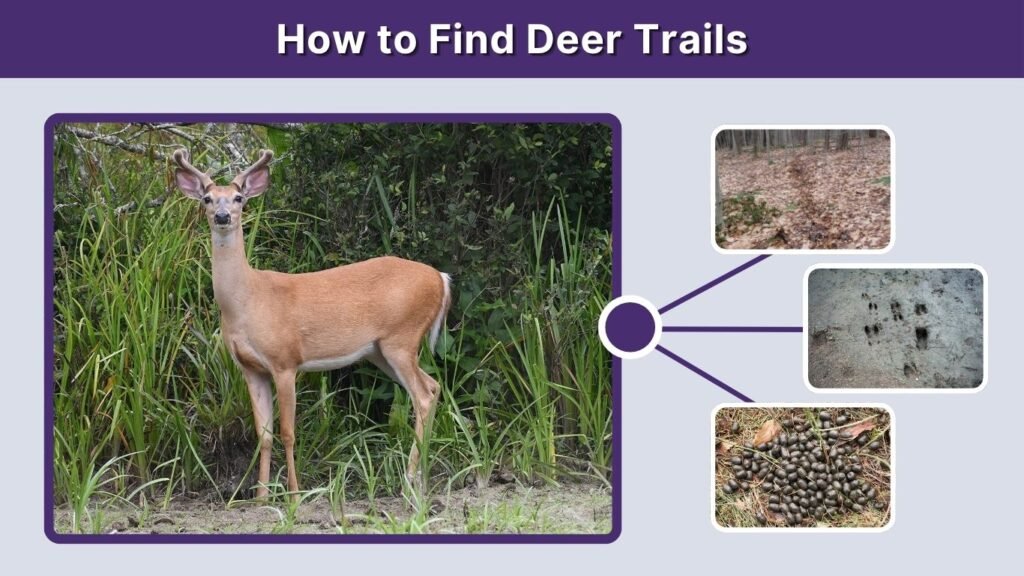
Deer rarely move randomly through forests. Instead, they use established travel routes known as deer trails. These paths often connect bedding areas, feeding locations, and water sources.
Finding active deer trails is one of the most important parts of successful deer tracking.
Signs of Active Deer Trails
Active deer trails usually show repeated evidence of movement.
Common signs include:
- Flattened vegetation
- Multiple hoof prints
- Fresh droppings
- Hair caught on branches
- Narrow dirt pathways
Trails become easier to identify in areas with heavy deer populations.
Best Places to Find Deer Trails
Certain areas naturally attract deer movement and create consistent travel routes.
Good locations for finding trails include:
- Near water sources
- Along forest edges
- Between feeding and bedding areas
- Creek crossings
- Funnel-shaped terrain features
Deer often choose routes that provide cover while allowing easy movement through the woods.
Deer Bedding Areas
Bedding areas are places where deer rest and feel safe during the day. These areas are important because they help trackers understand where deer spend most of their time.
Mature bucks especially prefer secluded bedding spots with thick cover and good escape routes.
What a Deer Bedding Area Looks Like
A deer bedding area usually contains visible resting spots surrounded by cover.
Common bedding area signs include:
- Flattened grass or leaves
- Thick brush nearby
- Multiple resting depressions
- Hair in bedding spots
- Nearby escape trails
These areas are often located on ridges, hillsides, or dense wooded cover where deer can monitor danger.
How to Approach Bedding Areas
Tracking near bedding areas requires caution because deer are highly alert while resting.
Helpful approach tips include:
- Stay downwind
- Move slowly and quietly
- Avoid stepping on dry leaves
- Use natural cover when possible
- Avoid over-disturbing the area
Entering bedding areas carelessly may push deer away from the location entirely.
Deer Feeding Signs
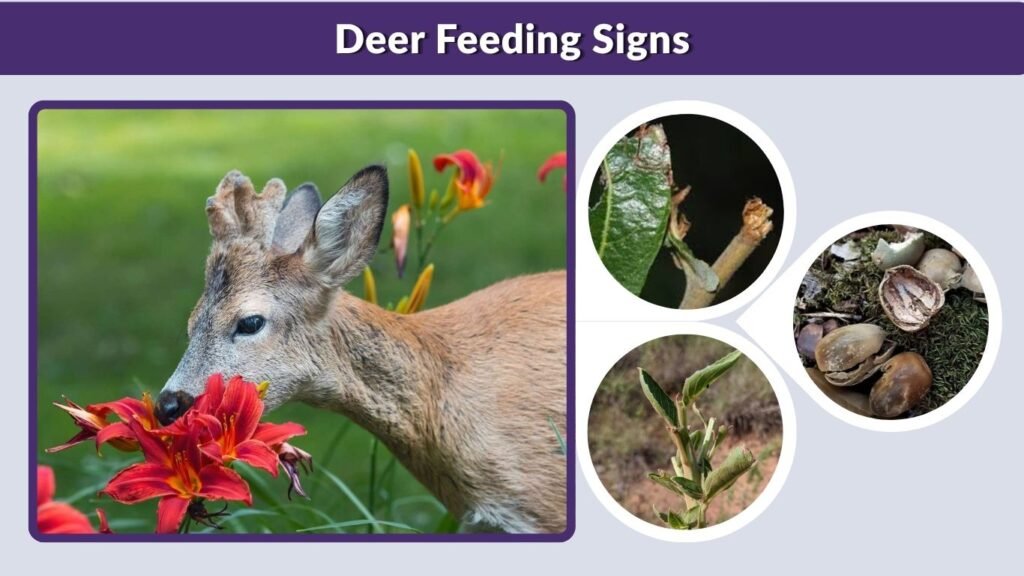
Feeding signs help trackers locate areas where deer spend time eating. Since deer must feed regularly, these locations often connect directly to travel routes and bedding areas.
Understanding feeding behavior can greatly improve tracking success.
Common Deer Feeding Signs
Deer leave several visible clues while feeding.
Common feeding signs include:
- Browsed leaves and twigs
- Acorn shells
- Crop damage
- Fresh droppings
- Scraped bark
Fresh feeding areas usually contain multiple signs concentrated in one location.
Seasonal Food Sources
Deer diets change throughout the year depending on available vegetation and weather conditions.
| Season | Common Deer Foods |
| Spring | Fresh shoots and grasses |
| Summer | Leaves, berries, crops |
| Fall | Acorns, nuts, crops |
| Winter | Twigs, bark, evergreen plants |
During fall, acorn-producing oak trees often attract large numbers of deer because of the high-energy food supply.
How to Track a Deer After the Shot
Tracking a wounded deer requires patience, observation, and careful decision-making. Rushing too quickly after a shot may push the deer farther away and make recovery more difficult.
Successful blood tracking often depends on remaining calm and carefully studying every sign left behind.
Wait Before Tracking
After shooting a deer, waiting the proper amount of time is extremely important.
Important reasons to wait include:
- Preventing the deer from running farther
- Allowing the animal to weaken naturally
- Improving recovery chances
- Reducing stress on the animal
The waiting time often depends on shot placement and deer behavior after the shot.
How to Follow a Blood Trail
Blood trails are one of the most important tracking signs after a shot.
Helpful blood-tracking tips include:
- Look for blood droplets on leaves and grass
- Mark each blood spot carefully
- Follow the direction of tracks
- Search low vegetation for splatter
- Watch for sudden direction changes
Moving slowly helps prevent losing the trail in thick woods or tall grass.
Blood Color Meaning
Different blood colors may indicate where the deer was hit.
| Blood Color | Possible Hit Location |
| Bright red | Muscle or heart |
| Dark red | Liver |
| Pink and bubbly | Lung shot |
| Greenish content | Gut shot |
Understanding blood color helps trackers estimate how far the deer may travel.
Tracking Deer in Different Conditions
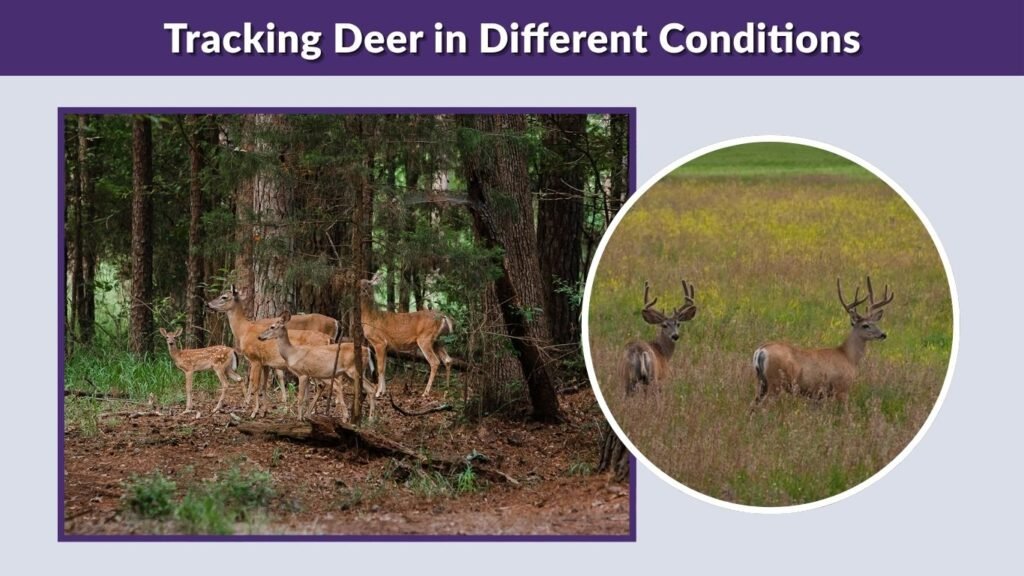
Tracking difficulty changes depending on weather, terrain, and forest conditions. Experienced trackers adapt their methods based on the environment.
Some conditions make tracking easier, while others require more patience and skill.
Tracking Deer in Snow
Snow is often considered the best tracking surface because hoof prints become highly visible.
Advantages of snow tracking include:
- Easy-to-follow hoof prints
- Visible travel direction
- Clear trail freshness
- Easier identification of multiple deer
Fresh snowfall often creates ideal tracking conditions for beginners.
Tracking Deer in Rain
Rain can both help and hurt tracking efforts.
Rain tracking challenges include:
- Washed-out blood trails
- Faded hoof prints
- Wet vegetation hiding signs
However, soft muddy ground may also create deeper and more visible tracks.
Tracking Deer in Thick Woods
Dense forests require slower and more careful movement.
Helpful woodland tracking strategies include:
- Move quietly
- Watch broken branches
- Listen carefully for movement
- Scan ahead with binoculars
- Check natural travel corridors
In thick woods, deer often use hidden trails that may not be obvious at first glance.
Essential Deer Tracking Gear
The right equipment can make deer tracking easier, safer, and more efficient. While experienced trackers often rely heavily on observation skills, basic gear still improves success.
Recommended Tracking Equipment
Useful deer tracking gear includes:
- Binoculars
- Flashlight or headlamp
- Compass or GPS
- Waterproof boots
- Gloves
- Flagging tape
- Backpack
- Knife
A reliable flashlight is especially important for blood tracking during early morning or evening hours.
Why Scent Control Matters
Deer have an extremely strong sense of smell and can detect human scent from long distances.
Important scent-control tips include:
- Stay downwind whenever possible
- Avoid strong fragrances
- Wear clean outdoor clothing
- Minimize unnecessary movement
- Avoid touching vegetation excessively
Wind direction is one of the most important factors in successful deer tracking.
Common Deer Tracking Mistakes
Many beginner trackers lose deer trails because they move too quickly or overlook important signs.
Avoiding common mistakes greatly improves tracking success.
Mistakes to Avoid
Common tracking errors include:
- Walking too fast
- Ignoring wind direction
- Failing to mark blood spots
- Tracking too soon after a shot
- Making excessive noise
- Losing focus on travel direction
Slow, careful observation is usually more effective than rushing ahead.
Deer Tracking Tips for Beginners
Deer tracking is a skill that improves with practice and patience. Spending time observing deer movement patterns helps beginners become more confident in the woods.
Beginner Tracking Tips
Helpful beginner tracking advice includes:
- Practice identifying fresh tracks
- Scout before hunting season
- Study deer behavior regularly
- Move slowly and quietly
- Use binoculars frequently
- Learn local terrain features
The more time you spend observing wildlife signs, the easier tracking becomes.
Interesting Facts About Deer Tracking
Tracking deer has been an important survival and hunting skill for centuries. Experienced trackers often notice details that casual hikers completely miss.
Amazing Facts
- Deer can smell danger from long distances
- Bucks often use predictable travel routes
- Snow tracking is easier than dry-ground tracking
- Deer frequently reuse the same trails
- Bedding areas often face downwind for safety
Understanding these natural behaviors helps trackers predict deer movement more effectively.
FAQs
How do you find deer in the woods?
Finding deer usually involves searching for tracks, trails, droppings, feeding signs, and bedding areas. Deer commonly travel between feeding and resting locations during dawn and dusk. Areas near water, thick cover, and food sources often contain the most deer activity.
What time of day is best for tracking deer?
Early morning and late evening are usually the best times for tracking deer because deer are most active during these periods. Cooler temperatures and lower hunting pressure also increase movement, especially near feeding areas and travel corridors.
How can you tell if deer tracks are fresh?
Fresh deer tracks usually have sharp edges, clear hoof details, and little debris inside the print. In snow or mud, fresh tracks appear crisp and moist, while older tracks often look faded, rounded, dry, or partially filled with dirt and leaves.
How long should you wait before tracking a wounded deer?
The waiting time depends on shot placement, but many hunters wait at least 30 minutes before tracking. Gut-shot deer may require several hours. Waiting calmly helps prevent pushing the deer farther and increases recovery success.
What do deer bedding areas look like?
Deer bedding areas often contain flattened grass, leaves, or vegetation where deer rest during the day. These spots are usually hidden in thick cover and positioned near escape routes, allowing deer to detect danger while remaining concealed.
