
Hunting has been practiced for centuries as a way to gather food, manage wildlife populations, and develop outdoor survival skills. Over time, hunters have created different techniques based on terrain, target animals, and available equipment. Some methods focus on patience and stealth, while others rely on teamwork, speed, or specialized tools. From traditional falconry to modern rifle hunting, each approach offers unique challenges and experiences. Understanding the different types of hunting methods can help beginners and outdoor enthusiasts learn how hunters adapt to various environments and hunting situations around the world.
1. Still Hunting
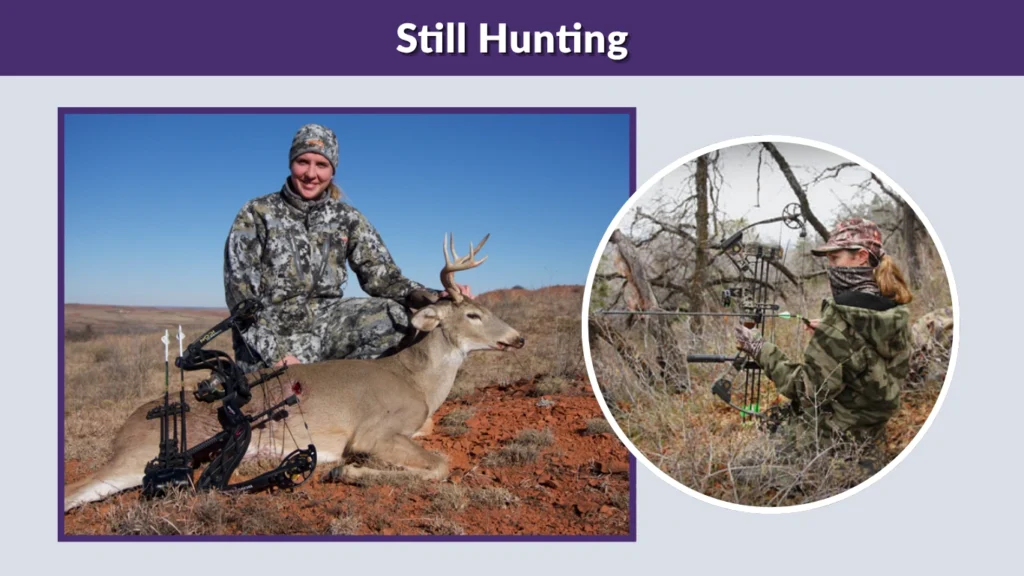
Still hunting is a traditional hunting method where the hunter moves slowly and quietly through natural terrain while searching for game. It requires patience, observation skills, and the ability to remain undetected by animals.
Key Characteristics
- Slow and careful movement through the hunting area
- Frequent pauses to observe surroundings
- Heavy reliance on camouflage and silence
- Commonly used for deer, elk, and other large game
- Best suited for forests and wooded environments
Best Time for Still Hunting
Still hunting is often most effective during early morning or late afternoon when animals are naturally more active. Calm weather conditions also help hunters move more quietly through the environment.
Skills Required
Successful still hunting demands strong tracking abilities, patience, and sharp attention to detail. Hunters must notice animal tracks, broken branches, fresh droppings, and movement patterns while staying alert at all times.
Advantages of Still Hunting
This hunting method allows hunters to cover a larger area and actively search for animals rather than waiting in one spot. It also creates a more immersive outdoor experience and improves fieldcraft skills over time.
2. Spot and Stalk Hunting
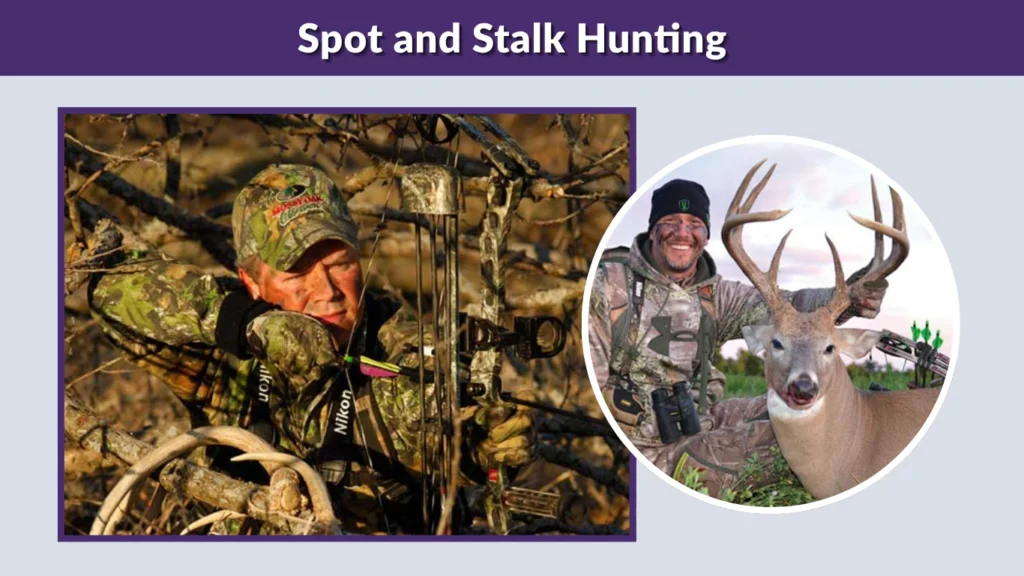
Spot and stalk hunting is a hunting method where the hunter first locates the animal from a distance and then carefully approaches it for a closer shot. This technique is commonly used in open landscapes where visibility is high.
Key Characteristics
- Hunters observe animals from a distance before moving
- Requires stealthy movement and careful planning
- Commonly used in mountains, plains, and deserts
- Relies heavily on binoculars or spotting scopes
- Often practiced for deer, antelope, and sheep hunting
Best Locations for Spot and Stalk Hunting
This method works best in open terrain where hunters can clearly see animals from far away. Hillsides, grasslands, and rocky mountain areas are ideal environments for spotting game before beginning the stalk.
Skills Required
Hunters need patience, strong observation skills, and the ability to move quietly across uneven ground. Wind direction, cover, and animal behavior must also be carefully considered during the approach.
Advantages of Spot and Stalk Hunting
Spot and stalk hunting allows hunters to actively pursue game and adapt to changing conditions. It is considered an exciting and physically engaging method because it combines strategy, movement, and precision.
3. Ambush Hunting
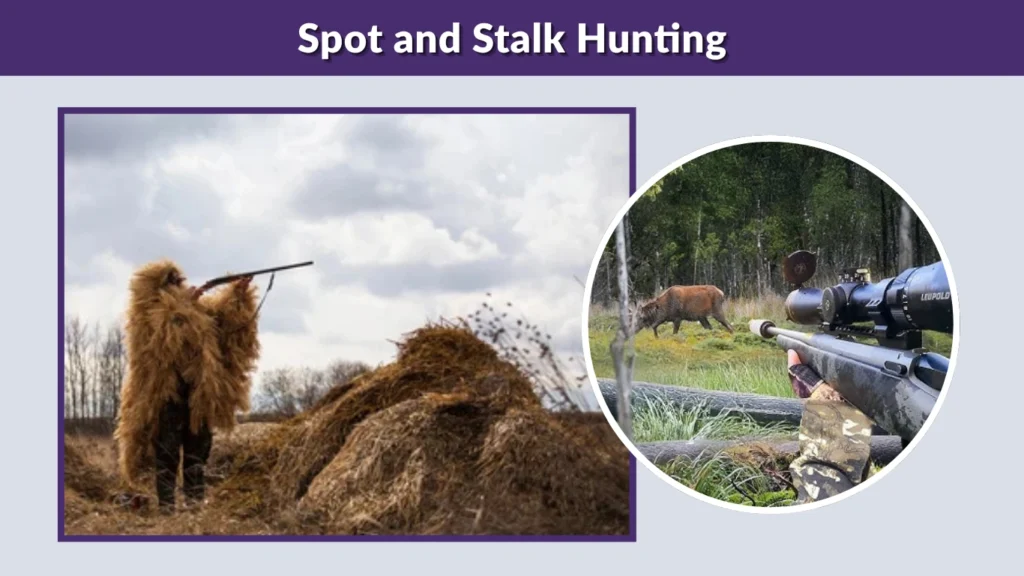
Ambush hunting is a method where hunters wait in a hidden location for animals to come within range. Instead of actively searching for game, the hunter relies on patience and knowledge of animal movement patterns.
Key Characteristics
- Hunters remain hidden in one location
- Often uses tree stands, blinds, or natural cover
- Depends on animal travel routes and feeding areas
- Requires minimal movement to avoid detection
- Commonly used for deer, wild boar, and turkey hunting
Best Locations for Ambush Hunting
This hunting method works best near water sources, feeding grounds, trails, or other areas frequently visited by animals. Choosing the right location is one of the most important factors for success.
Skills Required
Hunters must understand animal behavior, track movement patterns, and remain patient for long periods. Staying quiet and scent control are also essential to avoid alerting nearby game.
Advantages of Ambush Hunting
Ambush hunting requires less physical movement and allows hunters to conserve energy while waiting for the right opportunity. It is also considered an effective method for beginners because it focuses more on positioning and patience.
4. Driven Hunt
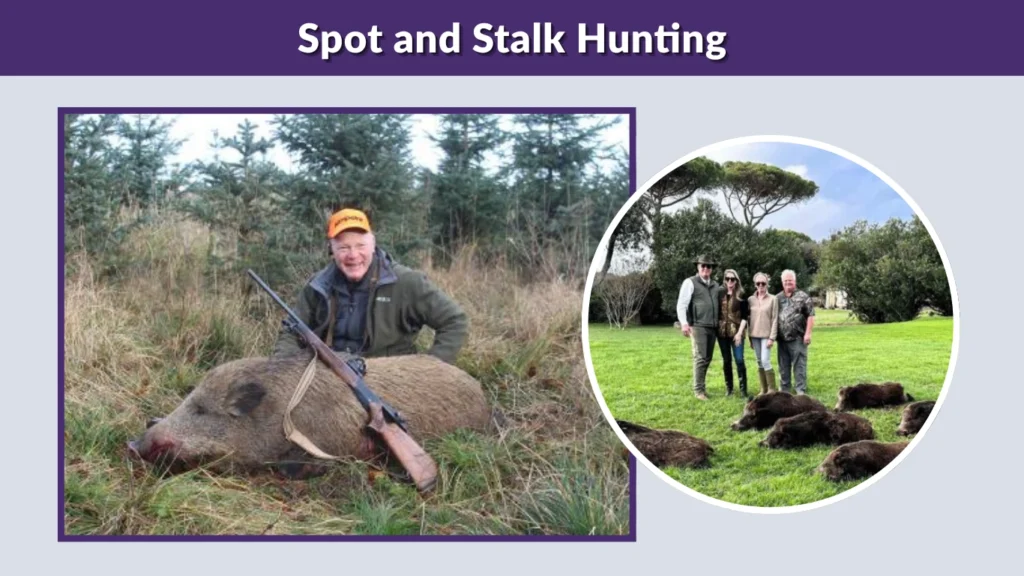
Driven hunting is a group hunting method where people known as drivers move through an area to push animals toward waiting hunters. This technique is commonly used for fast-moving game in large hunting zones.
Key Characteristics
- Involves both drivers and stationary hunters
- Animals are directed toward specific locations
- Commonly used in forests and large open areas
- Often practiced for wild boar, deer, and pheasants
- Requires teamwork and organized coordination
Best Situations for Driven Hunting
Driven hunting is most effective in areas with dense cover where animals may remain hidden. It is often organized during seasonal hunts when large groups work together to increase hunting success.
Skills Required
Hunters need strong communication skills, quick reaction time, and awareness of safety procedures. Drivers must move strategically to guide animals without causing confusion or danger among participants.
Advantages of Driven Hunting
This method can cover large areas in a shorter amount of time and increases the chances of locating hidden games. It is also considered a social hunting activity because it involves teamwork and coordinated planning.
5. Bow Hunting
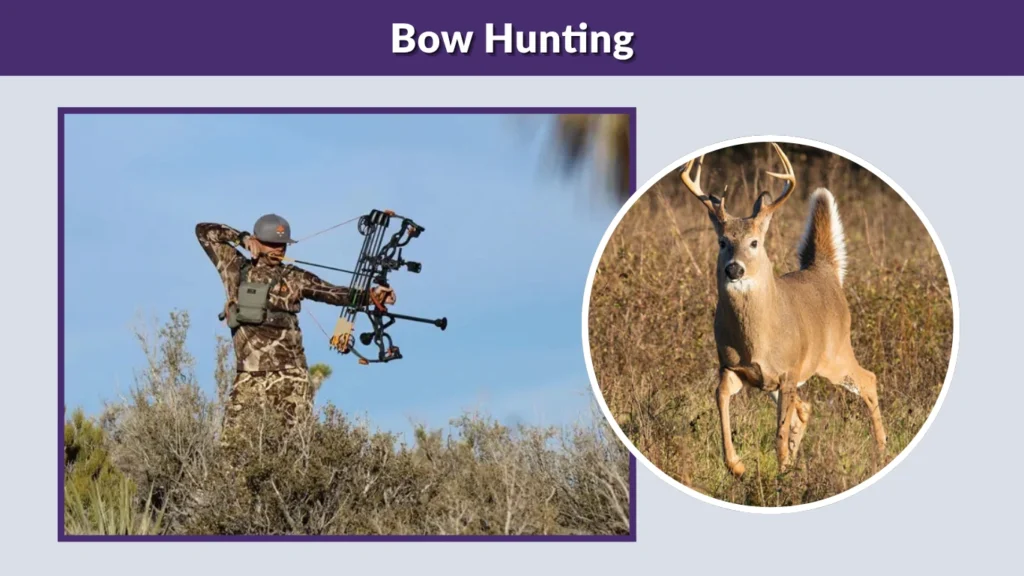
Bow hunting is a traditional hunting method that uses a bow and arrow instead of firearms. It requires hunters to get closer to animals, making stealth and accuracy extremely important.
Key Characteristics
- Uses bows such as recurve, compound, or longbows
- Requires close-range hunting for accurate shots
- Depends heavily on stealth and patience
- Commonly used for deer, elk, and wild turkey
- Often practiced during special hunting seasons
Best Conditions for Bow Hunting
Bow hunting works best in quiet environments where hunters can move carefully without alerting animals. Forests, wooded trails, and areas near feeding zones are common locations for this method.
Skills Required
Hunters need excellent aim, strong concentration, and the ability to judge distance accurately. Silent movement and understanding animal behavior are also important for getting within shooting range.
Advantages of Bow Hunting
Bow hunting offers a challenging and traditional hunting experience that many hunters find rewarding. It also encourages hunters to improve patience, precision, and close-range tracking skills.
6. Rifle Hunting
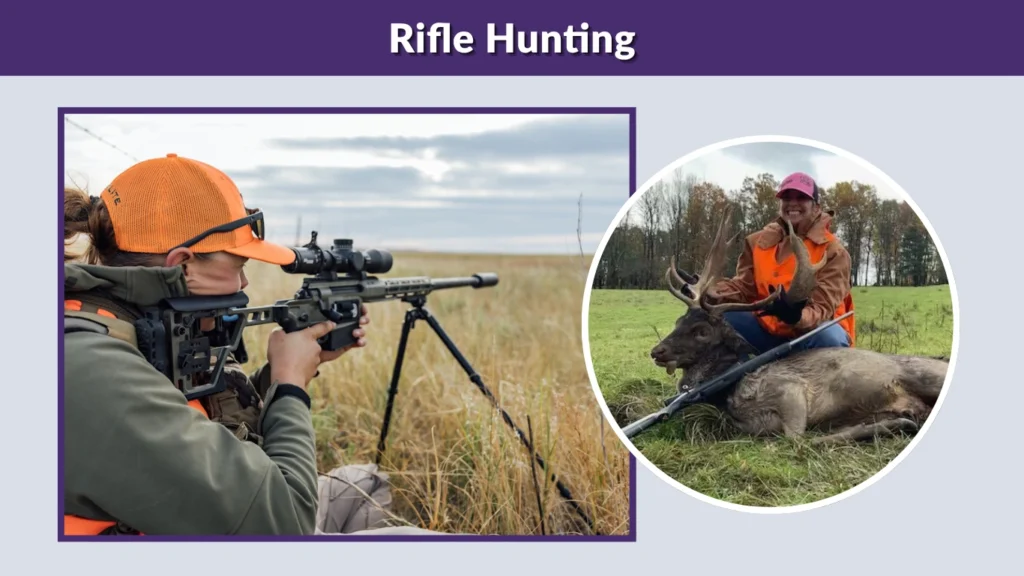
Rifle hunting is one of the most common hunting methods and involves using a rifle to hunt game animals from short or long distances. It is widely practiced because of its accuracy and effectiveness.
Key Characteristics
- Uses rifles designed for hunting purposes
- Allows hunters to shoot from longer distances
- Commonly used for large and medium-sized game
- Requires proper aiming and firearm handling
- Popular in forests, mountains, and open fields
Best Situations for Rifle Hunting
Rifle hunting is highly effective in open areas where hunters can clearly see animals from a distance. It is also useful in rugged terrain where getting close to game may be difficult.
Skills Required
Hunters must understand firearm safety, shooting accuracy, and proper target identification. Knowledge of weather conditions, wind direction, and bullet range also plays an important role in successful hunting.
Advantages of Rifle Hunting
Rifle hunting provides greater range and accuracy compared to many other hunting methods. It also allows hunters to hunt efficiently in a wide variety of environments and weather conditions.
7. Falconry Hunting
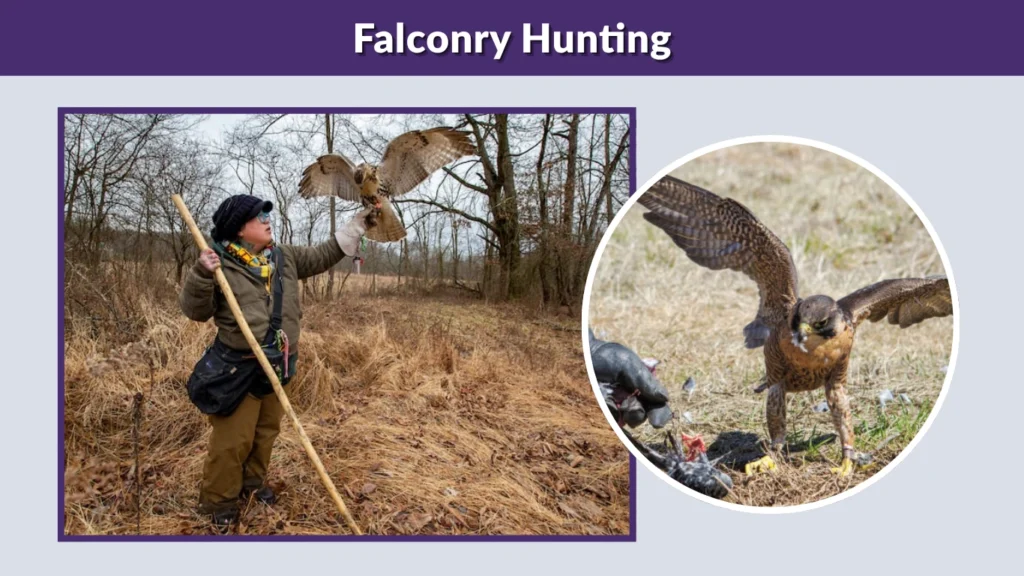
Falconry is a hunting method that uses trained birds of prey, such as falcons or hawks, to hunt wild animals. It is one of the oldest hunting traditions and combines skill, training, and a close partnership between the hunter and the bird.
Key Characteristics
- Uses trained birds of prey for hunting
- Requires extensive bird training and care
- Commonly used to hunt small animals and birds
- Often practiced in open fields and grasslands
- Considered a traditional and cultural hunting method
Best Environments for Falconry
Falconry works best in open spaces where birds can fly freely and spot prey easily. Grasslands, deserts, and wide countryside areas are commonly used for this hunting technique.
Skills Required
Hunters must understand bird behavior, training techniques, and proper handling methods. Patience, consistency, and knowledge of animal movement are also important for successful falconry.
Advantages of Falconry
Falconry creates a unique bond between the hunter and the bird while offering a highly traditional hunting experience. It also allows hunters to observe natural hunting instincts and wildlife behavior up close.
8. Trapping Hunting
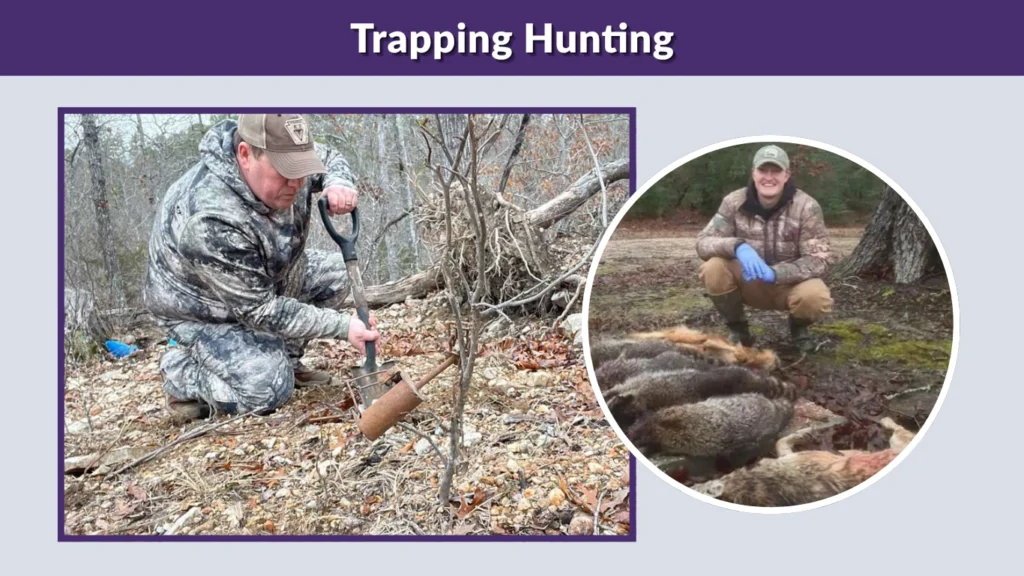
Trapping is a hunting method that uses specially designed devices to capture animals. It has been used for centuries for food, fur collection, and wildlife management in different environments.
Key Characteristics
- Uses traps to capture or restrain animals
- Common trap types include snares, cage traps, and foothold traps
- Often used for small and medium-sized animals
- Requires knowledge of animal trails and behavior
- Commonly practiced in forests, wetlands, and rural areas
Best Locations for Trapping
Trapping is most effective near animal paths, dens, water sources, and feeding areas. Hunters carefully place traps in locations where animals regularly travel or search for food.
Skills Required
Hunters must understand trap placement, animal tracking, and local hunting regulations. Patience and regular trap inspection are also important for both effectiveness and safety.
Advantages of Trapping
Trapping allows hunters to capture animals without constant movement or direct pursuit. It is also useful for wildlife population control and can remain effective in areas where traditional hunting methods are difficult to use.
9. Spearfishing
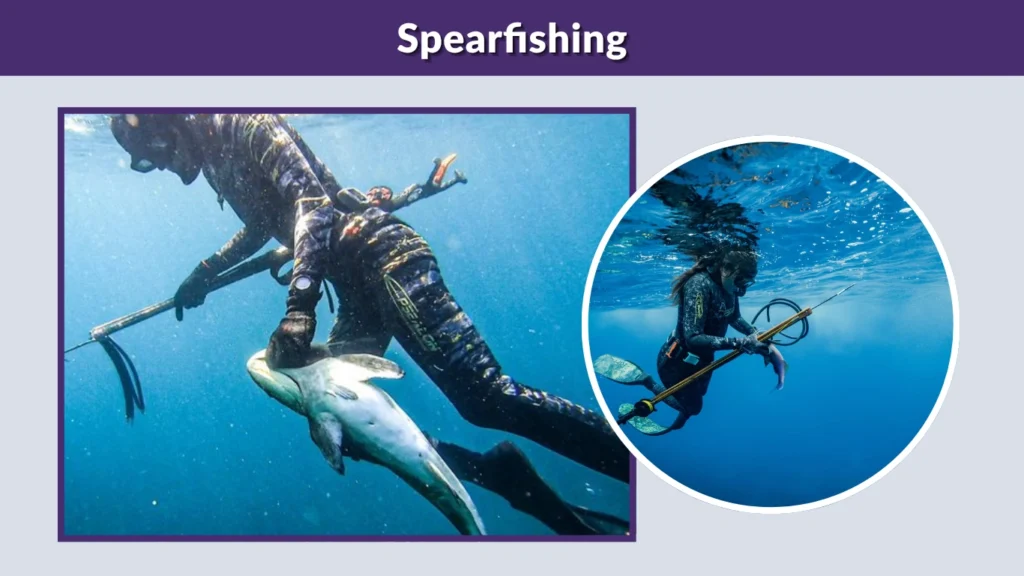
Spearfishing is an underwater hunting method that uses a spear or speargun to catch fish. It combines diving skills, patience, and precision while hunting beneath the water’s surface.
Key Characteristics
- Uses spears or spearguns to catch fish
- Performed while free diving or scuba diving
- Requires underwater hunting techniques
- Commonly practiced in oceans, lakes, and rivers
- Targets fish and other aquatic species
Best Conditions for Spearfishing
Spearfishing works best in clear water with good visibility. Calm weather and stable water conditions help hunters spot fish more easily and move safely underwater.
Skills Required
Hunters need strong swimming abilities, breath control, and accurate aim. Understanding fish behavior and underwater safety practices is also essential for successful spearfishing.
Advantages of Spearfishing
Spearfishing allows hunters to selectively target specific fish, reducing unnecessary catches. It also provides an active and immersive outdoor experience that combines hunting with underwater exploration.
10. Hunting with Hounds
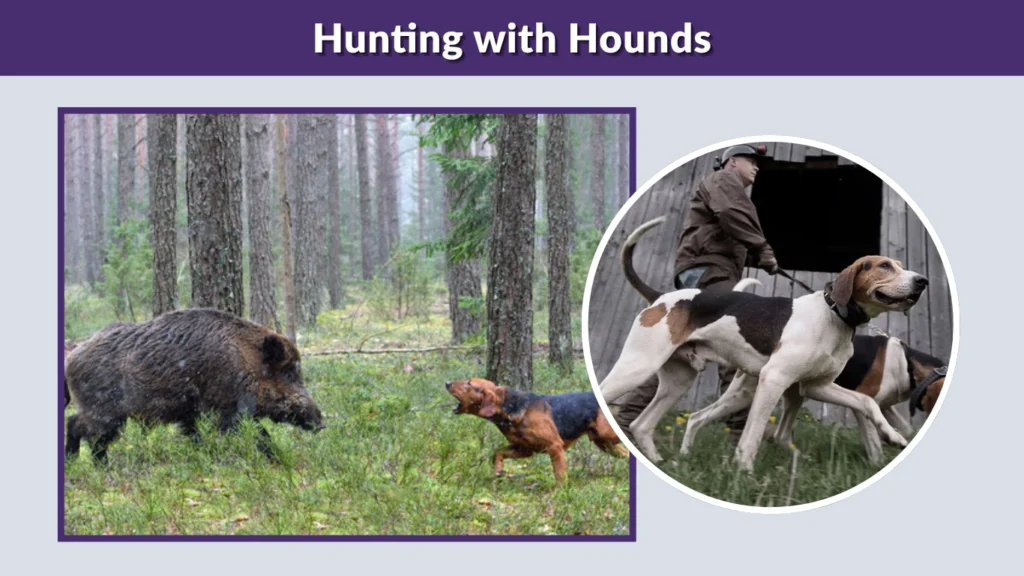
Hunting with hounds is a traditional hunting method that uses trained dogs to track, chase, or corner game animals. The dogs help hunters locate animals by following scent trails and movement patterns.
Key Characteristics
- Uses specially trained hunting dogs
- Dogs track animals through scent and sound
- Commonly used for foxes, boars, and rabbits
- Requires teamwork between hunters and hounds
- Often practiced in forests and rural hunting areas
Best Environments for Hunting with Hounds
This method works best in large outdoor areas where animals can leave clear scent trails. Forests, hills, and countryside regions are common locations for hound hunting activities.
Skills Required
Hunters must understand dog training, animal tracking, and communication with the hounds during the hunt. Patience and knowledge of hunting terrain are also important for effective results.
Advantages of Hunting with Hounds
Hunting with hounds helps hunters locate animals that may be difficult to find alone. It also increases tracking efficiency and allows hunters to cover larger areas more effectively.
FAQs
What is the most common hunting method?
Rifle hunting is considered the most common hunting method because it allows hunters to target animals from longer distances with high accuracy. It is widely used for different types of game in various hunting environments.
Which hunting method requires the most patience?
Still hunting and ambush hunting both require a high level of patience. Hunters often spend long periods moving slowly or waiting quietly for animals to appear within shooting range.
Is bow hunting more difficult than rifle hunting?
Bow hunting is generally considered more challenging because hunters must get much closer to the animal before taking a shot. It also requires precise aim, stealth, and strong understanding of animal behavior.
Why do some hunters use dogs during hunting?
Hunters use trained dogs to track scent trails, locate hidden animals, and assist during the chase. Hunting with hounds can improve tracking efficiency and help cover larger hunting areas more effectively.
What skills are important for successful hunting?
Successful hunting requires patience, observation, tracking ability, accuracy, and knowledge of animal behavior. Hunters also need to understand safety practices, weather conditions, and the environment they are hunting in.
