
If you regularly see deer at dawn or dusk but rarely notice them during midday, you may wonder, where do deer go during the day? Most deer spend daylight hours in secure bedding areas where thick vegetation, terrain, shade, and distance from human activity provide protection. Whitetail deer may also feed, drink, browse, or move between cover during the day when conditions are favorable. Understanding daytime deer behavior can help hunters, wildlife watchers, and landowners locate deer more accurately.
Where Do Deer Go During the Day?
During daylight hours, deer usually retreat to protected places where they can rest while remaining alert for danger. These locations are commonly called bedding areas. Deer do not necessarily remain completely inactive all day. They may stand, browse nearby vegetation, reposition themselves, visit water, or travel short distances before returning to secure cover.
Common Daytime Deer Locations
Deer commonly spend the day in areas such as:
- Dense brush and shrubs
- Tall grass and weeds
- Young forest growth
- Thick evergreen cover
- Wooded ridges
- Creek bottoms
- Swamp edges
- Overgrown fields
- Hillsides and ravines
- Areas away from frequent human activity
The exact location depends on habitat, weather, hunting pressure, available food, and seasonal changes.
Why Deer Hide During the Day
Deer depend heavily on cover for survival. Daytime bedding areas reduce their exposure to predators and people while also giving them a quiet place to conserve energy.
A deer typically selects bedding cover that allows it to detect approaching threats through scent, sound, or sight. Mature whitetail bucks are especially likely to use secluded locations with limited disturbance.
Where Do Whitetail Deer Go During the Day?
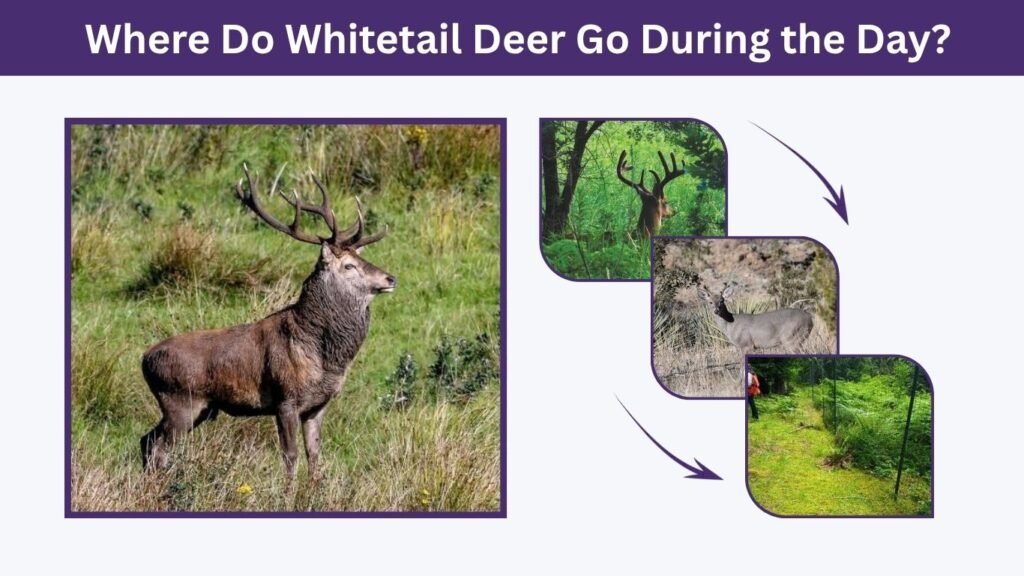
Whitetail deer usually follow a daily cycle that includes feeding during lower-light periods and resting during much of the day. However, this pattern is flexible. A whitetail may leave its bed several times during daylight to browse, stretch, drink, or adjust its position according to wind and temperature.
Whitetail Bedding Areas
Good whitetail bedding habitat commonly provides:
- Thick visual cover
- Low human disturbance
- Nearby escape routes
- Access to food
- Nearby water
- Favorable wind conditions
- Protection from extreme weather
Does often bed in family groups, whereas mature bucks are more likely to use isolated bedding locations.
How Mature Bucks Choose Daytime Cover
Mature bucks commonly select bedding areas that give them a security advantage. A buck may bed where the wind carries scent from one direction while its eyes monitor another.
Elevated terrain, points, ridges, thick brush, and transitions between habitat types can all become attractive bedding locations. Mature bucks may also choose beds relatively close to food while remaining hidden from normal human movement.
Do Deer Stay in One Place All Day?
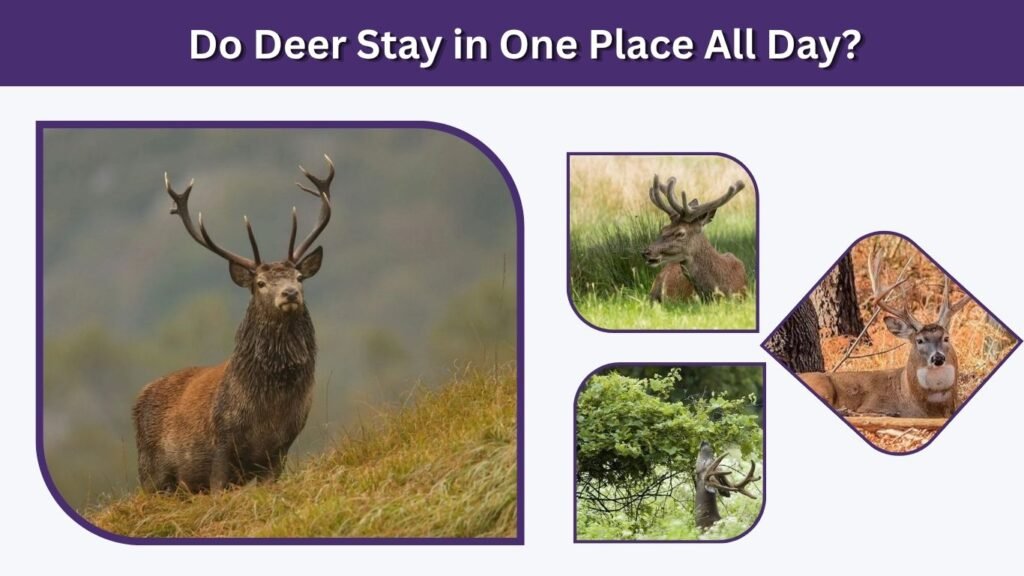
Although deer may spend several hours resting, they usually do not remain completely motionless from sunrise to sunset. Deer often rise periodically, browse within or near their bedding area, groom themselves, or move to a slightly different bed.
Typical Daytime Deer Activities
During daylight, deer may:
- Rest and chew cud
- Browse on nearby plants
- Move between bedding sites
- Drink water
- Visit nearby food sources
- Groom themselves
- Check surrounding areas for danger
- Travel during changing weather
Short periods of daytime movement are normal, even when deer appear primarily nocturnal around heavily hunted properties.
Midday Deer Movement
Midday activity is often overlooked because fewer people are outdoors watching for deer at that time. Deer may become active around late morning or early afternoon, especially when conditions encourage movement.
During the rut, bucks may travel extensively through the middle of the day while searching for receptive does. Deer can also move during weather changes or when pressure forces them away from their normal bedding areas.
Where Do Deer Bed During the Day?
A bedding area is more than simply a random place where a deer lies down. Deer repeatedly choose locations that provide a combination of security, comfort, and access to important resources. Learning how to recognize these locations makes it much easier to understand where deer disappear after sunrise.
Signs of a Deer Bedding Area
Look for several clues:
- Oval depressions in grass or leaves
- Deer hair inside the depression
- Tracks around nearby trails
- Droppings near bedding cover
- Multiple beds clustered together
- Rubs or scrapes nearby
- Narrow trails entering dense vegetation
A single depression does not always indicate an important bedding area. Multiple beds and established trails are stronger evidence of repeated use.
Buck Beds vs. Doe Beds
Does frequently use communal bedding areas containing several beds because they travel with other does and young deer.
Mature bucks commonly bed alone, although exceptions occur. Buck beds may be located near thicker cover or terrain features that allow the animal to monitor approaching danger.
A large single bed accompanied by heavy tracks, rubs, and isolated cover may suggest regular use by an adult buck.
How Weather Changes Where Deer Go During the Day
Weather has a major influence on daytime deer behavior. Temperature, wind, rain, snow, and sunlight affect where deer rest and when they move. A location that provides good bedding habitat on a cool autumn day may be less attractive during intense summer heat or severe winter weather.
Deer During Hot Weather
During hot weather, deer commonly seek shaded, cool locations. Thick forests, creek bottoms, north-facing slopes, and areas near water can become attractive.
Daytime movement may decrease when temperatures are unusually high. Deer often wait until evening temperatures begin to fall before traveling farther toward feeding areas.
Deer During Cold Weather
In cold conditions, deer try to conserve energy while also obtaining enough calories. They may use sheltered areas protected from strong winds.
South-facing slopes can become attractive during winter because sunlight warms them. Evergreen stands also provide valuable protection from wind and snow.
Deer During Rain and Wind
Light rain does not necessarily stop deer activity. Deer may continue feeding or moving, particularly when rain is steady but not severe.
Strong winds can alter movement more significantly. Deer may move into protected valleys, thick vegetation, or the leeward side of ridges where conditions are calmer.
Where Do Deer Go During the Day in Hunting Season?
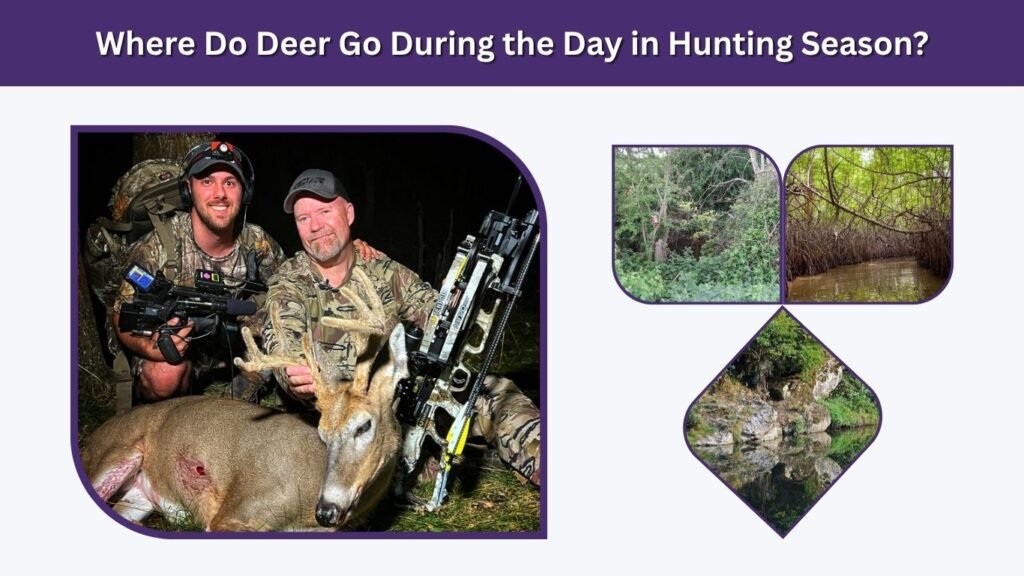
Hunting pressure can dramatically change normal deer movement. Deer that frequently encounter people may become more cautious and spend more daylight hours in difficult-to-access cover. Mature bucks can be particularly responsive to pressure and may alter routes quickly after detecting repeated disturbance.
Areas Deer Use Under Hunting Pressure
Pressured deer commonly favor:
- Thick brush
- Swamps and marsh edges
- Steep terrain
- Remote wooded pockets
- Overgrown clear-cuts
- Areas far from roads
- Private or restricted-access zones
- Small overlooked patches of cover
Even relatively small areas can hold deer if they provide security from repeated human activity.
Why Deer Become More Nocturnal
Deer are naturally crepuscular, meaning they often show increased activity around dawn and dusk. Heavy human pressure can push even more movement into darkness.
When deer repeatedly encounter hunters near feeding areas during daylight, they may begin waiting until after sunset before entering those locations.
Reducing unnecessary disturbance can therefore help maintain more natural daytime movement.
Do Deer Feed During the Day?
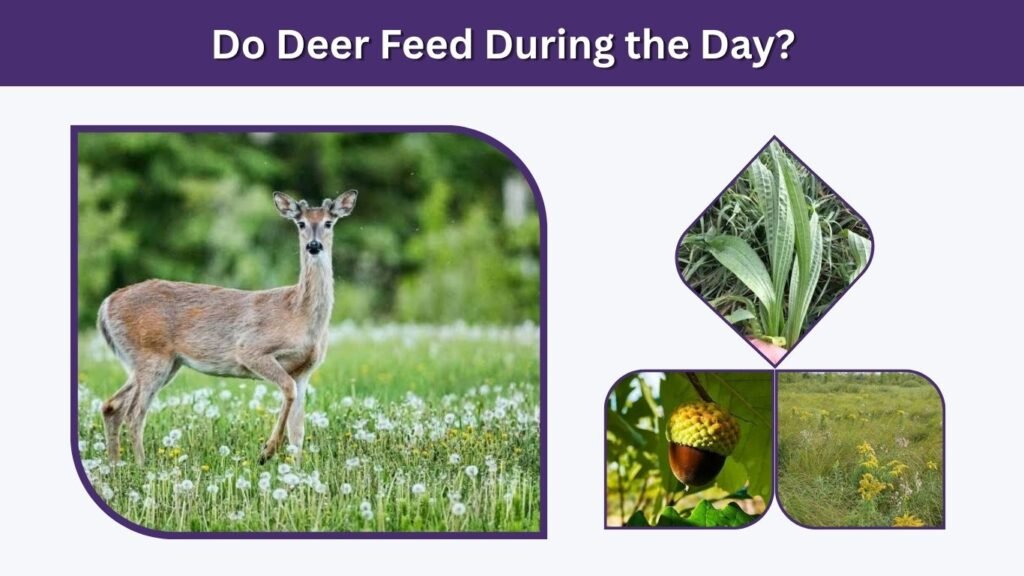
Yes. Deer can feed at any time during a 24-hour period. Although major feeding activity commonly occurs around dawn and dusk, deer often browse during daylight, particularly near secure bedding areas.
Common Daytime Foods
Daytime browsing may include:
- Leaves
- Woody shoots
- Grasses
- Forbs
- Acorns
- Fruits
- Agricultural crops
- Shrubs
- Native vegetation
Deer may feed for a short period and then lie down again.
Bedding Near Food Sources
Deer generally benefit from reducing unnecessary travel, especially when weather is severe or hunting pressure is high. As a result, bedding areas can sometimes be relatively close to preferred food sources.
Mature bucks may still avoid the most exposed feeding locations until low-light conditions, while browsing on less visible vegetation during daylight.
Do Deer Visit Water During the Day?
Water can also influence daytime deer movement, especially during warm weather. Deer may drink at streams, ponds, springs, wetlands, or other reliable water sources. However, deer do not always make long daytime trips specifically for water if moisture-rich vegetation is readily available.
Water Near Bedding Cover
Water sources located close to thick bedding cover can receive daytime activity because deer can reach them without crossing large exposed areas.
Small streams, secluded ponds, and natural springs may therefore be more attractive during daylight than open water sources located near roads, homes, or frequent human activity.
Where Do Deer Go After Daylight?
As afternoon progresses, deer often begin transitioning from bedding cover toward evening feeding areas. Movement usually increases near sunset, although timing varies with weather, hunting pressure, season, and local habitat.
Evening Deer Movement
A deer may leave its daytime bed and gradually travel through:
- Staging areas
- Secondary feeding locations
- Covered travel corridors
- Field edges
- Oak stands
- Agricultural areas
- Food plots
Rather than immediately entering an open field, mature bucks often remain in secure cover until light levels fall.
Deer Return to Bedding Areas
After feeding through the evening and nighttime hours, deer commonly move back toward secure bedding cover around dawn.
This creates the familiar daily pattern of feeding, traveling, resting, and feeding again. However, seasonal events such as the rut can temporarily disrupt the normal routine.
FAQs
Where do deer go during the day?
Deer usually spend much of the day in secure bedding areas containing dense vegetation, favorable terrain, shade, and low human disturbance. They may still browse, drink, and move short distances during daylight.
Where do whitetail deer go during the day?
Whitetail deer commonly retreat to thick woods, brush, tall grass, creek bottoms, ridges, swamps, or other protected bedding cover. Mature bucks generally choose more secluded bedding locations than groups of does.
Do deer move in the middle of the day?
Yes. Deer can move at midday to browse, drink, change beds, or travel between habitat areas. Midday buck movement can increase significantly during the rut.
Where do deer hide when you cannot see them?
Deer commonly disappear into thick vegetation, wooded hillsides, overgrown fields, swamps, ravines, and other areas that provide visual cover and protection from human activity.
Do deer sleep during the day?
Deer rest and sleep during both daytime and nighttime periods. During the day, they often lie in bedding areas, alternate between light sleep and alertness, chew cud, and occasionally stand to browse or reposition themselves.
