
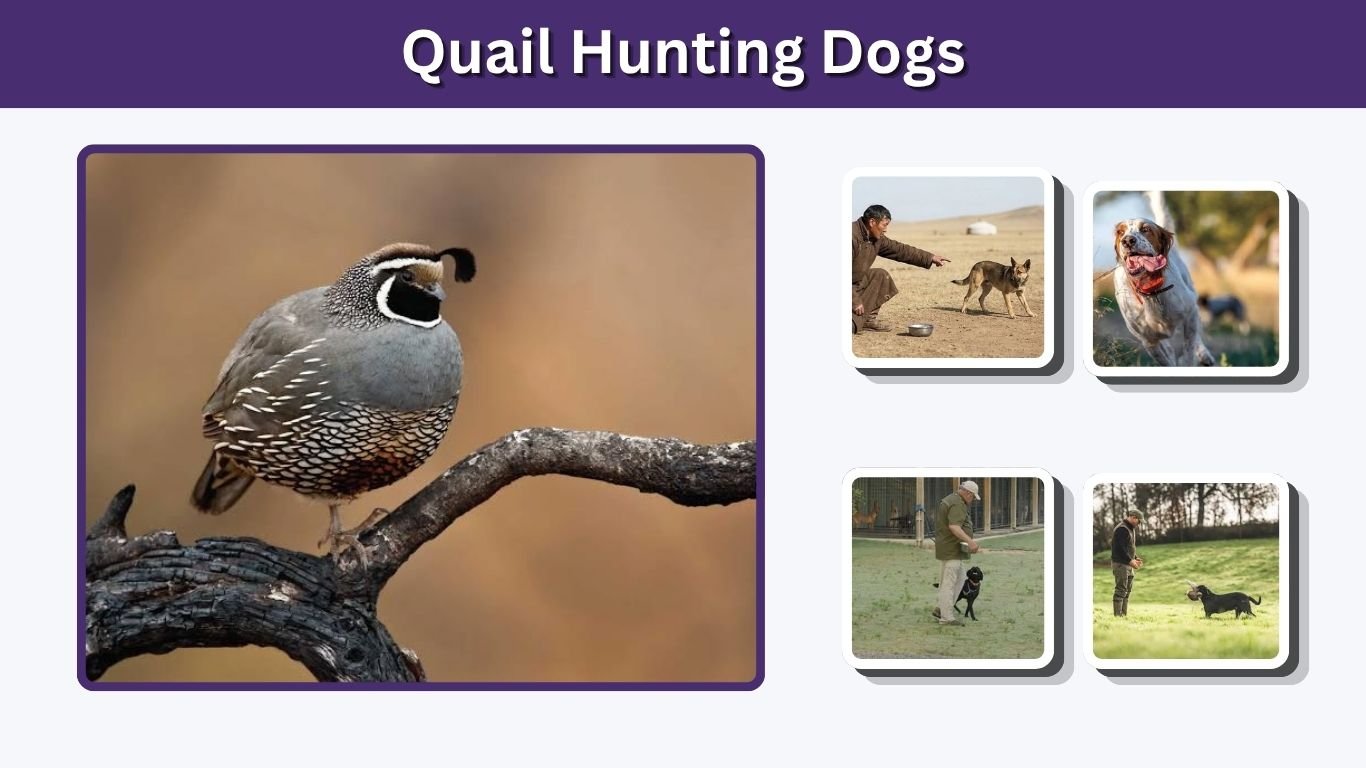
Quail hunting dogs are valuable hunting companions known for their excellent scenting abilities, natural instincts, and impressive field performance. Whether you’re pursuing bobwhite quail in Georgia or hunting western quail across open grasslands, a well-trained bird dog can make locating and retrieving birds much easier. Popular breeds include English Pointers, Brittanys, and German Shorthaired Pointers, each offering different hunting advantages. Understanding the best quail hunting dog breeds, training techniques, and field strategies can help beginners and experienced hunters enjoy safer, more productive hunting trips.
Best Quail Hunting Dogs for Beginners and Experienced Hunters
Choosing the best quail hunting dog depends on the hunting environment, your experience, and the dog’s natural abilities. Some breeds excel at locating hidden birds across large areas, while others perform better in thick brush. Pointing dogs are especially popular for traditional quail hunting, although flushing and retrieving breeds can also be effective.
Best Pointing Dog Breeds for Quail Hunting
Several pointing breeds are particularly well suited to upland bird hunting.
- English Pointer: Known for exceptional scenting ability, speed, endurance, and wide-ranging searches across open fields.
- German Shorthaired Pointer: A versatile hunting dog capable of pointing, tracking, and retrieving birds in different environments.
- Brittany: A medium-sized pointing breed with strong hunting instincts, excellent agility, and an energetic personality.
- English Setter: Recognized for its sensitive nose, graceful movement, and ability to locate birds in grasslands and brush.
- Vizsla: An athletic, responsive pointing dog that often works closely with its handler.
Best Flushing Dogs for Quail Hunting
Flushing dogs locate birds and encourage them to fly from cover while working within range of their handlers. English Springer Spaniels and English Cocker Spaniels are common choices.
Labrador Retrievers can also be effective flushing and retrieving companions. These dogs are particularly useful when hunters prefer close-working partners in thick vegetation.
Which Quail Hunting Dog Is Best?
For hunters covering large, open landscapes, English Pointers and German Shorthaired Pointers are excellent choices. Brittanys offer versatility and are often appealing to beginners seeking an active family companion.
The best choice ultimately depends on the individual dog’s training, temperament, hunting style, and compatibility with its owner.
How Does Quail Hunting With Dogs Work?
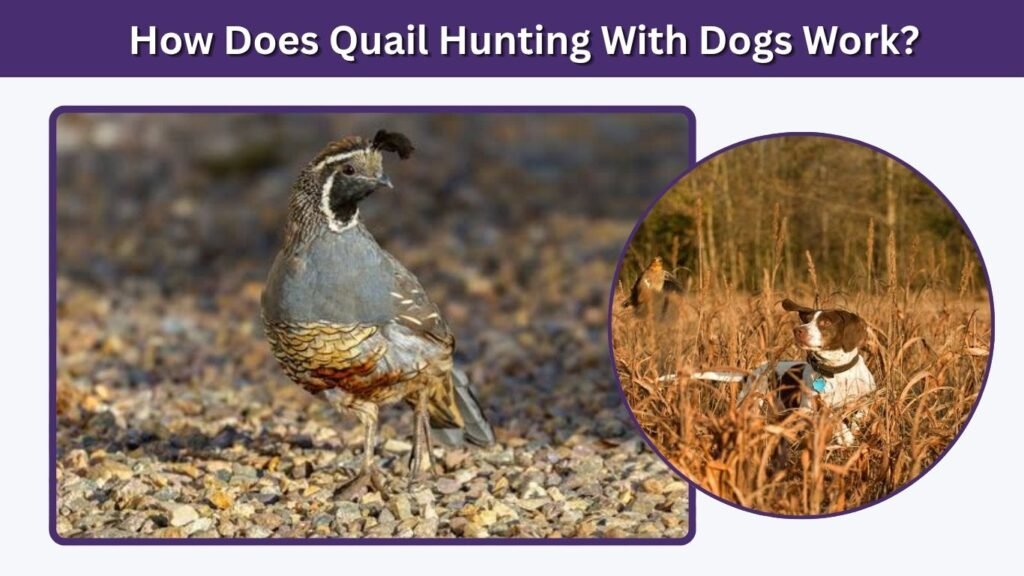
Quail hunting with dogs involves teamwork between the hunter and a trained bird dog. Dogs use their sense of smell to locate birds hiding in grass, brush, and other vegetation. Depending on their training and breed, they may point toward concealed quail, flush birds into flight, or retrieve downed game. Understanding these roles improves communication and field performance.
Hunting Quail With Pointing Dogs
Pointing dogs search suitable habitat while using wind direction and scent to locate hidden birds. When they detect quail, they typically freeze in a pointing stance.
The hunter approaches carefully and prepares for the birds to flush. A properly trained dog remains controlled throughout the encounter, reducing the risk of unsafe movement.
Hunting Quail With Flushing Dogs
Flushing dogs usually work closer to hunters, searching brush and vegetation for concealed birds. Once birds are located, the dog encourages them to take flight.
Handlers must maintain communication and control because flushing birds can create sudden excitement. Consistent obedience allows hunters to respond safely.
Retrieving Quail After a Hunt
Retrieving dogs help locate and recover downed birds, particularly when they fall into thick vegetation.
A trained retriever should wait for permission before searching and return the bird gently to its handler. This reduces the likelihood of losing game and helps prevent unnecessary disturbance.
How to Train a Dog for Quail Hunting
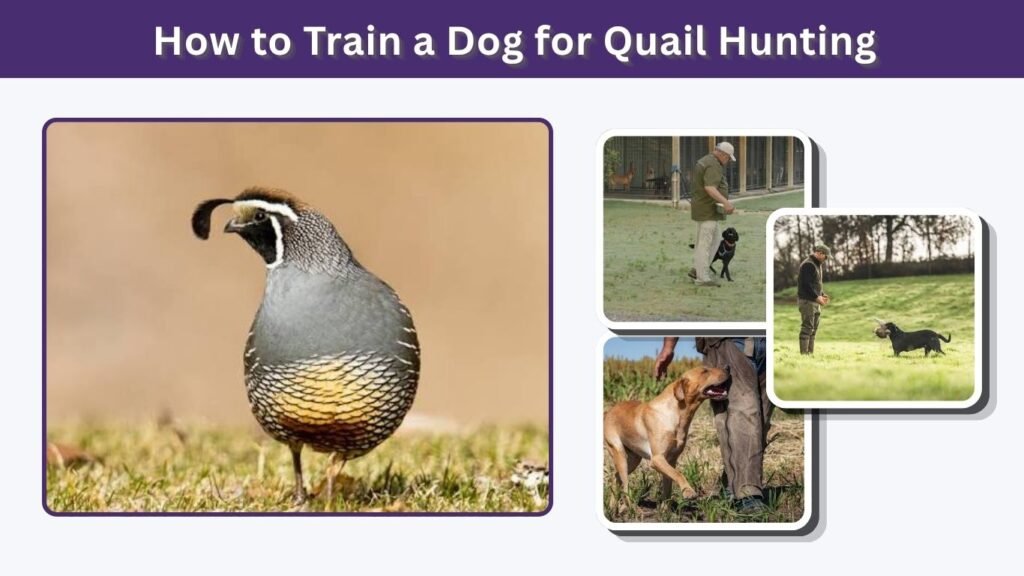
Training a quail hunting dog requires patience, consistency, and gradual exposure to field conditions. Even breeds with strong natural hunting instincts need proper obedience and experience before participating in a hunt. Successful training develops scent recognition, reliable recall, controlled searching, and steadiness around birds. Positive reinforcement and short, structured sessions help dogs build confidence.
Basic Obedience Training for Quail Hunting Dogs
Begin with essential commands before introducing advanced bird-hunting activities.
- Come: Teach reliable recall so the dog returns when called.
- Stay or Whoa: Develop steadiness and prevent unwanted movement.
- Heel: Encourage controlled walking beside the handler.
- Fetch: Introduce retrieving through positive, reward-based exercises.
- Release: Teach the dog to deliver retrieved objects willingly.
- Directional commands: Develop communication for searching different areas.
Practice these skills in familiar environments before adding distractions.
Introducing Dogs to Quail Scent
Introduce your dog to appropriate bird scent through supervised training exercises. Training dummies and properly managed bird introductions can encourage natural searching behavior.
Gradually practice in grassy fields and varied cover. Allow the dog to investigate scents without unnecessary pressure, rewarding calm and productive behavior.
Training Dogs Around Gunfire
Gunfire conditioning must occur gradually and under controlled conditions. Sudden exposure to loud shots can frighten an inexperienced dog and create long-term noise sensitivity.
Begin with professional guidance, appropriate distances, and positive associations. Never fire close to an unprepared dog. Stop training if the dog displays fear or distress.
Quail Hunting Tips With Dogs
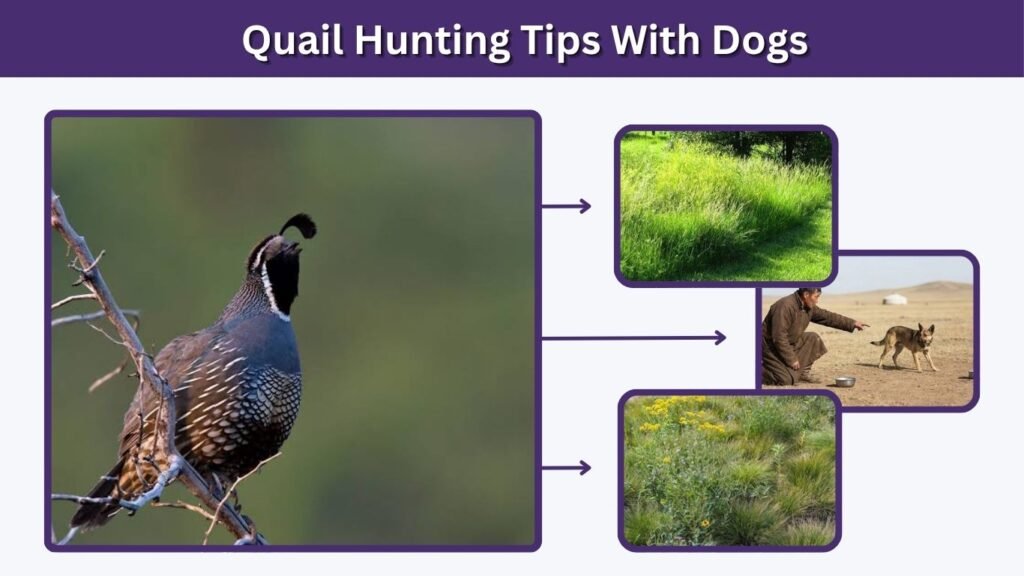
Successful quail hunting requires more than choosing an experienced bird dog. Hunters must understand bird habitat, seasonal conditions, wind direction, and safe field procedures. Quail frequently occupy brushy edges, grasslands, and areas containing suitable food and shelter. Allowing dogs to work naturally while maintaining control helps improve the hunting experience.
Best Strategies for Hunting Quail With Dogs
Several field strategies can improve your dog’s effectiveness:
- Search suitable cover: Focus on native grasses, brushy field edges, and vegetation near feeding areas.
- Consider wind direction: Work into or across the wind to help dogs detect airborne scent.
- Move at a controlled pace: Give pointing dogs enough time to investigate promising habitat.
- Watch the dog’s behavior: Changes in posture, speed, or tail movement may indicate bird scent.
- Maintain communication: Use consistent commands without excessive shouting.
- Respect the habitat: Avoid unnecessary disturbance and follow local wildlife regulations.
Important Safety Tips for Hunting Dogs
Protecting your dog is essential during quail hunting. Always carry drinking water, monitor temperatures, and check for injuries after fieldwork.
Use a visible collar or vest where appropriate. Be alert for barbed wire, sharp vegetation, snakes, and other hazards. Never fire toward a dog, another hunter, or an unidentified target.
How to Hunt Quail Without a Dog
Quail hunting without a dog is possible, although locating birds can be more challenging. Hunters must depend on careful observation, habitat knowledge, and deliberate movement rather than canine scenting abilities. Understanding quail feeding areas, shelter, and daily behavior helps identify promising locations. Hunting alone or with companions requires patience and attention to safety.
Best Quail Hunting Tips Without a Dog
These techniques can help hunters locate birds without canine assistance:
- Identify feeding areas: Search around native seed-producing plants and suitable agricultural edges.
- Walk slowly: Move carefully through promising habitat rather than rushing.
- Use frequent pauses: Stop periodically near brush or vegetation where quail may be hiding.
- Observe fresh signs: Look for tracks, droppings, and dust-bathing areas.
- Hunt with companions: Coordinate safe positions to cover suitable habitat more thoroughly.
- Check local regulations: Follow licensing, seasonal, access, and bag-limit requirements.
Is Quail Hunting Better With or Without Dogs?
Hunting with trained dogs generally provides an advantage because dogs can detect birds that humans may overlook. Pointing dogs also help hunters identify likely bird locations before flushing.
However, hunting without dogs can still be rewarding in suitable habitat. The most important factors are preparation, patience, safe practices, and knowledge of local quail populations.
How to Choose and Care for Quail Hunting Dogs

Selecting a hunting dog is a long-term commitment involving training, veterinary care, exercise, and daily companionship. Hunting ability alone should not determine your decision. Consider whether the breed’s energy level, temperament, and grooming requirements match your lifestyle. A healthy, well-adjusted dog with consistent training is more valuable than an impressive pedigree without suitable preparation.
Choosing a Quail Hunting Dog for Sale
When buying a puppy or trained quail hunting dog, research reputable breeders and trainers. Ask about health testing, temperament, working background, and previous field experience.
Observe the dog’s behavior whenever possible. Experienced hunters may prefer a started or finished bird dog, while beginners should understand the time required to train a puppy.
Keeping Hunting Dogs Healthy
Provide balanced nutrition, regular exercise, veterinary examinations, and preventive parasite care. During hunting season, monitor your dog’s hydration, paw condition, and recovery between outings.
After each hunt, inspect the ears, feet, eyes, and coat for injuries, grass seeds, and ticks. Appropriate rest helps maintain long-term performance and well-being.
FAQs
1. What Is the Best Dog for Quail Hunting?
English Pointers, Brittanys, German Shorthaired Pointers, and English Setters are among the best quail hunting breeds. Each offers excellent scenting abilities and hunting instincts. The ideal breed depends on terrain, hunting style, training experience, and personal preferences.
2. Can You Hunt Quail Without a Dog?
Yes. Quail hunting without a dog is possible by identifying suitable habitat, searching for bird activity, and moving carefully through promising areas. However, trained hunting dogs often improve bird detection and help recover downed game.
3. How Long Does It Take to Train a Quail Hunting Dog?
Training time varies with breed, age, temperament, and experience. Basic obedience can begin during puppyhood, while reliable field performance may require many months or longer. Consistent training and professional guidance can improve results.
4. Are Brittanys Good Quail Hunting Dogs?
Yes. Brittanys are excellent quail hunting dogs known for their natural pointing abilities, agility, intelligence, and enthusiasm. Their relatively manageable size and versatile personalities make them popular with hunters who also want active family companions.
5. Do Quail Hunting Dogs Need Special Training?
Yes. Natural hunting instincts are helpful, but dogs still need obedience, recall, scent work, and controlled field experience. Gradual gunfire conditioning and appropriate exposure to birds are particularly important for developing confident, reliable hunting companions.
