
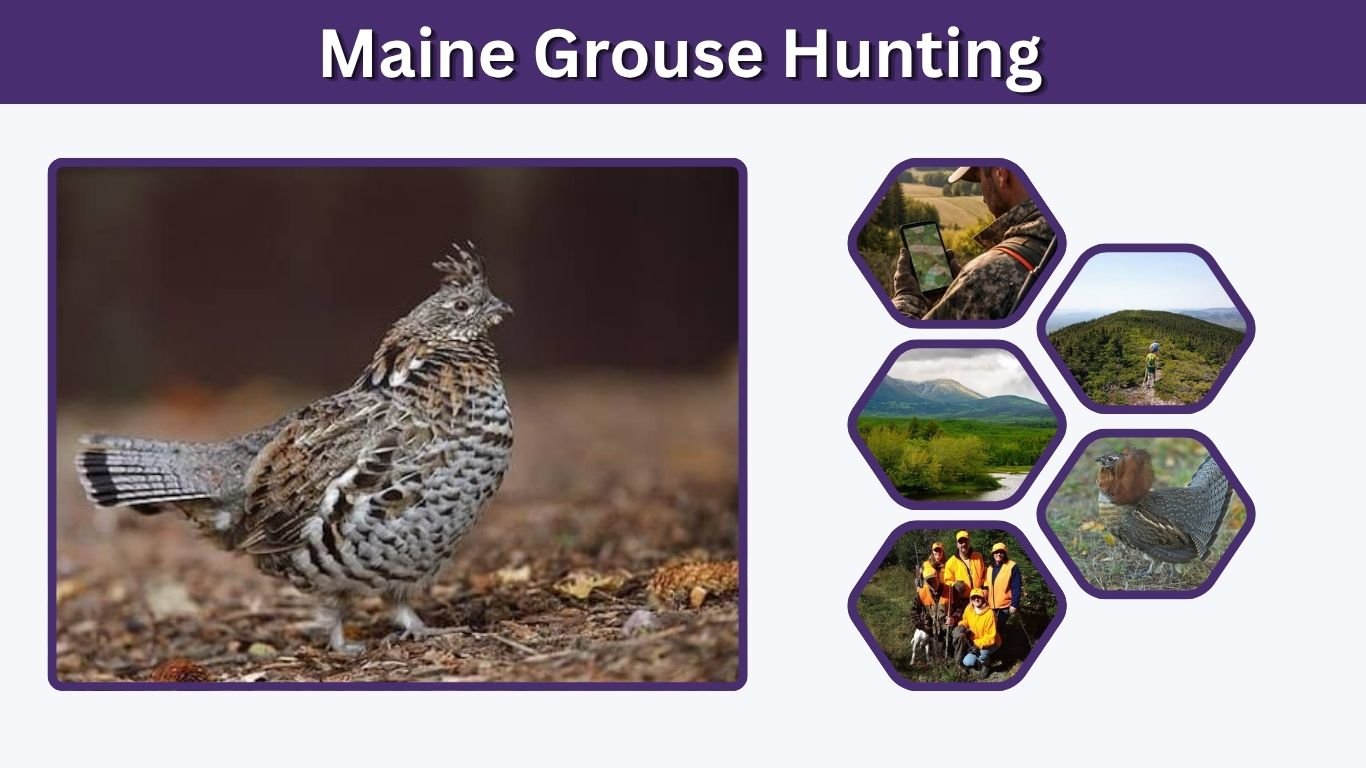
Maine is a popular destination for ruffed grouse hunting, offering extensive forests, remote woodland trails, and diverse bird habitats. From the North Maine Woods to the Rangeley and Jackman regions, hunters can explore areas containing young aspen forests, hardwood stands, and brushy cover.
Ruffed grouse, commonly called partridge in Maine, are known for their sudden flights and ability to hide in dense vegetation. Whether you prefer a self-guided adventure or a guided hunting trip, understanding the best locations, seasons, and regulations is essential. This guide explains where to hunt grouse in Maine, when to go, what equipment to consider, and how to find productive habitat.
Why Is Maine Good for Grouse Hunting?
Maine provides extensive woodland habitat for ruffed grouse. Its forests contain aspen, birch, mixed hardwoods, and young trees that provide food and protective cover.
Several features make Maine attractive to grouse hunters:
- Large forest areas: Northern and western Maine contain extensive wooded landscapes.
- Suitable habitat: Young aspen and mixed hardwood forests support ruffed grouse.
- Road networks: Logging roads provide access to remote hunting areas.
- Guided opportunities: Sporting camps and outfitters offer upland bird hunting trips.
- Long hunting season: Hunters can explore different conditions from early fall through December.
However, grouse populations vary between locations. Suitable habitat, forest age, and environmental conditions are often more important than the reputation of a particular hunting region.
Best Places for Grouse Hunting in Maine
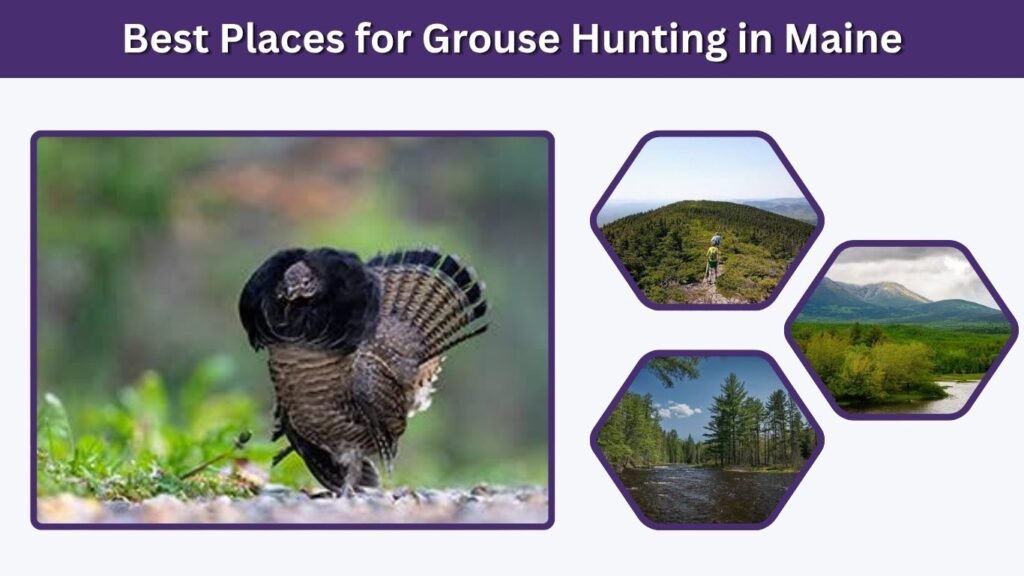
Northern and western Maine are popular destinations for hunters searching for ruffed grouse.
1. North Maine Woods
The North Maine Woods region offers extensive forested landscapes and numerous opportunities to explore grouse habitat.
The area contains commercial forestlands, logging roads, and forests of different ages.
Hunters should focus on young woodland regeneration, brushy edges, and areas containing aspen and birch.
Much of the region is privately owned and managed for forestry. Visitors must follow access rules, including applicable checkpoint registration and fees.
2. Jackman, Maine
Jackman is a popular starting point for exploring western Maine’s remote forests.
The surrounding region contains mixed hardwood forests, logging roads, and younger forest stands.
Hunters can investigate suitable areas around Jackman and the Moose River region while checking land access and local hunting restrictions.
3. Rangeley, Maine
The Rangeley region offers a mixture of mountainous terrain, forests, and woodland regeneration.
Hunters searching for grouse should concentrate on accessible areas containing young aspen, birch, and dense understory vegetation.
Rangeley is also an option for visitors seeking sporting camps and accommodations near western Maine hunting areas.
4. Allagash and Northern Maine
The Allagash region contains extensive forest landscapes with varied habitat.
Potential grouse areas include forest regeneration, mixed hardwood stands, and brushy openings.
Because access can be remote, hunters should prepare carefully and verify road conditions before traveling.
5. Millinocket and Surrounding Forests
Millinocket provides access to forested parts of north-central Maine.
Nearby landscapes contain managed timberlands and areas of young forest growth.
Rather than selecting locations based only on their proximity to Millinocket, hunters should research habitat conditions and legal access.
Maine Grouse Hunting Season 2026
The Maine Department of Inland Fisheries and Wildlife establishes hunting dates and harvest limits for ruffed grouse.
For the 2026 hunting season, the official regulations specify:
| Regulation | 2026 requirements |
| Opening date | September 26, 2026 |
| Closing date | December 31, 2026 |
| Daily bag limit | 4 ruffed grouse |
| Possession limit | 8 ruffed grouse |
| Hunting area | Statewide |
| Sunday hunting | Prohibited |
The season dates apply statewide, but land-specific restrictions may affect where hunting is permitted.
Hunters should always check the latest Maine hunting regulations before planning a trip.
Best Time to Hunt Grouse in Maine
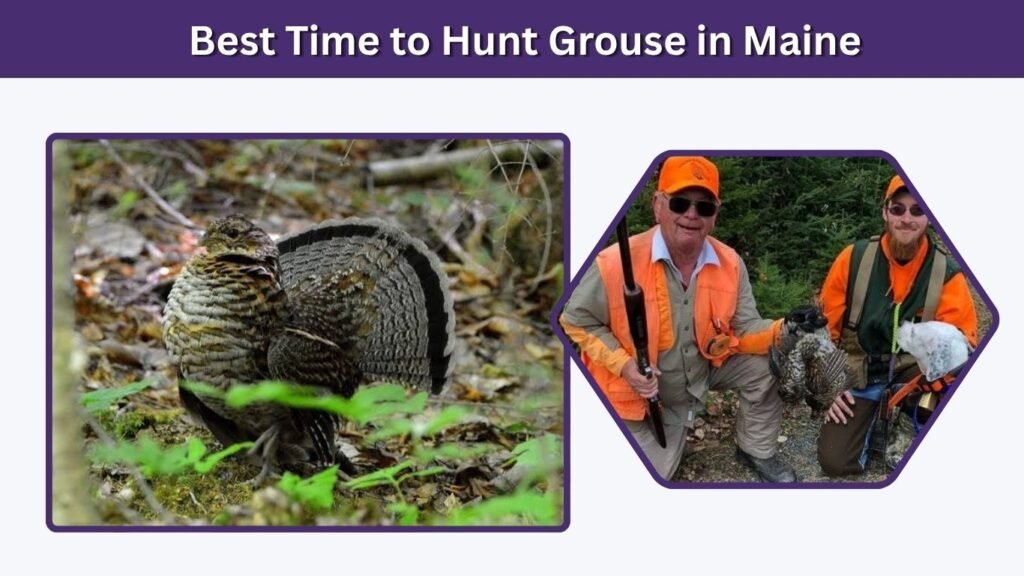
Although grouse hunting continues through December, October is often a favorite month for upland bird hunters.
Late September
Early-season hunting takes place when forest vegetation is still relatively dense.
Young grouse may be found near suitable feeding and protective cover.
However, leaves and thick vegetation can make birds difficult to see.
October
October generally offers comfortable hunting weather and improving visibility as leaves begin to fall.
Hunters may find it easier to observe flushing birds and navigate wooded trails.
The changing autumn landscape also makes October popular for grouse hunting trips.
November
By November, much of the foliage has fallen, making the forest more open.
Grouse continue to use protective woodland cover, but their preferred locations may shift with food availability and weather conditions.
December
Late-season grouse hunting can involve snow, freezing temperatures, and difficult walking conditions.
Hunters should focus on appropriate winter habitat and prepare for shorter daylight hours.
How to Find Ruffed Grouse Habitat in Maine
Finding suitable habitat is one of the most important factors in successful Maine ruffed grouse hunting.
Ruffed grouse use several forest types, but younger forests are especially valuable.
Young Aspen Forests
Aspen provides food and protective cover throughout much of the year.
Young aspen stands are particularly valuable because their dense growth helps grouse avoid predators.
Look for areas with several age classes of aspen growing close together.
Birch and Mixed Hardwood Forests
Birch and hardwood stands can also provide suitable cover and food.
Areas combining young trees, shrubs, and older woodland may be productive.
Brushy Logging Roads
Logging roads can help hunters reach remote habitat.
The most promising roads are often those bordered by suitable forest regeneration rather than mature timber alone.
Forest Openings
Small openings surrounded by protective woodland can provide food and habitat for younger grouse.
A mixture of forest ages creates more varied habitat than large, uniform stands of mature trees.
How to Hunt Grouse in Maine
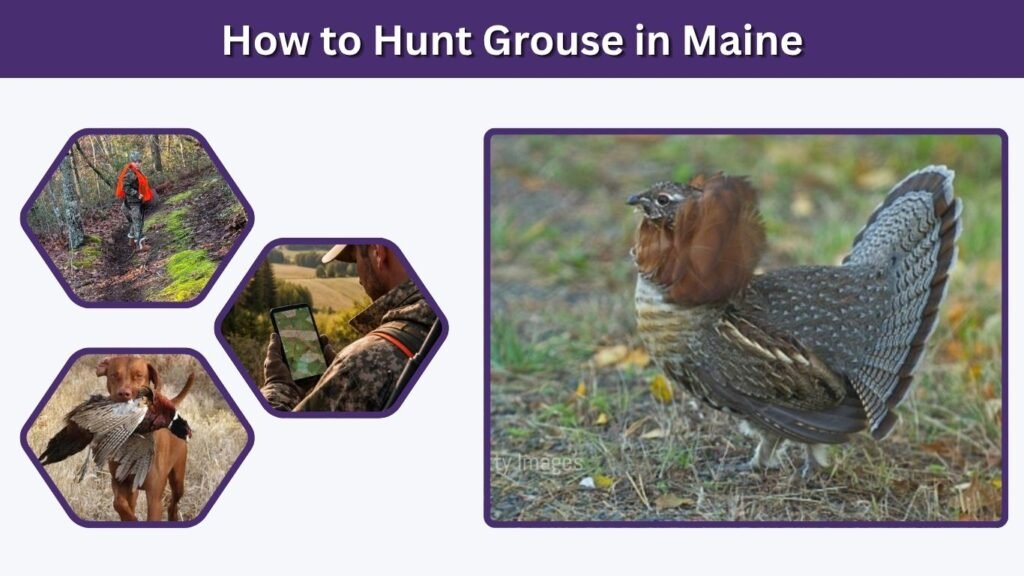
Ruffed grouse frequently remain concealed until disturbed, sometimes flushing suddenly from thick vegetation.
Successful hunting requires patience, observation, and careful attention to safety.
Consider the following approach:
- Research hunting areas: Identify suitable forest habitat and confirm legal access.
- Scout young forests: Look for aspen regeneration, brushy woodland edges, and mixed hardwood stands.
- Walk carefully: Move through accessible habitat while paying attention to your surroundings.
- Observe bird movement: Grouse may flush unexpectedly from protective cover.
- Consider a hunting dog: A properly trained pointing or flushing dog can help locate birds.
- Practice safe shooting: Identify the species and ensure a safe shooting direction before taking any shot.
Many hunters prefer shotguns for grouse because birds often flush through wooded cover.
A .22 rifle is also legal for ruffed grouse hunting in Maine, subject to applicable hunting and firearm regulations.
Hunters must never shoot from a motor vehicle or violate restrictions on shooting near public roads.
Maine Grouse Hunting Laws and License Requirements
Hunters generally need a valid Maine hunting license to pursue ruffed grouse.
The appropriate license depends on residency, age, hunting method, and other eligibility requirements.
Maine offers resident, nonresident, and certain short-duration hunting license options.
Important Hunting Laws
- Sunday hunting: Hunting on Sundays is illegal in Maine.
- Bag limits: Hunters may harvest no more than four ruffed grouse daily during the 2026 season.
- Legal hours: Ordinary grouse hunting hours generally extend from 30 minutes before sunrise until 30 minutes after sunset.
- Hunter orange: During firearm or muzzleloader deer seasons, hunters using firearms or crossbows must wear two required articles of hunter orange. Different requirements apply during moose hunting seasons.
- Private property: Maine has an implied-permission framework for some unposted land, but hunters should seek landowner permission and respect posted restrictions.
- Species protection: Spruce grouse have no open hunting season in Maine.
Learning to identify spruce grouse and ruffed grouse is essential because both species may occur in similar regions.
DIY Maine Grouse Hunting vs. Guided Hunts
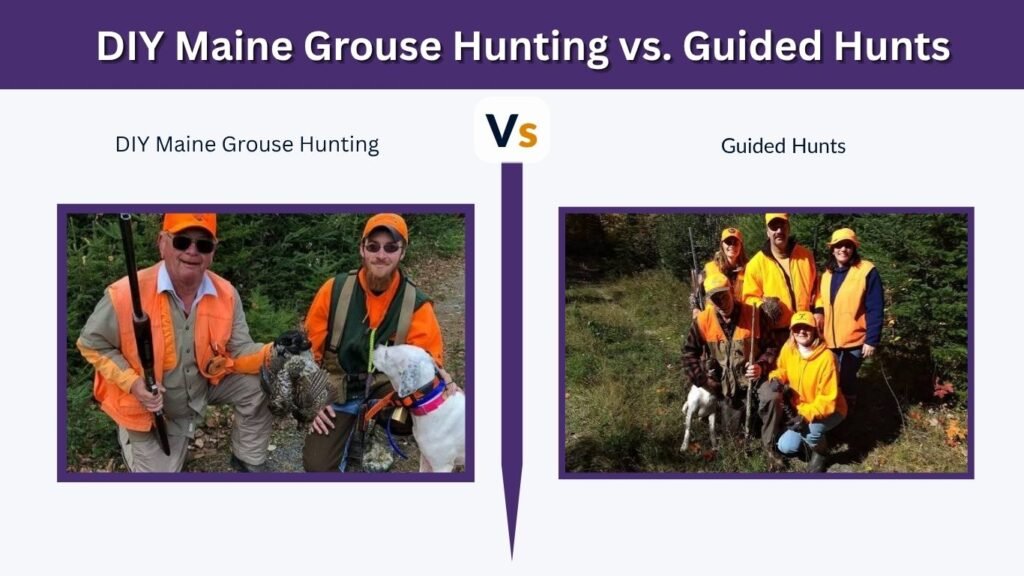
Hunters can choose between planning their own trips and booking professional guide services.
| Feature | DIY grouse hunting | Guided hunting |
| Trip planning | Hunter organizes everything | Guide helps organize |
| Location research | Independent scouting | Local knowledge available |
| Hunting dogs | Optional | May be provided |
| Accommodation | Arranged separately | Sometimes included |
| Cost | Often lower | Usually higher |
| Flexibility | Greater independence | Depends on the package |
A self-guided hunt may suit experienced hunters comfortable navigating forest roads and researching land access.
Guided grouse hunting in Maine can be useful for beginners or visitors unfamiliar with the region.
When comparing outfitters, ask whether the package includes hunting dogs, accommodations, transportation, and necessary land-access arrangements.
Grouse and Woodcock Hunting in Maine
Maine provides opportunities to hunt both ruffed grouse and American woodcock.
These birds sometimes occur in nearby habitats, although their feeding habits differ.
Woodcock frequently use moist woodland soils where they search for earthworms.
For 2026, Maine’s woodcock season runs from September 26 through November 17, with a daily bag limit of three and a possession limit of nine.
Woodcock are migratory game birds, so hunters must meet applicable Harvest Information Program requirements.
Woodcock also have separate federal hunting rules and equipment restrictions.
Hunters pursuing both species should review the regulations carefully.
FAQs
1. Where is the best grouse hunting in Maine?
Northern and western Maine are popular regions for grouse hunting. Areas around Jackman, Rangeley, Allagash, and the North Maine Woods offer extensive forests. The best individual hunting locations depend on suitable young forest habitat and legal access.
2. What is the best month for grouse hunting in Maine?
October is often an excellent month because falling leaves improve visibility and cooler temperatures make walking more comfortable. November can also provide opportunities, depending on habitat and weather conditions.
3. Can you hunt spruce grouse in Maine?
No. Maine does not have an open hunting season for spruce grouse. Hunters must distinguish spruce grouse from legally hunted ruffed grouse before taking a shot.
4. Can you hunt grouse with a .22 rifle in Maine?
Yes. Maine allows the use of a .22 rifle for ruffed grouse hunting, provided all applicable regulations are followed. Shotguns remain a popular choice among upland bird hunters.
5. Do you need a guide for grouse hunting in Maine?
No. Hunters can organize self-guided grouse hunts if they have the necessary license and legal land access. However, guides can provide local knowledge, access information, and trained hunting dogs.
