
Duck hunting for beginners can be an exciting outdoor adventure, but getting started requires preparation, patience, and the right equipment. From choosing a suitable shotgun and waders to understanding duck behavior, beginners have several important skills to learn. Successful duck hunting also involves scouting locations, setting decoys, identifying species, and following hunting regulations. Whether you are planning your first waterfowl hunt or improving your basic knowledge, this guide covers essential duck hunting gear, practical tips, safety precautions, and simple techniques to help you develop confidence in the field.
How to Start Duck Hunting for Beginners
Starting duck hunting involves more than purchasing equipment and visiting a wetland. Beginners must understand local hunting regulations, identify legal hunting areas, and develop basic outdoor skills. Learning about duck species, migration patterns, and feeding behavior can make the experience more productive. Proper preparation also helps new hunters avoid unnecessary mistakes while enjoying a safer and more responsible hunting experience.
Understand Duck Hunting Licenses and Regulations
Before your first hunting trip, review the legal requirements for your location. In the United States, important requirements commonly include:
- Hunting license: Obtain the appropriate state hunting license.
- Federal Duck Stamp: Hunters aged 16 or older must carry a valid Federal Duck Stamp or authorized electronic stamp.
- HIP registration: Complete Harvest Information Program registration when required.
- Hunting seasons: Check local season dates, legal shooting hours, and species-specific restrictions.
- Bag limits: Understand daily harvest and possession limits.
- Approved ammunition: Use federally approved nontoxic shot for waterfowl hunting.
State and federal rules can change, so always verify current regulations before hunting.
Learn From an Experienced Duck Hunter
One of the easiest ways to begin duck hunting is by accompanying an experienced hunter or licensed guide.
Experienced hunters can demonstrate safe firearm handling, duck identification, scouting methods, and proper hunting etiquette.
A guided trip also provides opportunities to understand real hunting conditions without purchasing every piece of specialized equipment immediately.
Essential Duck Hunting Gear for Beginners
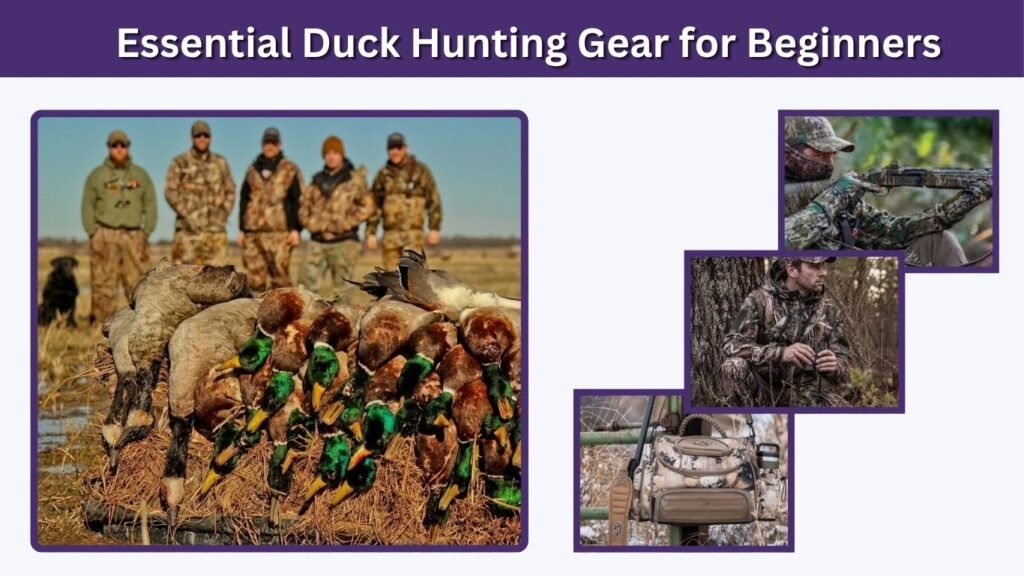
Having suitable duck hunting gear makes outdoor conditions more manageable and allows beginners to concentrate on learning. Although experienced hunters may carry numerous accessories, first-time hunters should prioritize safety, weather protection, and reliability. A small collection of practical equipment is usually sufficient for an introductory trip. Choosing comfortable gear appropriate for local conditions is often more valuable than purchasing expensive accessories.
Duck Hunting Gear Checklist
- Shotgun: A properly fitted, legally compliant shotgun suitable for waterfowl hunting.
- Nontoxic ammunition: Approved ammunition compatible with the firearm and choke.
- Duck hunting waders: Waterproof protection for appropriate shallow-water conditions.
- Camouflage clothing: Weather-resistant clothing that blends with the surrounding environment.
- Duck decoys: Artificial ducks used to imitate resting or feeding birds.
- Duck calls: Calling equipment for practicing recognizable waterfowl sounds.
- Blind bag: Waterproof storage for essential hunting accessories.
- Safety equipment: Hearing protection, eye protection, communication equipment, and a suitable flotation device.
Best Waders for Beginner Duck Hunting
Waders are particularly useful when hunting in shallow marshes, flooded fields, and wetlands.
Breathable waders are generally comfortable for active hunting and changing temperatures, especially when paired with appropriate insulating layers.
Neoprene waders provide additional insulation in cold conditions but may feel heavy or uncomfortable during warmer weather.
Bootfoot waders are convenient because the boots are attached, while stockingfoot designs allow hunters to choose separate wading boots.
Regardless of style, beginners should select properly fitted waders, wear a wading belt, and avoid unfamiliar deep water.
Best Shotgun and Choke for Beginner Duck Hunting
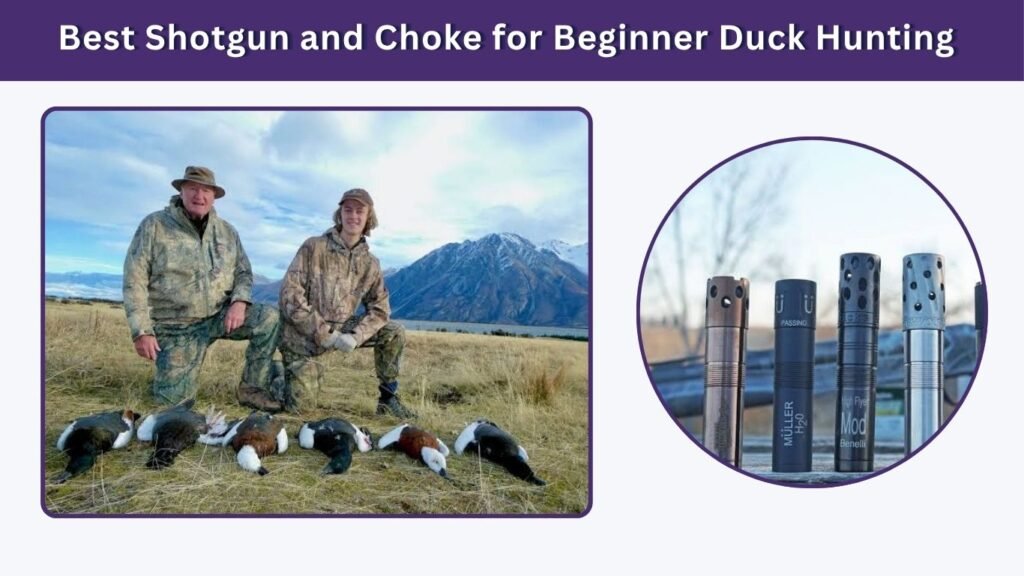
Choosing a shotgun is an important part of preparing for a first waterfowl hunt. Beginners should prioritize comfortable firearm fit, manageable recoil, reliable operation, and safe handling. Shotgun selection also depends on local regulations, ammunition compatibility, and individual experience. Rather than focusing exclusively on popular models, new hunters benefit from professional instruction and supervised practice before taking a firearm into the field.
Choosing a Beginner Duck Hunting Shotgun
Many waterfowl hunters use 12-gauge or 20-gauge shotguns. Both are available in different sizes and configurations, and suitability depends on the individual hunter.
A properly fitted firearm should be comfortable to handle and allow safe, consistent operation.
Pump-action and semiautomatic shotguns are common among waterfowl hunters, although each requires familiarity with its particular safety and loading procedures.
Beginners should receive hands-on instruction from a qualified firearms instructor and practice at an approved shooting range before hunting.
Understanding Shotgun Chokes and Ammunition
A shotgun choke influences how pellets spread after leaving the barrel. Common choke categories include improved cylinder, modified, and full.
There is no single best choke for every beginner. Appropriate selection depends on the firearm, ammunition, manufacturer recommendations, and hunting conditions.
Some choke-and-ammunition combinations are incompatible, particularly when using certain nontoxic shot materials.
Always follow manufacturer instructions and seek guidance from a qualified instructor. Never assume that a choke suitable for lead ammunition is automatically suitable for steel shot.
How to Duck Hunt for Beginners: Step-by-Step
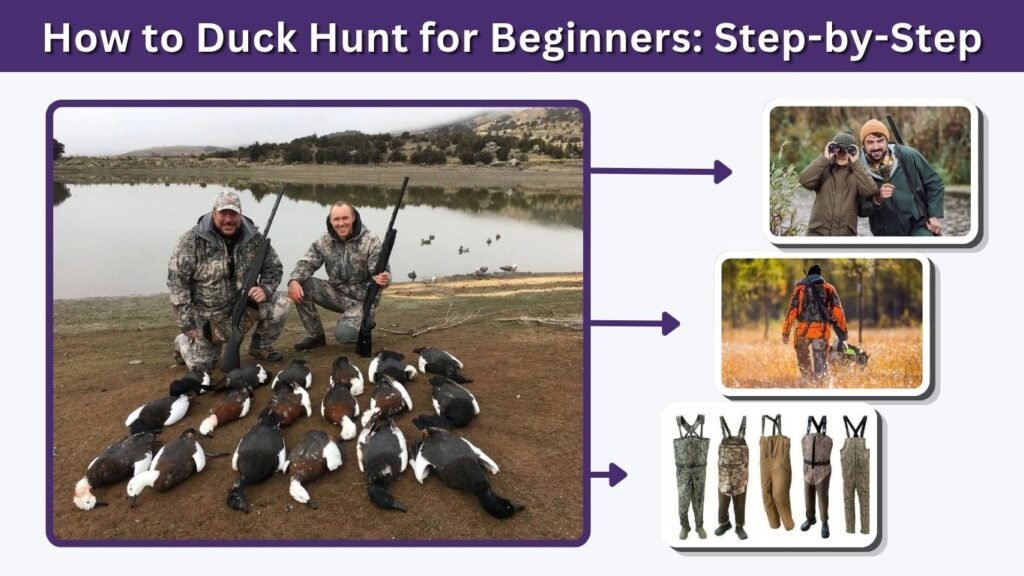
A successful duck hunting trip begins well before arriving at the hunting location. Scouting, understanding bird movement, preparing equipment, and checking environmental conditions are all important activities. Beginners should choose accessible hunting areas and avoid dangerous water conditions. A simple, organized approach makes the experience easier to manage and provides valuable opportunities to observe waterfowl behavior throughout the day.
Basic Steps for Your First Duck Hunt
- Scout a legal hunting location: Observe wetlands, ponds, and marshes where ducks naturally gather.
- Check the weather: Review wind, temperature, precipitation, and water conditions.
- Prepare equipment: Inspect clothing, waders, safety equipment, and other essential gear.
- Set up before hunting begins: Arrange your hunting area while following local access and shooting-hour regulations.
- Identify approaching birds: Confirm the species and legal status before considering a shot.
- Recover harvested ducks: Retrieve birds promptly and follow all possession and transportation requirements.
Setting Up Duck Decoys
Duck decoys imitate birds resting or feeding on the water. Their purpose is to make a hunting location appear familiar to passing waterfowl.
Beginners can start with a modest number of decoys rather than investing in a large collection.
Watching actual duck behavior helps hunters understand how natural groups gather and move.
Learning Basic Duck Calls
Duck calling requires practice and an understanding of species-specific sounds.
Beginners commonly start by learning simple mallard quacks before exploring more advanced calling patterns.
Listening to real birds can improve recognition of natural sounds. Excessive calling is not necessary, and quiet observation is often equally valuable.
Duck Hunting Tips for Beginners
Developing good duck hunting habits takes time and field experience. New hunters often concentrate on equipment while overlooking important factors such as scouting, weather awareness, and patience. Understanding these fundamentals can improve the overall experience. Instead of expecting immediate success, beginners should treat each trip as an opportunity to observe waterfowl, develop practical skills, and become more confident outdoors.
Seven Essential Duck Hunting Tips
- Scout regularly: Learn where ducks feed, rest, and travel.
- Study duck identification: Recognize different species and understand their legal restrictions.
- Practice firearm safety: Keep the muzzle pointed in a safe direction and follow established safety rules.
- Dress for changing weather: Use suitable insulating layers and waterproof outerwear.
- Remain patient: Waterfowl movements can be unpredictable.
- Learn from experienced hunters: Ask questions and observe responsible hunting practices.
- Prioritize ethical recovery: Take only safe, lawful shots and make reasonable efforts to retrieve harvested birds.
Common Beginner Mistakes to Avoid
Many beginners underestimate changing weather and water conditions. Wet clothing, cold temperatures, and unexpected water depth can quickly create dangerous situations.
Another mistake is attempting to hunt without properly identifying duck species. Some waterfowl have different harvest restrictions, making identification an essential skill.
Beginners should also avoid purchasing unnecessary accessories before understanding their local hunting environment.
Duck Hunting Safety and Etiquette
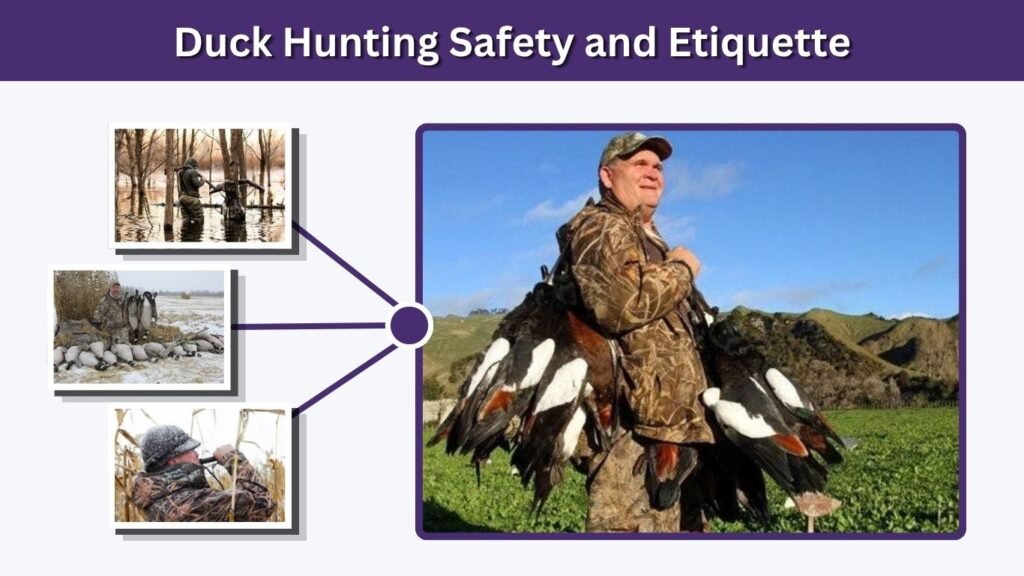
Safety and respectful behavior are fundamental parts of responsible duck hunting. Wetlands introduce additional hazards, including deep water, unstable ground, cold temperatures, and limited visibility. Hunters must also consider the safety of nearby people and animals. Learning appropriate field etiquette reduces conflicts, protects wildlife habitats, and helps beginners develop responsible habits that remain valuable throughout their hunting experience.
Staying Safe Around Water
Never enter unfamiliar water without checking its depth and identifying potential hazards.
Use an appropriate personal flotation device when boating and follow applicable boating safety requirements. A wading belt can help reduce water entering waders, but it does not replace flotation equipment.
Avoid traveling alone in remote wetlands, especially during severe weather.
Respecting Other Hunters and Wildlife
Maintain appropriate distances from other hunting parties and respect established hunting locations.
Avoid interfering with nearby hunters, and never discharge a firearm toward unidentified movement or an unsafe background.
Follow land-access rules, remove litter, and leave natural habitats in good condition.
FAQs
First-time duck hunters often have questions about equipment, costs, hunting locations, and basic preparation. Understanding these subjects before entering the field can prevent avoidable problems and make the learning process easier. The following frequently asked questions address common beginner concerns, including suitable equipment, essential gear, and the difficulty of learning waterfowl hunting skills with limited previous experience.
1. Is Duck Hunting Hard for Beginners?
Duck hunting can be challenging initially because it requires preparation, patience, bird identification, and outdoor skills. However, beginner-friendly guided hunts and experienced mentors can make learning easier.
2. What Is the Best Shotgun for Beginner Duck Hunting?
A properly fitted, legally compliant 12-gauge or 20-gauge shotgun may be suitable, depending on the hunter. Comfort, recoil management, safe operation, and professional instruction are more important than choosing a particular brand.
3. What Are the Best Waders for Beginner Duck Hunting?
Breathable waders are versatile for changing temperatures, while neoprene waders offer additional insulation in cold weather. Proper fit, waterproof construction, traction, and safe wading practices should guide selection.
4. Can You Go Duck Hunting Without Decoys?
Yes. Some legal hunting methods do not require decoys. However, artificial decoys are commonly used to imitate groups of ducks in wetland environments.
5. What Is the Best Way to Learn Duck Hunting?
Taking hunter education courses, practicing firearm safety, studying duck identification, and accompanying an experienced hunter are excellent starting points.
