
A successful duck hunting trip starts with proper preparation, reliable equipment, and a well-organized packing list. Whether you’re hunting flooded timber, marshes, lakes, or agricultural fields, forgetting essential gear can create unnecessary challenges. A complete duck hunting checklist helps ensure you have suitable clothing, waterfowl equipment, safety supplies, and required licenses before leaving home. From waterproof waders and decoys to blind bags and boat accessories, every item serves a purpose. This guide covers essential duck hunting gear, clothing, trip preparation, and safety considerations for beginners and experienced hunters.
Essential Duck Hunting Gear Checklist
Every duck hunter needs equipment suited to the hunting location, weather, and applicable regulations. Although equipment preferences differ, certain essentials remain important across most waterfowl hunts. A reliable firearm, approved ammunition, suitable concealment, and retrieval equipment form the foundation of a hunting setup. Preparing these items in advance reduces the likelihood of arriving at a hunting location without necessary supplies.
Basic Duck Hunting Equipment
- Shotgun: A legally permitted shotgun appropriate for waterfowl hunting.
- Nontoxic ammunition: Federally approved nontoxic shot, such as steel or bismuth, compatible with the firearm.
- Duck decoys: Floating or field decoys suited to the hunting environment.
- Duck calls: Appropriate calls for the waterfowl species being hunted.
- Blind or concealment: A portable blind or permitted natural cover.
- Decoy bag: A durable carrying bag for transporting and organizing decoys.
- Retrieval equipment: Suitable gear for safely recovering harvested birds.
Choosing Equipment for Different Hunting Locations
Marsh hunting often requires waterproof waders and lightweight equipment, while field hunting may involve portable blinds and ground-based decoys.
Hunters using boats must consider available storage space, vessel capacity, and water conditions.
Choose equipment that matches your environment rather than carrying unnecessary accessories.
Duck Hunting Licenses and Legal Requirements
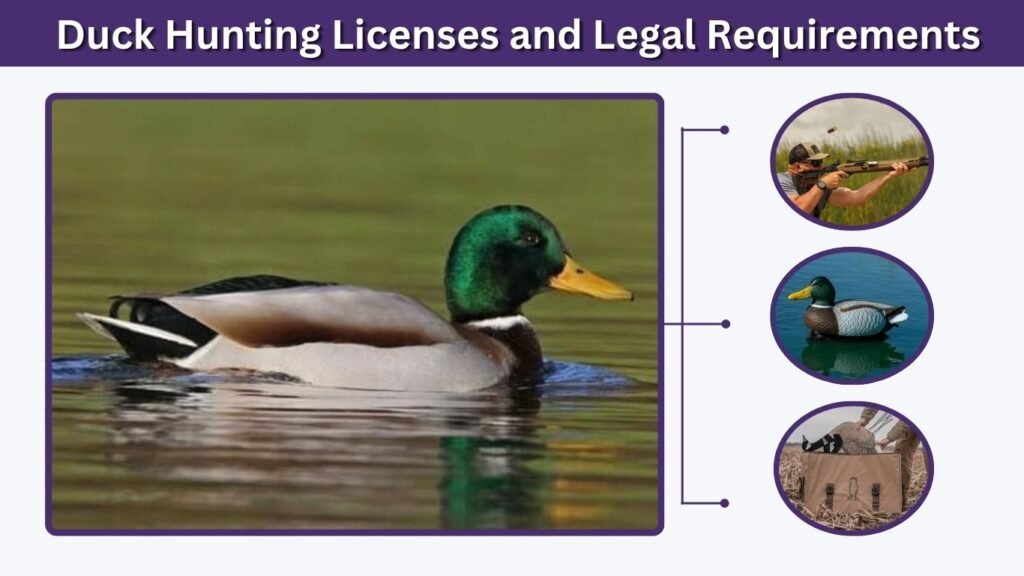
Legal preparation is just as important as packing physical equipment. In the United States, migratory waterfowl hunting is regulated through federal and state requirements. Hunters must verify current seasons, species restrictions, daily bag limits, and permitted hunting methods before going afield. Additional permits may apply to wildlife refuges, managed hunting areas, and certain public properties.
Required Hunting Documents Checklist
- Hunting license: A valid state hunting license or applicable exemption.
- Federal Duck Stamp: Required for U.S. waterfowl hunters aged 16 and older.
- HIP registration: Current Harvest Information Program registration for each state where required.
- State waterfowl permits: Additional stamps or endorsements where applicable.
- Area-specific permits: Required reservations, access permissions, or refuge permits.
- Identification: Suitable identification and proof of required licenses.
Check Current Waterfowl Regulations
Season dates and bag limits vary by state, hunting zone, and species. Always consult the current regulations issued by the relevant wildlife agency.
Federal rules also govern approved nontoxic shot, shotgun capacity, hunting methods, and possession limits.
For ordinary U.S. duck hunting, shotguns generally must be limited to three shells, subject to applicable exceptions.
Duck Hunting Clothing Checklist
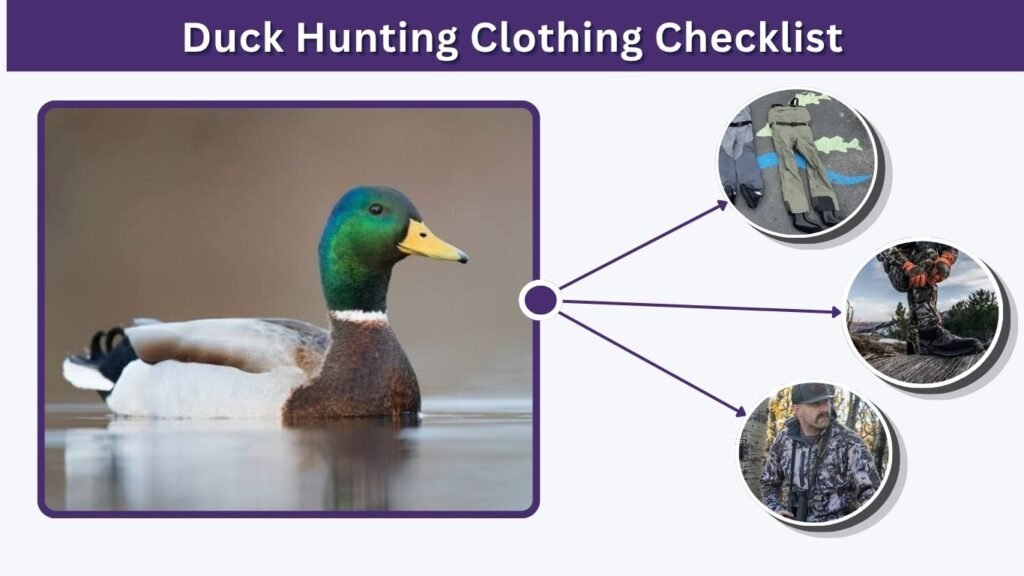
Comfort and safety depend heavily on wearing clothing appropriate for wet, cold, and unpredictable conditions. Duck hunting commonly involves extended periods outdoors, often before sunrise. Waterproof protection, insulation, and breathable layers help manage changing temperatures. Clothing should also allow comfortable movement without restricting essential safety equipment, particularly when hunters are entering boats or navigating wetland environments.
Waterproof Waders and Hunting Boots
Chest waders are especially useful in shallow marshes and flooded environments. Breathable or insulated models may be appropriate depending on temperature and activity level.
Waterproof boots with suitable traction provide protection in muddy fields and along shorelines.
Before every trip, inspect waders for leaks, damaged seams, and worn boots.
Jackets, Gloves, and Thermal Layers
A moisture-wicking base layer helps keep perspiration away from the skin, while insulating layers provide warmth.
A waterproof outer jacket protects against wind, rain, and splashing water.
Gloves, warm socks, and a weather-resistant hat add comfort during colder hunts. Keep a dry change of clothing available in case of accidental immersion.
Duck Hunting Blind Bag Checklist
A well-organized blind bag keeps important accessories accessible throughout the hunt. Rather than carrying everything in loose pockets, hunters can separate personal supplies, safety equipment, and smaller accessories. Waterproof storage is especially useful because marsh environments expose equipment to rain, mud, and moisture. Preparing the blind bag before departure can prevent forgotten items and reduce unnecessary movement in the field.
Essential Items for Your Blind Bag
- License and permits: Protected from moisture in a waterproof pouch.
- Hearing protection: Suitable earplugs or earmuffs.
- Eye protection: Protective shooting glasses.
- First-aid supplies: Bandages and essential personal medications.
- Headlamp: Useful for navigation before and after legal shooting hours.
- Phone and power bank: Fully charged communication equipment.
- Drinking water: Enough for the expected trip duration.
- Snacks: Convenient food for extended outings.
- Dry gloves: A spare pair stored in a waterproof compartment.
How to Organize Your Blind Bag
Keep frequently used accessories in accessible compartments. Store electronics and documents in sealed waterproof pouches.
Separate food, clothing, and safety supplies to prevent unnecessary searching.
Avoid overpacking because a heavy bag becomes difficult to transport across muddy fields or through shallow water.
Duck Hunting Boat and Kayak Checklist
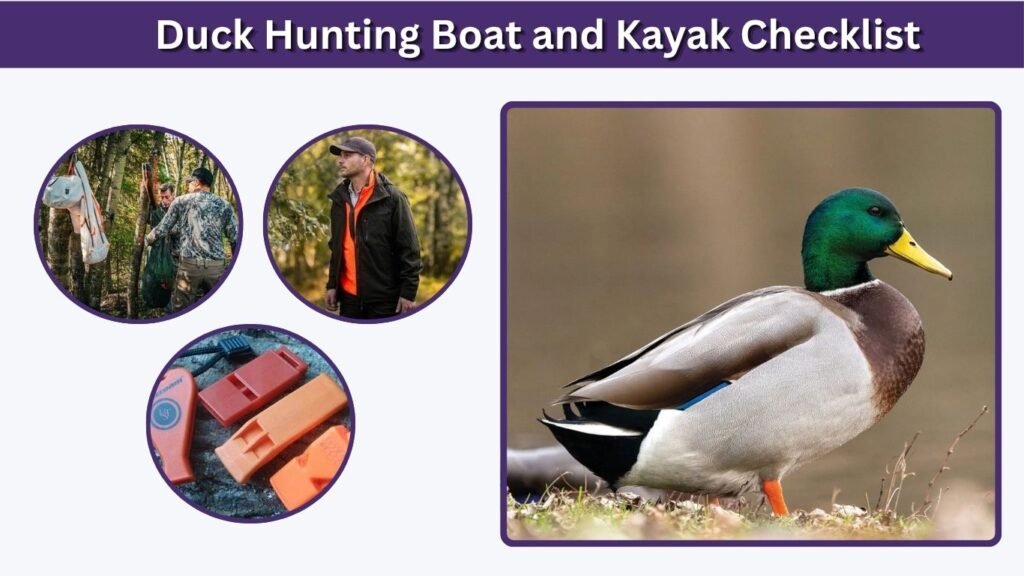
Boat-based duck hunting requires additional preparation because cold water, unpredictable weather, and overloaded vessels create serious hazards. Boats and kayaks should be suitable for the environment and properly maintained before departure. Safety equipment must meet applicable boating requirements, which vary according to vessel type, length, location, and operating conditions.
Duck Hunting Boat Safety Checklist
- Life jackets: Properly fitted, approved personal flotation devices for everyone aboard.
- Navigation lights: Functional lighting when required for operating conditions.
- Communication device: Waterproof phone or marine radio appropriate for the location.
- Emergency signaling equipment: Whistle and other required signaling devices.
- First-aid kit: Protected inside a waterproof container.
- Emergency clothing: Spare dry layers and thermal protection.
- Boat inspection: Check hull, motor, fuel, and required safety equipment.
- Registration: Current vessel registration and necessary documentation.
Special Considerations for Kayak Hunting
Hunting kayaks require careful attention to stability, weight distribution, and changing water conditions.
Keep heavy equipment secured and avoid exceeding the manufacturer’s capacity rating.
Wear an appropriate life jacket and avoid water conditions beyond your paddling experience. Never assume that waterproof waders can replace a flotation device.
Duck Hunting Trip Checklist and Preparation
Planning a duck hunting trip involves more than collecting equipment. Weather conditions, transportation, hunting permissions, and group coordination can affect the entire experience. Preparing the evening before departure gives hunters time to inspect equipment and resolve missing supplies. Clear communication with hunting partners is particularly important when navigating unfamiliar wetlands, remote properties, or cold-water environments.
What to Prepare Before Your Duck Hunt
Check the latest weather forecast, including wind, precipitation, temperature, and water conditions.
Confirm the hunting area’s access rules, season dates, and legal shooting hours.
Inspect your equipment, charge communication devices, and establish an emergency contact plan. Tell someone your destination and expected return time.
Arkansas and Out-of-State Duck Hunting Trips
Traveling to Arkansas or another state requires additional attention to nonresident licensing, hunting permissions, and area-specific regulations.
Some public hunting areas have restrictions involving permits, access times, boats, or equipment.
Review the current regulations from the appropriate state wildlife agency rather than relying on information from previous hunting seasons.
Duck Species Identification and Hunting Safety
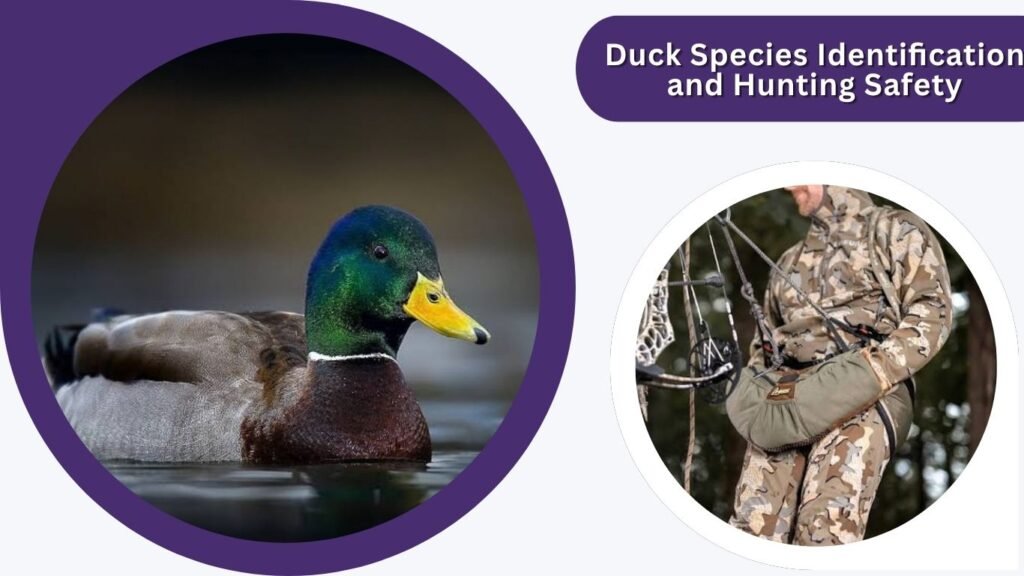
Correct duck identification is essential for legal and responsible hunting. Some species have different harvest restrictions, and not every waterbird encountered is legally huntable. Hunters should learn identifying characteristics before entering the field and avoid firing when identification is uncertain. Safe firearm handling, awareness of other hunters, and environmental responsibility remain important throughout the hunting trip.
Common Duck Species to Recognize
Frequently encountered North American ducks include mallards, wood ducks, teal, gadwalls, pintails, wigeons, canvasbacks, and redheads.
Identification should consider body shape, plumage, flight characteristics, and regional distribution.
Hunters must also recognize protected species and check current bag limits for each permitted species.
Essential Hunting Safety Practices
Always keep firearms pointed in a safe direction and keep fingers away from triggers until ready to shoot.
Identify the target and what lies beyond it. Maintain clear communication with hunting partners and never shoot toward people, boats, buildings, or uncertain targets.
Retrieve harvested birds responsibly and collect spent shells and other litter before leaving.
FAQs
Preparing for duck hunting can raise questions about essential equipment, clothing, legal requirements, and trip organization. Beginners may wonder which items are absolutely necessary, while experienced hunters often focus on specialized accessories for particular locations. These common questions provide practical guidance for preparing an organized and responsible waterfowl hunting trip.
1. What Should Every Duck Hunter Bring?
Essential items include appropriate licenses, approved ammunition, a suitable shotgun, weather-appropriate clothing, safety equipment, and necessary retrieval gear.
2. Do Beginners Need Expensive Duck Hunting Gear?
No. Beginners can start with reliable essential equipment and add specialized accessories as their experience develops.
3. What Should I Wear for Duck Hunting?
Wear weather-appropriate insulating layers, waterproof outerwear, suitable boots or waders, and protective gloves. Dress according to expected conditions.
4. What Should Be in a Duck Hunting Blind Bag?
Pack licenses, hearing protection, first-aid supplies, water, snacks, communication equipment, spare gloves, and other essential personal items.
5. Do I Need a Boat for Duck Hunting?
No. Duck hunting is possible from suitable shorelines, agricultural fields, and accessible wetlands where hunting is permitted. Boats are useful but not always necessary.
