
Deer hunting takes patience, planning, safety, and good field awareness. Whether you are hunting whitetail, mule deer, or blacktail deer, the basic goal is the same: understand deer movement, stay hidden, play the wind, and follow local hunting rules. These deer hunting tips will help beginners and improving hunters prepare smarter, choose better spots, and avoid common mistakes in the field.
Understand Deer Behavior Before You Hunt
Before choosing a stand, blind, or route, learn how deer use the land. Deer usually move between bedding areas, feeding areas, water sources, and cover. The best hunting spots are often travel routes between these zones.
Look for Fresh Deer Sign
Fresh signs tell you deer are using the area now, not just sometime in the past. Look for:
- Fresh tracks in soft soil, mud, sand, or snow
- Rubs on small trees during the rut
- Scrapes under overhanging branches
- Droppings that still look moist or dark
- Trails leading from thick cover to food sources
Hunt Travel Corridors
A travel corridor is a path deer use to move safely. These can include creek bottoms, fence gaps, field edges, logging roads, saddles, and strips of cover between open areas. Hunting near these routes is often better than sitting directly in a feeding field.
Play the Wind and Control Your Scent
Deer rely heavily on smell, so wind direction can make or break your hunt. The Missouri Department of Conservation recommends setting stands so prevailing winds carry human scent away from where deer are expected to pass.
Always Hunt Downwind
Try to sit downwind or crosswind of expected deer movement. If the wind is blowing from you toward the bedding area or trail, deer may smell you before you ever see them.
Reduce Human Scent
Scent control does not make you invisible, but it helps. Wash hunting clothes in scent-free detergent, store them away from fuel or food smells, and avoid sweating heavily while walking to your spot. Missouri notes that scent products may reduce odor, but positioning with the wind is still most important.
Best Deer Hunting Tips for Beginners
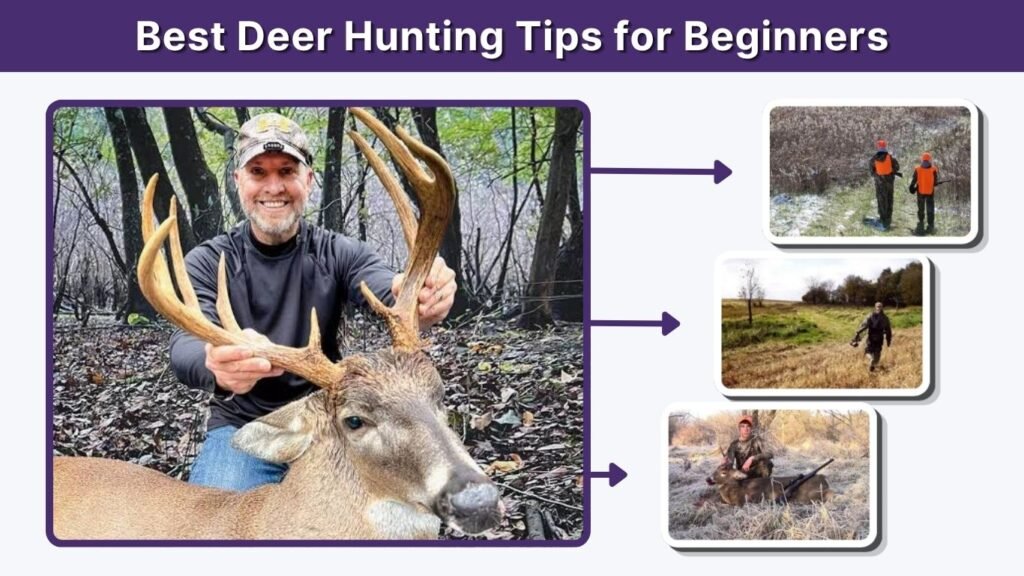
Beginner deer hunters often focus too much on gear and not enough on patience, entry routes, and quiet movement. Start simple and learn from each hunt.
| Beginner Mistake | Better Approach |
| Walking too fast into the woods | Move slowly and quietly |
| Ignoring wind direction | Check wind before choosing a spot |
| Hunting only open fields | Focus on trails, edges, and cover |
| Leaving too early | Stay through key movement times |
| Overusing calls | Call lightly and only when needed |
Get There Early
Arrive before deer start moving. For morning hunts, settle in before daylight. For evening hunts, get into position before deer begin leaving bedding cover.
Stay Still and Patient
Small movements can alert deer. Move your head slowly, keep your hands close, and avoid unnecessary noise. Many deer are spotted only after sitting quietly for a long time.
Whitetail Deer Hunting Tips
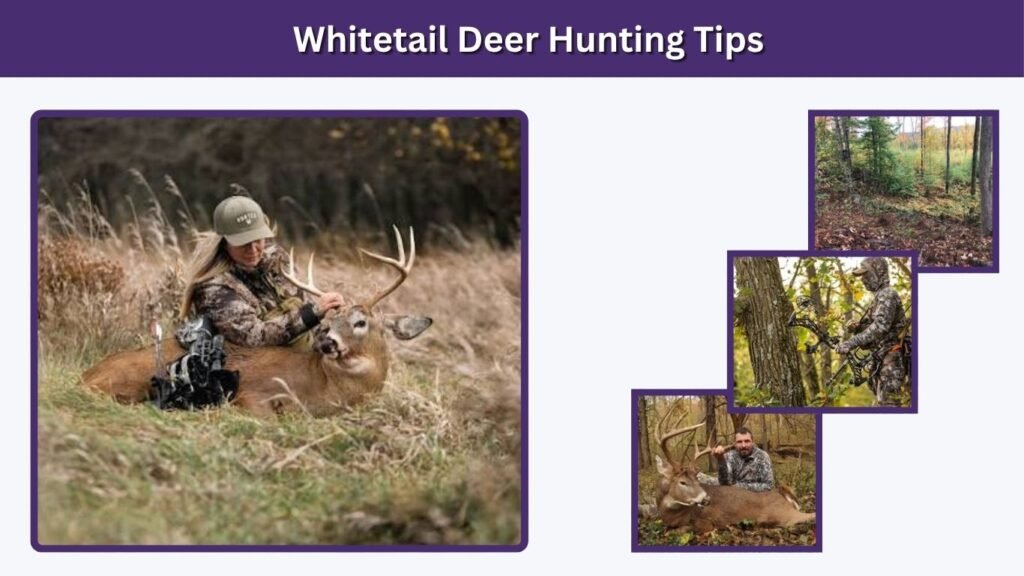
Whitetails are cautious and often use cover to avoid open spaces. They are highly responsive to pressure, especially on public land and during firearm season.
Focus on Edges
Whitetails often travel along edges where two habitats meet. Good places include:
- Field edge and woods edge
- Thick brush and open timber
- Creek bottom and ridge side
- Clear-cut edge and mature woods
Hunt the Rut Carefully
During the rut, bucks travel more as they search for does. This can make daylight movement better, but it also makes deer unpredictable. Hunt near doe bedding areas, pinch points, funnels, and scrape lines.
Mule Deer Hunting Tips
Mule deer often live in more open country than whitetails, so glassing and careful stalking become more important. Instead of sitting all day in one tight area, mule deer hunters often cover country with their eyes first.
Use High Points for Glassing
Find a ridge, hill, or open vantage point and scan slowly with binoculars. Look for ears, antler tips, body lines, or movement near brush, draws, and shaded slopes.
Plan Your Stalk
After spotting a deer, study the wind, terrain, and cover before moving. A good stalk may take a long time. Move only when the deer is feeding, looking away, or bedded with limited visibility.
Bow Hunting Deer Tips
Bow hunting requires closer distance, better concealment, and more patience. You need deer to come within a limited range, so stand placement matters.
Choose Close-Range Setups
Set up near trails, pinch points, food routes, or scrape lines where deer naturally pass close. Avoid spots where deer stay too far away for an ethical shot.
Practice From Realistic Positions
Practice from seated, kneeling, and elevated positions if you hunt from a stand. Practice with the same clothing layers you expect to wear, because bulky clothing can change your draw and movement.
Ground Deer Hunting Tips
Ground hunting can work well, especially where trees are limited or stands are not allowed. The challenge is staying hidden at deer eye level.
Use Natural Cover
Sit with your back against a tree, brush pile, blowdown, or thick vegetation. Avoid sitting in the open with your outline clearly visible.
Keep Entry Routes Quiet
Your walk in matters. Avoid crossing major deer trails, bedding cover, or open feeding areas. Use creeks, ditches, field edges, or thick cover to hide your approach.
Early Season, Rut, and Late Season Tips
Deer patterns change as food, weather, breeding behavior, and hunting pressure change. Adjusting to the season is one of the best deer hunting techniques.
| Season Phase | Best Focus |
| Early season | Food sources, water, evening movement |
| Pre-rut | Rub lines, scrapes, travel routes |
| Rut | Funnels, doe areas, all-day sits |
| Late season | Food, thermal cover, low pressure |
Early Season Deer Hunting Tips
Focus on food and water. Deer may follow predictable feeding patterns before heavy pressure begins. Evening hunts near food sources can be productive.
Late Season Deer Hunting Tips
In cold weather, deer often prioritize food and cover. Hunt near late-season food sources, sheltered bedding areas, and routes between the two.
Public Land Deer Hunting Tips
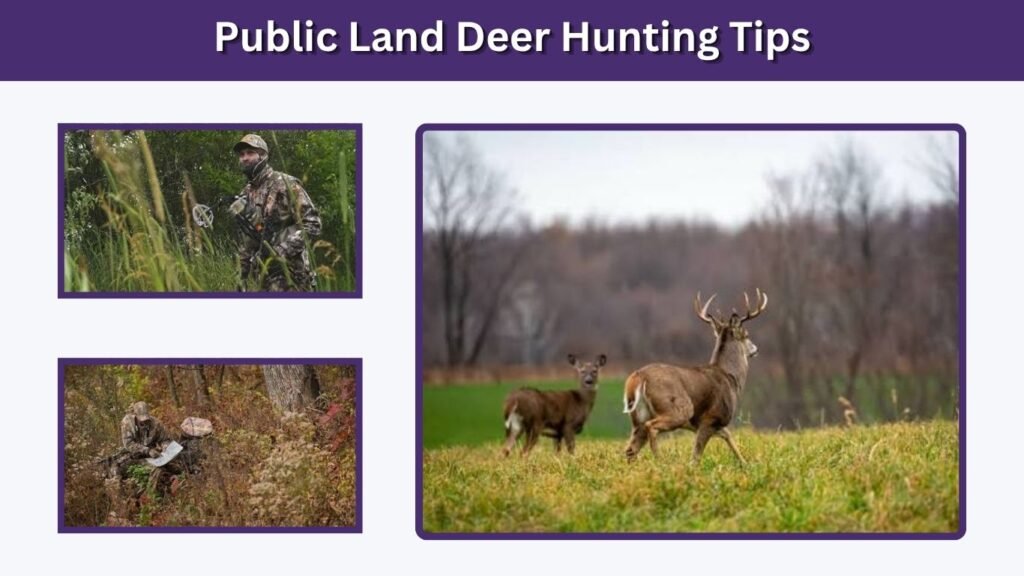
Public land deer hunting can be difficult because deer react to pressure. The key is finding overlooked areas and avoiding obvious spots.
Walk Beyond Easy Access
Many hunters stay close to roads, parking areas, and easy trails. Going deeper is not always necessary, but hunting overlooked pockets near thick cover can help.
Have Backup Spots
Public areas can be crowded. Scout multiple locations so you can adjust if another hunter is already near your first choice.
Deer Hunting Clothing and Safety Tips
Clothing should keep you quiet, comfortable, visible when required, and suited for the weather. Safety should always come before success.
Wear the Right Layers
Use moisture-wicking base layers, warm insulation, and a quiet outer layer. Avoid noisy fabric that scrapes against branches. In cold weather, keep your feet, hands, and head warm.
Follow Hunter Orange Rules
Hunter orange rules vary by location and season. For example, Texas requires hunter orange on public hunting lands during daylight hours when firearm hunting is permitted, and Texas hunter education guidance recommends fluorescent orange for visibility. Always check your local deer hunting regulations before going out.
Know Your Target and Beyond
Never shoot at sound, movement, or an unclear shape. Texas Parks and Wildlife emphasizes knowing your target and what is behind it before shooting. This rule applies to firearms, bows, and crossbows.
About Arrow Tips, Bullet Tips, and Legal Gear
Some hunters search for arrow tips for hunting deer, deer hunting arrow tips, or ammunition questions such as deer hunting with 5.56 green tip. The safest advice is to check local regulations and choose legal, ethical equipment suited for deer-sized game. Rules on methods, ammunition, broadheads, and public land access can vary by state, county, and season.
FAQs
What is the best tip for deer hunting beginners?
The best tip is to learn wind direction before choosing a spot. Deer can detect human scent quickly, so even a great location can fail if the wind carries your scent toward the deer. Start with simple setups near fresh sign and stay patient.
What time of day is best for deer hunting?
Early morning and late afternoon are often productive because deer commonly move between bedding and feeding areas during low-light periods. During the rut or cold late season, deer may also move during midday, especially in low-pressure areas.
How do you hunt deer from the ground?
Use natural cover, sit still, and keep the wind in your favor. Choose a spot near trails, funnels, or food routes, then break up your outline with brush or a tree behind you. Ground hunting requires extra patience because deer are closer to your eye level.
What are the best late season deer hunting tips?
Late season deer hunting is usually about food, cover, and energy conservation. Focus on food sources, warm bedding cover, and trails between them. Hunt carefully because deer may be pressured and alert after earlier seasons.
Is public land deer hunting harder?
Public land deer hunting can be harder because deer often face more pressure. However, hunters can improve success by scouting overlooked cover, avoiding crowded access points, checking wind direction, and preparing several backup spots before the season begins.
