
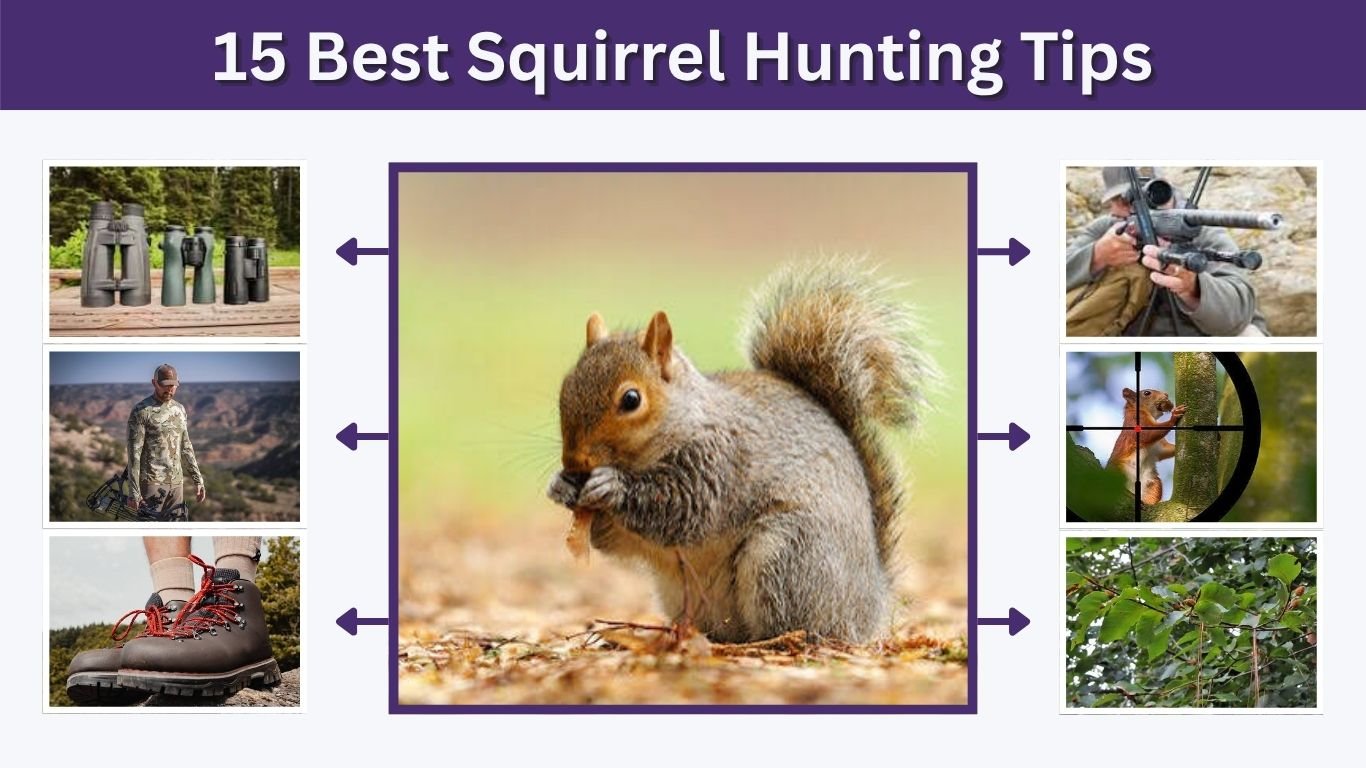
Squirrel hunting is an enjoyable outdoor activity that helps beginners develop patience, observation skills, and an understanding of wildlife behavior. However, successful squirrel hunting requires more than simply walking through the woods. Knowing where squirrels feed, when they become active, and how their habits change throughout the year can make a significant difference. Whether you are hunting gray squirrels, fox squirrels, or exploring winter hunting opportunities, these practical squirrel hunting tips will help you become a more confident, responsible, and successful hunter.
15 Best Squirrel Hunting Tips for Beginners

Successful squirrel hunting begins with understanding squirrel behavior and choosing the right hunting approach. These small animals have excellent hearing and can quickly detect unfamiliar movements. Beginners should focus on scouting, patience, and observing their surroundings rather than rushing through wooded areas. The following tips can help improve your hunting experience.
1. Check Local Squirrel Hunting Regulations
Before planning a hunting trip, check your state’s wildlife regulations. Hunting seasons, daily bag limits, legal equipment, and license requirements vary by location. Some squirrel species are protected or have different restrictions.
Confirm that hunting is permitted on your chosen property. Completing a hunter education course is also an excellent way for beginners to learn essential safety practices and responsible hunting techniques.
2. Find Areas with Plenty of Food
One of the most effective squirrel hunting tips is to locate their favorite food sources. Squirrels frequently visit hardwood forests containing oak, hickory, walnut, and beech trees.
Look for mature trees producing abundant nuts. These locations attract feeding squirrels throughout autumn. Areas near wooded creek bottoms, forest edges, and established feeding grounds can also provide excellent hunting opportunities.
3. Look for Fresh Squirrel Activity
Learning to recognize squirrel activity can save hours of unnecessary walking. Search beneath trees for freshly broken nutshells, disturbed leaves, and signs of feeding.
You may also notice leafy nests high in branches or squirrels moving between nearby trees. Fresh feeding debris is especially useful because it suggests squirrels have recently visited the area and may return.
4. Hunt During Active Feeding Hours
Early morning and late afternoon are generally productive times for squirrel hunting. Squirrels often leave their resting places around sunrise to search for food.
They may become active again during the final hours of daylight. However, activity changes with temperature, weather, and species. Fox squirrels, for example, may remain active later into the morning than gray squirrels.
5. Walk Slowly and Stop Frequently
Moving too quickly through the forest can alert squirrels before you notice them. Practice still-hunting by walking quietly for short distances and stopping regularly to observe.
Avoid snapping branches or disturbing dry leaves unnecessarily. Pause behind large trees and scan surrounding branches. Slow, deliberate movement gives you more opportunities to notice squirrels without immediately frightening them.
6. Listen Carefully for Squirrel Sounds
Your ears can be just as useful as your eyes during a squirrel hunt. Squirrels produce recognizable sounds while feeding, running across branches, and communicating.
Listen for falling nutshell fragments, rustling leaves, scratching claws, and short barking calls. These noises can help identify squirrel activity even when thick foliage makes the animals difficult to see.
7. Practice the Sit-and-Wait Method
Sitting quietly near an active feeding area is another effective approach. Find a comfortable position where you can observe several nut-producing trees without excessive movement.
Remain patient and allow the woodland to settle. Squirrels that were disturbed may eventually return to feeding. This method is particularly helpful for beginners who are still developing their observation and movement skills.
8. Choose Favorable Weather Conditions
Weather significantly influences squirrel activity. Calm mornings with mild temperatures often provide excellent opportunities because squirrels can move and feed without strong winds.
Light rain or damp conditions may also help reduce noise from dry leaves. However, strong winds make it difficult to detect movement among branches. During extreme cold, squirrels may remain sheltered for longer periods.
Seasonal Squirrel Hunting Tips

Squirrel behavior changes with seasonal food availability, temperatures, and forest conditions. Understanding these patterns helps hunters select suitable locations and adjust their strategies. Early-season hunting requires different observation techniques than late-season hunting when trees have lost their leaves.
9. Early-Season Squirrel Hunting Tips
During the early season, thick green foliage can make squirrels difficult to spot. Focus on listening for feeding activity and watching moving branches.
Hickory trees and other productive food sources are excellent places to observe. Move carefully through shaded woodland areas and avoid unnecessary noise. Cooler mornings are usually more comfortable and productive than hot afternoons.
10. Fall Squirrel Hunting Tips
Fall is one of the most popular squirrel hunting periods because squirrels actively gather and store food for winter.
Focus on hardwood forests where acorns, hickory nuts, and walnuts are available. As different trees begin producing and dropping nuts, squirrel feeding locations may change. Regular scouting helps identify the most active areas throughout the season.
11. Late-Season and Winter Squirrel Hunting Tips
Late-season squirrel hunting requires additional patience because food sources become limited and squirrels may be more cautious.
Look for locations containing stored food, active den trees, and tracks in fresh snow. Calm, sunny winter days can encourage feeding activity. With fewer leaves providing cover, remain still and avoid exposing yourself unnecessarily while observing the surrounding woods.
Gray Squirrel and Fox Squirrel Hunting Tips
Gray squirrels and fox squirrels share many feeding habits, but their preferred environments and daily activity patterns can differ. Recognizing these differences helps hunters understand where each species is more likely to appear.
12. Gray Squirrel Hunting Tips
Gray squirrels commonly inhabit mature hardwood forests, wooded bottomlands, and areas with dense tree cover. They are agile climbers and frequently travel between branches.
Focus on areas containing abundant nut-producing trees. Early mornings are particularly useful for observing feeding activity. Watch for movement in the canopy and listen for the sounds of squirrels opening nuts.
13. Fox Squirrel Hunting Tips
Fox squirrels are generally larger than gray squirrels and frequently occupy open woodlands, forest edges, and scattered stands of mature trees.
They often spend considerable time foraging on the ground and may remain active during midmorning. Search wooded field borders and open hardwood areas where food is available. Observe their movement patterns before deciding where to wait.
Essential Squirrel Hunting Gear and Safety Tips

Having suitable equipment improves comfort and allows hunters to concentrate on their surroundings. More importantly, safe hunting practices should remain the highest priority. Beginners should become familiar with their equipment, understand legal requirements, and avoid taking uncertain shots.
14. Carry Suitable Hunting Equipment
A successful outing does not require expensive equipment. Comfortable boots, weather-appropriate clothing, binoculars, drinking water, and a small first-aid kit are useful.
Where legal, hunters commonly use rimfire rifles or shotguns for squirrels. Bows and air rifles may also be permitted in certain locations. Choose equipment appropriate to your training and local regulations, and practice safely before hunting.
15. Follow Safe and Ethical Hunting Practices
Always identify your target clearly and know what lies beyond it. Never fire at a squirrel silhouetted against the sky without a reliable backstop.
Keep your firearm pointed in a safe direction and your finger away from the trigger until ready to shoot. Never shoot into squirrel nests or occupied tree cavities. Wear blaze orange when required, respect property boundaries, and avoid shots that could cause unnecessary suffering.
FAQs
What Is the Best Time of Day to Hunt Squirrels?
Early morning and late afternoon are usually the best times because squirrels are actively searching for food. However, fox squirrels may also be active around midday, especially during cooler weather.
What Is the Best Weather for Squirrel Hunting?
Calm, mild days are generally ideal. Light rain can make woodland movement quieter, while strong winds and extreme cold may reduce visible squirrel activity.
Does Camouflage Matter for Squirrel Hunting?
Camouflage can help reduce your visibility, but remaining still and avoiding sudden movements are more important. Always follow blaze-orange clothing requirements where applicable.
Can You Hunt Squirrels During Winter?
Yes, in locations where winter squirrel hunting is legal. Focus on calm, warmer days and areas with active food caches or signs of recent feeding.
What Are the Most Important Squirrel Hunting Tips for Beginners?
Start by learning local regulations, identifying squirrel habitats, watching feeding activity, and practicing patience. Develop safe firearm-handling habits and prioritize ethical hunting decisions.
