
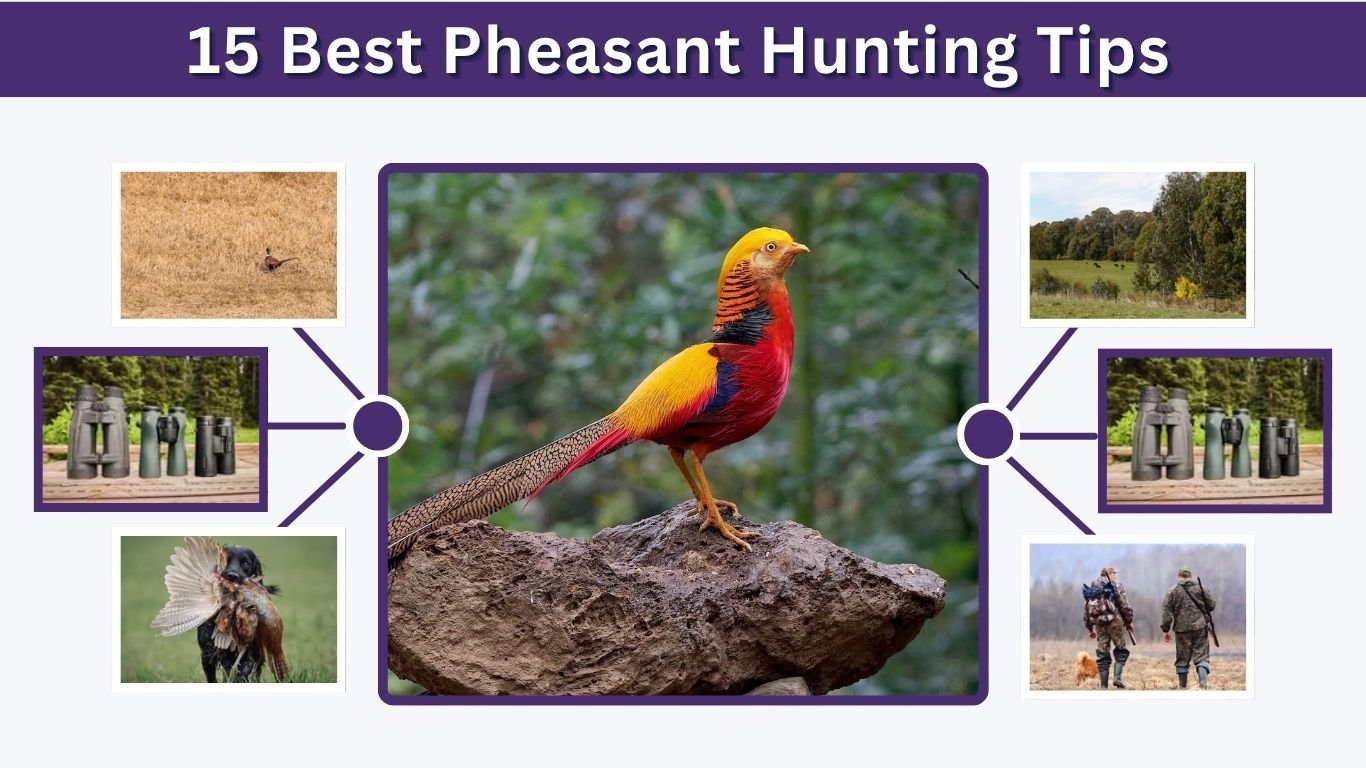
Pheasant hunting is an exciting upland bird hunting activity that combines outdoor adventure, patience, and shooting skills. However, finding and successfully hunting these fast-moving birds requires proper preparation and an understanding of their behavior. Whether you are exploring public hunting land, hunting with a trained dog, or heading into the field alone, learning effective techniques can significantly improve your experience. These practical pheasant hunting tips cover habitat selection, early and late season strategies, shooting techniques, dog training, and essential safety practices for beginners.
15 Essential Pheasant Hunting Tips for Beginners

Successful pheasant hunting starts with understanding where birds live, how they move, and what makes them difficult to locate. Ring-necked pheasants are especially skilled at hiding in tall vegetation and escaping danger by running through dense cover. The following practical strategies will help beginners approach their hunting trips with greater confidence.
1. Understand Local Hunting Regulations
Before your first pheasant hunt, familiarize yourself with local wildlife regulations. Hunting seasons, shooting hours, daily bag limits, and license requirements vary between states.
Some areas permit only rooster pheasants to be harvested, while others have additional restrictions. Always confirm public land access rules and wear required safety clothing. Completing a hunter education course helps beginners develop responsible hunting habits.
2. Scout Productive Pheasant Habitats
Finding suitable habitat is one of the most important pheasant hunting tips. Pheasants commonly occupy agricultural landscapes containing grasslands, crop fields, shelterbelts, and wetland vegetation.
Look for locations where food sources are close to protective cover. Cornfields, grain stubble, grassy waterways, and brushy field edges are especially promising. Scouting before the season can reveal areas where birds regularly feed and seek shelter.
3. Look for Signs of Pheasant Activity
Learning to recognize pheasant activity helps hunters avoid spending too much time searching unproductive areas. Look for tracks along muddy field edges, droppings, feathers, and disturbed vegetation.
Early mornings may provide opportunities to observe birds moving toward feeding areas. You can also listen for the distinctive crowing calls of male pheasants. These clues help identify locations worth exploring.
4. Hunt During Productive Hours
Pheasants often become active during morning and late afternoon feeding periods. They typically move between grassy roosting cover, agricultural fields, and protective vegetation throughout the day.
Midday can also be productive when birds retreat into thicker cover. Study their daily movement patterns and adapt your approach accordingly. Always follow legal shooting hours, which vary by state and may not begin at sunrise.
5. Focus on Field Edges and Cover Transitions
Pheasants frequently travel along areas where different habitat types meet. These transition zones include grassy field borders, drainage ditches, fence lines, and edges of standing crops.
Such locations provide convenient access to food and nearby shelter. Exploring these habitat boundaries can be more manageable for beginners than walking through enormous fields of uninterrupted grass.
6. Move Quietly Through Hunting Areas
Excessive noise can alert pheasants before hunters approach their hiding places. Avoid slamming vehicle doors, shouting unnecessarily, or making sudden movements when entering productive habitat.
Walk at a controlled pace and remain attentive to nearby vegetation. Pheasants often prefer running through cover rather than immediately flying away, so quiet movement improves your ability to observe their behavior.
7. Walk Slowly and Pause Frequently
One useful pheasant hunting technique involves walking slowly through suitable cover and stopping periodically. These pauses may encourage hidden birds to flush when movement resumes.
When hunting without a dog, consider following a gentle zigzag pattern through manageable patches of vegetation. This helps cover more habitat than walking a straight line and reduces the chance of passing close to concealed birds without noticing them.
Pheasant Hunting Tips With and Without a Dog

Hunting dogs can make pheasant hunting more enjoyable and effective, particularly when birds remain hidden in dense grass. However, beginners without trained dogs can still explore productive areas successfully. The important difference involves adjusting movement patterns, choosing manageable terrain, and understanding how pheasants react to approaching hunters.
8. Hunt With a Well-Trained Bird Dog
A trained hunting dog can locate pheasants using scent and help recover downed birds. Popular hunting companions include Labrador Retrievers, English Springer Spaniels, and German Shorthaired Pointers.
Work with your dog at a comfortable pace and remain aware of its location. Wind direction matters because dogs often detect bird scent more effectively when working into the wind. Maintain control throughout the hunt.
9. Practice Pheasant Hunting Without a Dog
Pheasant hunting without a dog requires patience and careful habitat selection. Smaller grass patches, narrow shelterbelts, and field corners are usually easier to explore than extensive blocks of thick vegetation.
Move slowly, pause frequently, and remain alert for sudden bird movement. Because recovering downed birds can be difficult without canine assistance, avoid uncertain shots and carefully mark where any bird falls.
10. Train Your Hunting Dog Before the Season
Proper training helps hunting dogs develop obedience, scenting skills, and reliable retrieving behavior. Begin with basic commands such as come, stay, and heel before introducing more advanced field exercises.
Gradually expose your dog to appropriate hunting environments and practice retrieving under controlled conditions. Consistent training and positive reinforcement improve communication. Always provide sufficient rest, fresh water, and protection from extreme temperatures.
Early and Late Season Pheasant Hunting Tips

Seasonal conditions strongly influence pheasant behavior and habitat preferences. Early in the season, birds may occupy scattered patches of cover near feeding areas. Later, colder temperatures and increased hunting pressure can push pheasants toward denser shelter. Adjusting your strategy to these changes can improve hunting opportunities.
11. Early Season Pheasant Hunting Tips
During the early season, pheasants often use grassy fields, crop edges, and other areas with accessible food and cover. Birds may be widely distributed depending on agricultural activities and weather conditions.
Focus on identifying productive habitat before heavy hunting pressure develops. Warmer temperatures can create challenges for hunting dogs, so carry extra water, monitor for overheating, and take regular breaks.
12. Late Season Pheasant Hunting Tips
Late-season pheasant hunting often requires greater patience because surviving birds have experienced repeated hunting pressure. Pheasants may retreat into cattail marshes, thick native grasses, and protected shelterbelts.
Look for areas offering both winter cover and nearby food sources. Approach quietly and avoid unnecessary disturbance. Cold, windy conditions may encourage birds to remain inside dense vegetation rather than exposed fields.
13. Explore Public Land Hunting Opportunities
Public land pheasant hunting provides opportunities for beginners without access to private farmland. Wildlife management areas, game production areas, and designated walk-in hunting properties can contain excellent habitat.
Study official access maps before visiting and check property-specific restrictions. Less accessible sections may receive lighter hunting pressure. Be respectful of other hunters and remember that conservation habitat signs do not automatically indicate public hunting access.
Pheasant Hunting Shooting and Safety Tips
Pheasants can flush suddenly and fly quickly, making safe shooting skills particularly important. Preparation should involve understanding your equipment, practicing with moving targets, and communicating clearly with hunting partners. Responsible hunting also means recognizing when conditions are unsuitable for taking a shot.
14. Improve Your Pheasant Shooting Skills
Practice shooting flying clay targets before the pheasant season begins. This helps develop smooth shotgun handling, target tracking, and familiarity with moving objects.
Learn how your shotgun performs with suitable ammunition and choke combinations at a supervised shooting range. Only attempt shots when you can positively identify a legal bird, maintain a safe direction, and confidently make an ethical shot.
15. Follow Essential Pheasant Hunting Safety Rules
Safety should remain the highest priority throughout every pheasant hunting trip. Keep your firearm pointed in a safe direction and maintain awareness of hunters, dogs, livestock, and nearby buildings.
Never shoot toward another hunter or at low-flying birds when people or dogs could be in danger. When hunting in groups, establish safe shooting zones and remain in an organized line. Wear blaze orange as required and use eye and hearing protection.
Essential Pheasant Hunting Gear Checklist

Comfortable and reliable equipment helps hunters stay focused throughout long walks across uneven terrain. Beginners should prioritize safety, weather protection, and basic field necessities rather than purchasing unnecessary accessories.
- Shotgun and appropriate ammunition: Use a legal, familiar firearm and ammunition suitable for the location.
- Blaze orange clothing: Improve visibility and comply with local safety requirements.
- Waterproof hunting boots: Protect your feet in wet grass, mud, and uneven ground.
- Brush pants and gloves: Provide protection when moving through dense vegetation.
- Hunting license and maps: Keep the required documents and reliable navigation tools available.
- Water and first-aid supplies: Carry enough for yourself and any accompanying hunting dog.
FAQs
What Is the Best Time of Day to Hunt Pheasants?
Morning and late afternoon feeding periods are often productive. However, legal shooting hours vary by location, and midday hunts can also be successful in dense cover.
Can You Go Pheasant Hunting Without a Dog?
Yes. Focus on smaller patches of suitable habitat, walk slowly, and pause frequently. Marking downed birds carefully is especially important when hunting without a retrieving dog.
What Is the Best Weather for Pheasant Hunting?
Cool conditions with moderate winds can offer comfortable hunting opportunities. During extreme cold or harsh weather, pheasants often seek dense shelter near food sources.
What Are the Best Pheasant Hunting Tips for Beginners?
Begin by checking local regulations, scouting suitable habitat, practicing safe shotgun handling, and learning pheasant behavior. Patience and consistent field experience are particularly valuable.
Is Late Season Pheasant Hunting More Difficult?
Late-season hunting can be challenging because birds may become more cautious and use thicker cover. Targeting sheltered habitat near reliable food sources can improve your chances of finding pheasants.
