
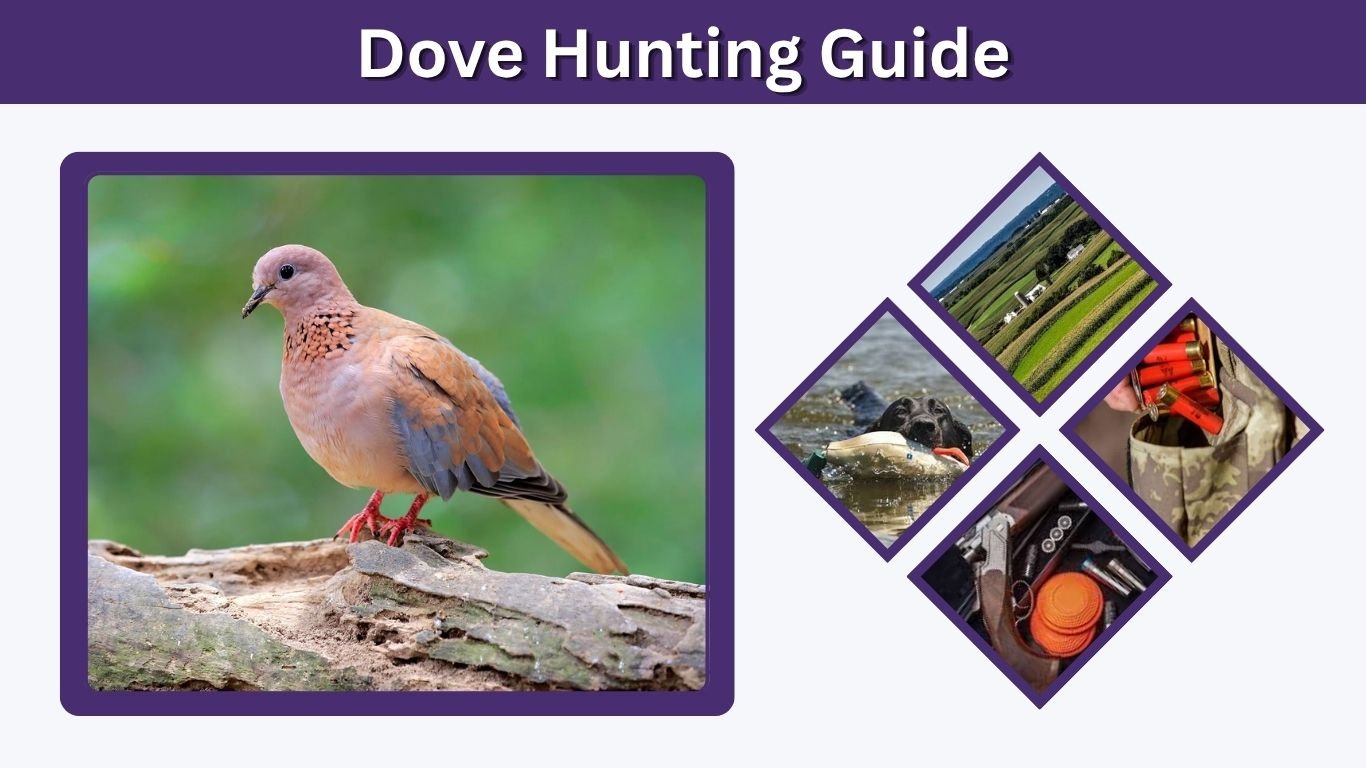
Dove hunting is one of the most popular bird-hunting activities in the United States. It offers exciting outdoor experiences, challenging shooting opportunities, and memorable trips with friends and family. Whether you are a beginner or an experienced hunter, understanding dove behavior, hunting seasons, equipment, and regulations can improve your experience. This guide explains how to dove hunt, what gear you need, where to find doves, and practical hunting tips to help you prepare for a safe and successful trip.
What Is Dove Hunting?
Dove hunting is a recreational activity that involves hunting legally designated dove species during established hunting seasons. Doves are small, fast-flying birds commonly found around agricultural fields, grasslands, and water sources. Their quick movements make them challenging targets, while their widespread distribution makes dove hunting accessible in many parts of the country.
Common Types of Doves Hunted
Several dove species occur throughout the United States, although hunting regulations differ by species and location.
- Mourning Dove: One of the most commonly hunted doves, recognized by its pointed tail and brownish-gray feathers.
- White-Winged Dove: Identified by its distinctive white wing markings and commonly found in southern states.
- Eurasian Collared-Dove: A larger, pale-colored dove with a black neck collar. Hunting rules vary by state.
- White-Tipped Dove: A dove found mainly in southern Texas, where specific harvest restrictions apply.
Where Do Doves Usually Live?
Doves prefer open habitats with easy access to food, water, and resting areas. Agricultural fields containing harvested sunflower, wheat, or other seed crops often attract feeding birds.
They also visit ponds, livestock watering areas, grasslands, and woodland edges. Understanding these natural movement patterns helps hunters choose suitable locations without disturbing protected habitats.
Dove Hunting Season and License Requirements
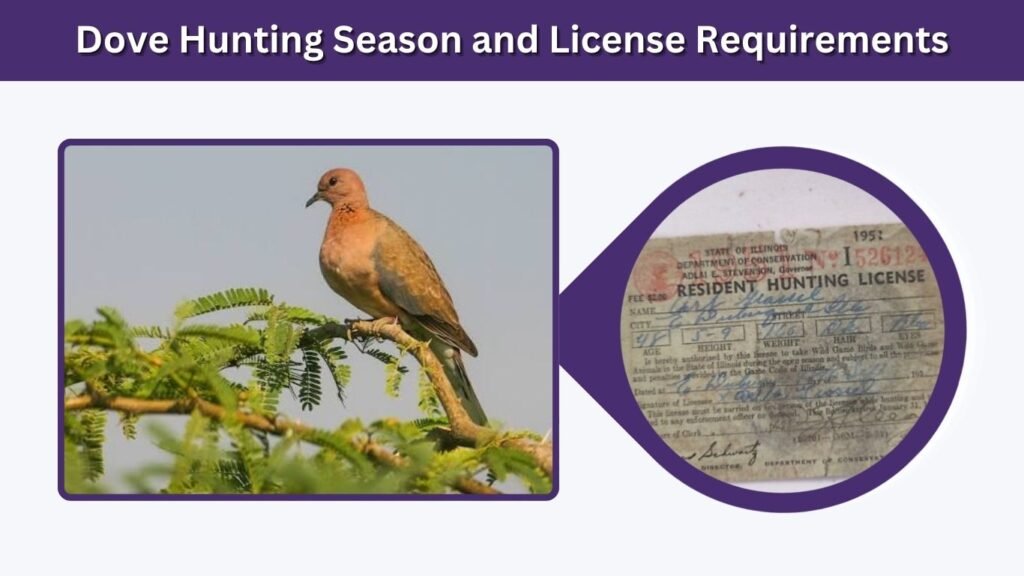
Dove hunting seasons vary across the United States because wildlife agencies establish regulations based on bird populations, migration patterns, and conservation requirements. Most states provide hunting opportunities during fall, while some offer additional winter periods. Hunters must understand local regulations before planning a trip.
When Is Dove Hunting Season?
Many states begin their dove hunting season in September, although exact dates differ by location.
For the 2026–2027 hunting season:
- Texas: Regular seasons begin September 1, 2026, with closing dates and winter segments varying among the North, Central, and South zones.
- California: Mourning dove and white-winged dove seasons run September 1–15 and November 14–December 28, 2026.
- Georgia: Regular dove seasons run September 5–October 11, November 21–29, 2026, and December 19, 2026–January 31, 2027.
Always confirm current dates and daily bag limits with your state wildlife agency before hunting.
Do You Need a Dove Hunting License?
Most dove hunters need a valid state hunting license and Harvest Information Program (HIP) certification. Additional migratory bird endorsements may also be required.
For example, Texas requires a hunting license, migratory game bird endorsement, and HIP certification. Hunter education requirements may apply depending on age and other state-specific rules.
Hunters must also follow legal shooting hours, possession limits, firearm restrictions, and regulations concerning baited fields.
Essential Dove Hunting Gear

Choosing appropriate dove hunting gear helps improve comfort, preparation, and safety in the field. Equipment needs vary depending on hunting conditions, weather, and experience. Beginners generally benefit from a simple setup that includes appropriate clothing, protective equipment, and supplies for spending several hours outdoors.
Best Shotgun and Choke for Dove Hunting
A 12-gauge or 20-gauge shotgun is a common choice for dove hunting. Both are widely used, although recoil, handling, and personal comfort differ.
Improved cylinders and modified chokes are popular options for different shooting distances. An improved cylinder offers a relatively open pattern, while a modified choke provides a tighter pattern.
Hunters should choose equipment they can handle safely and practice at an appropriate shooting range before hunting.
Important Dove Hunting Accessories
The following equipment can make a hunting trip more comfortable and organized:
- Dove hunting vest: Provides convenient storage for ammunition and harvested birds.
- Camouflage clothing: Helps hunters blend into the surrounding vegetation.
- Hunting hat: Protects the face and head from direct sunlight.
- Portable hunting chair: Provides comfortable seating during extended periods.
- Protective glasses: Help protect the eyes while shooting.
- Hearing protection: Reduces exposure to damaging firearm noise.
- Water and first-aid supplies: Support hydration and basic emergency preparedness.
Bright safety clothing may also be useful when moving through shared hunting areas, subject to local requirements.
Are Dove Hunting Decoys Necessary?
Dove hunting decoys are optional, but they can help attract attention by suggesting that other doves are feeding or resting nearby.
Hunters commonly use stationary dove decoys around field edges and other suitable locations. However, observing natural bird movements and selecting appropriate habitat are often more important than carrying numerous accessories.
How to Dove Hunt: Beginner Hunting Tips
Successful dove hunting begins with preparation, patience, and understanding the birds’ daily activities. Beginners should focus on finding legal hunting locations, learning safe firearm handling, and recognizing dove flight patterns. Simple habits can make hunting more enjoyable while reducing unnecessary risks and mistakes.
1. Scout the Hunting Area
Visit potential hunting locations before the season or scheduled hunt. Look for feeding areas, nearby water sources, and places where doves regularly travel.
Observing birds from a safe distance can help you recognize their movement patterns. Always obtain the necessary permission before entering private land.
2. Choose the Best Time to Dove Hunt
Early morning and late afternoon are often productive because doves commonly move between feeding, watering, and resting locations during these periods.
Activity can change depending on temperature, wind, food availability, and human disturbance.
3. Practice Before Hunting
Dove hunting involves relatively small, fast-moving birds, so practicing safe shotgun handling and clay-target shooting can help beginners become more comfortable.
A supervised shooting range offers a controlled environment for learning basic firearm safety and responsible shooting habits.
4. Follow Responsible Hunting Practices
Maintain awareness of nearby hunters, buildings, roads, livestock, and other potential hazards. Never fire without knowing what lies beyond the target.
Respect legal bag limits, identify the species correctly, and make reasonable efforts to retrieve harvested birds.
Federal rules prohibit hunting migratory game birds over illegally baited areas and generally limit hunting shotguns to three shells. Hunters should also check site-specific ammunition requirements.
Best Places for Dove Hunting
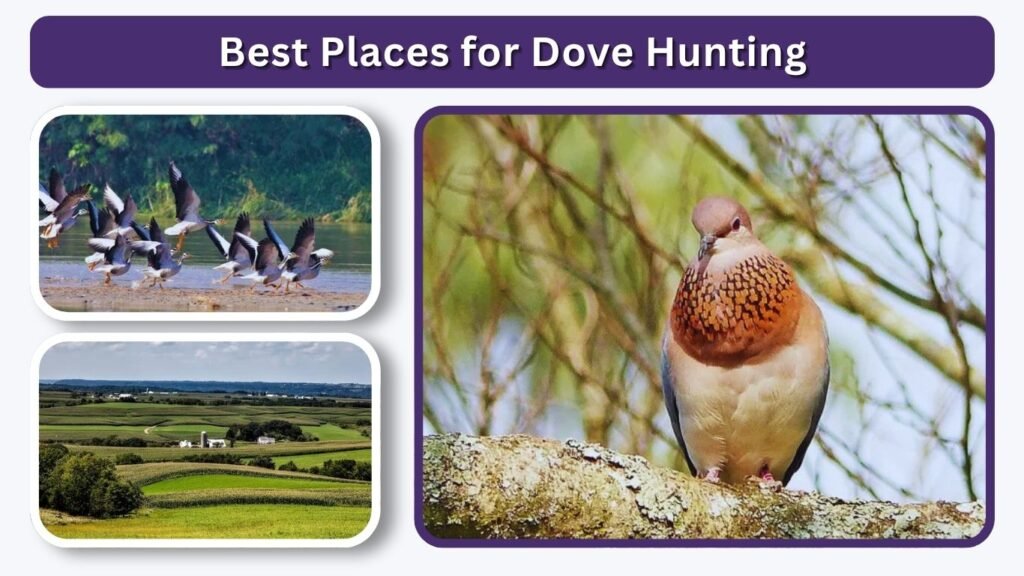
The United States offers many dove hunting opportunities, particularly in regions with agricultural landscapes, suitable habitat, and established migratory bird populations.
Texas is a popular destination because it supports mourning doves and white-winged doves across extensive hunting areas. California and Georgia also provide seasonal opportunities through private properties and designated public hunting lands.
Hunters interested in international experiences sometimes consider Argentina, particularly the Córdoba region, which is well known for dove hunting tourism.
Before choosing a destination, research land access, local wildlife regulations, transportation, and any special permits required.
FAQs
1. What Is the Best Month for Dove Hunting?
September is a popular month for dove hunting in many parts of the United States because several states open their seasons during early fall. However, the best month depends on local regulations, migration patterns, food availability, and weather conditions.
2. What Is the Best Choke for Dove Hunting?
Improved cylinders and modified chokes are commonly used for dove hunting. The best choice depends on typical shooting distances, equipment compatibility, and personal preference. Hunters should check their shotgun manufacturer’s recommendations and practice with their equipment beforehand.
3. What Should I Wear Dove Hunting?
Comfortable camouflage or neutral-colored clothing, sturdy footwear, a suitable hunting vest, and a hat are practical choices. Eye and hearing protection are important for firearm safety. Clothing should also match the weather and applicable hunting-area requirements.
4. Can You Dove Hunt Without a License?
Most hunters need a valid hunting license, HIP certification, and possibly additional state endorsements. Certain exemptions may exist for eligible individuals, but requirements vary. Always consult the relevant state wildlife agency before participating in a dove hunt.
5. Is Dove Hunting Good for Beginners?
Yes. Dove hunting can be a suitable introduction to bird hunting because it encourages outdoor observation, patience, and learning about wildlife behavior. New hunters should complete required safety education, practice safe firearm handling, and consider joining an experienced, responsible hunter.
