
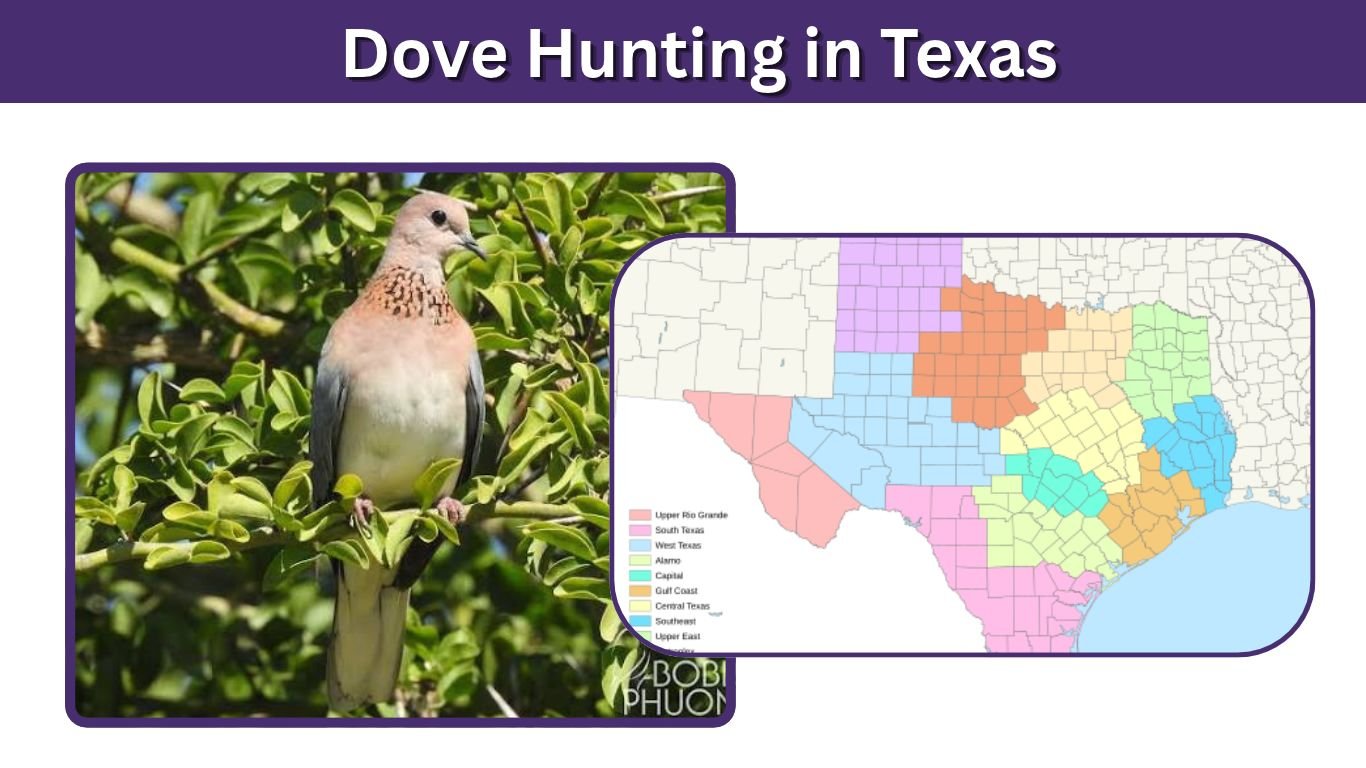
Dove hunting in Texas is a popular outdoor tradition that attracts thousands of hunters every fall. With extensive farmland, open grasslands, and healthy dove populations, Texas provides excellent opportunities for beginners and experienced hunters. However, successful hunting requires understanding the state’s seasonal regulations, hunting zones, license requirements, and daily bag limits. Whether you plan to hunt in North Texas, Central Texas, or South Texas, this guide covers the 2026–2027 dove hunting season, important laws, popular hunting areas, and helpful tips.
When Is Dove Hunting Season in Texas?
The Texas dove hunting season generally begins in September and continues through different periods depending on the hunting zone. The Texas Parks and Wildlife Department (TPWD) divides the state into three primary dove hunting zones, each with specific opening and closing dates.
Texas Dove Hunting Season Dates 2026–2027
The official 2026–2027 Texas dove hunting season dates are:
| Hunting Zone | First Season | Second Season |
| North Zone | Sept. 1 – Nov. 8, 2026 | Dec. 18, 2026 – Jan. 7, 2027 |
| Central Zone | Sept. 1 – Oct. 25, 2026 | Dec. 11, 2026 – Jan. 14, 2027 |
| South Zone | Sept. 1 – Oct. 25, 2026 | Dec. 18, 2026 – Jan. 21, 2027 |
For 2026–2027, Texas eliminated its separate Special White-winged Dove Days and began the regular South Zone season on September 1.
Hunters should check their county’s regulations before planning a trip because some counties are divided between hunting zones.
Understanding Texas Dove Hunting Zones

Texas has three dove hunting zones designed to manage hunting opportunities across different geographic regions. These zones help account for differences in migration, habitat, and seasonal bird populations. Knowing the correct zone is essential because hunting dates and regional boundaries can affect where and when you can legally hunt.
North Texas Dove Hunting
North Texas includes much of the Panhandle and other northern areas of the state. Agricultural fields, open grasslands, and watering locations provide suitable habitats for mourning doves.
Early September can offer productive hunting opportunities when birds gather near harvested fields. However, changing weather conditions and cold fronts can influence migration patterns and bird activity.
Central Texas Dove Hunting
Central Texas offers dove hunting opportunities across farmland, ranches, and open countryside. Areas around Austin, San Antonio, and surrounding rural communities attract hunters each season.
Mourning doves and white-winged doves occur throughout the region. Hunters should pay attention to county boundaries because some areas near San Antonio fall within different hunting zones.
South Texas Dove Hunting
South Texas is widely recognized for its white-winged dove populations and extensive hunting landscapes. Agricultural areas around Hondo, Uvalde, and surrounding communities are popular with dove hunters.
The region provides hunting opportunities during both the early fall and winter seasons. Hunters should examine local access rules, agricultural conditions, and hunting-zone boundaries before selecting a property.
Texas Dove Hunting License Requirements
A valid Texas hunting license is necessary for dove hunting. Hunters must also meet applicable migratory game bird requirements before entering the field. These regulations help wildlife officials monitor harvest levels, maintain sustainable hunting opportunities, and support conservation programs throughout the state.
What License Do You Need for Dove Hunting in Texas?
Most adult dove hunters need a valid Texas hunting license, a Migratory Game Bird Endorsement, and Harvest Information Program (HIP) certification.
The Texas Migratory Game Bird Endorsement costs $7 for the 2026–2027 license year. Hunters under 17 are exempt from the endorsement requirement, but HIP certification still applies. A Federal Duck Stamp is not required solely for dove hunting.
Texas Hunter Education Requirements
Hunter education is generally required for people born on or after September 2, 1971. However, age-based accompaniment rules, deferrals, and certain exemptions may apply.
New hunters should complete an approved hunter education course before their trip. The training covers firearm safety, hunting ethics, wildlife identification, and responsible outdoor practices.
Texas Dove Hunting Laws and Regulations

Texas dove hunting regulations establish legal shooting hours, daily bag limits, approved hunting methods, and restrictions on certain activities. Understanding these requirements is essential for avoiding violations and protecting migratory bird populations. Hunters should review the current Texas Outdoor Annual regulations before every season.
Texas Dove Hunting Bag Limits
For the 2026–2027 regular season, Texas allows a daily aggregate bag limit of 15 mourning, white-winged, and white-tipped doves combined. No more than two may be white-tipped doves.
The possession limit is generally three times the daily bag limit, or 45 birds, subject to applicable possession rules.
Texas Parks & Wildlife Department
Eurasian collared-doves are treated differently under Texas regulations and have no closed season or bag limit. Proper identification remains important.
Legal Dove Hunting Hours in Texas
The legal shooting hours for the regular Texas dove season extend from one-half hour before sunrise until sunset.
Actual shooting times change throughout the season because sunrise and sunset vary by date and location. Hunters should check the official local times rather than assume fixed hours.
Important Texas Dove Hunting Rules
Hunters must follow several additional requirements:
- Use legal hunting methods and appropriate equipment.
- Do not hunt migratory doves over illegally baited areas.
- Follow the three-shell capacity limit for hunting shotguns.
- Never shoot from public roads or other prohibited locations.
- Obtain permission before hunting on private property.
- Follow all public hunting area rules and permit conditions.
Texas allows certain methods, including artificial decoys and trained hunting dogs, while restricting others.
Best Places for Dove Hunting in Texas

Texas provides numerous hunting opportunities across private ranches, agricultural properties, and designated public hunting lands. The best location depends on available food sources, water, habitat conditions, seasonal migration, and property access. Researching these factors before hunting can make a significant difference.
Public Land Dove Hunting in Texas
Public land dove hunting offers an accessible option for hunters without access to private property.
TPWD manages an extensive public hunting program that includes wildlife management areas and leased dove hunting properties. The Annual Public Hunting Permit costs $48 for the 2026–2027 season and provides access to designated hunting lands.
Not every public area allows dove hunting on every date, so hunters must check individual property rules.
Private Ranches and Guided Dove Hunts
Private ranches in South Texas and Central Texas offer additional hunting opportunities. Some properties provide guided dove hunts, accommodations, transportation, and access to managed hunting areas.
Popular areas include rural communities near Hondo and Uvalde. Before booking, confirm the outfitter’s permissions, hunting dates, pricing, and whether licenses and equipment are included.
Dove Hunting Tips for Beginners in Texas
Successful dove hunting requires preparation, patience, and an understanding of bird behavior. Texas doves commonly visit agricultural fields, water sources, and open landscapes. Beginners can improve their experience by observing these patterns and preparing carefully before entering the field.
Best Time to Dove Hunt in Texas
Early morning and late afternoon are often productive periods for dove activity. Birds regularly travel between feeding areas, resting locations, and water sources during these times.
Warm weather, wind, and changing agricultural conditions can influence their behavior. Scouting an area before hunting helps identify frequently used flight paths and suitable locations.
Essential Dove Hunting Gear
A basic dove hunting setup may include comfortable camouflage clothing, a hunting vest, eye protection, hearing protection, water, and appropriate footwear.
A 12-gauge or 20-gauge shotgun is commonly used for dove hunting. Hunters should select equipment they can handle safely and become familiar with it through supervised practice.
FAQs
1. When Does Dove Hunting Season End in Texas?
The 2026–2027 regular dove hunting season ends January 7, 2027, in the North Zone, January 14 in the Central Zone, and January 21 in the South Zone. Hunters should verify their county’s assigned zone before planning a late-season hunt.
2. What Is the Dove Hunting Limit in Texas?
Texas allows a daily aggregate bag limit of 15 mourning, white-winged, and white-tipped doves during the regular 2026–2027 season. No more than two may be white-tipped doves. The general possession limit is three times the daily bag limit.
3. What Time Can You Start Dove Hunting in Texas?
Legal dove hunting shooting hours generally begin 30 minutes before sunrise and end at sunset. Because sunrise changes throughout the year and differs geographically, hunters should check the correct times for their hunting location and date.
4. Do You Need a License to Hunt Doves in Texas?
Yes. Dove hunters generally need a valid Texas hunting license and HIP certification. Hunters aged 17 and older also need a Texas Migratory Game Bird Endorsement. Additional public-land permits or hunter education requirements may apply depending on individual circumstances.
5. Where Is the Best Dove Hunting in Texas?
South Texas communities such as Hondo and Uvalde are popular destinations, while Central Texas and the Panhandle also offer suitable dove habitat. The best hunting location depends on local bird populations, available food and water, property access, and seasonal weather conditions.
