
Deer species that live in frost-covered regions are specially adapted to survive in some of the harshest climates on Earth. From the icy tundra to snow-covered forests, these animals have developed unique physical and behavioral traits that help them endure extreme cold, limited food, and deep snow. Thick insulating fur, strong legs, and specialized feeding habits allow them to thrive where many other animals cannot.
This list explores 27 types of deer species found in frosty environments, ranging from well-known animals like reindeer and moose to lesser-known species such as tufted deer and Siberian musk deer. Each species plays an important role in its ecosystem and demonstrates remarkable resilience in cold habitats.
1. Reindeer (Caribou)
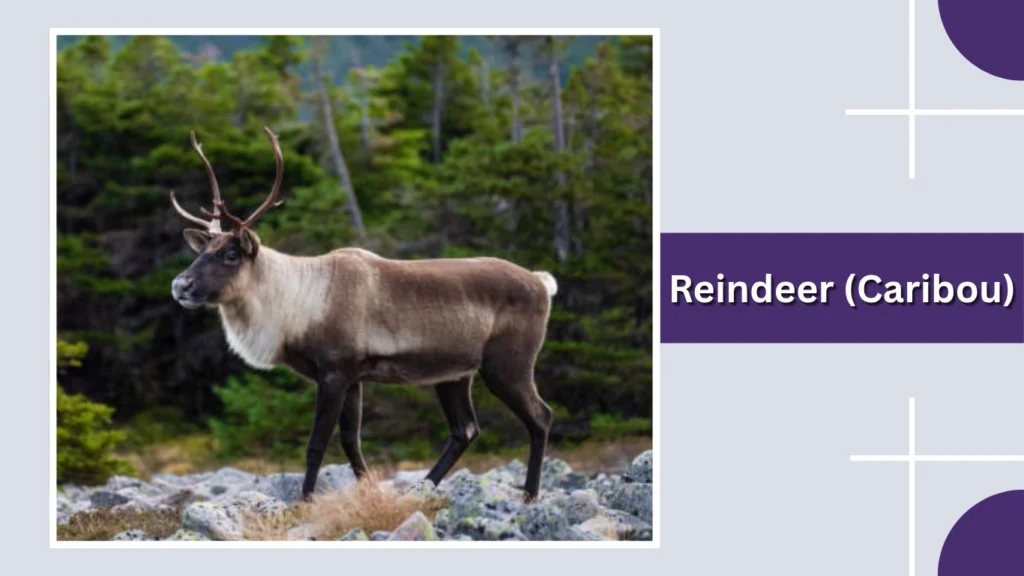
Reindeer, also known as caribou in North America, are one of the most iconic deer species found in frost-covered regions. They are uniquely adapted to survive in extreme cold, inhabiting Arctic tundra, boreal forests, and snowy landscapes where few other large mammals can thrive.
Identification
- Medium to large-sized deer with a sturdy, compact body
- Both males and females grow antlers, unlike most other deer species
- Thick, double-layered fur that provides excellent insulation
- Broad, concave hooves adapted for walking on snow and digging for food
- Color ranges from dark brown in summer to lighter, almost grayish tones in winter
Habitat and Distribution
Reindeer are widely distributed across the Arctic and subarctic regions, including parts of North America, Europe, and Asia. They thrive in environments where temperatures are extremely low and vegetation is sparse. During winter, they are commonly found in tundra regions, while in summer, many migrate to forested areas. These seasonal movements help them access food and avoid harsh weather conditions.
Behavior and Adaptation
Reindeer are highly social animals that often travel in large herds, especially during migration. They are well-known for their long-distance seasonal migrations, some of the longest among land mammals. Their specialized hooves act like snowshoes, allowing them to move efficiently across frozen terrain. Additionally, their noses are adapted to warm cold air before it reaches their lungs, helping them survive in freezing climates.
Diet and Survival
Reindeer are herbivores with a diet that changes depending on the season. In winter, they primarily feed on lichens, often called “reindeer moss,” which they dig out from beneath the snow. During warmer months, they consume grasses, leaves, and shrubs. Their ability to find and digest lichen, which is low in nutrients, is a key factor in their survival in frost-dominated environments.
2. Moose
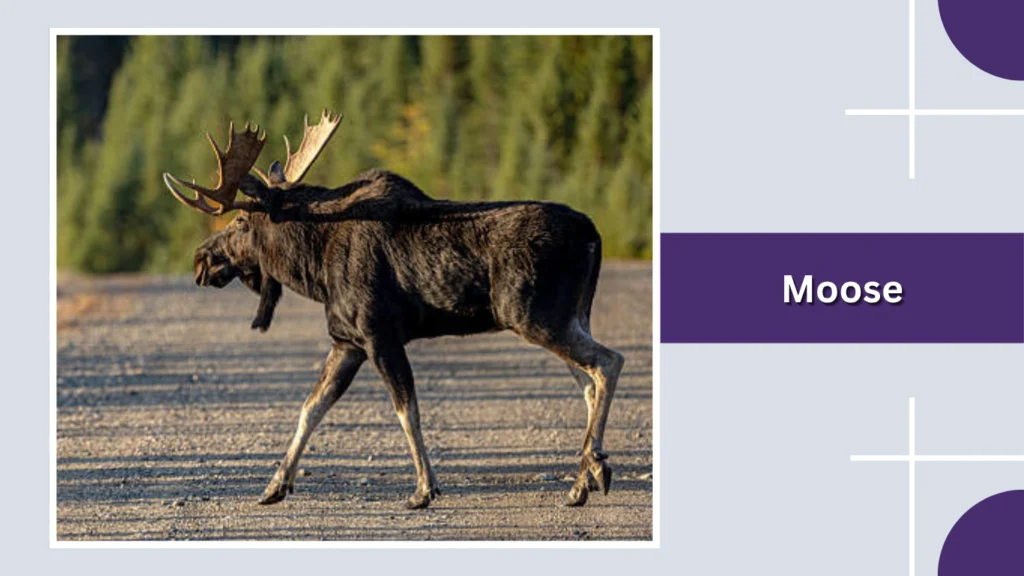
Moose are the largest members of the deer family and are well adapted to cold, frosty environments. Known for their towering height and distinctive antlers, they are commonly found in northern forests and snowy regions where they thrive despite harsh winter conditions.
Identification
- Largest deer species with long legs and a heavy, muscular body
- Broad, palmate (open-hand shaped) antlers in males
- Long face with a pronounced overhanging snout
- Dark brown to almost black coat, thick for winter insulation
- A flap of skin called a “bell” hanging under the throat
Habitat and Distribution
Moose are found across the northern parts of North America, Europe, and Asia. They prefer boreal forests, taiga, and areas near lakes, rivers, and wetlands. These environments provide both food and shelter. In winter, moose remain in forested areas where trees offer protection from deep snow and strong winds.
Behavior and Adaptation
Moose are generally solitary animals, unlike many other deer species. They are strong swimmers and often enter cold water to feed on aquatic plants. Their long legs help them walk through deep snow with ease, while their thick fur and fat layers protect them from freezing temperatures. During the breeding season, males can become aggressive as they compete for mates.
Diet and Survival
Moose are herbivores and have a varied diet depending on the season. In winter, they mainly feed on woody plants such as twigs, bark, and buds. In summer, they consume leaves, grasses, and aquatic vegetation. Their large size allows them to reach higher branches, giving them access to food sources unavailable to smaller animals.
3. Elk (Wapiti)
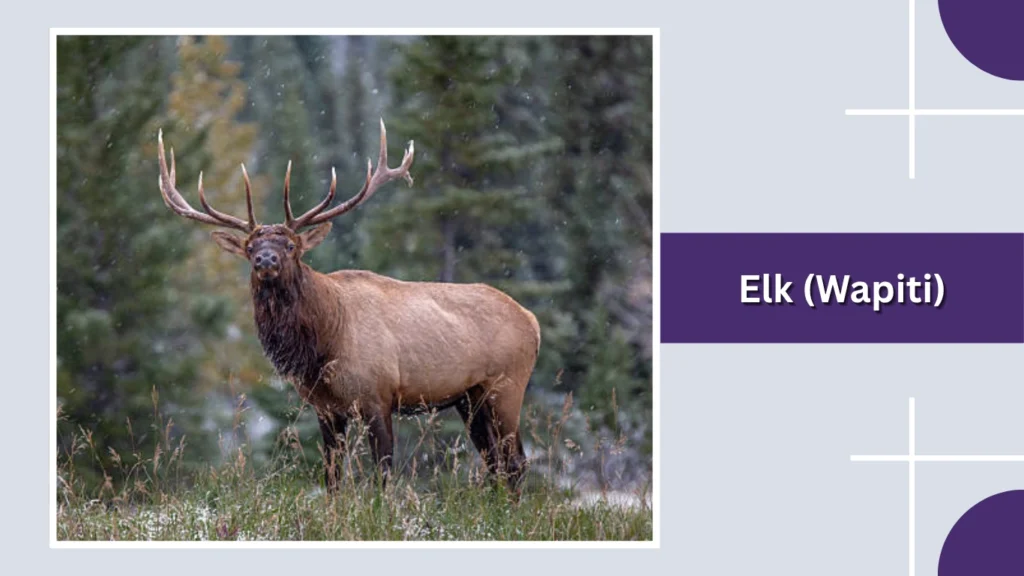
Elk, also known as wapiti, are one of the largest deer species found in cold and frosty environments. They are known for their impressive antlers, strong build, and loud bugling calls during the mating season. Elk are highly adaptable and can survive in mountainous and snowy regions.
Identification
- Large-bodied deer with a slender yet powerful build
- Males have long, branching antlers that can grow very large
- Light brown or tan body with a darker neck and head
- Distinct pale rump patch
- Short tail compared to other deer species
Habitat and Distribution
Elk are widely distributed across North America and parts of Asia. They prefer forest edges, grasslands, and mountainous regions. In colder months, elk often migrate to lower elevations where snow is less deep, making it easier to find food. During summer, they move to higher altitudes with abundant vegetation.
Behavior and Adaptation
Elk are social animals that live in herds, especially females and their young. Males often form separate groups outside of the breeding season. During the rut, males produce a high-pitched bugling sound to attract females and warn rivals. Their strong legs and endurance allow them to travel long distances across rugged, snowy terrain.
Diet and Survival
Elk are herbivores with a diet that varies seasonally. In winter, they rely on grasses, shrubs, and tree bark when other food sources are scarce. During warmer months, they graze on fresh grasses and plants. Their ability to migrate and adjust their diet helps them survive in frost-covered environments.
4. White-tailed Deer
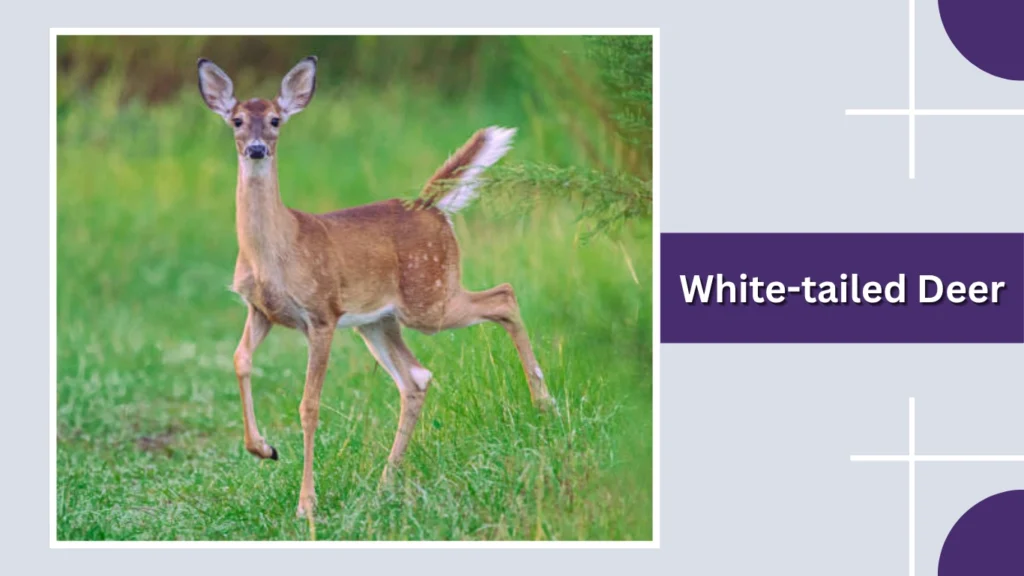
White-tailed deer are one of the most widespread and adaptable deer species, capable of surviving in a variety of environments, including cold and frosty regions. They are well known for their alert nature and the distinctive white underside of their tail, which they raise as a warning signal.
Identification
- Medium-sized deer with a slender, graceful body
- Reddish-brown coat in summer that turns grayish-brown in winter
- Prominent white underside of the tail
- Males grow antlers that branch upward
- Large ears and dark eyes suited for keen awareness
Habitat and Distribution
White-tailed deer are found across North America, from southern Canada to parts of Central America. They inhabit forests, grasslands, and even suburban areas. In colder regions, they prefer dense woodlands that provide shelter from harsh winds and deep snow. Their adaptability allows them to thrive in both wild and human-influenced environments.
Behavior and Adaptation
These deer are generally crepuscular, meaning they are most active during dawn and dusk. They are cautious animals with strong senses of smell and hearing, helping them detect predators early. In winter, they conserve energy by reducing movement and often form small groups to increase survival chances in cold conditions.
Diet and Survival
White-tailed deer are herbivores with a flexible diet. During winter, they feed on twigs, bark, and evergreen plants when fresh vegetation is limited. In warmer months, they consume grasses, fruits, and leaves. Their ability to adjust feeding habits according to seasonal availability plays a key role in their survival in frosty habitats.
5. Mule Deer
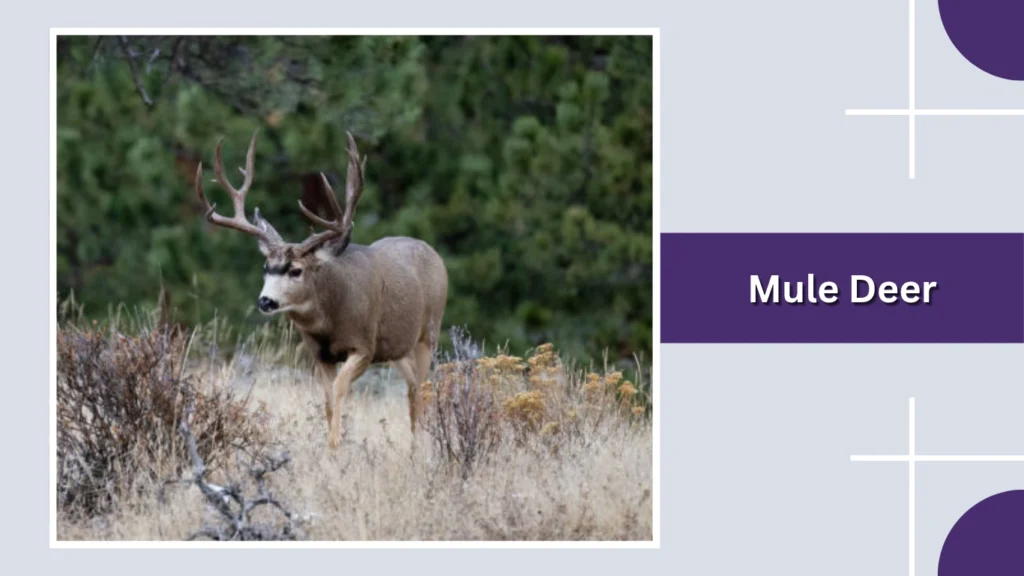
Mule deer are a distinctive deer species well adapted to cold and frosty environments, particularly in mountainous and semi-arid regions. They are named for their large, mule-like ears and are known for their agility and ability to navigate rugged, snow-covered terrain.
Identification
- Medium to large-sized deer with a sturdy build
- Very large ears resembling those of a mule
- Grayish-brown coat that thickens in winter
- Black-tipped tail with a white rump patch
- Males have bifurcated (forked) antlers
Habitat and Distribution
Mule deer are primarily found in western North America, including the Rocky Mountains and surrounding regions. They inhabit forests, deserts, and mountainous areas. During winter, they migrate to lower elevations where snow is less deep, allowing easier access to food and shelter from harsh weather conditions.
Behavior and Adaptation
Mule deer are known for their unique bounding movement, called “stotting,” which helps them escape predators across uneven terrain. They are generally more solitary or form small groups compared to other deer. Their large ears provide excellent hearing, helping them stay alert in open and snowy landscapes.
Diet and Survival
Mule deer are herbivores and mainly browsers rather than grazers. In winter, they feed on shrubs, twigs, and woody plants when grasses are scarce. During warmer seasons, they consume leaves, herbs, and grasses. Their ability to adapt their diet and migrate seasonally helps them survive in frost-prone habitats.
6. Roe Deer
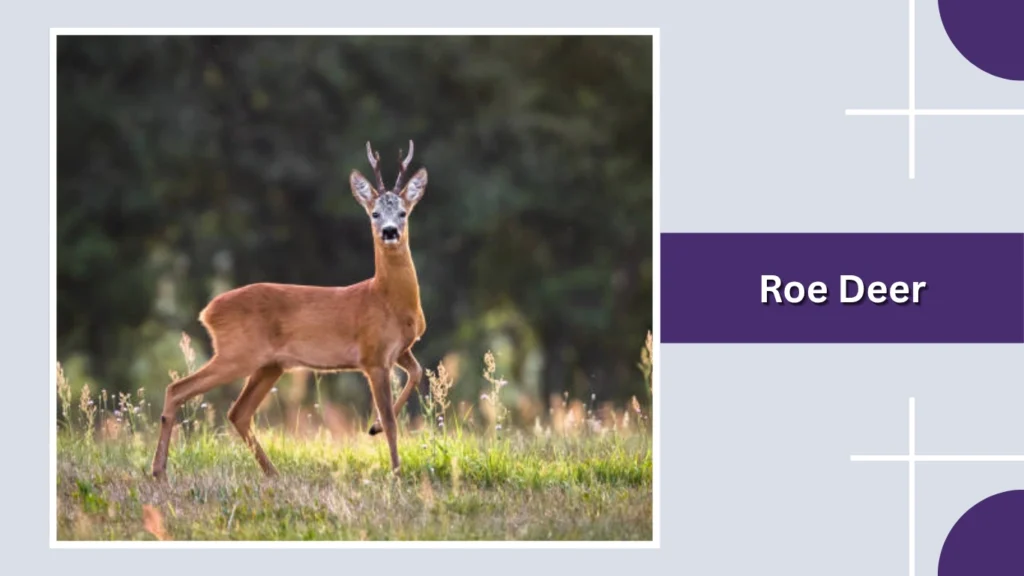
Roe deer are small, elegant deer species commonly found in cold and temperate regions of Europe and parts of Asia. Despite their smaller size, they are highly adaptable and can survive in frosty environments by utilizing dense vegetation for shelter and food.
Identification
- Small to medium-sized deer with a slim, graceful body
- Reddish coat in summer that turns grayish-brown in winter
- Short, barely visible tail
- Males have short, upright antlers with few branches
- Distinct white rump patch, especially visible in winter
Habitat and Distribution
Roe deer are widely distributed across Europe and parts of western Asia. They prefer woodlands, forest edges, and farmland areas. In colder regions, they rely on dense forests and shrubs for protection against snow and freezing winds. Their adaptability allows them to live close to human settlements as well.
Behavior and Adaptation
Roe deer are generally solitary or found in small family groups. They are most active during dawn and dusk, avoiding predators through stealth and quick movement. In winter, they reduce activity to conserve energy and often stay within smaller territories where food and shelter are available.
Diet and Survival
Roe deer are herbivores with a selective diet. In winter, they feed on twigs, buds, and bark when fresh vegetation is limited. During warmer months, they prefer herbs, grasses, and leaves. Their ability to choose nutrient-rich food sources helps them maintain energy in cold, frost-covered environments.
7. Red Deer
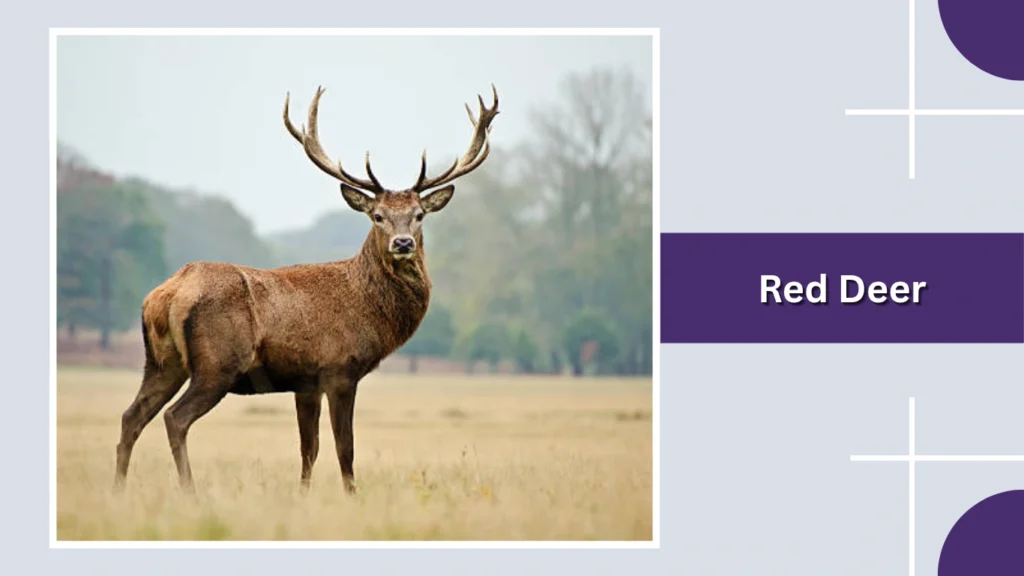
Red deer are one of the largest and most well-known deer species found in cold and frosty regions. They are closely related to elk and are recognized for their majestic appearance and large antlers. These deer are highly adaptable and thrive in a variety of climates, including harsh winter environments.
Identification
- Large, powerful body with long legs
- Reddish-brown coat that becomes thicker and duller in winter
- Males have large, branching antlers
- Short tail with a light-colored rump patch
- Darker neck and chest, especially in males
Habitat and Distribution
Red deer are widely distributed across Europe, parts of Asia, and North Africa. They inhabit forests, grasslands, and mountainous regions. In colder climates, they prefer wooded areas that provide shelter from snow and strong winds. Seasonal movement helps them find better feeding grounds during winter.
Behavior and Adaptation
Red deer are social animals that live in herds, often separated by gender outside the breeding season. During the rut, males compete loudly and physically for females. They are strong and resilient, capable of traveling long distances. Their thick winter coat and fat reserves help them endure freezing temperatures.
Diet and Survival
Red deer are herbivores with a diet that changes seasonally. In winter, they rely on grasses, shrubs, and tree bark when food is scarce. During warmer months, they feed on fresh vegetation, including grasses and leaves. Their ability to adapt their feeding habits ensures survival in frost-prone habitats.
8. Sika Deer
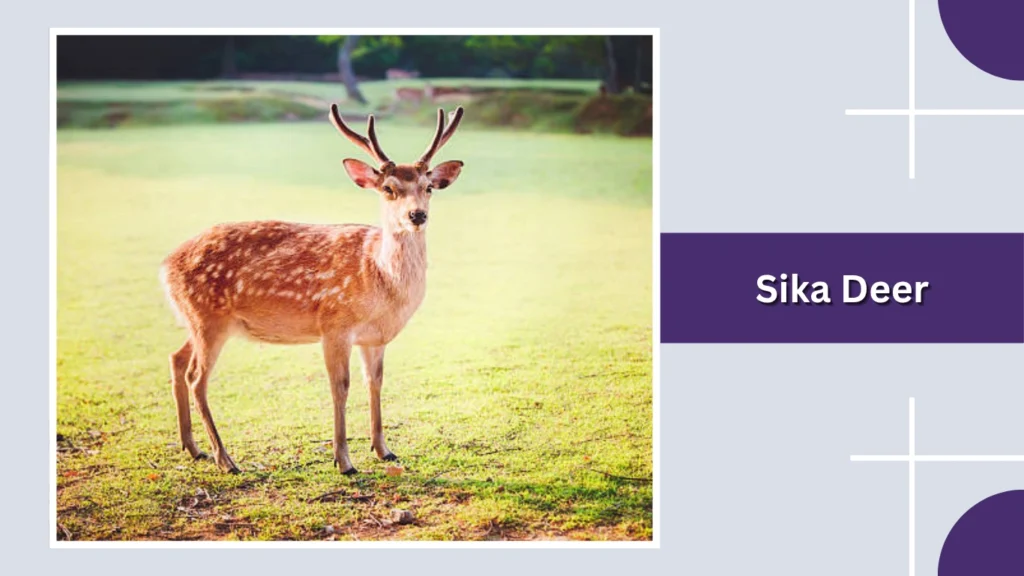
Sika deer are a versatile and resilient deer species known for their adaptability to cold and frosty environments. Originally native to East Asia, they have been introduced to various parts of the world. Their spotted coat and alert behavior make them easily recognizable among deer species.
Identification
- Medium-sized deer with a compact, agile body
- Reddish-brown coat with white spots, even in adulthood
- Thicker, darker coat during winter months
- Males have slender, upright antlers with multiple points
- Distinct white rump patch with a dark border
Habitat and Distribution
Sika deer are found in East Asia, including Japan, China, and Korea, and have also been introduced to parts of Europe and North America. They prefer forests, grasslands, and wetlands. In colder regions, they inhabit dense woodlands that provide protection from snow and harsh winds.
Behavior and Adaptation
Sika deer are known for their alertness and vocal nature, often communicating with whistles or soft calls. They can be solitary or form small groups, depending on the season. Their agility allows them to move quickly through forests and snowy terrain. They are also strong swimmers, which helps them navigate their environment.
Diet and Survival
Sika deer are herbivores with a flexible diet. In winter, they feed on bark, twigs, and woody plants when fresh vegetation is scarce. During warmer seasons, they consume grasses, leaves, and aquatic plants. Their ability to adapt their diet and behavior helps them survive in frost-covered habitats.
9. Fallow Deer
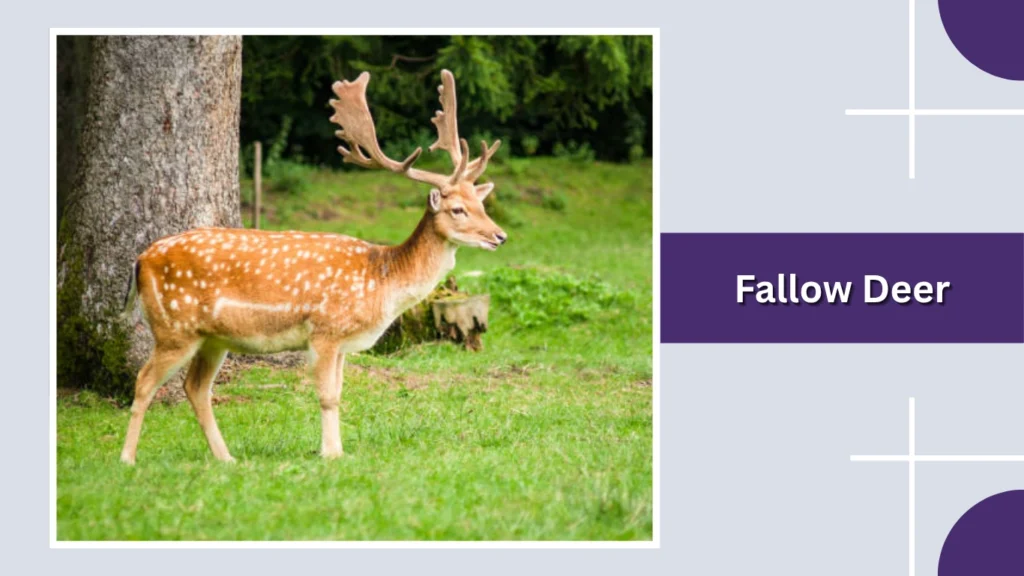
Fallow deer are a distinctive and adaptable deer species that can survive in cool and frosty environments. They are especially known for their unique coat patterns and broad antlers. Though often associated with parklands, they also thrive in natural forests and colder regions.
Identification
- Medium-sized deer with a compact, muscular body
- Coat varies from reddish-brown with white spots to darker shades in winter
- Males have broad, palmate (shovel-shaped) antlers
- White rump patch outlined in black
- Long tail with a dark stripe running down the center
Habitat and Distribution
Fallow deer are native to parts of Europe and western Asia but have been introduced to many other regions around the world. They prefer woodlands, open grasslands, and park-like environments. In colder climates, they rely on forested areas for shelter and protection from frost and snow.
Behavior and Adaptation
Fallow deer are social animals that often live in herds, especially during the winter months. Males may separate outside the breeding season but rejoin during the rut. They are alert and cautious, using their keen senses to detect danger. Their adaptability allows them to survive in both wild and managed landscapes.
Diet and Survival
Fallow deer are herbivores with a varied diet. In winter, they feed on grasses, bark, and shrubs when fresh food is limited. During warmer seasons, they graze on grasses, herbs, and leaves. Their flexible feeding habits and ability to store fat help them endure cold, frost-covered conditions.
10. Père David’s Deer
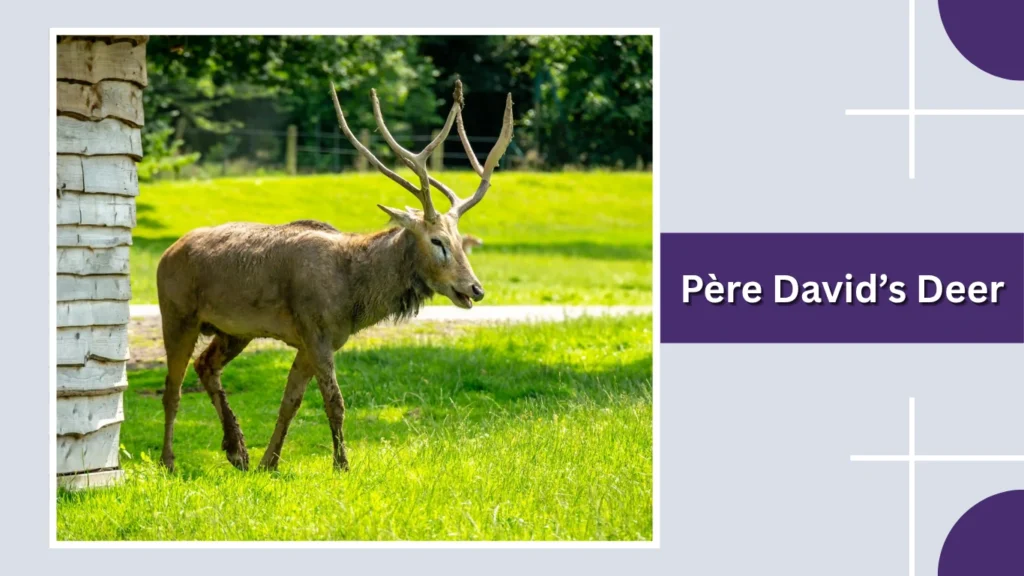
Père David’s deer is a rare and unique deer species that has adapted to survive in cold and frosty environments, despite its unusual history of near extinction. Originally native to China, it is now mostly found in protected reserves, where it thrives in cool, wet, and seasonal climates.
Identification
- Medium to large-sized deer with a long, narrow body
- Unique antlers with a backward-curving main beam
- Long legs and a slightly arched back
- Coat is reddish-brown in summer and thicker, duller in winter
- Long tail compared to most other deer species
Habitat and Distribution
Père David’s deer was originally native to the marshlands of China but is now found mainly in conservation areas and reserves. They prefer wetlands, grasslands, and areas near water sources. In colder regions, they adapt well by seeking shelter in dense vegetation and lowland areas that offer protection from frost.
Behavior and Adaptation
These deer are social animals and often live in groups. They are good swimmers and are frequently found near water, which plays a key role in their habitat preference. Their long legs help them move easily through muddy or snowy ground. They are generally calm but alert when sensing danger.
Diet and Survival
Père David’s deer are herbivores with a diet suited to their environment. In winter, they feed on grasses, reeds, and woody plants when other food sources are limited. During warmer months, they consume a wider variety of vegetation. Their ability to adapt their feeding habits helps them survive in seasonal frost conditions.
11. Siberian Roe Deer
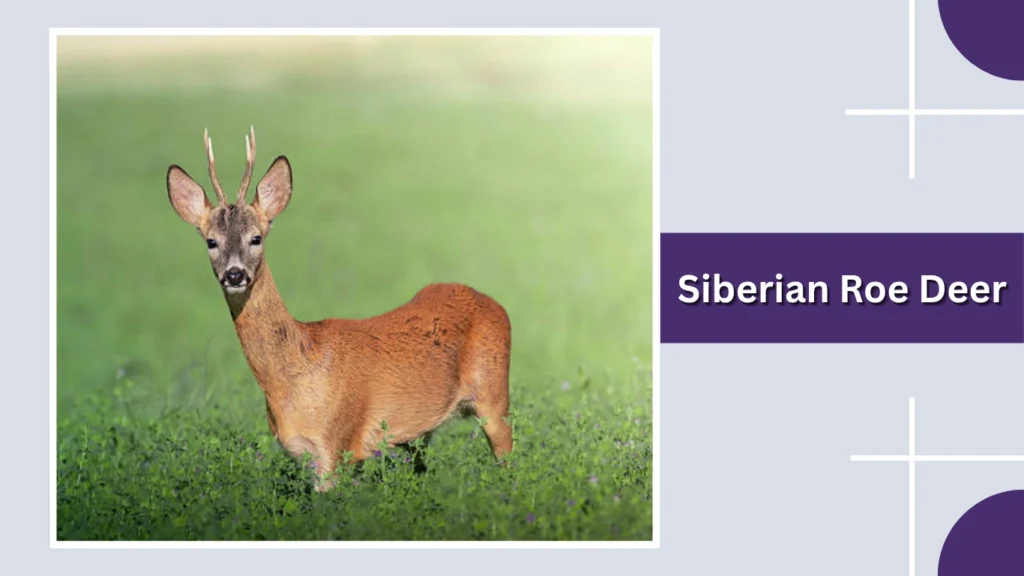
Siberian roe deer are a hardy and adaptable deer species well suited to cold and frosty environments. Larger than their European relatives, they are commonly found in regions with harsh winters, where they rely on dense vegetation and seasonal adaptations to survive.
Identification
- Medium-sized deer with a slightly larger build than European roe deer
- Thick, grayish-brown winter coat for insulation
- Reddish coat during summer months
- Short tail with a noticeable white rump patch
- Males have short, upright antlers with limited branching
Habitat and Distribution
Siberian roe deer are found across northern Asia, including Siberia, Mongolia, and parts of China and Korea. They inhabit forests, grasslands, and mountainous areas. In winter, they prefer dense woodlands that provide shelter from deep snow and cold winds, helping them conserve energy and stay protected.
Behavior and Adaptation
These deer are generally solitary or live in small groups. They are most active during dawn and dusk, avoiding predators through alertness and quick movement. In harsh winters, they reduce their range and activity to conserve energy. Their thick fur and ability to find shelter make them well adapted to freezing temperatures.
Diet and Survival
Siberian roe deer are herbivores with a seasonal diet. In winter, they feed on twigs, bark, and buds when fresh vegetation is unavailable. During warmer months, they consume grasses, herbs, and leaves. Their selective feeding habits allow them to obtain necessary nutrients even in frost-covered environments.
12. Eurasian Elk

The Eurasian elk, commonly known as moose in North America, is a massive and powerful deer species adapted to cold and frosty regions. It thrives in northern forests and is well known for its size, strength, and ability to survive in extreme winter conditions.
Identification
- Largest deer species with a tall, heavy body
- Long legs adapted for deep snow and wetlands
- Males have large, broad, palmate antlers
- Dark brown to black coat that thickens in winter
- Long face with a distinctive overhanging snout
Habitat and Distribution
Eurasian elk are found across northern Europe and Asia, particularly in countries like Russia, Sweden, and Finland. They prefer boreal forests, wetlands, and areas near lakes and rivers. In winter, they remain in forested regions where trees provide shelter from wind and heavy snowfall.
Behavior and Adaptation
These animals are mostly solitary, except during the breeding season. Eurasian elk are excellent swimmers and often enter icy waters to feed or escape predators. Their long legs help them move efficiently through deep snow, while their thick fur provides insulation against freezing temperatures.
Diet and Survival
Eurasian elk are herbivores with a diet that changes with the seasons. In winter, they feed on twigs, bark, and woody plants. During warmer months, they consume leaves, grasses, and aquatic vegetation. Their ability to access a wide range of food sources helps them survive in frost-dominated environments.
13. Alaskan Moose
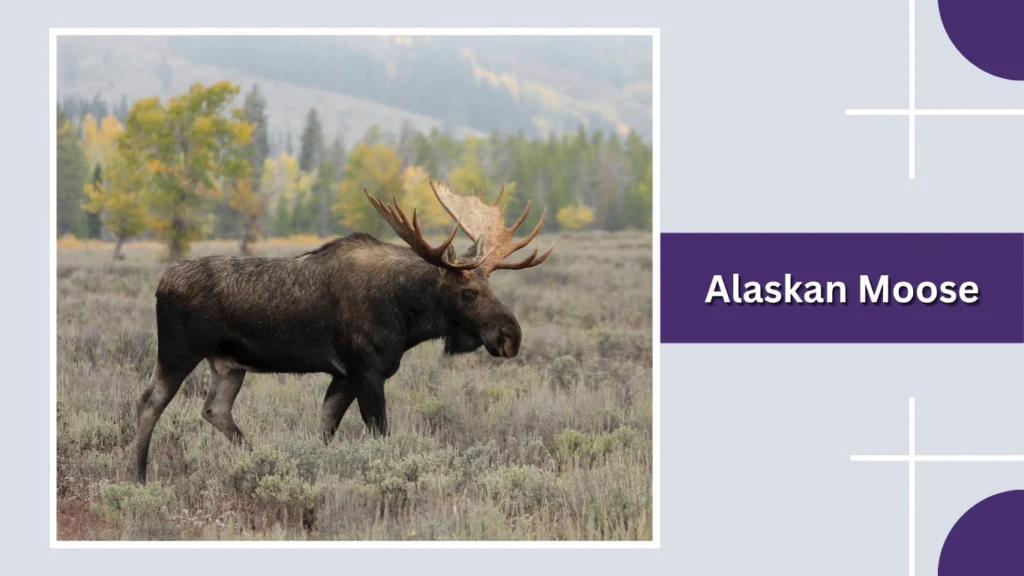
Alaskan moose are one of the largest subspecies of moose and are exceptionally well adapted to cold, frost-covered environments. Found in the harsh climates of Alaska, they are known for their massive size, resilience, and ability to survive extreme winter conditions.
Identification
- Very large body with long, powerful legs
- Males have enormous, broad palmate antlers
- Dark brown coat that becomes thicker in winter
- Long face with a drooping snout
- Prominent shoulder hump and throat “bell”
Habitat and Distribution
Alaskan moose are primarily found throughout Alaska and parts of western Canada. They inhabit boreal forests, river valleys, and wetlands. In winter, they stay in forested areas where trees provide shelter from snow and wind, making it easier to move and find food.
Behavior and Adaptation
Alaskan moose are mostly solitary animals, except during the breeding season. They are strong swimmers and can travel long distances in search of food. Their long legs help them walk through deep snow, while their thick fur and fat reserves protect them from freezing temperatures.
Diet and Survival
Alaskan moose are herbivores with a seasonal diet. In winter, they feed on twigs, bark, and woody plants when fresh vegetation is scarce. During warmer months, they consume leaves, grasses, and aquatic plants. Their ability to adapt their feeding habits ensures survival in harsh, frosty environments.
14. Canadian Moose
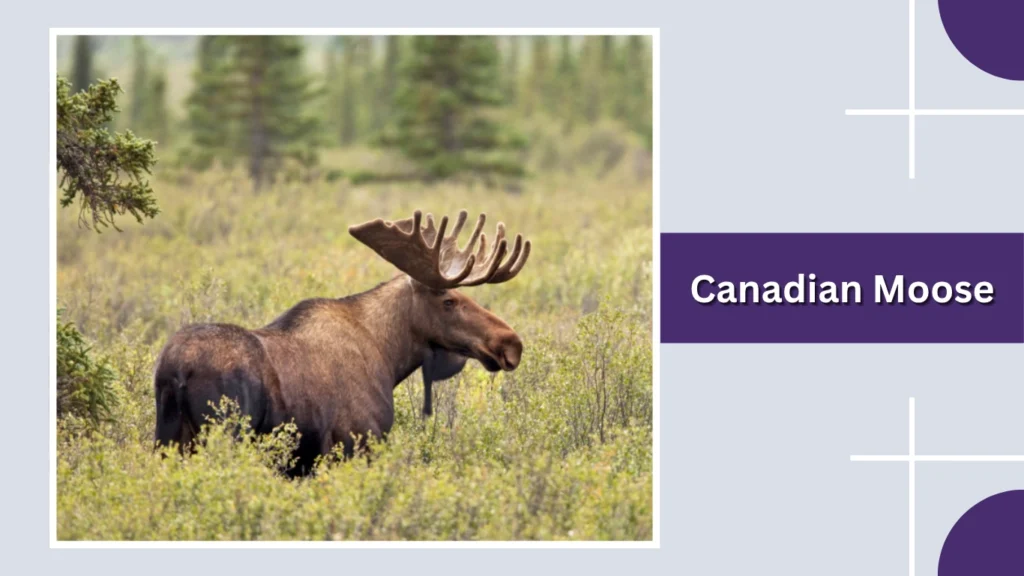
Canadian moose are a large and resilient subspecies of moose, perfectly suited for life in cold and frost-covered regions. They are widely distributed across Canada and are known for their strength, size, and ability to withstand long, harsh winters.
Identification
- Large, heavy-bodied deer with long legs
- Males have broad, palmate antlers
- Dark brown coat that thickens during winter
- Long face with a prominent snout
- Distinct throat flap known as a “bell”
Habitat and Distribution
Canadian moose are found throughout most of Canada, especially in forested and wetland areas. They prefer boreal forests, lakesides, and river valleys. In winter, they stay in dense forests where trees provide shelter from deep snow and freezing winds, helping them conserve energy.
Behavior and Adaptation
These moose are generally solitary animals, except during mating season. They are strong swimmers and often enter cold water to feed or cool down. Their long legs help them move easily through deep snow, while their thick fur provides excellent insulation against the cold climate.
Diet and Survival
Canadian moose are herbivores with a diet that varies by season. In winter, they feed on twigs, bark, and woody plants. During warmer months, they consume leaves, grasses, and aquatic vegetation. Their ability to reach higher branches gives them access to food that many other animals cannot obtain.
15. Woodland Caribou
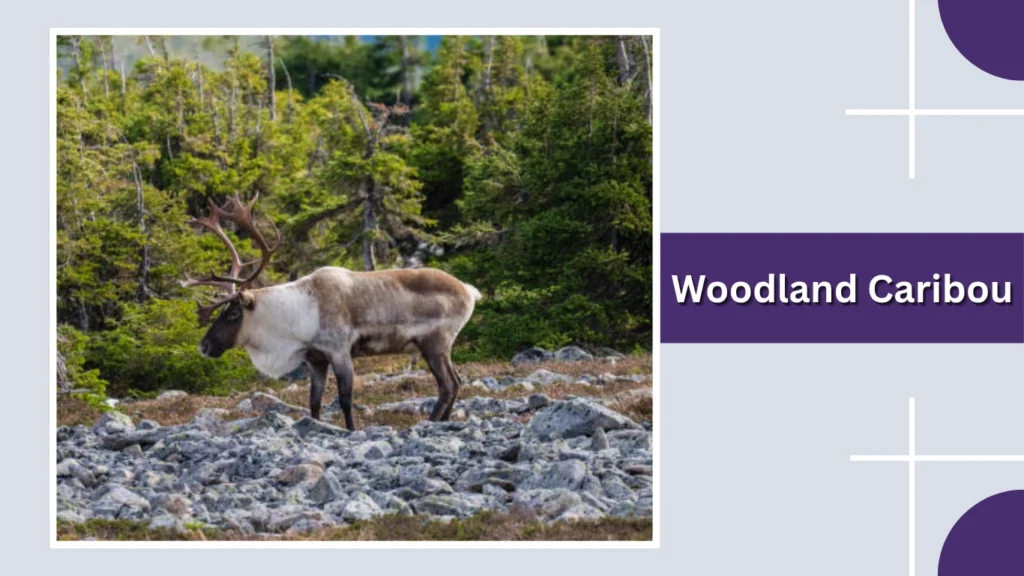
Woodland caribou are a subspecies of caribou adapted to forested and frost-covered environments. Unlike their tundra counterparts, they prefer dense boreal forests where they can find shelter from harsh winter conditions and access food beneath the snow.
Identification
- Medium to large-sized body with long legs
- Both males and females grow antlers
- Dark brown coat that becomes thicker and lighter in winter
- Large, wide hooves for walking on snow
- Short tail with a lighter underside
Habitat and Distribution
Woodland caribou are found across Canada, particularly in boreal forest regions. They inhabit dense coniferous forests, peatlands, and remote wilderness areas. In winter, they remain in forested habitats where tree cover reduces snow depth and provides protection from wind and predators.
Behavior and Adaptation
These caribou are more solitary or found in small groups compared to other caribou types. They avoid open tundra and prefer quiet, undisturbed forests. Their wide hooves help them move easily on snow and dig through it to find food. They are also known for their seasonal movements, though less extensive than other caribou.
Diet and Survival
Woodland caribou are herbivores with a diet specialized for cold environments. In winter, they primarily feed on lichens found beneath the snow. During warmer months, they consume leaves, grasses, and shrubs. Their ability to locate and digest lichen is essential for survival in frost-heavy habitats.
16. Tundra Caribou
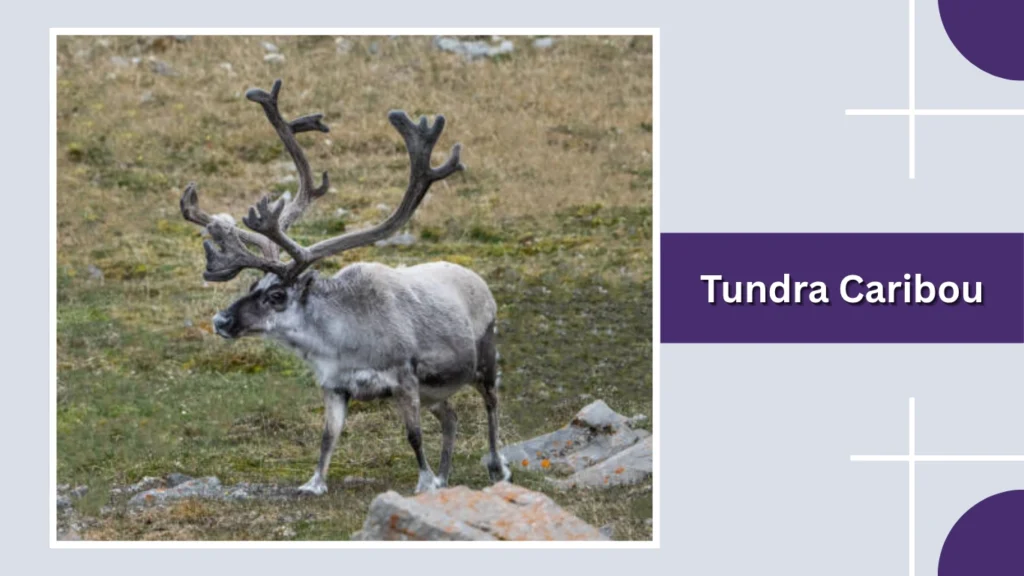
Tundra caribou are a well-known subspecies of caribou that thrive in open, frost-covered Arctic regions. They are highly adapted to extreme cold and are famous for their long seasonal migrations across vast, snowy landscapes in search of food and suitable breeding grounds.
Identification
- Medium to large-sized body with strong legs
- Both males and females grow antlers
- Light brown coat that becomes thicker and paler in winter
- Large, wide hooves for walking on snow and ice
- Short tail with a lighter underside
Habitat and Distribution
Tundra caribou are found across the Arctic regions of North America, including Alaska and northern Canada. They inhabit open tundra, where trees are scarce and the ground remains frozen for much of the year. During winter, they move to slightly sheltered areas, while in summer, they migrate to calving grounds.
Behavior and Adaptation
These caribou are highly social and form large herds, especially during migration. They are known for traveling thousands of kilometers annually, making them one of the most migratory land mammals. Their hooves act like snowshoes, helping them move across icy terrain and dig through snow to find food.
Diet and Survival
Tundra caribou are herbivores with a diet suited to harsh conditions. In winter, they primarily eat lichens, which they uncover beneath the snow. In warmer months, they feed on grasses, mosses, and small shrubs. Their ability to migrate and adjust their diet ensures survival in extreme frost environments.
17. Mountain Caribou
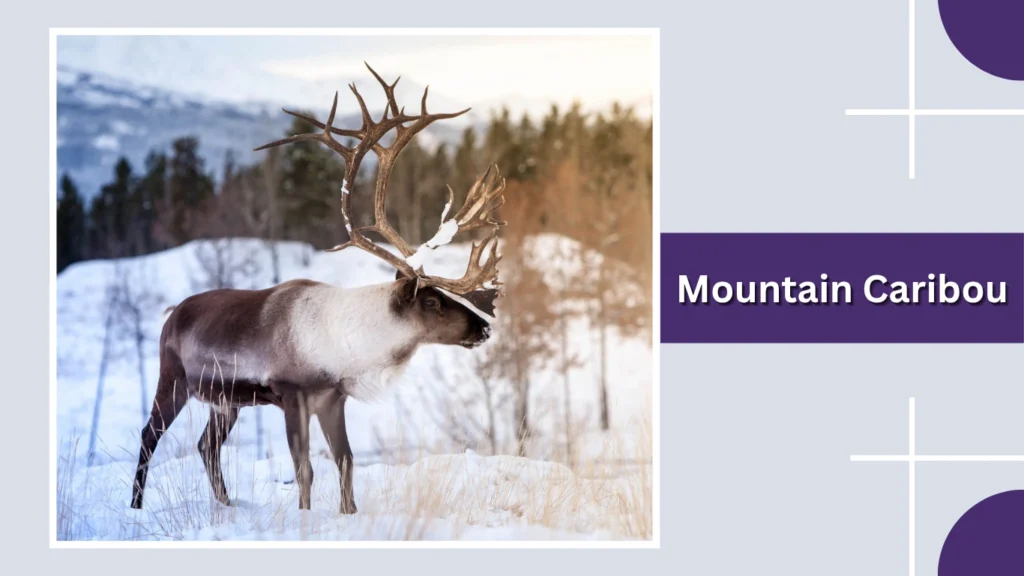
Mountain caribou are a unique subspecies of caribou adapted to cold, high-altitude, and frost-covered environments. They are specially suited to deep snow conditions found in mountainous regions, where they rely on forested slopes and seasonal movement for survival.
Identification
- Medium to large-sized body with strong legs
- Both males and females have antlers
- Dark brown coat that becomes thicker in winter
- Large, rounded hooves for walking on deep snow
- Short tail with a pale underside
Habitat and Distribution
Mountain caribou are found in mountainous regions of western Canada and parts of the northwestern United States. They inhabit subalpine and alpine forests, especially areas with deep snowfall. In winter, they remain at higher elevations where snow accumulates on tree branches, providing access to food.
Behavior and Adaptation
These caribou are known for their ability to live in deep snow environments. Unlike other caribou, they do not migrate long distances but instead move vertically along mountain slopes. Their large hooves help them stay on top of snow, and they are excellent at navigating steep, rugged terrain.
Diet and Survival
Mountain caribou are herbivores with a specialized winter diet. They primarily feed on arboreal lichens that grow on tree branches, which become accessible in deep snow. During warmer months, they consume grasses, leaves, and shrubs. This feeding strategy allows them to survive in isolated, frost-heavy habitats.
18. Siberian Musk Deer
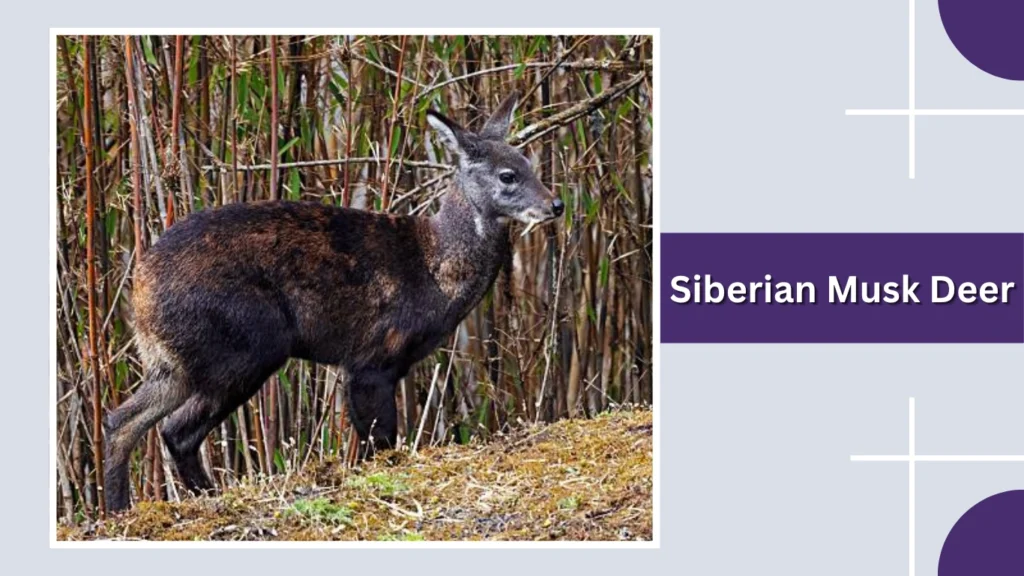
Siberian musk deer are small, primitive deer-like animals adapted to cold and frosty mountain environments. Unlike true deer, they lack antlers but are well known for their unique appearance and ability to survive in harsh, snow-covered regions of Asia.
Identification
- Small, compact body with short legs
- No antlers; males have long, curved canine teeth
- Thick, coarse fur for insulation in cold climates
- Dark brown coat with lighter underparts
- Rounded ears and a short, almost invisible tail
Habitat and Distribution
Siberian musk deer are found in mountainous regions of Siberia, Mongolia, and parts of China and Korea. They prefer dense forests, steep slopes, and rocky terrain. In winter, they stay in areas with thick vegetation that provides shelter from snow and freezing winds.
Behavior and Adaptation
These animals are mostly solitary and highly secretive. They are excellent climbers and can navigate steep, rugged terrain with ease. Instead of fleeing long distances, they rely on camouflage and stillness to avoid predators. Their thick fur and low activity levels help them conserve energy during extreme cold.
Diet and Survival
Siberian musk deer are herbivores with a diet suited to cold environments. In winter, they feed mainly on lichens, mosses, and small twigs. During warmer months, they consume leaves, grasses, and herbs. Their ability to survive on low-nutrient food sources helps them endure frost-covered habitats.
19. Chinese Water Deer

Chinese water deer are small, unique deer known for their adaptability to cold and frosty environments. Unlike most deer species, they do not have antlers but instead are recognized for their long canine teeth, giving them a distinctive appearance.
Identification
- Small to medium-sized deer with a compact body
- No antlers; males have long, tusk-like canine teeth
- Soft, thick brown coat that provides insulation in winter
- Rounded face with large, alert eyes
- Short tail that is not very noticeable
Habitat and Distribution
Chinese water deer are native to eastern China and the Korean Peninsula, though they have also been introduced to parts of Europe. They prefer wetlands, riverbanks, grasslands, and reed beds. In colder regions, they seek dense vegetation that offers protection from frost and wind.
Behavior and Adaptation
These deer are generally solitary and highly cautious. They rely on stealth and quick movements to avoid predators. Chinese water deer are also strong swimmers, which helps them navigate wet habitats. Their thick coat and ability to remain hidden in dense vegetation aid their survival in cold climates.
Diet and Survival
Chinese water deer are herbivores with a flexible diet. In winter, they feed on grasses, reeds, and available vegetation when other food sources are limited. During warmer months, they consume a variety of plants, including leaves and herbs. Their adaptability allows them to survive in frost-affected environments.
20. Tufted Deer
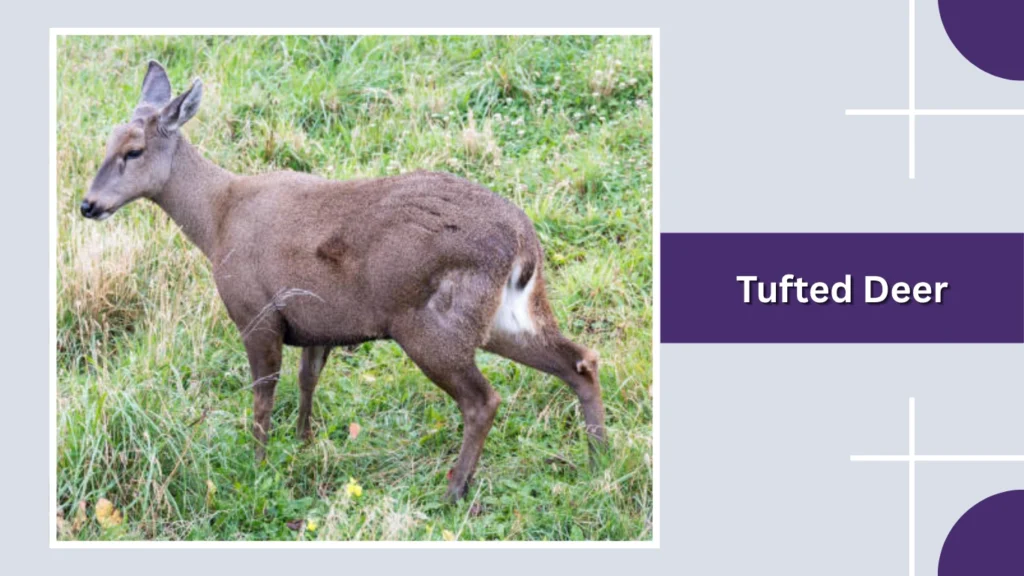
Tufted deer are small, shy deer species that are well adapted to cool and frosty environments, especially in mountainous and forested regions. They are easily recognized by the distinctive tuft of dark hair on their forehead and their secretive nature.
Identification
- Small to medium-sized deer with a compact body
- Distinctive black tuft of hair on the forehead
- No prominent antlers; males have small antlers and visible canine teeth
- Dark brown coat that thickens in winter
- Short tail with a white underside
Habitat and Distribution
Tufted deer are native to central and southern China, where they inhabit mountainous forests and dense woodlands. They prefer areas with thick vegetation that provide cover from predators and harsh weather. In colder regions, they remain in forested habitats that offer protection from frost and snow.
Behavior and Adaptation
These deer are solitary and highly secretive, often staying hidden in dense vegetation. They are most active during dawn and dusk. When threatened, they rely on quick, agile movements to escape. Their ability to remain concealed and their adaptability to rugged terrain help them survive in cold environments.
Diet and Survival
Tufted deer are herbivores with a varied diet. In winter, they feed on twigs, leaves, and woody plants when fresh vegetation is scarce. During warmer months, they consume grasses, fruits, and herbs. Their flexible feeding habits allow them to survive in frost-prone habitats.
21. Manchurian Sika Deer
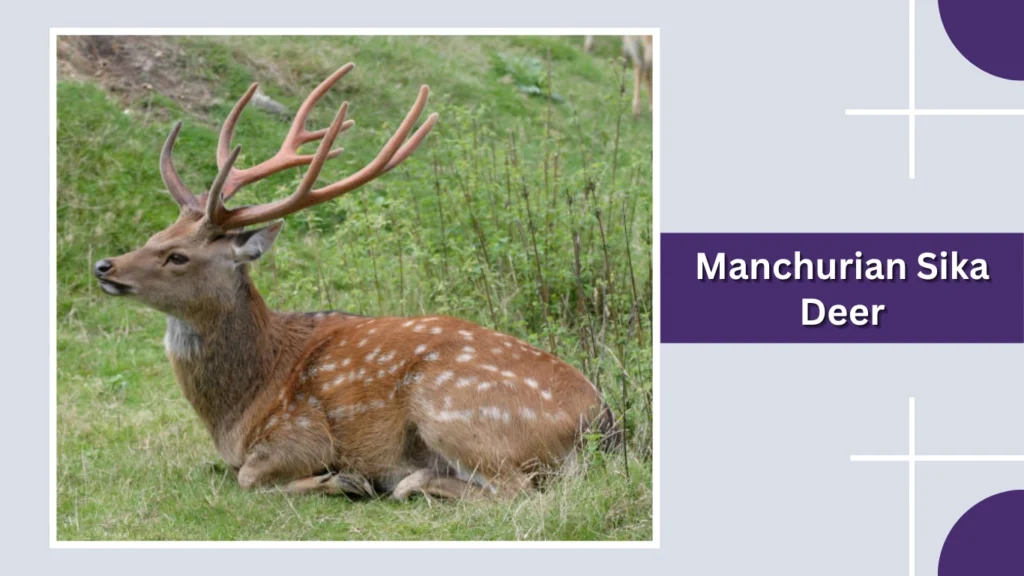
Manchurian sika deer are a subspecies of sika deer adapted to cold and frosty environments of northeastern Asia. Known for their resilience and distinctive spotted coat, they thrive in forests where they can find shelter and food even during harsh winters.
Identification
- Medium-sized deer with a compact and agile body
- Reddish-brown coat with white spots, fading slightly in winter
- Thicker and darker fur during colder months
- Males have slender, multi-pointed antlers
- Distinct white rump patch bordered by darker fur
Habitat and Distribution
Manchurian sika deer are found in northeastern China, the Russian Far East, and parts of Korea. They inhabit mixed forests, grasslands, and mountainous areas. In winter, they rely on dense forests for shelter from snow and freezing winds, which helps them conserve energy and avoid predators.
Behavior and Adaptation
These deer are generally social and may form small groups, especially in winter. They are alert and vocal, using sounds to communicate with each other. Their agility allows them to move efficiently through forests and snowy terrain. They are also capable swimmers, which helps them navigate their environment.
Diet and Survival
Manchurian sika deer are herbivores with a seasonal diet. In winter, they feed on bark, twigs, and woody plants when fresh vegetation is limited. During warmer months, they consume grasses, leaves, and herbs. Their ability to adapt their feeding habits supports survival in frost-covered habitats.
22. Altai Wapiti
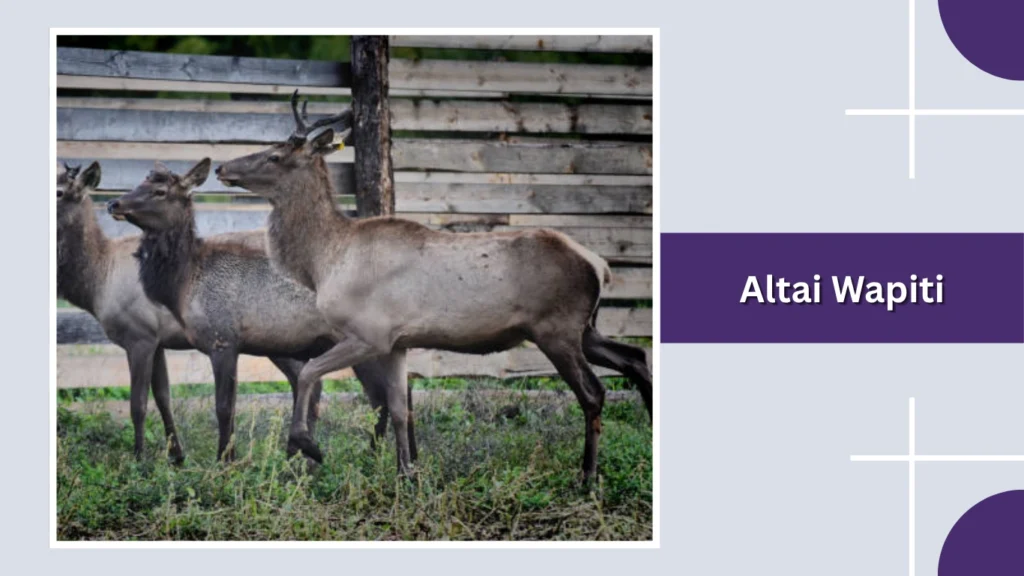
Altai wapiti are a subspecies of elk found in cold and mountainous regions of Central Asia. They are well adapted to frost-covered environments and are known for their strength, endurance, and ability to survive in rugged terrains with harsh winters.
Identification
- Large-bodied deer with a strong, muscular build
- Males have long, branching antlers
- Light brown body with a darker neck and head
- Pale rump patch
- Thick coat that becomes denser in winter
Habitat and Distribution
Altai wapiti are found in the Altai Mountains across parts of Mongolia, Russia, and Kazakhstan. They inhabit forested mountains, valleys, and open grasslands. In winter, they move to lower elevations where snow is less deep and food is more accessible.
Behavior and Adaptation
These deer are social animals that often live in herds. During the breeding season, males compete for females using vocalizations and displays of strength. Their strong legs and endurance allow them to travel across steep and snowy landscapes. Their thick winter coat helps protect them from freezing temperatures.
Diet and Survival
Altai wapiti are herbivores with a seasonal diet. In winter, they feed on grasses, shrubs, and bark when other food sources are scarce. During warmer months, they graze on fresh vegetation such as grasses and herbs. Their adaptability in feeding helps them survive in frost-prone environments.
23. Eastern Red Deer
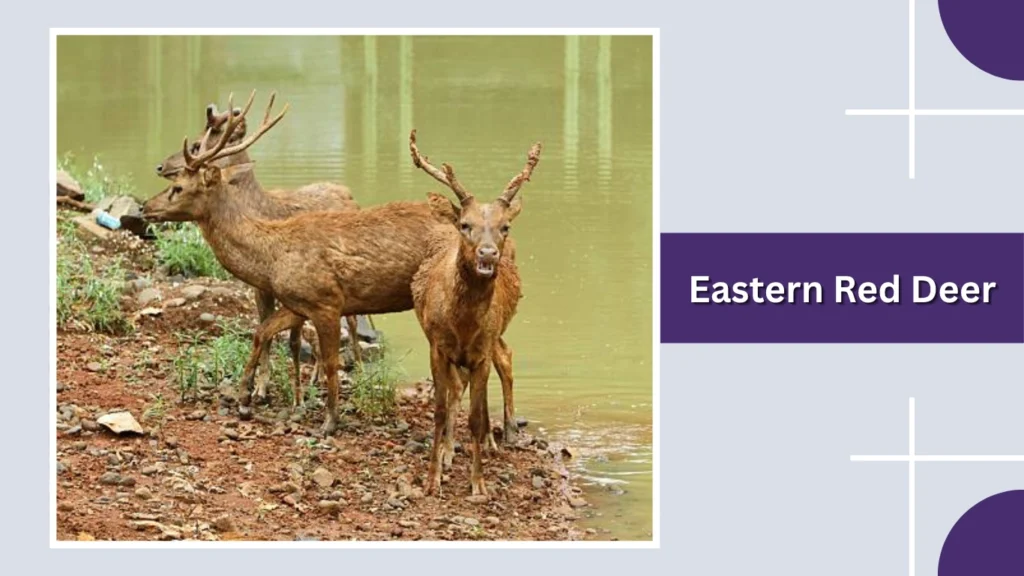
Eastern red deer are a subspecies of red deer commonly found in colder regions of Asia. They are well adapted to frosty climates and are known for their strong build, large antlers, and ability to survive in forested and mountainous environments.
Identification
- Large and robust body with long legs
- Reddish-brown coat that becomes thicker and duller in winter
- Males have large, multi-branched antlers
- Short tail with a lighter rump patch
- Darker neck and chest, especially in males
Habitat and Distribution
Eastern red deer are primarily found in eastern parts of Asia, including regions of China and surrounding areas. They inhabit forests, grasslands, and mountainous regions. In colder climates, they prefer dense forests that provide shelter from snow, frost, and strong winds.
Behavior and Adaptation
These deer are social animals that often live in herds, especially during winter. Males and females usually stay in separate groups outside the breeding season. They are strong and capable of traveling long distances in search of food. Their thick winter coat and fat reserves help them endure freezing conditions.
Diet and Survival
Eastern red deer are herbivores with a diet that varies by season. In winter, they rely on grasses, shrubs, and tree bark when fresh vegetation is limited. During warmer months, they feed on leaves, herbs, and grasses. Their ability to adapt their feeding habits ensures survival in frost-covered environments.
24. Western Red Deer
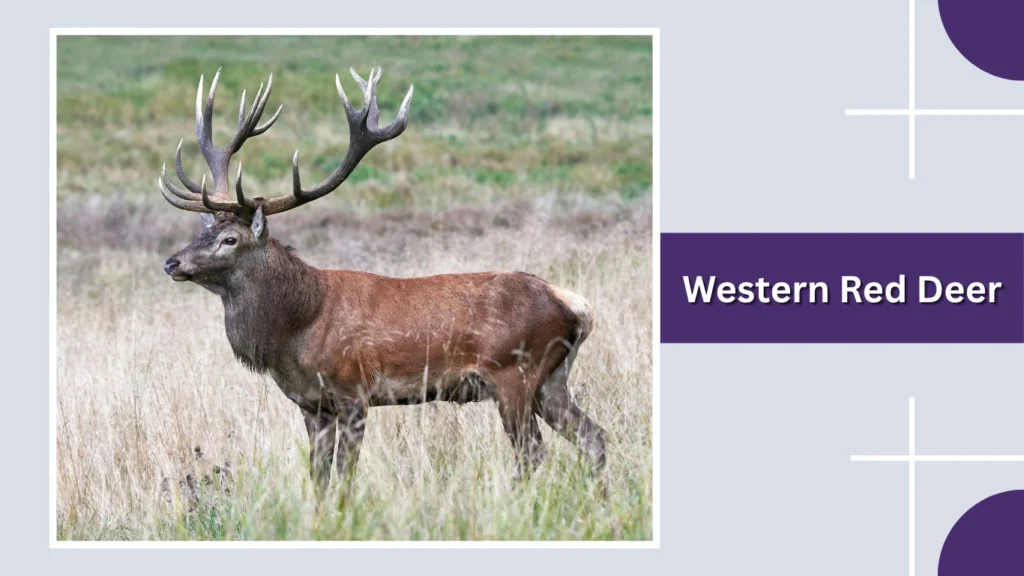
Western red deer are a subspecies of red deer adapted to cold and frosty regions, particularly in parts of Europe. They are known for their large size, impressive antlers, and ability to survive in harsh winter conditions within forests and mountainous landscapes.
Identification
- Large, muscular body with long legs
- Reddish-brown coat that thickens and dulls in winter
- Males have large, branching antlers
- Short tail with a pale rump patch
- Darker neck and chest, especially in mature males
Habitat and Distribution
Western red deer are found across western and central Europe. They inhabit forests, open woodlands, and mountainous areas. In colder regions, they rely on dense forests for shelter from snow and freezing winds. Seasonal movement helps them access better feeding grounds during winter.
Behavior and Adaptation
These deer are social animals that live in herds, especially during colder months. Males often separate outside the breeding season but rejoin during the rut. They are strong and capable of traveling across rugged terrain. Their thick winter coat and stored fat help them survive freezing temperatures.
Diet and Survival
Western red deer are herbivores with a seasonal diet. In winter, they feed on grasses, shrubs, and tree bark when food is scarce. During warmer months, they consume fresh vegetation such as grasses, leaves, and herbs. Their adaptability in feeding supports survival in frost-prone habitats.
25. Scandinavian Reindeer
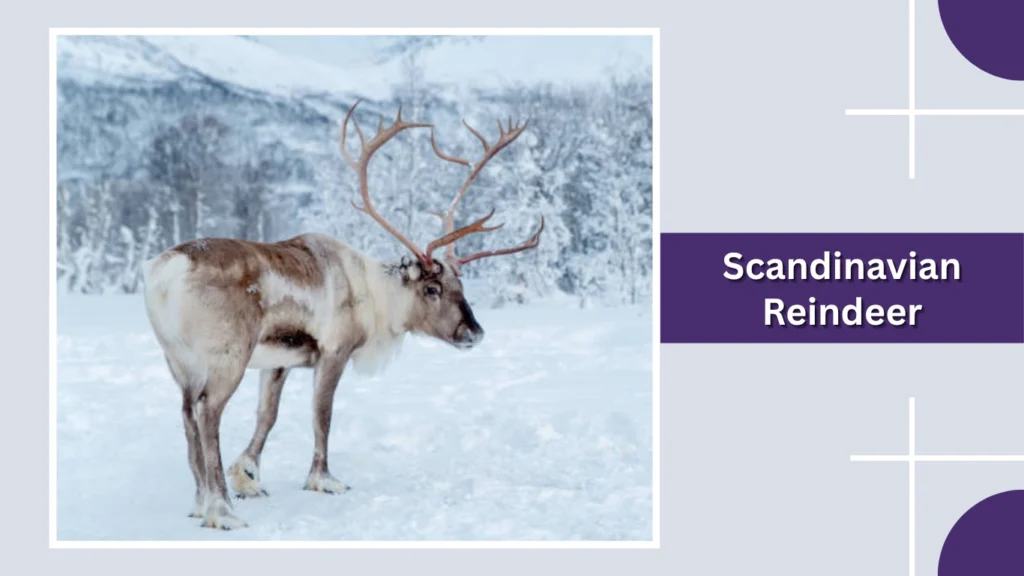
Scandinavian reindeer are a subspecies of reindeer adapted to the cold and frost-dominated regions of northern Europe. They are well known for their resilience in Arctic climates and play an important role in the ecosystems and cultures of countries like Norway, Sweden, and Finland.
Identification
- Medium-sized deer with a sturdy, compact body
- Both males and females grow antlers
- Thick, insulating fur that becomes lighter in winter
- Large, wide hooves adapted for snow and ice
- Short tail with a lighter underside
Habitat and Distribution
Scandinavian reindeer are found across northern parts of Norway, Sweden, and Finland. They inhabit tundra, boreal forests, and mountainous regions. In winter, they often move to forested areas where snow is less harsh, while in summer, they return to open tundra for grazing.
Behavior and Adaptation
These reindeer are highly social and often travel in herds. They are known for seasonal migrations, though typically shorter than those of Arctic caribou. Their hooves help them walk on snow and dig for food beneath it. They are also well adapted to cold temperatures due to their thick fur and efficient metabolism.
Diet and Survival
Scandinavian reindeer are herbivores with a diet suited to cold environments. In winter, they primarily feed on lichens found under the snow. During warmer months, they consume grasses, shrubs, and mosses. Their ability to locate and digest lichen is key to surviving in frost-covered habitats.
26. Arctic Reindeer
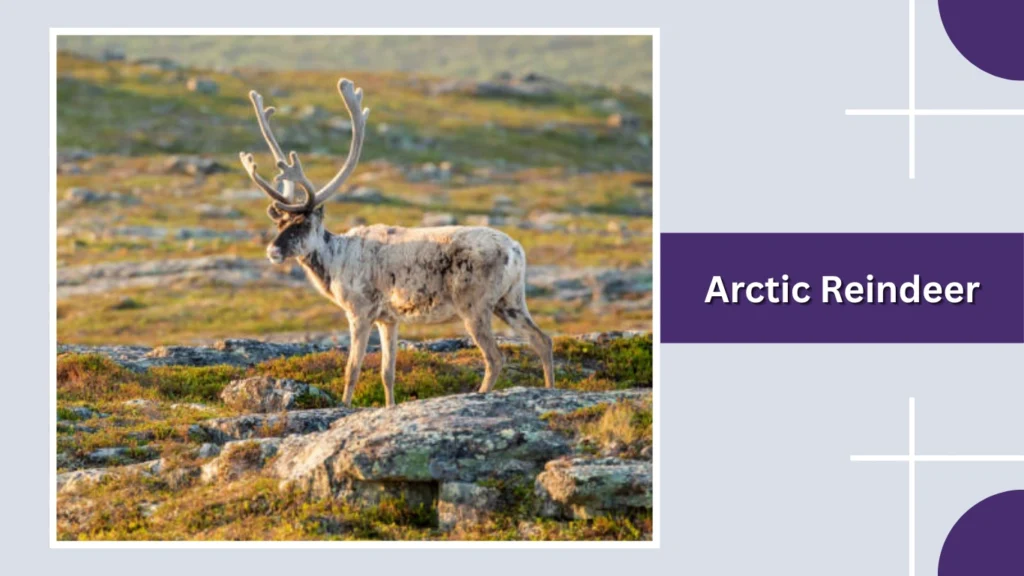
Arctic reindeer are specially adapted to some of the coldest and most frost-covered environments on Earth. Living in extreme Arctic regions, they are built to endure freezing temperatures, strong winds, and limited food availability throughout long winters.
Identification
- Medium-sized, compact body built for cold climates
- Both males and females grow antlers
- Very thick, insulating fur that appears lighter in winter
- Large, wide hooves for walking on snow and ice
- Short tail with a pale underside
Habitat and Distribution
Arctic reindeer are found in the far northern regions of the Arctic, including parts of northern Canada, Greenland, and northern Europe. They inhabit open tundra landscapes where trees are scarce. During winter, they remain in areas where they can access food beneath the snow.
Behavior and Adaptation
These reindeer are highly social and often form herds for protection and efficient movement. They are well adapted to extreme cold, with specialized noses that warm incoming air. Their hooves function like snowshoes, allowing them to travel across icy terrain and dig through snow to find food.
Diet and Survival
Arctic reindeer are herbivores with a diet suited to harsh conditions. In winter, they mainly feed on lichens, which they uncover beneath the snow. During summer, they consume grasses, mosses, and small shrubs. Their ability to survive on limited resources is key to thriving in frost-heavy environments.
27. Kamchatka Moose
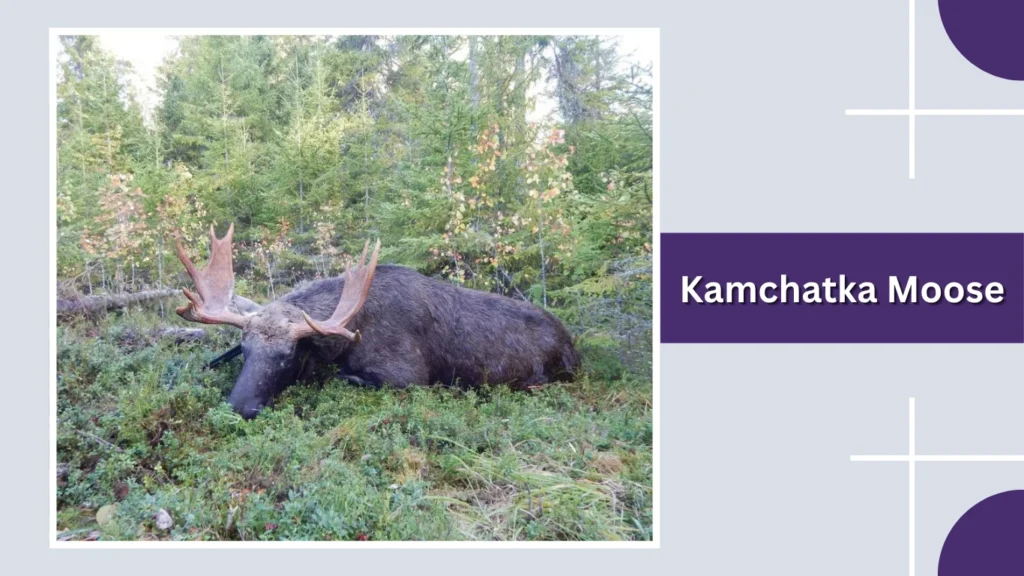
Kamchatka moose are a large and hardy subspecies of moose found in the cold and frost-covered regions of the Russian Far East. They are well adapted to extreme winter conditions and are known for their strength, size, and ability to survive in remote, snowy landscapes.
Identification
- Very large body with long, powerful legs
- Males have broad, palmate antlers
- Dark brown coat that becomes thicker in winter
- Long face with a pronounced snout
- Noticeable throat “bell” and shoulder hump
Habitat and Distribution
Kamchatka moose are primarily found in the Kamchatka Peninsula and surrounding regions of eastern Russia. They inhabit dense forests, river valleys, and wetlands. In winter, they remain in forested areas where trees provide shelter from deep snow and harsh winds.
Behavior and Adaptation
These moose are generally solitary animals, except during the breeding season. They are strong swimmers and can move efficiently through water and snow. Their long legs help them travel through deep snow, while their thick fur provides insulation against freezing temperatures.
Diet and Survival
Kamchatka moose are herbivores with a seasonal diet. In winter, they feed on twigs, bark, and woody plants when fresh vegetation is scarce. During warmer months, they consume leaves, grasses, and aquatic plants. Their ability to adapt their feeding habits ensures survival in frost-prone environments.
FAQs
What is the difference between reindeer and caribou?
Reindeer and caribou are actually the same species, but the name differs by region. In Europe and Asia, they are called reindeer, while in North America, wild populations are known as caribou. Domesticated ones are usually referred to as reindeer.
How do deer survive in extreme cold?
Deer survive cold climates through thick winter coats, fat storage, and behavioral adaptations like migration or reduced activity. Some species also have specialized hooves and nasal structures that help them move on snow and breathe in freezing air more efficiently.
Which deer species is best adapted to snow?
Reindeer (caribou) are among the best adapted to snowy environments. Their wide hooves act like snowshoes, and they can dig through snow to find food. Moose are also highly adapted, thanks to their long legs and insulating fur.
Do all deer migrate during winter?
Not all deer migrate. Some species, like tundra caribou, travel long distances, while others, such as roe deer or moose, stay within a smaller range. Migration depends on food availability, weather conditions, and the species’ natural behavior.
What do deer eat in frost-covered regions?
In frost-covered environments, deer mainly eat lichens, bark, twigs, and woody plants during winter. In warmer months, they switch to grasses, leaves, herbs, and shrubs. Their flexible diet helps them survive when fresh vegetation is scarce.
