
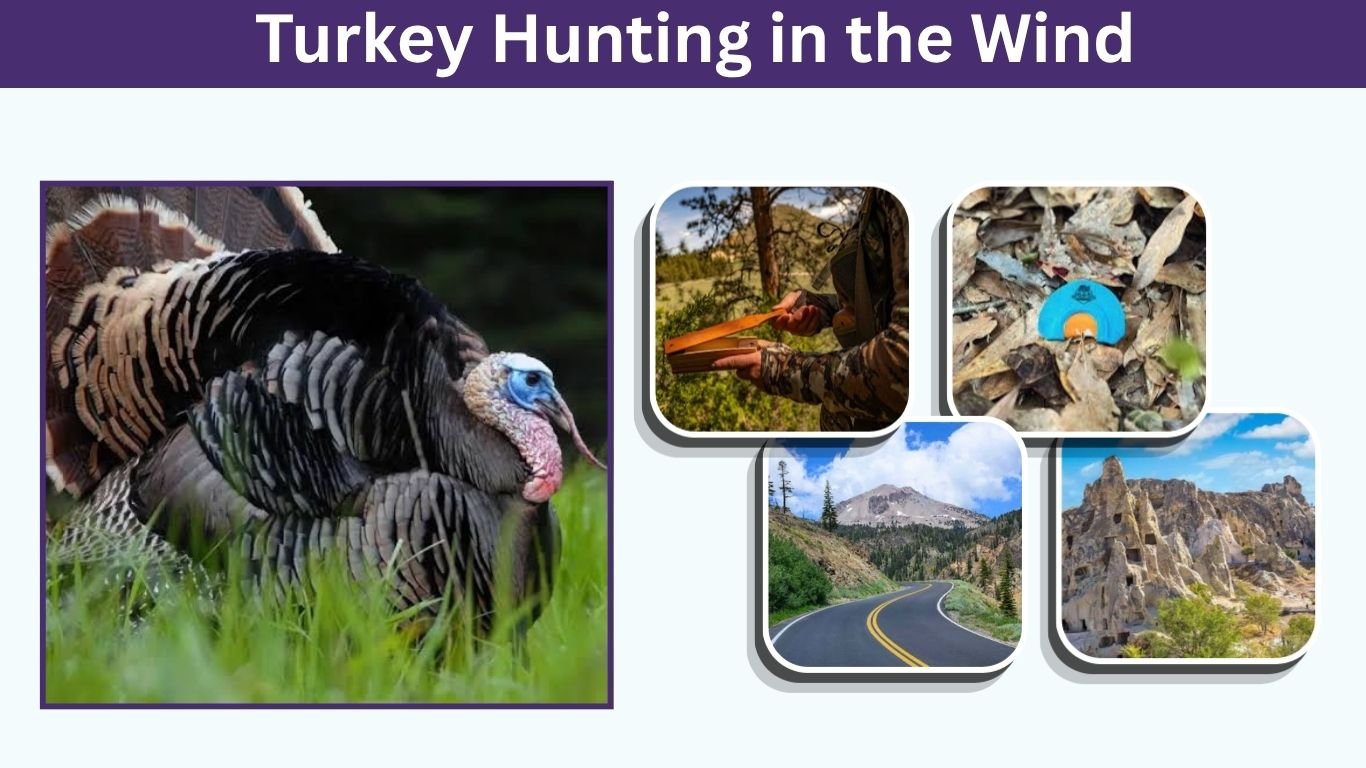
Turkey hunting in the wind can be challenging, but windy weather does not necessarily mean a bad hunting day. Strong gusts can make gobbling difficult to hear, change turkey movement patterns, and influence where birds spend their time. However, experienced hunters can still find success by adjusting their calling techniques and hunting locations. Whether you’re dealing with a 10 mph breeze or stronger winds, understanding turkey behavior and choosing the right setup can improve your chances of encountering a gobbler.
Is Turkey Hunting Good in the Wind?
Yes, turkey hunting in the wind can be productive, although success often depends on wind speed, habitat, and hunting conditions. Moderate winds may have little effect on turkey movement, while strong gusts can make birds less vocal and more difficult to locate.
Wind creates two major challenges for hunters. First, it masks gobbling and other turkey sounds. Second, moving vegetation makes it harder for turkeys to detect approaching predators.
Many hunters focus on sheltered valleys, woodland edges, and protected feeding areas during windy weather. These locations may provide calmer conditions where turkeys feel more comfortable moving and feeding.
How Does Wind Affect Turkey Behavior?
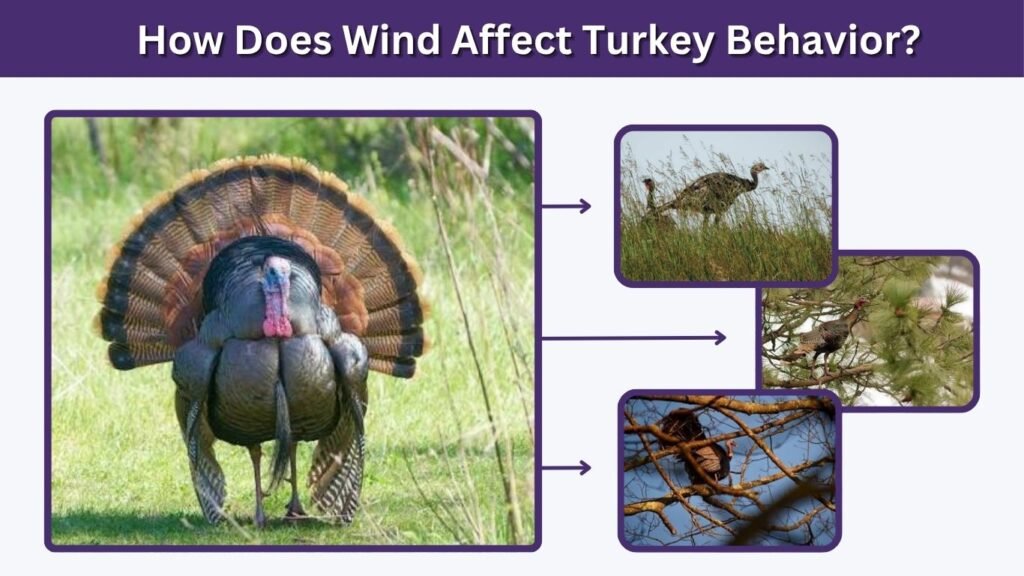
Wind affects wild turkeys primarily by interfering with hearing and making their surroundings less predictable. Understanding these changes can help hunters identify promising locations.
Do Turkeys Move Around in Strong Winds?
Wild turkeys continue moving during windy conditions, but they may change their travel routes and preferred habitats.
During strong winds, birds often seek areas protected from the most powerful gusts. Sheltered creek bottoms, protected valleys, and leeward hillsides can provide comfortable feeding and traveling conditions.
However, turkeys may also use open fields where they can watch for potential threats.
Do Turkeys Gobble When It’s Windy?
Yes, male turkeys can gobble during windy weather, but stronger winds are associated with reduced gobbling activity.
Wind also makes gobbling harder for hunters to hear, even when birds remain relatively close.
Research summarized by the National Wild Turkey Federation found gobbling activity declined as wind increased, with very little gobbling recorded above approximately 12 mph in one study.
Therefore, hunters should not assume turkeys are absent simply because the woods become quiet.
What Wind Speed Is Best for Turkey Hunting?
Wind speed can influence both turkey behavior and hunting effectiveness. Gentle breezes generally provide better listening conditions, while stronger winds require greater attention to terrain and visibility.
| Wind speed | Hunting conditions |
| 0–5 mph | Excellent listening and calling conditions |
| 5–10 mph | Generally favorable for turkey hunting |
| 10–15 mph | More challenging; focus on sheltered locations |
| 15–20 mph | Reduced audibility and potentially quieter birds |
| Above 20 mph | Difficult hunting; evaluate gusts and safety |
These ranges are practical guidelines rather than fixed biological thresholds. Turkeys in naturally windy regions may behave differently from birds accustomed to calmer environments.
Turkey Hunting in 10–15 MPH Wind
Turkey hunting in 10–15 mph wind can still be worthwhile. Birds may continue their usual feeding and traveling routines, but hearing gobbles becomes more challenging.
Focus on protected field edges, valleys, and woodland openings.
Use clear, realistic calls and listen carefully during temporary reductions in wind speed.
Turkey Hunting in High Winds
High winds can make locating turkeys difficult. Strong gusts mask calls, move branches, and create continuous background noise.
Instead of covering large areas without a plan, concentrate on established feeding locations and protected travel routes.
Avoid exposed ridges, unstable trees, and wooded areas where falling branches create hazards.
Where to Hunt Turkeys in the Wind
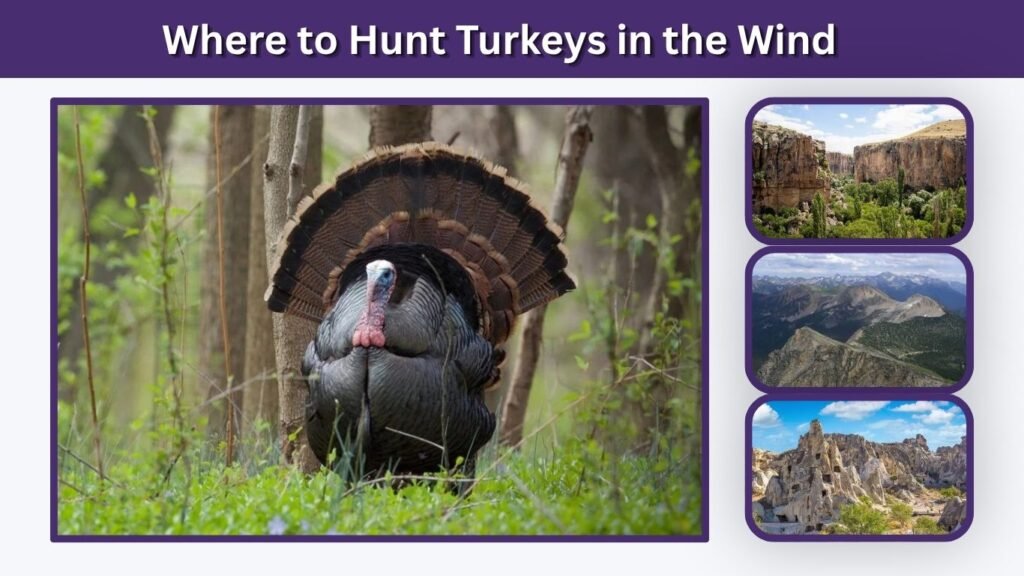
Choosing the right location is one of the most important parts of successful windy-day turkey hunting.
Wild turkeys often favor places offering some combination of shelter, food, and good visibility. Consider scouting the following habitats before your hunt.
Sheltered Creek Bottoms and Valleys
Creek bottoms and valleys can provide protection from strong winds, particularly when surrounding hills block prevailing gusts.
These habitats may also offer natural travel routes and feeding opportunities.
Look for fresh tracks, scratching marks, and signs of regular turkey activity before selecting a setup.
Leeward Sides of Ridges
The leeward side of a ridge is the side sheltered from the prevailing wind.
Turkeys may use these areas because they experience less direct wind exposure.
When hunting near ridges, select a concealed position where you can observe natural movement corridors without crossing areas occupied by birds.
Open Fields and Woodland Edges
Open fields can be productive because turkeys rely heavily on their eyesight when wind interferes with hearing.
Agricultural fields, food plots, and protected woodland openings can provide feeding opportunities and good visibility.
Focus on previously scouted locations rather than assuming every open field will attract turkeys.
How to Hunt Turkeys in the Wind: 7 Effective Tips
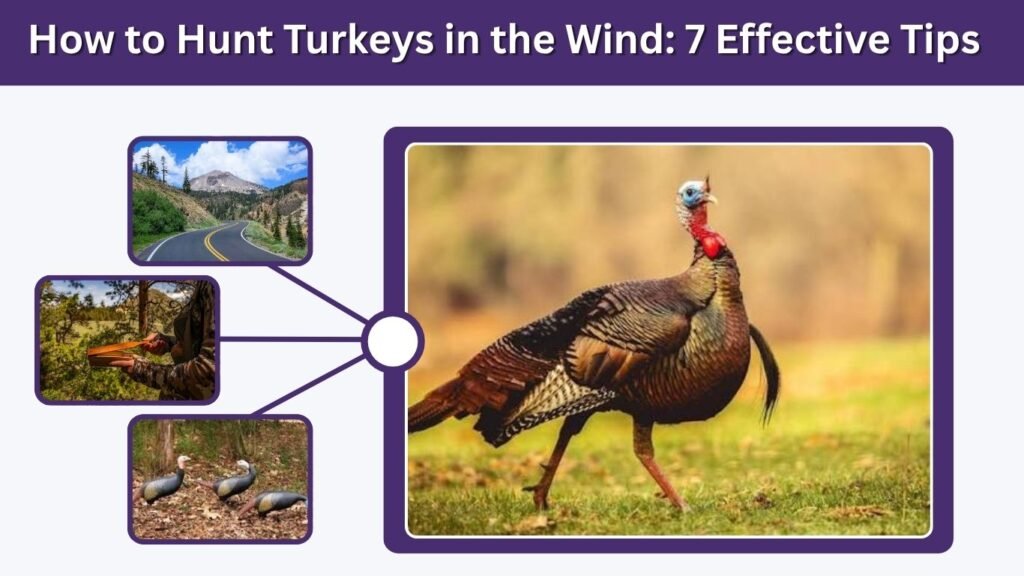
Successful turkey hunting in windy conditions requires patience, careful observation, and adjustments to traditional calling strategies.
1. Hunt Protected Areas
Start by locating terrain that blocks strong gusts.
Creek bottoms, sheltered hollows, and hillsides protected from the prevailing wind are promising locations.
These areas may provide calmer conditions where turkeys can hear nearby birds and detect potential threats.
2. Use Louder Turkey Calls When Necessary
Wind can reduce how far turkey calls are heard.
When trying to locate distant birds, slightly increase your calling volume.
Box calls and certain pot calls can produce clear, carrying sounds. However, avoid calling loudly every time.
Once a gobbler approaches, switch to softer, more natural yelps or clucks when appropriate.
3. Listen Between Wind Gusts
One useful technique is listening carefully during brief breaks between gusts.
A gobbler that seems completely silent may simply be difficult to hear through the wind.
Remain still and concentrate on distant sounds before deciding to change locations.
Avoid rushing toward a suspected gobble without confirming its direction.
4. Focus on Known Feeding Areas
During windy conditions, turkeys still need to feed.
Previously scouted food plots, grassy fields, and woodland openings can offer productive hunting opportunities.
Find a concealed position overlooking an established travel route and give birds time to appear naturally.
5. Use Turkey Decoys Carefully
Decoys may help attract gobblers when wind makes calling less effective.
However, strong gusts can cause lightweight decoys to twist, fall, or move unnaturally.
Secure decoys properly and consider avoiding them when movement becomes excessive.
Follow local regulations and maintain awareness of other hunters before using decoys.
6. Stay Patient With Quiet Gobblers
Strong wind can make even active turkeys seem unusually quiet.
A gobbler might approach without making an audible response.
Avoid unnecessary repositioning, and continue observing likely approach routes.
Patience becomes especially valuable when hunting locations with fresh signs of turkey activity.
7. Choose Safe and Comfortable Hunting Setups
Windy weather can make long hunting sessions uncomfortable.
Wear layers that block wind without restricting movement. A stable seat and protected position can help you remain focused.
If using a ground blind, secure it according to the manufacturer’s instructions and avoid locations exposed to powerful gusts.
Never remain under damaged trees or unstable branches during severe wind.
Spring vs. Fall Turkey Hunting in the Wind
Wind can affect spring and fall turkey hunts differently because turkey behavior changes throughout the year.
During spring, male turkeys are involved in breeding activity, and hunters frequently depend on gobbling to locate birds. Strong wind can make this approach less reliable.
Spring hunters should focus on previously identified gobbler locations, sheltered terrain, and careful calling.
During fall, turkeys are more commonly encountered in flocks, and hunters often concentrate on feeding patterns and travel routes.
In both seasons, scouting is important because wind alone cannot reliably predict where birds will appear.
Turkey Hunting in Wind and Rain
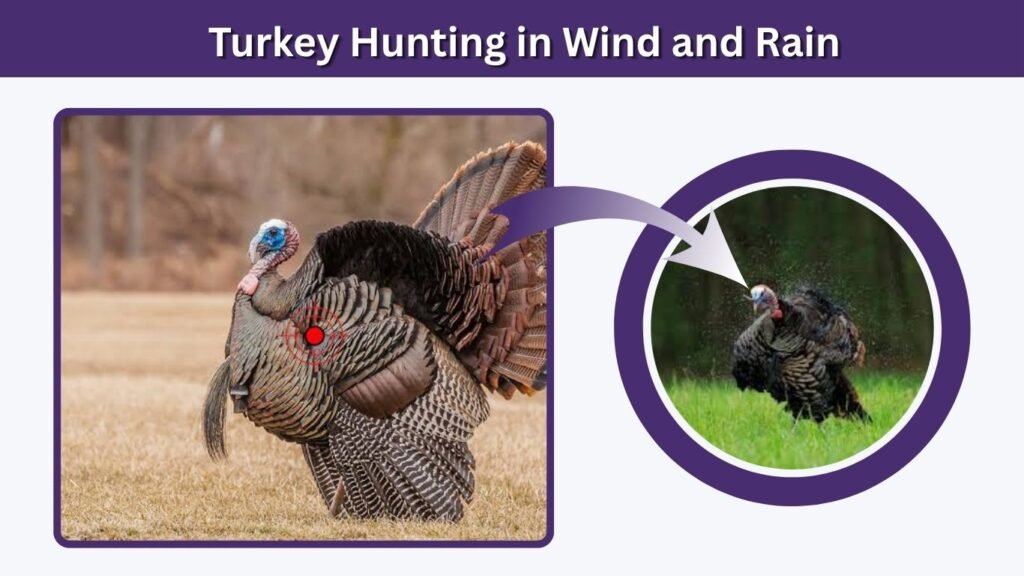
Wind combined with rain creates additional challenges for turkey hunters.
Heavy rainfall can reduce visibility, while strong gusts make calls and gobbles harder to hear.
During these conditions, turkeys may use sheltered areas, although some birds continue feeding in open habitats.
Hunters should prioritize protected locations, waterproof clothing, and safe footing.
Light rain with moderate wind may still offer worthwhile opportunities, but thunderstorms, dangerous gusts, and falling-tree hazards are reasons to suspend hunting.
FAQs
1. Is It Worth Turkey Hunting in High Winds?
Yes, turkey hunting in high winds can be worthwhile when conditions remain safe. Focus on sheltered habitats and established feeding areas rather than relying entirely on gobbling.
2. Can You Hunt Turkeys in 15 MPH Wind?
Yes. A 15 mph wind can make hearing gobbles more difficult, but turkeys may still travel, feed, and respond to calls. Protected locations are often good choices.
3. What Is the Best Place to Hunt Turkeys in the Wind?
Sheltered creek bottoms, leeward hillsides, protected field edges, and woodland openings are promising locations, particularly when scouting confirms regular turkey activity.
4. Do Turkeys Stop Gobbling in Strong Winds?
Not completely. Gobbling often decreases as wind speed increases, and wind noise can make responses difficult to hear. Birds may remain nearby even when hunters hear nothing.
5. Should You Turkey Hunt in Wind and Rain?
You can hunt during light rain and moderate wind when conditions are safe. Focus on sheltered travel routes and feeding areas. Avoid hunting during thunderstorms or hazardous winds.
