
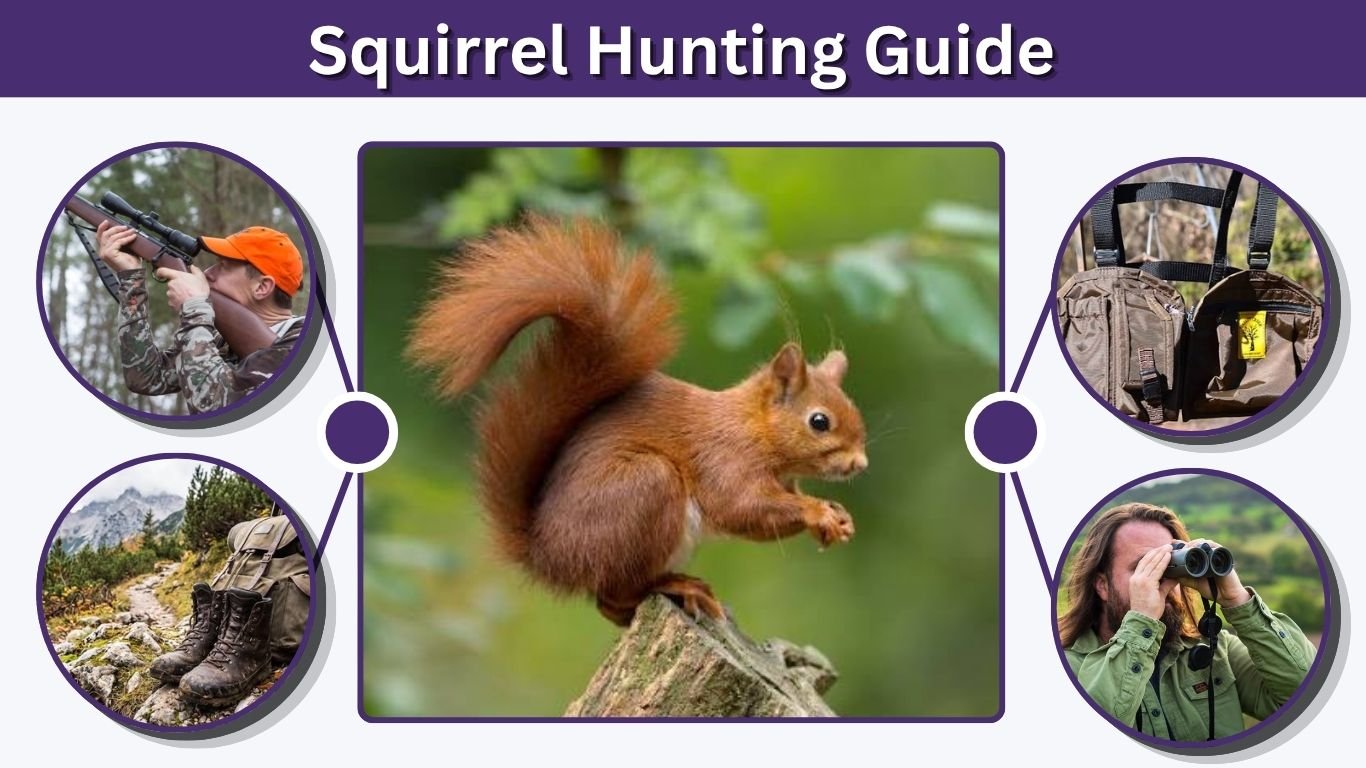
Squirrel hunting is one of the most enjoyable and accessible small-game hunting activities in North America. Whether you are a beginner or an experienced hunter, learning squirrel behavior, hunting techniques, and seasonal regulations can improve your chances of success. Gray squirrels and fox squirrels are popular targets in many states, especially in hardwood forests and wooded areas. This guide explains everything you need to know about squirrel hunting, including the best hunting times, essential equipment, effective methods, hunting dogs, and important safety rules.
How to Go Squirrel Hunting for Beginners
Squirrel hunting requires patience, observation, and an understanding of where squirrels live and feed. Unlike larger game animals, squirrels frequently move between tree branches and the forest floor. Beginners can improve their experience by choosing suitable hunting locations, observing squirrel activity, and practicing quiet movement.
Find the Best Places for Squirrel Hunting
Hardwood forests with oak, hickory, and walnut trees provide excellent squirrel habitats because these trees produce nuts that squirrels eat.
Wooded riverbanks, forest edges, and mature woodlots can also offer productive hunting opportunities. Look for fallen nutshells, feeding debris, and visible squirrel activity.
Public hunting lands are an option for beginners, but always confirm that squirrel hunting is permitted in the specific area.
Understand Squirrel Behavior
Squirrels are generally active during daylight hours, spending much of their time gathering food, traveling between trees, and searching for shelter.
Gray squirrels commonly inhabit mature hardwood forests, while fox squirrels often prefer more open woodland environments.
Understanding their feeding behavior and seasonal movements makes it easier to identify productive observation areas.
When Is Squirrel Hunting Season?

Squirrel hunting season varies across the United States depending on state wildlife regulations, species, and hunting zones. Some states provide opportunities during late spring and summer, while others primarily allow hunting in fall and winter. Always check the latest regulations before planning a trip.
Squirrel Hunting Season by State
The following examples show official 2026–2027 squirrel hunting seasons.
| State | Hunting Season |
| Pennsylvania | September 12–December 24, 2026, and December 26–February 28, 2027 |
| Oklahoma | May 15, 2026–February 28, 2027 |
| Missouri | May 23, 2026–February 15, 2027 |
| Massachusetts | September 8, 2026–February 27, 2027, with additional closures |
These dates are subject to applicable restrictions, and individual hunting areas may have additional rules.
Do You Need a Hunting License to Hunt Squirrels?
Most states require hunters to obtain an appropriate hunting license before pursuing squirrels. Requirements may depend on age, residency, location, and available exemptions.
Hunters should also review daily bag limits, legal hunting methods, hunter education requirements, and public-land restrictions.
Best Time for Squirrel Hunting
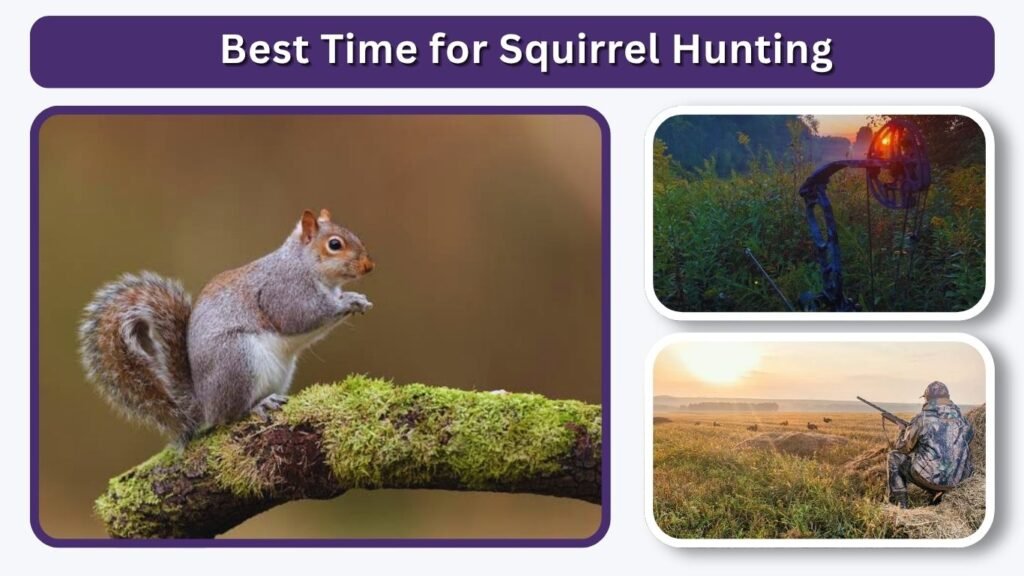
Choosing the right time can significantly influence hunting success. Squirrels follow daily feeding routines, but their activity changes with temperature, weather, and seasonal food availability. Understanding these patterns helps hunters decide when to visit wooded areas.
Best Time of Day
Early morning is generally one of the best times for squirrel hunting because squirrels often leave their nests to search for food.
Late afternoon can also be productive as squirrels feed before returning to shelter.
During colder winter conditions, midday may offer better activity because squirrels sometimes become more active when temperatures rise.
Best Weather Conditions
Cool, calm mornings typically provide favorable hunting conditions. Light winds make it easier to hear squirrels moving through branches and fallen leaves.
Heavy rain, strong winds, and extreme temperatures can reduce visible activity.
Fall is especially productive in many locations because squirrels spend considerable time collecting and storing nuts for winter.
Essential Squirrel Hunting Gear and Equipment

Having suitable squirrel hunting gear makes outdoor trips more comfortable, organized, and safe. Beginners do not necessarily need expensive equipment, but they should carry reliable essentials suited to the terrain, weather, and local regulations.
Basic Squirrel Hunting Gear Checklist
- Legal hunting firearm or other permitted equipment: Choose a hunting method allowed by local regulations and suitable for your training.
- Squirrel hunting vest: A vest with storage pockets and a game pouch provides convenient carrying space.
- Hunting boots: Waterproof boots with good traction help when walking through muddy or uneven forests.
- Binoculars: Compact binoculars make it easier to identify squirrels and observe activity from a distance.
- Camouflage clothing: Neutral, quiet clothing helps reduce unnecessary movement and noise.
- Squirrel calls: Approved calls can imitate squirrel vocalizations and help locate nearby activity.
- Safety equipment: Carry blaze-orange clothing where required, a first-aid kit, navigation equipment, and communication devices.
Choosing Suitable Hunting Equipment
Hunters commonly use legally permitted .22-caliber rifles or smaller shotguns for squirrel hunting. Air guns and archery equipment may also be permitted in certain jurisdictions.
Whatever equipment is selected, hunters should understand its limitations, practice beforehand, and prioritize humane harvesting and safe backstops.
Best Squirrel Hunting Techniques and Tips
Successful squirrel hunting depends more on patience and observation than constant movement. Several techniques can help beginners become familiar with squirrel habitats and activity patterns. Different methods work better depending on vegetation, terrain, and weather.
Still Hunting
Still hunting involves moving slowly through wooded areas while frequently stopping to observe the surroundings.
Hunters should concentrate on detecting movement, listening for feeding sounds, and watching tree branches.
Missouri’s Department of Conservation recommends moving quietly and periodically stopping for several minutes to observe squirrels.
Sitting and Waiting
Sitting near productive feeding areas is another effective squirrel hunting technique.
Choose a location with visible signs of squirrel activity, remain quiet, and observe the surrounding trees.
This method is particularly useful when squirrels become cautious after detecting human movement. Remaining still may allow them to resume normal feeding.
Using Squirrel Calls for Hunting
Squirrel hunting calls imitate sounds such as chatter, barking, or distress vocalizations.
These calls may encourage nearby squirrels to respond, helping hunters identify their locations.
However, calls do not guarantee success. Proper timing, realistic sounds, and patience are important.
Hunting Squirrels With Dogs
Squirrel hunting dogs can help locate squirrels and alert hunters when an animal moves into a tree.
Popular squirrel hunting dog breeds include Mountain Curs, Treeing Feists, and some terrier breeds.
Well-trained dogs use their senses to locate squirrel activity and communicate through barking or other trained responses.
Hunters should keep their dogs under control and check local regulations concerning hunting dogs.
Important Squirrel Hunting Safety Rules

Safety should remain the highest priority during every squirrel hunting trip. Since squirrels frequently climb trees, hunters must pay particular attention to their surroundings and what lies beyond their targets.
Never fire toward an unclear background or assume that an upward shot is safe. A safe, solid backstop is essential.
Always identify the animal before taking a shot, keep firearms pointed in a safe direction, and follow local hunter-orange requirements. Avoid shooting toward roads, houses, or other hunters.
Ethical squirrel hunting also means following bag limits, avoiding unnecessary suffering, and recovering harvested animals responsibly.
Common Squirrel Hunting Mistakes to Avoid
Beginners sometimes struggle because they move too quickly, overlook squirrel feeding areas, or hunt during periods of limited activity.
Making excessive noise is another common mistake. Squirrels have sensitive hearing and frequently retreat when they detect disturbances.
Hunters should also avoid relying exclusively on calls or visiting unfamiliar hunting areas without checking local regulations.
Learning from each trip, observing wildlife behavior, and practicing patience can gradually improve hunting success.
FAQs
1. What is the best month for squirrel hunting?
October and November are excellent months for squirrel hunting in many parts of the United States. Cooler temperatures and abundant fallen nuts encourage feeding activity. However, the best month varies by state, local habitat, weather conditions, and legal hunting seasons.
2. Is squirrel hunting good for beginners?
Yes, squirrel hunting is an accessible introduction to small-game hunting. It helps beginners develop patience, wildlife observation skills, and knowledge of forest habitats. New hunters should complete any required hunter education, practice safe equipment handling, and understand local hunting regulations.
3. What is the best time of day to hunt squirrels?
Early morning and late afternoon are generally productive because squirrels frequently search for food during these periods. However, cold winter weather can shift activity toward midday. Temperature, wind, available food, and seasonal conditions influence the best hunting hours.
4. Can you hunt squirrels with a pellet gun?
Some states permit squirrel hunting with certain air rifles or pellet guns, but equipment restrictions vary. Hunters must verify local regulations and ensure their equipment is legal and capable of humane harvesting. Proper training and a safe backstop remain essential.
5. Do squirrel hunting calls really work?
Squirrel hunting calls can sometimes encourage squirrels to respond or reveal their locations. Their effectiveness depends on realistic sounds, environmental conditions, and squirrel behavior. Calls work best as a supporting technique alongside careful observation, quiet movement, and patience.
