
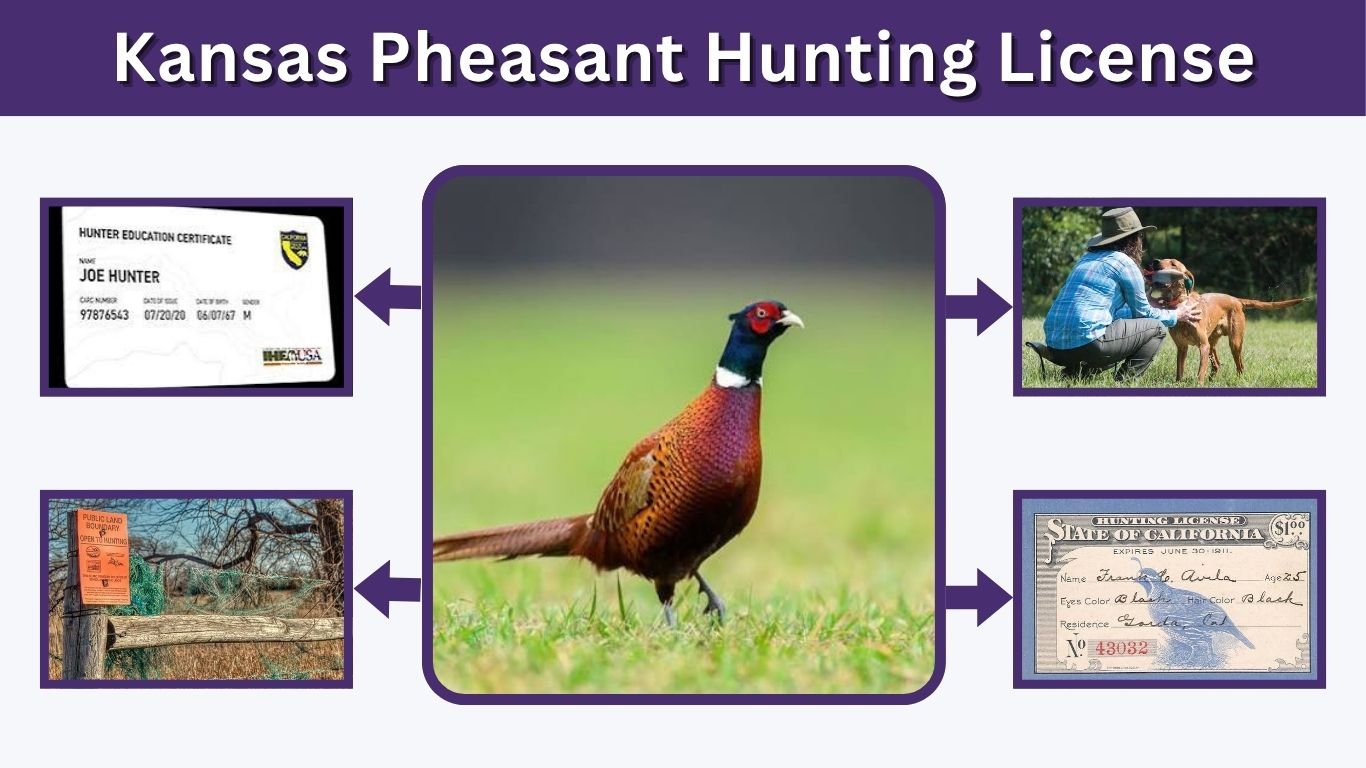
Kansas is one of the most popular destinations for pheasant hunting, attracting both resident and nonresident hunters each year. Before heading into the field, understanding the Kansas pheasant hunting license requirements is essential for a legal and enjoyable experience. Hunters must follow specific regulations covering licenses, hunting seasons, bag limits, and hunter education. Whether you’re planning a self-guided trip or booking guided pheasant hunts in north central Kansas, this guide explains license costs, purchasing options, seasonal dates, and important hunting laws for the 2026–2027 season.
Do You Need a Hunting License for Pheasant in Kansas?
Yes, most hunters need a valid Kansas hunting license before hunting pheasants. The Kansas Department of Wildlife and Parks (KDWP) requires licenses for residents ages 16 through 74 and nonresidents of all ages, unless a specific legal exemption applies.
Hunters generally do not need a separate pheasant-specific permit in addition to their regular hunting license. However, other requirements may apply depending on the hunting property and individual circumstances.
Kansas Resident Hunting License
Kansas residents between 16 and 74 years old generally need a valid hunting license. Residents younger than 16 or aged 75 and older are exempt from the standard hunting license requirement.
Certain landowners and qualifying family members may also be exempt when hunting on their own property under state law.
Kansas Nonresident Pheasant Hunting License
Nonresident hunters must generally purchase a Kansas nonresident hunting license, including hunters younger than 16.
Visitors from other states should obtain the appropriate license before their trip. Buying a guided pheasant hunting package does not automatically replace the state’s licensing requirements.
Kansas Pheasant Hunting License Cost in 2026

Kansas offers several hunting license options based on residency, age, and hunting preferences. Residents pay lower annual license fees, while nonresidents purchase licenses at a different rate.
The following table shows the published Kansas hunting license prices for 2026.
| Hunting License Type | Cost |
| Resident annual hunting license | $27.50 |
| Nonresident annual hunting license | $127.50 |
| Nonresident youth license (under 16) | $42.50 |
| Resident senior license (65–74) | $15.00 |
| Resident 5-year hunting license | $102.50 |
| Resident youth multi-year license (16–20) | $42.50 |
| Controlled Shooting Area license | $27.50 |
These fees are published by KDWP; verify the final checkout amount when purchasing. Most annual hunting licenses remain valid for 365 days from purchase.
Is There a One-Day Kansas Pheasant Hunting License?
Kansas primarily offers annual hunting licenses for regular pheasant hunting rather than a standard one-day pheasant license.
Hunters planning a single-day visit generally still need the appropriate annual license unless they qualify for another exemption or are hunting under a valid Controlled Shooting Area license at an eligible property.
Does Kansas Offer Discounted Hunting Licenses?
Kansas offers discounted licenses for eligible senior residents and multi-year options for certain resident youth hunters.
Residents aged 75 and older do not need the regular hunting license, although applicable rules and other requirements still apply.
How to Buy a Kansas Pheasant Hunting License
Purchasing a Kansas pheasant hunting license is straightforward. Hunters can buy licenses online, through authorized retailers, or directly from participating KDWP offices.
Purchasing in advance helps prevent licensing problems when arriving at a hunting lodge or public hunting area.
Steps to Purchase Your Hunting License
- Visit the official licensing system: Open Go Outdoors Kansas or visit an authorized license vendor.
- Create or access your account: Provide the identification and personal information required by the licensing system.
- Select your residency category: Choose the correct resident or nonresident hunting license.
- Verify hunter education requirements: Confirm whether certification, an exemption, or an apprentice license applies.
- Complete your purchase: Review your license details and pay the required fees.
- Keep your license accessible: Carry your valid license or an accepted electronic version while hunting.
Official purchasing information is available through the Kansas Department of Wildlife and Parks.
Kansas Pheasant Hunting Season 2026–2027
Kansas establishes specific hunting seasons for pheasants to support wildlife management and sustainable hunting opportunities. The regular pheasant hunting season generally begins in November and continues through January.
Hunters should verify the current season dates before making travel arrangements or booking Kansas pheasant hunting packages.
Kansas Pheasant Hunting Season Dates
| Hunting Season | Dates |
| Youth and disability season | November 7–8, 2026 |
| Regular pheasant season | November 14, 2026 – January 31, 2027 |
| Legal shooting hours | 30 minutes before sunrise to sunset |
| Daily bag limit | 4 rooster pheasants |
| Possession limit | 16 rooster pheasants |
Only male pheasants, commonly called roosters, may be harvested during the regular Kansas pheasant hunting season.
Best Time to Hunt Pheasants in Kansas
November and December are popular months for Kansas pheasant hunting. Early-season hunters often experience relatively mild temperatures, while late-season hunting can involve colder weather and different cover conditions.
Hunting success depends on habitat quality, bird populations, weather, and hunting pressure.
Kansas Pheasant Hunting Laws and Regulations

Understanding Kansas pheasant hunting regulations helps hunters avoid violations and protect wildlife. These laws apply to residents and nonresidents, although certain licensing exemptions may differ.
Hunters should review the most recent KDWP regulations before entering the field.
Important Kansas Pheasant Hunting Rules
- Legal birds: Only rooster pheasants may be harvested.
- Daily limit: Hunters may harvest up to four rooster pheasants per day.
- Possession limit: The regular possession limit is 16 rooster pheasants.
- Shooting hours: Hunting is permitted from one-half hour before sunrise until sunset.
- Transportation: Harvested pheasants must retain a foot, plumage, or another identifying part sufficient to establish sex during transportation.
- Private property: Hunters must obtain permission before hunting on privately owned property unless authorized access arrangements apply.
- Ammunition: Nontoxic shot may be required on certain hunting properties.
- Public land: Hunters must follow area-specific access and equipment restrictions.
Additional regulations may apply to licensed shooting preserves and special hunting areas.
Kansas Hunter Education Requirements
Kansas requires most hunters born on or after July 1, 1957, to complete an approved hunter education course before hunting.
However, younger hunters and qualifying apprentice license holders may be eligible for exceptions.
Who Needs Hunter Education?
Hunters aged 15 or younger may hunt without completing hunter education when directly supervised by an adult aged 18 or older.
Hunters aged 16 or older who have not completed hunter education may qualify for an apprentice hunting license. Kansas allows up to two apprentice licenses, requiring supervision by an appropriate licensed adult.
Kansas also recognizes approved hunter education certifications from other states and jurisdictions.
Guided Pheasant Hunting Trips in North Central Kansas

Guided pheasant hunting trips in north central Kansas attract visitors looking for organized hunting experiences. This region features agricultural fields, grasslands, and other habitats suitable for ring-necked pheasants.
Many outfitters provide professional guides, trained hunting dogs, private hunting access, and optional accommodations.
Do Guided Pheasant Hunts Require a License?
Yes. Hunters participating in guided pheasant hunts generally need a valid Kansas hunting license unless an exemption applies.
A special Controlled Shooting Area license may be appropriate when hunting exclusively on qualifying licensed properties. Unlike a regular hunting license, it does not authorize hunting throughout the state.
Before booking, ask the outfitter which license is required and whether license costs are included in the package.
Kansas Pheasant Hunting Packages
Kansas pheasant hunting packages may include guided field sessions, trained dogs, accommodation, meals, field transportation, and harvested-bird processing.
Package prices vary depending on hunting duration, services, and group size. Hunters should also confirm whether the outfitter offers wild-bird hunts or released-bird experiences on licensed shooting areas.
Self-Guided Pheasant Hunting in Kansas

Self-guided pheasant hunting provides an alternative for hunters who prefer independent outdoor experiences. Kansas offers public hunting areas and Walk-In Hunting Access properties that allow eligible hunters to access designated lands.
The state’s 2026–2027 hunting atlas identifies participating properties and applicable access periods. Commercial guiding is not permitted on KDWP-managed public hunting lands, including Walk-In Hunting Access areas.
Guided vs. Self-Guided Kansas Pheasant Hunts
| Feature | Guided Hunting | Self-Guided Hunting |
| Professional assistance | Usually included | Not included |
| Trained hunting dogs | Often provided | Hunter arranges |
| Hunting locations | Arranged by outfitter | Chosen independently |
| Accommodation | May be included | Arranged separately |
| Overall cost | Generally higher | Usually lower |
| Suitable for | Beginners and groups | Experienced hunters |
Both hunting options require compliance with applicable Kansas licensing laws, hunting seasons, and property regulations.
FAQs
1. How much is a Kansas pheasant hunting license for nonresidents?
A Kansas nonresident annual hunting license costs $127.50 according to the published 2026 fee schedule. Nonresident hunters younger than 16 can purchase a youth hunting license for $42.50.
2. Do you need a special license to hunt pheasants in Kansas?
No separate pheasant-specific permit is generally required for regular pheasant hunting. Most hunters need a valid Kansas hunting license, while certain licensed shooting areas offer special licensing options.
3. Can nonresidents hunt pheasants in Kansas?
Yes. Nonresidents can hunt pheasants in Kansas after obtaining the appropriate hunting license and meeting applicable hunter education, season, and access requirements.
4. When does Kansas pheasant hunting season start?
The regular 2026–2027 Kansas pheasant hunting season begins November 14, 2026, and ends January 31, 2027. A special youth and disability season is scheduled for November 7–8, 2026.
