
Hunting dogs have been developed for generations to track, point, flush, chase, and retrieve different types of game. Some breeds specialize in birds and waterfowl, while others are better suited to rabbits, raccoons, foxes, or larger game. Their scenting ability, stamina, intelligence, and natural hunting instincts make them valuable working companions in the field. In this guide, you’ll discover 25 types of hunting dogs, along with their identification, hunting skills, temperament, and the hunting roles they are best known for.
1. Labrador Retriever
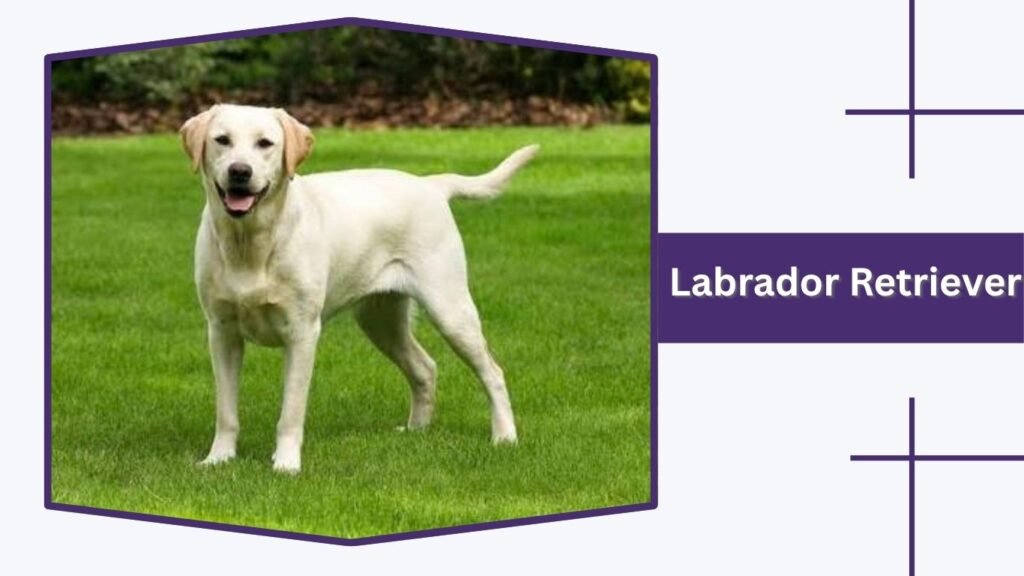
The Labrador Retriever is one of the most versatile hunting dogs, especially valued for retrieving waterfowl and upland game birds. Originally developed as a working retriever, this breed combines intelligence, stamina, swimming ability, and a strong desire to cooperate with its handler. Labradors are dependable in wetlands, fields, and cold-water environments, making them suitable for many different hunting situations.
Identification
- Size: Medium to large
- Height: About 21.5–24.5 inches
- Weight: Around 55–80 pounds
- Coat: Short, dense, and water-resistant
- Common Colors: Black, yellow, and chocolate
- Body: Strong, muscular, and athletic
- Ears: Medium-sized and hanging
- Tail: Thick, powerful “otter” tail
- Typical Lifespan: About 10–12 years
Hunting Skills and Working Style
Labrador Retrievers are best known for locating and recovering downed game. Their strong swimming ability allows them to retrieve ducks and geese from ponds, rivers, marshes, and lakes. They also have an excellent sense of smell that helps them locate wounded or hidden birds. A well-trained Labrador can remember several fall locations and respond to whistle commands, hand signals, and directional cues from its handler.
Temperament and Trainability
Labradors are intelligent, eager to please, and usually highly responsive to training. Their cooperative temperament helps them develop a strong working relationship with hunters. Consistent obedience training, retrieving exercises, and early exposure to hunting environments can help develop their natural abilities. They are energetic working dogs but can remain controlled and patient when properly trained.
Best Hunting Roles
The Labrador Retriever is particularly effective for duck and goose hunting because of its water-resistant coat and strong retrieving instinct. It can also recover pheasants, grouse, quail, and other upland birds. Its combination of stamina, intelligence, swimming ability, and versatility makes the Labrador Retriever useful for hunters who need a dependable dog capable of working in both water and field conditions.
2. Golden Retriever
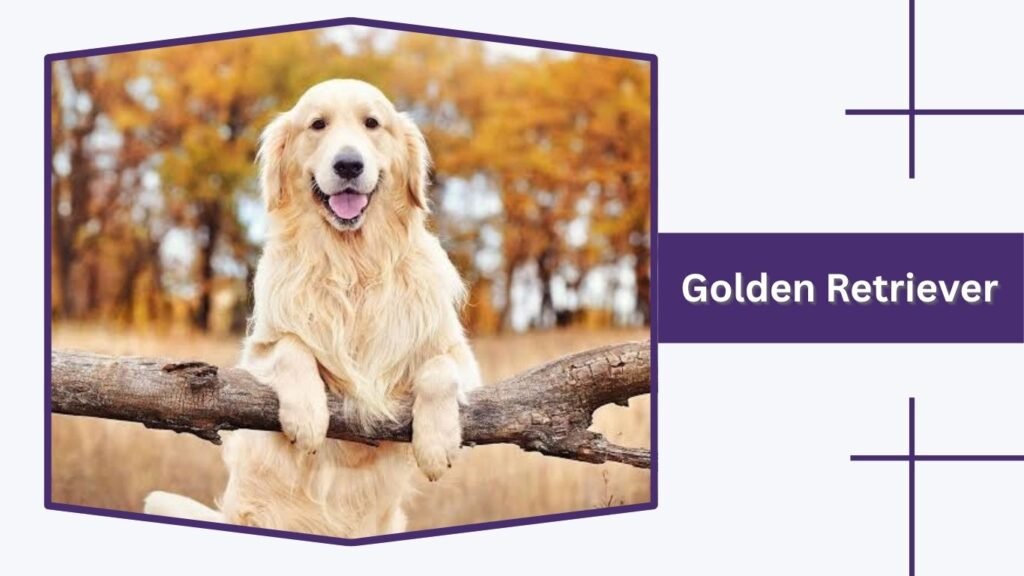
The Golden Retriever is a versatile hunting dog originally developed to retrieve shot game birds from both land and water. Its gentle mouth, strong swimming ability, excellent nose, and cooperative personality make it particularly useful for waterfowl and upland bird hunting. Although widely known as a family companion, field-bred Golden Retrievers retain strong hunting instincts and can perform demanding retrieving work.
Identification
- Size: Medium to large
- Height: About 21.5–24 inches
- Weight: Around 55–75 pounds
- Coat: Dense, water-repellent double coat
- Common Colors: Light golden to dark golden
- Body: Strong, balanced, and athletic
- Ears: Medium-sized and hanging
- Tail: Long and feathered
- Typical Lifespan: About 10–12 years
Hunting Skills and Working Style
Golden Retrievers are primarily retrieving dogs. They can mark where a bird falls, search for it using scent, and return it carefully to the hunter. Their swimming ability makes them effective around ponds, lakes, marshes, and other wet environments. They can also work through grass and moderate brush when recovering upland game.
Temperament and Trainability
Goldens are intelligent, responsive, and generally eager to cooperate. These qualities make obedience, retrieving, whistle, and directional training relatively straightforward when introduced consistently. Their gentle nature does not prevent them from working energetically in the field.
Best Hunting Roles
Golden Retrievers are particularly suited to ducks, geese, pheasants, grouse, and other game birds. Hunters who want a dog capable of retrieving from both land and water can benefit from the breed’s versatility, stamina, and strong desire to carry game back to its handler.
3. Chesapeake Bay Retriever
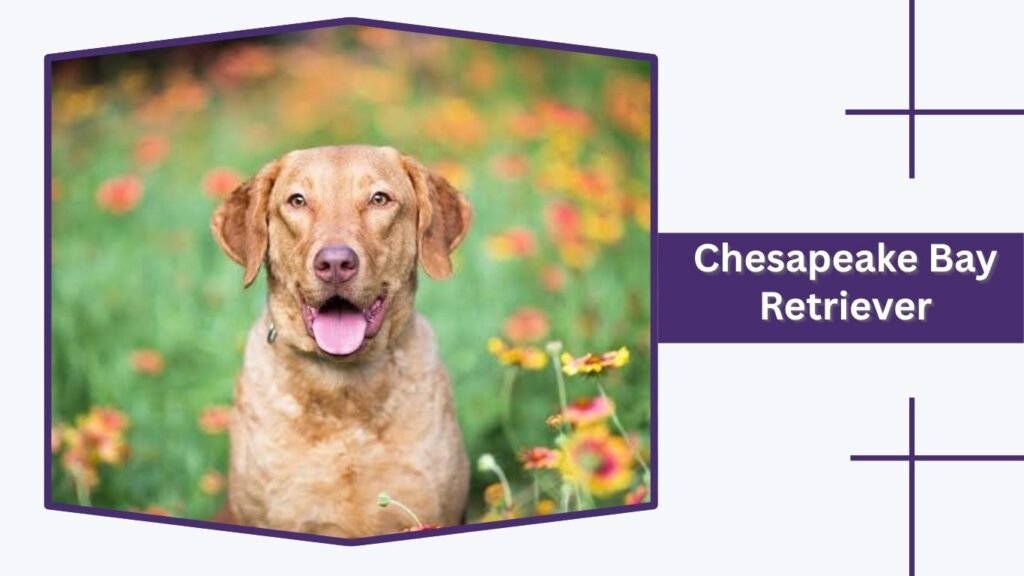
The Chesapeake Bay Retriever is a rugged hunting dog developed specifically for demanding waterfowl retrieval. Its muscular body, strong swimming ability, and dense weather-resistant coat allow it to work in cold water and difficult conditions. Known for determination and endurance, the Chesapeake can repeatedly retrieve ducks and geese from marshes, rivers, lakes, and coastal environments.
Identification
- Size: Medium to large
- Height: About 21–26 inches
- Weight: Around 55–80 pounds
- Coat: Short, dense, oily, and water-resistant
- Common Colors: Brown, sedge, and deadgrass
- Body: Powerful and muscular
- Head: Broad and strong
- Tail: Thick and medium length
- Typical Lifespan: About 10–13 years
Hunting Skills and Working Style
Chesapeake Bay Retrievers are excellent swimmers that can handle cold water, waves, and difficult shorelines. Their strong retrieving instinct allows them to remember where birds have fallen and search persistently when game is difficult to locate. They can also use scent effectively when recovering wounded birds.
Temperament and Trainability
The Chesapeake is intelligent and loyal but often more independent than some other retrievers. Consistent training and clear communication are important from an early age. When properly trained, these dogs can become highly dependable and focused working partners.
Best Hunting Roles
The breed is most strongly associated with duck and goose hunting. Its physical strength and protective coat make it especially suitable for hunters working in cold or wet climates where repeated water retrieves are common.
4. German Shorthaired Pointer
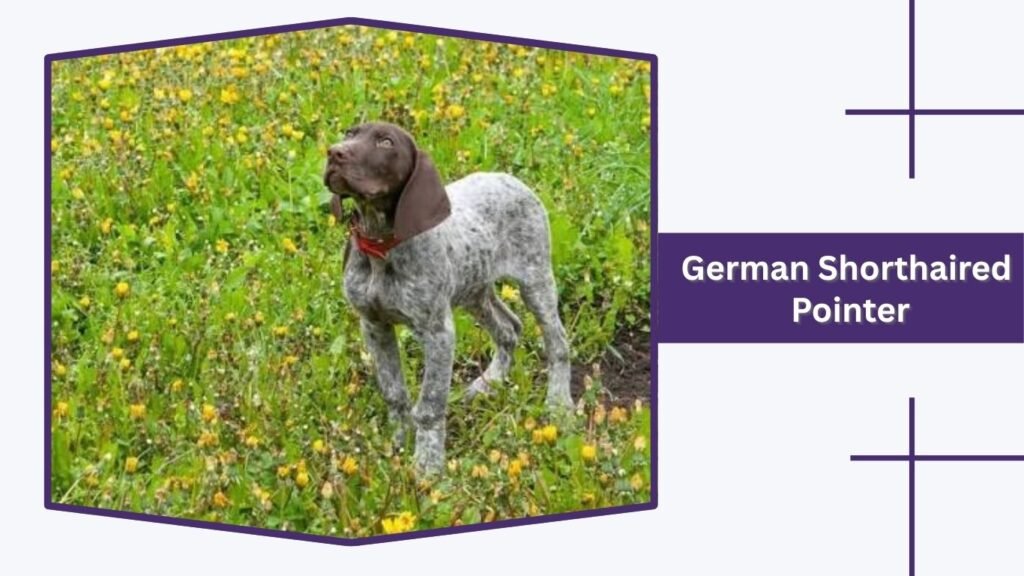
The German Shorthaired Pointer is one of the most versatile hunting breeds, capable of locating, pointing, tracking, and retrieving game. Developed in Germany as an all-purpose gun dog, it combines speed, stamina, intelligence, and an excellent sense of smell. Its athletic build enables it to cover extensive areas of fields, grasslands, and woodland efficiently.
Identification
- Size: Medium to large
- Height: About 21–25 inches
- Weight: Around 45–70 pounds
- Coat: Short, dense, and smooth
- Common Colors: Liver, liver and white, or patterned
- Body: Lean, muscular, and athletic
- Ears: Long and hanging
- Muzzle: Long and well developed
- Typical Lifespan: About 10–12 years
Hunting Skills and Working Style
German Shorthaired Pointers search for game primarily through scent. When they locate birds, they instinctively stop and point toward the hiding place. Many can also track wounded game and retrieve birds from land or water after the shot.
Temperament and Trainability
These dogs are intelligent, energetic, and eager to work. They need regular exercise and structured training to channel their considerable energy productively. Their responsiveness allows them to learn hand signals, recall commands, retrieving tasks, and field-control techniques.
Best Hunting Roles
German Shorthaired Pointers are widely used for pheasant, quail, grouse, partridge, and other upland birds. Their tracking ability also gives them broader hunting versatility. They are particularly useful for hunters who want one dog capable of performing several different field tasks.
5. German Wirehaired Pointer
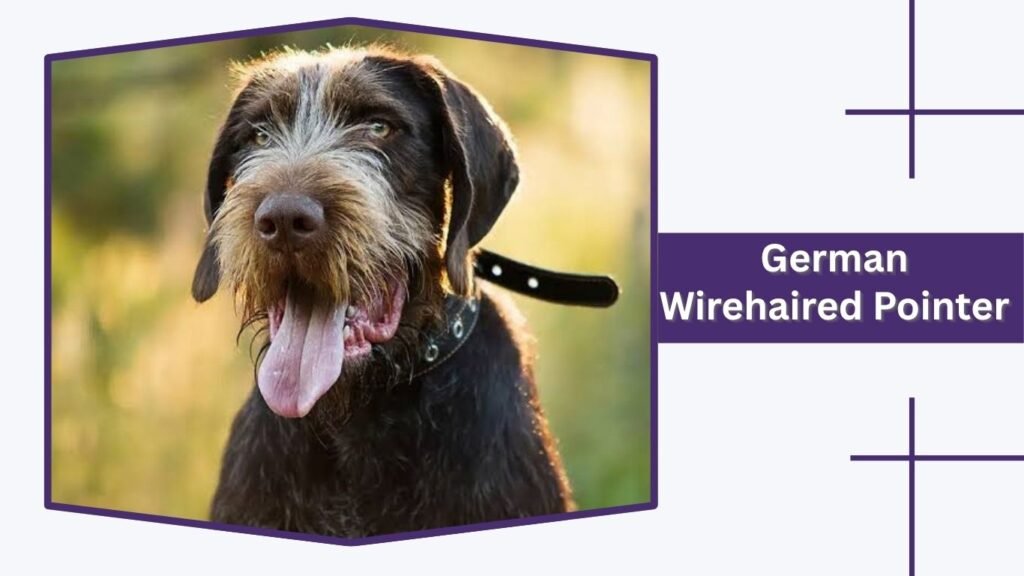
The German Wirehaired Pointer is a tough, versatile hunting dog designed to work across rough terrain and changing weather conditions. Its harsh coat protects the body from thick brush, thorns, cold, and moisture. The breed combines pointing, tracking, scenting, and retrieving abilities, making it suitable for hunters who pursue different types of game throughout the season.
Identification
- Size: Medium to large
- Height: About 22–26 inches
- Weight: Around 50–70 pounds
- Coat: Harsh, wiry, and weather-resistant
- Common Colors: Liver and white, liver roan, or liver
- Body: Strong and athletic
- Face: Distinctive beard and eyebrows
- Ears: Medium-sized and hanging
- Typical Lifespan: About 14–16 years
Hunting Skills and Working Style
German Wirehaired Pointers use their strong noses to locate birds and other game before holding a firm point. Their rugged build allows them to search dense cover and difficult ground. Many are also strong swimmers and capable retrievers, making them useful around wetlands as well as upland habitats.
Temperament and Trainability
This breed is intelligent, determined, and energetic. German Wirehaired Pointers generally form strong working relationships with their handlers but require consistent training. Their natural independence can be an advantage during searches when balanced with reliable obedience.
Best Hunting Roles
The breed is well suited to pheasant, quail, grouse, ducks, and other game birds. Its tracking ability can also make it useful for broader hunting applications. Hunters working in rough vegetation and mixed terrain often value its protective coat and all-around working ability.
6. English Pointer
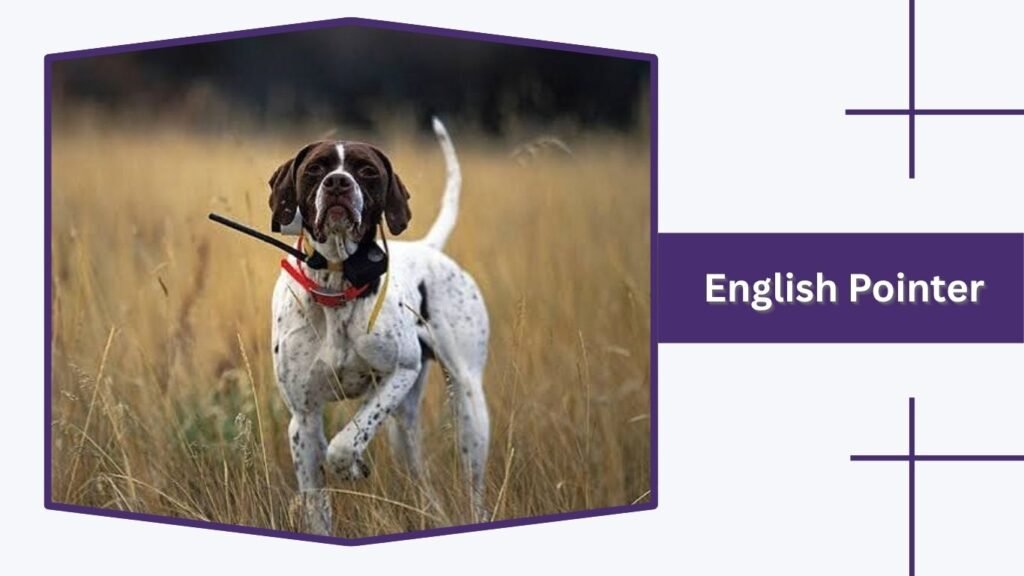
The English Pointer is a classic hunting dog recognized for its exceptional ability to locate upland game birds and indicate their position. Built for speed and endurance, this breed can search large areas quickly while using its highly developed sense of smell. Its characteristic pointing stance has made it one of the most recognizable bird dogs in the hunting world.
Identification
- Size: Medium to large
- Height: About 23–28 inches
- Weight: Around 45–75 pounds
- Coat: Short, smooth, and fine
- Common Colors: White with liver, lemon, orange, or black markings
- Body: Lean, muscular, and athletic
- Head: Long and defined
- Tail: Long and tapered
- Typical Lifespan: About 12–17 years
Hunting Skills and Working Style
English Pointers are specialists at locating birds through airborne scent. When they detect game, they freeze and direct their nose toward the bird while often raising one front leg. This gives the hunter an opportunity to approach before the bird is flushed.
Temperament and Trainability
The breed is energetic, intelligent, and naturally driven to search. Training should focus on recall, steadiness, directional handling, and maintaining appropriate range. Regular exercise is essential because these dogs are built for sustained field activity.
Best Hunting Roles
English Pointers are especially effective for quail, pheasant, and other upland birds. They perform particularly well across open fields and expansive hunting grounds where their speed and wide-ranging search pattern allow them to locate scattered game efficiently.
7. English Setter
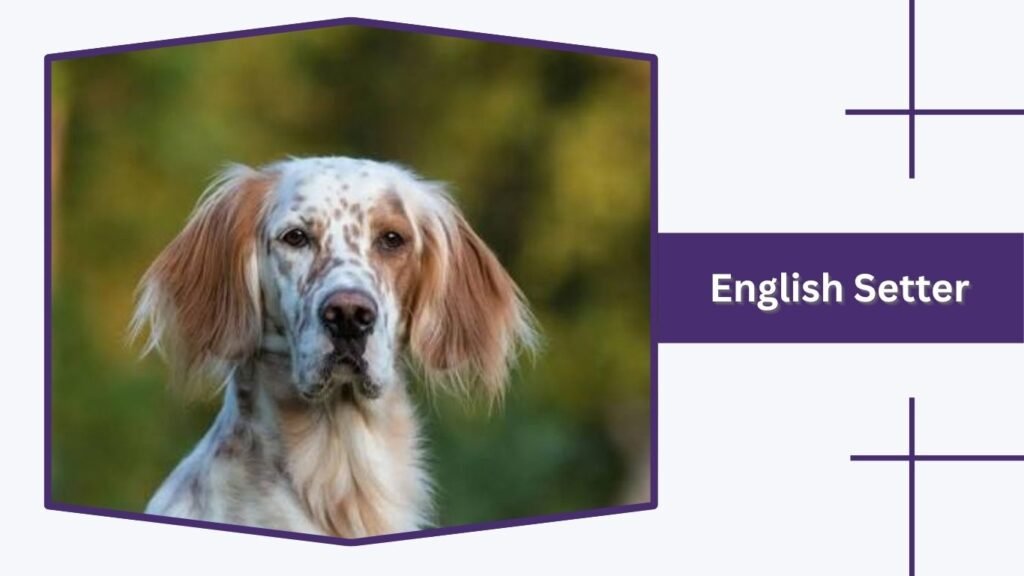
The English Setter is an elegant and capable hunting breed with a long history of finding upland birds. Known for its excellent nose and controlled pointing behavior, the breed can search fields, woodland edges, and brushy terrain effectively. English Setters combine endurance with a relatively graceful working style, making them useful for hunters who value careful scent work.
Identification
- Size: Medium to large
- Height: About 23–27 inches
- Weight: Around 45–80 pounds
- Coat: Medium length with feathering
- Common Colors: White with orange, blue, lemon, liver, or tricolor markings
- Body: Athletic and balanced
- Ears: Long and feathered
- Tail: Long and feathered
- Typical Lifespan: About 12 years
Hunting Skills and Working Style
English Setters search using scent and generally hold a steady position after locating birds. Their methodical style can be useful in habitats where birds may remain hidden in grass or vegetation. Working lines often show considerable stamina and can cover substantial hunting areas.
Temperament and Trainability
These dogs are generally responsive, friendly, and sensitive. They often perform best with calm, consistent training rather than harsh correction. Repeated exposure to birds, scent, and different field conditions helps develop confidence and reliable hunting behavior.
Best Hunting Roles
English Setters are commonly used for grouse, pheasant, quail, woodcock, and similar upland birds. Their combination of scenting ability, endurance, and pointing instinct makes them particularly effective in areas where game is widely dispersed or concealed by vegetation.
8. Gordon Setter
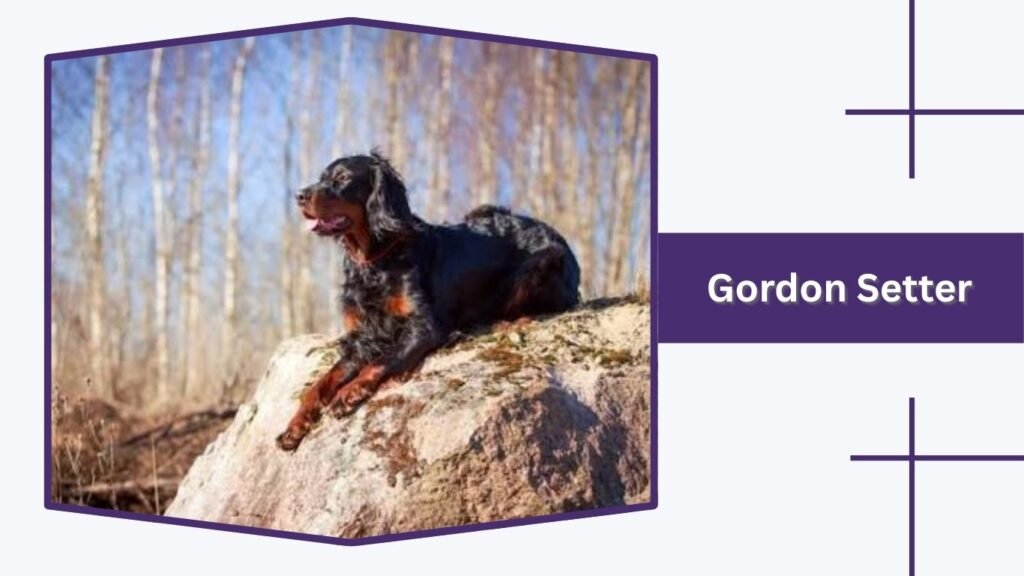
The Gordon Setter is a strong Scottish hunting breed traditionally used for locating upland game birds. Heavier and more substantial than some other setters, it is known for endurance, an excellent nose, and a deliberate search style. Its distinctive black-and-tan coat and powerful frame give it a recognizable appearance both in the field and at home.
Identification
- Size: Large
- Height: About 23–27 inches
- Weight: Around 45–80 pounds
- Coat: Medium to long with feathering
- Common Color: Black with tan markings
- Body: Strong and substantial
- Ears: Long and hanging
- Tail: Feathered
- Typical Lifespan: About 12–13 years
Hunting Skills and Working Style
Gordon Setters search carefully using scent to locate hidden game birds. Once they find a bird, they hold a pointing position and wait for the hunter to approach. Their steady pace can be especially useful in thick or uneven terrain where careful searching is more important than extreme speed.
Temperament and Trainability
The breed is intelligent, loyal, and often strongly bonded to its handler. Gordon Setters can mature more gradually than some other sporting breeds, so patient and consistent training is beneficial. Once experienced, they can demonstrate impressive concentration and persistence.
Best Hunting Roles
Gordon Setters are particularly useful for grouse, pheasant, woodcock, and other upland birds. Their strength and endurance help them work through rough countryside, forest edges, and heavier vegetation where sustained scenting ability is valuable.
9. Irish Setter
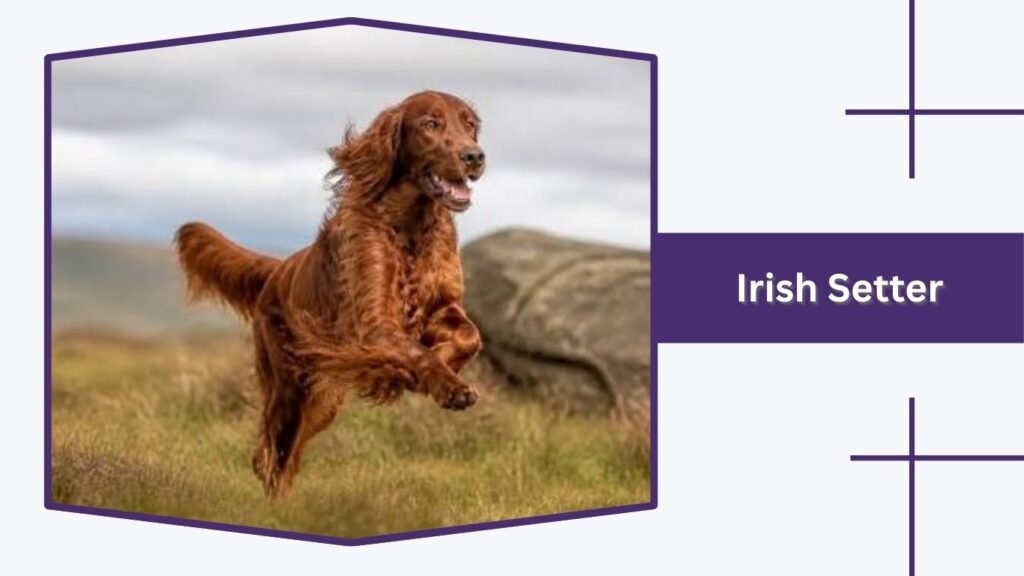
The Irish Setter is an energetic and fast-moving hunting breed originally developed for locating game birds. Famous for its rich red coat, the breed combines an excellent sense of smell with athleticism and endurance. Field-bred Irish Setters can cover large hunting areas while searching for hidden birds and maintaining enough contact with their handlers for effective field work.
Identification
- Size: Medium to large
- Height: About 25–27 inches
- Weight: Around 60–70 pounds
- Coat: Medium length, silky, and feathered
- Common Color: Chestnut or mahogany red
- Body: Lean and athletic
- Ears: Long and feathered
- Tail: Long and feathered
- Typical Lifespan: About 12–15 years
Hunting Skills and Working Style
Irish Setters use scent to search open fields, grasslands, and mixed upland terrain. When they locate game, they stop and point toward the bird. Their speed enables them to explore large areas efficiently, which can be advantageous when birds are scattered over expansive hunting grounds.
Temperament and Trainability
Irish Setters are enthusiastic, intelligent, and highly energetic. Successful training requires patience, consistency, and plenty of physical activity. Working dogs benefit from regular exposure to field environments so they learn to balance their natural speed with responsiveness to the handler.
Best Hunting Roles
Irish Setters are especially suitable for pheasant, grouse, quail, and other upland birds. Their stamina and wide-ranging search ability make them useful in open terrain where hunters need a dog that can cover considerable ground while locating game by scent.
10. Brittany
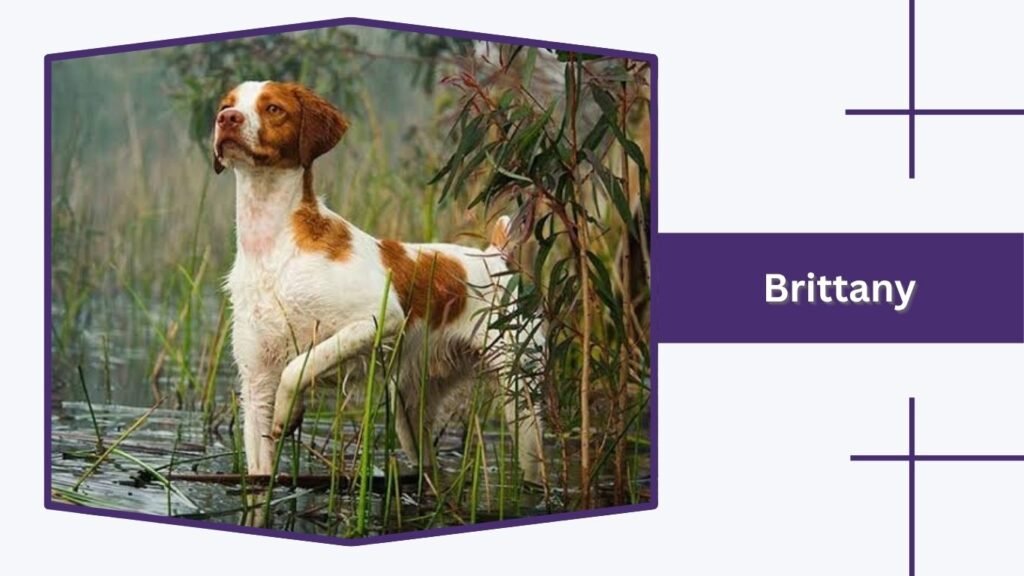
The Brittany is a compact and energetic hunting dog known for its speed, excellent nose, and natural pointing instinct. Originally developed in France, this breed is especially popular for upland bird hunting. Its smaller frame allows it to move quickly through fields and moderate cover, while its close cooperation with the hunter makes it easier to control than some wider-ranging pointing breeds.
Identification
- Size: Medium
- Height: About 17.5–20.5 inches
- Weight: Around 30–40 pounds
- Coat: Dense, flat, or slightly wavy
- Common Colors: Orange and white, liver and white, or tricolor
- Body: Compact and athletic
- Ears: Short and hanging
- Tail: Naturally short or traditionally docked in some working dogs
- Typical Lifespan: About 12–14 years
Hunting Skills and Working Style
Brittanys use their keen sense of smell to locate birds hidden in grass, brush, and field cover. Once game is detected, they typically stop and point toward its position. Their agility allows them to change direction quickly and cover substantial ground without becoming excessively distant from the hunter.
Temperament and Trainability
The Brittany is intelligent, sensitive, and eager to work. It usually responds well to patient, positive training and frequent field practice. Because the breed has considerable energy, regular exercise is essential for keeping it focused and responsive.
Best Hunting Roles
Brittanys are particularly effective for pheasant, quail, grouse, woodcock, and partridge hunting. Their combination of pointing ability, speed, compact size, and trainability makes them suitable for hunters working across different upland environments.
11. Vizsla
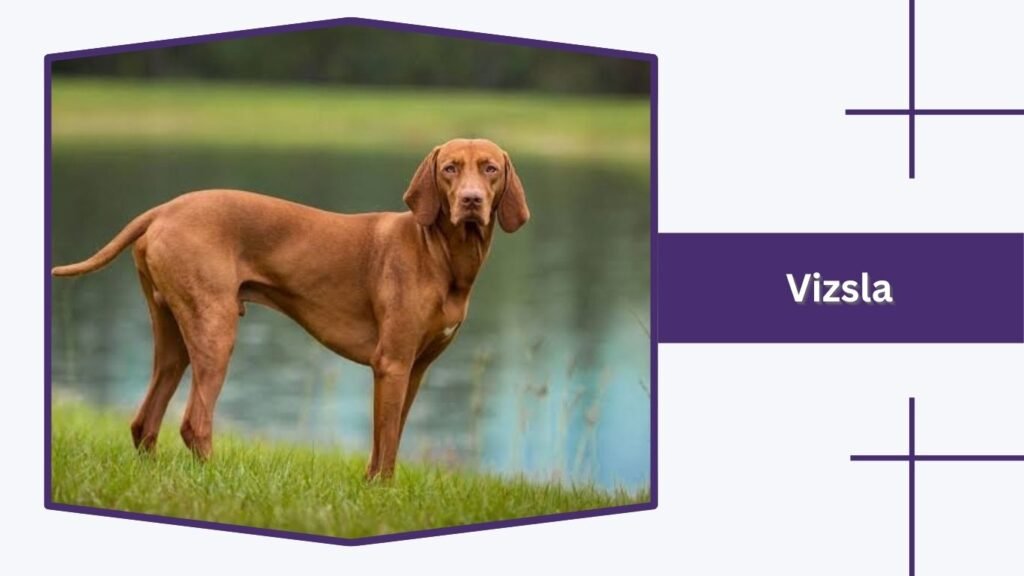
The Vizsla is an athletic Hungarian hunting dog developed to locate, point, and retrieve game. Known for its distinctive golden-rust coat and close relationship with its handler, the breed combines speed, scenting ability, endurance, and versatility. Vizslas tend to work relatively close to hunters, making them well suited to people who prefer a cooperative and responsive hunting companion.
Identification
- Size: Medium
- Height: About 21–24 inches
- Weight: Around 44–60 pounds
- Coat: Short, smooth, and dense
- Common Color: Golden rust
- Body: Lean, muscular, and athletic
- Ears: Long and hanging
- Head: Refined and moderately broad
- Tail: Long and tapered
- Typical Lifespan: About 12–14 years
Hunting Skills and Working Style
Vizslas can locate birds by scent, hold a point, and retrieve downed game. Their light and athletic build allows them to move efficiently through fields and moderate vegetation. They usually maintain regular contact with their handler while searching rather than ranging extremely far away.
Temperament and Trainability
The breed is intelligent, affectionate, and sensitive. Vizslas generally learn quickly when training is consistent and encouraging. Harsh methods can reduce confidence, so calm repetition and positive reinforcement are often more effective.
Best Hunting Roles
Vizslas are well suited to pheasant, quail, grouse, and other upland birds. Their combination of pointing and retrieving abilities makes them a versatile choice for hunters who want one dog capable of performing several field tasks.
12. Weimaraner
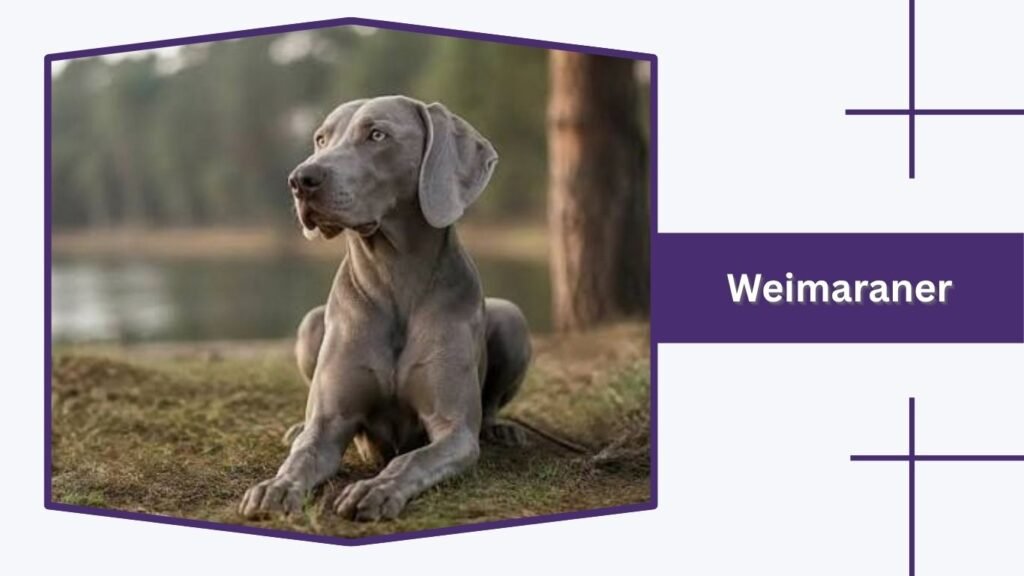
The Weimaraner is a strong and athletic German hunting breed originally developed for pursuing different types of game. Recognized by its distinctive gray coat, this dog has a powerful nose, impressive stamina, and a strong prey drive. Modern Weimaraners can work effectively as pointing and retrieving dogs, particularly when they receive structured hunting training from a young age.
Identification
- Size: Medium to large
- Height: About 23–27 inches
- Weight: Around 55–90 pounds
- Coat: Short, smooth, and sleek
- Common Colors: Gray, silver-gray, or mouse-gray
- Body: Muscular and athletic
- Ears: Long and hanging
- Eyes: Amber or blue-gray
- Head: Long and refined
- Typical Lifespan: About 10–13 years
Hunting Skills and Working Style
Weimaraners use scent to locate game in fields, wooded areas, and mixed terrain. They can point birds, track wounded animals, and retrieve after the shot. Their physical strength allows them to work for extended periods over challenging ground.
Temperament and Trainability
These dogs are intelligent, energetic, and strongly attached to their owners. Their high energy and natural hunting drive require consistent obedience training and plenty of exercise. Early socialization and field experience can help produce a more controlled working dog.
Best Hunting Roles
Weimaraners can be used for pheasant, quail, grouse, and other upland birds. Their tracking ability also gives them broader versatility compared with specialized bird dogs. They are particularly useful for hunters who want an athletic dog capable of multiple hunting tasks.
13. English Springer Spaniel
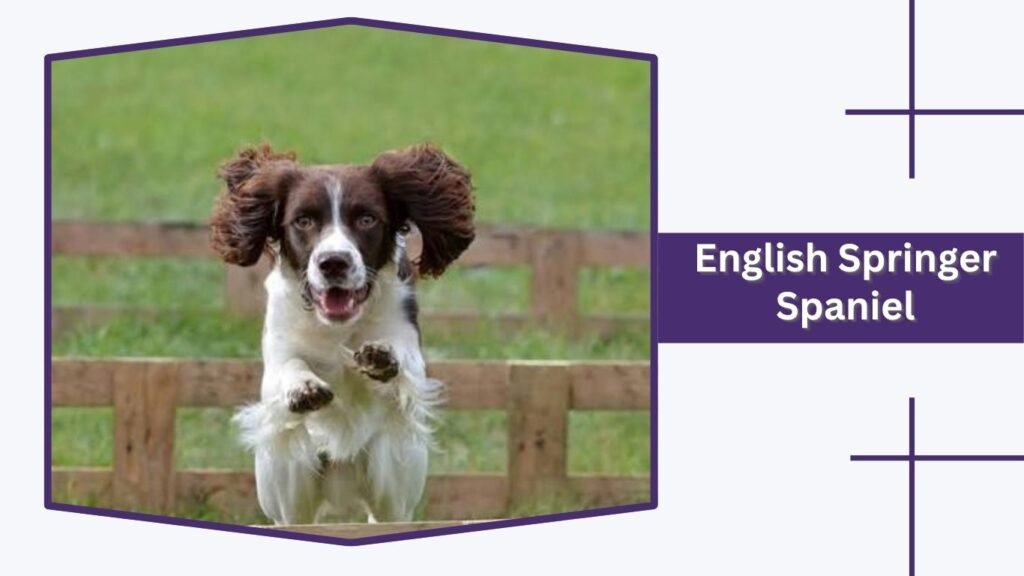
The English Springer Spaniel is an energetic flushing dog developed to locate and push game birds from thick vegetation. Rather than holding a point, it normally works close to the hunter and forces hidden birds into flight. Its strong nose, compact size, enthusiasm, and retrieving ability make it especially effective in dense upland cover.
Identification
- Size: Medium
- Height: About 19–20 inches
- Weight: Around 40–50 pounds
- Coat: Medium length and weather-resistant
- Common Colors: Liver and white, black and white, or tricolor
- Body: Compact and muscular
- Ears: Long and feathered
- Tail: Active while working
- Eyes: Dark and expressive
- Typical Lifespan: About 12–14 years
Hunting Skills and Working Style
English Springer Spaniels use their nose to search dense grass, bushes, and woodland cover. Once they locate game, they flush it toward open air where the hunter can take a shot. Many Springers are also excellent retrievers and can recover birds from land or shallow water.
Temperament and Trainability
The breed is intelligent, enthusiastic, and usually eager to cooperate. Reliable recall, steadiness, and directional control are especially important because Springers can become highly excited around game. Consistent training helps channel this energy effectively.
Best Hunting Roles
English Springer Spaniels are particularly effective for pheasant, woodcock, and grouse hunting. They perform especially well in dense cover where their smaller frame allows them to move through vegetation and locate birds that may be difficult for larger dogs to reach.
14. Cocker Spaniel
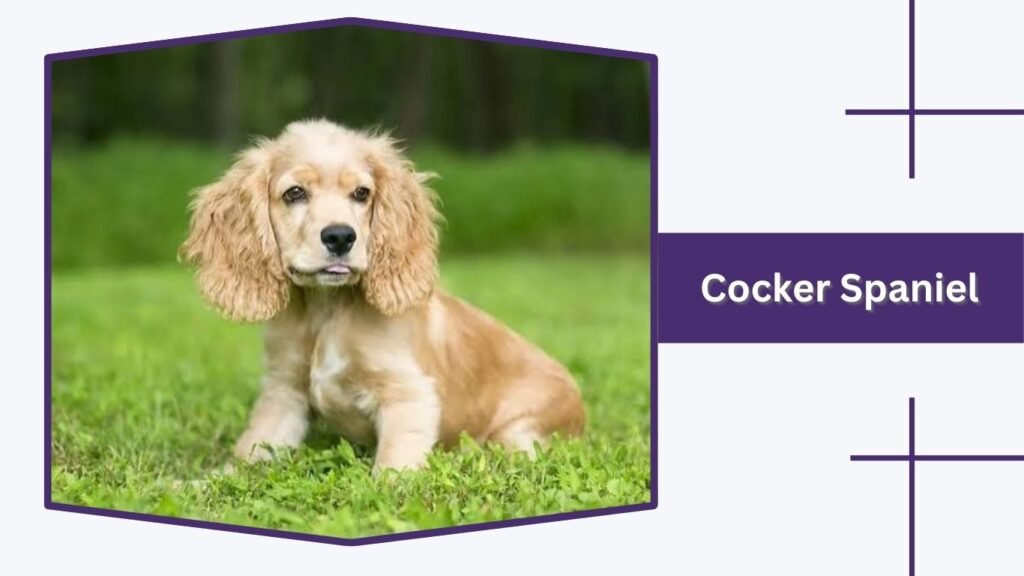
The Cocker Spaniel, especially field-bred working lines, is a small but highly energetic hunting dog. Its compact body, excellent nose, and natural flushing instinct allow it to work through heavy cover efficiently. Working Cockers are notably different from many companion-bred Cockers because they are selected for stamina, hunting drive, speed, and field performance.
Identification
- Size: Small to medium
- Height: About 14–16 inches
- Weight: Commonly around 25–35 pounds
- Coat: Medium length with feathering
- Common Colors: Black, liver, red, golden, or multicolored
- Body: Compact and sturdy
- Ears: Long and hanging
- Eyes: Dark and expressive
- Tail: Usually active during field work
- Typical Lifespan: About 10–14 years
Hunting Skills and Working Style
Working Cocker Spaniels search aggressively through shrubs, tall grass, and dense vegetation. Once a bird is found, they flush it from cover for the hunter. Their smaller size allows them to enter tight spaces that larger breeds may struggle to reach.
Temperament and Trainability
Cockers are intelligent, lively, and enthusiastic workers. They generally learn quickly but require consistent training to control their excitement. Strong recall and steadiness commands are especially important when birds begin to flush.
Best Hunting Roles
Working Cockers are particularly effective for pheasant, woodcock, and grouse. Their compact size and willingness to enter dense cover make them suitable for hunters working in thick vegetation, woodland edges, and smaller hunting areas.
15. Boykin Spaniel
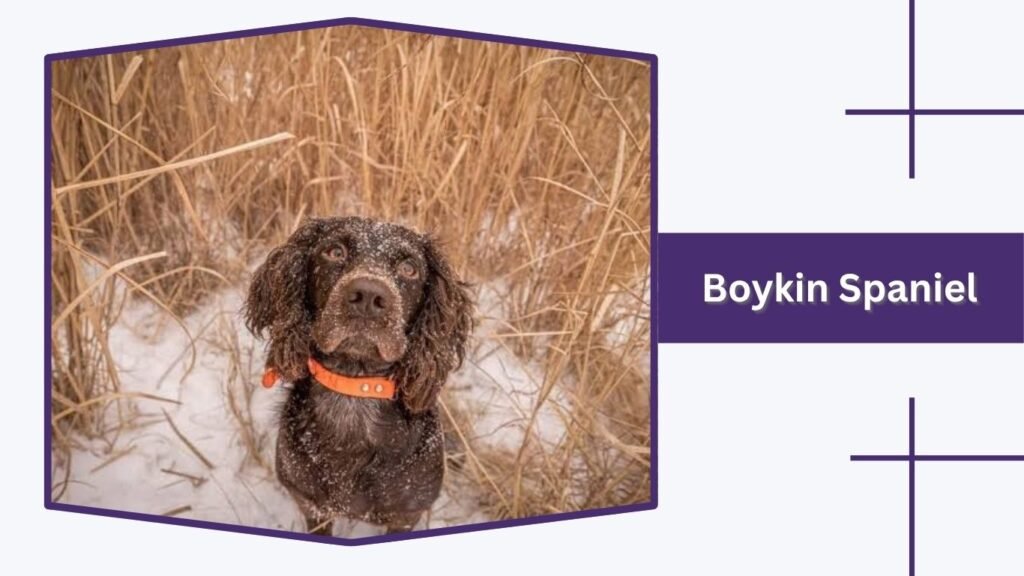
The Boykin Spaniel is a versatile American hunting breed originally developed in South Carolina. It was designed to be small enough for use in compact boats while still possessing the strength and ability to retrieve waterfowl and flush upland birds. Its manageable size, strong swimming ability, and enthusiasm make it useful in a variety of hunting conditions.
Identification
- Size: Medium
- Height: About 14–18 inches
- Weight: Around 25–40 pounds
- Coat: Medium length, flat to moderately curly
- Common Colors: Liver, brown, or chocolate
- Body: Compact and athletic
- Ears: Long and feathered
- Eyes: Yellow to brown
- Tail: Traditionally shorter in many working dogs
- Typical Lifespan: About 10–15 years
Hunting Skills and Working Style
Boykin Spaniels can flush birds from upland cover and retrieve game on both land and water. Their swimming ability makes them useful around ponds, marshes, and flooded timber. They generally hunt relatively close to their handlers and can maneuver easily in confined environments.
Temperament and Trainability
The breed is intelligent, energetic, and usually eager to please. Boykins respond well to regular training and benefit from early exposure to retrieving exercises and water. Their enthusiasm means they require both mental and physical activity.
Best Hunting Roles
Boykin Spaniels can hunt ducks, doves, pheasants, quail, and other game birds. Their versatility makes them particularly useful for hunters who divide their time between wetlands and upland hunting areas.
16. American Water Spaniel
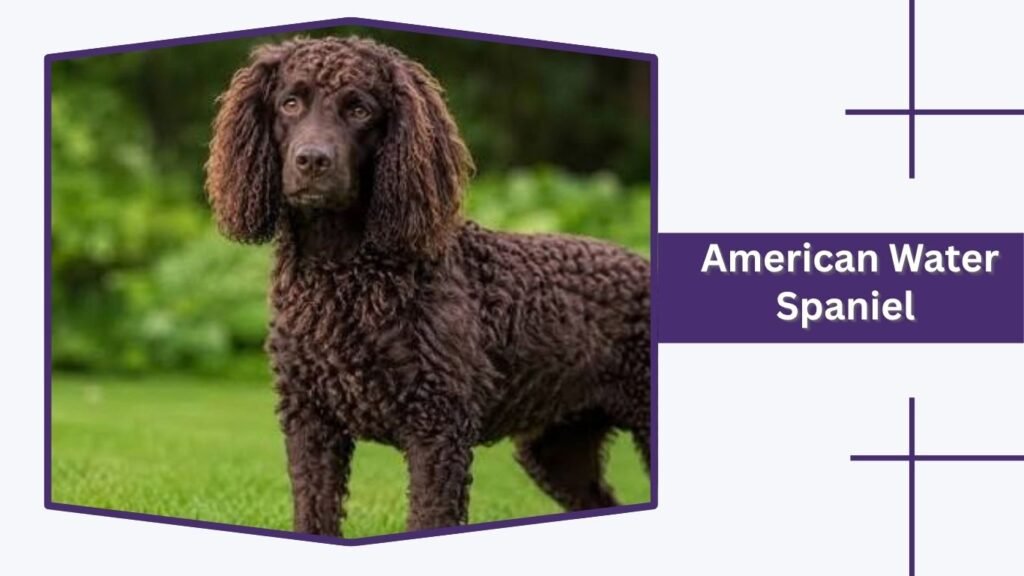
The American Water Spaniel is a versatile hunting breed developed in the United States to work around rivers, lakes, marshes, and wooded environments. It combines the retrieving ability of a water dog with the flushing skills of a spaniel. Its compact size also allows it to work comfortably from small boats and canoes.
Identification
- Size: Medium
- Height: About 15–18 inches
- Weight: Around 25–45 pounds
- Coat: Dense, wavy, or tightly curled
- Common Colors: Brown, chocolate, or liver
- Body: Muscular and compact
- Ears: Long and covered with curls
- Eyes: Brown or hazel
- Tail: Moderately long and curved
- Typical Lifespan: About 10–14 years
Hunting Skills and Working Style
American Water Spaniels can search cover, flush upland birds, and retrieve after the shot. Their dense coat helps protect them in wet environments, while their swimming ability allows them to recover waterfowl effectively. They can also work through brush and woodland terrain.
Temperament and Trainability
The breed is intelligent, active, and usually willing to work closely with its owner. Consistent obedience and retrieving training are important. Early exposure to birds, water, boats, and different field conditions helps prepare the dog for practical hunting situations.
Best Hunting Roles
American Water Spaniels are suited to ducks as well as upland birds such as pheasants, grouse, and quail. Their ability to work both land and water makes them especially useful for hunters seeking a compact multipurpose hunting dog.
17. Wirehaired Pointing Griffon
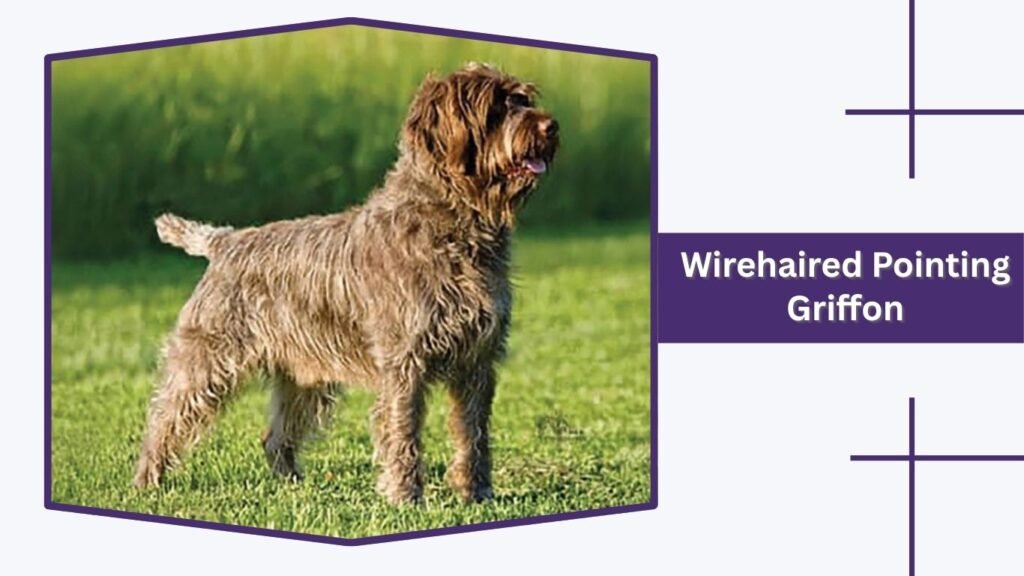
The Wirehaired Pointing Griffon is a rugged and versatile gun dog developed to point, retrieve, and work across different terrain. Its harsh coat helps protect it from cold weather, water, and dense vegetation. Known for working relatively close to its handler, the breed combines strong scenting ability with a cooperative hunting style.
Identification
- Size: Medium
- Height: About 20–24 inches
- Weight: Around 35–70 pounds
- Coat: Harsh, wiry, and weather-resistant
- Common Colors: Steel gray with brown markings, brown, or white and brown
- Body: Strong and athletic
- Face: Distinctive beard and eyebrows
- Ears: Medium-sized and hanging
- Tail: Straight and moderately carried
- Typical Lifespan: About 12–15 years
Hunting Skills and Working Style
Wirehaired Pointing Griffons use their excellent noses to search for game and typically hold a firm point once a bird is located. They can also retrieve birds from land and water. Their deliberate search pattern makes them useful in thick or uneven terrain.
Temperament and Trainability
The breed is intelligent, cooperative, and generally eager to maintain contact with its handler. Consistent training helps develop its natural pointing and retrieving instincts. Regular exercise and field practice are important because Griffons are active working dogs.
Best Hunting Roles
Wirehaired Pointing Griffons are effective for pheasants, grouse, quail, woodcock, ducks, and other game birds. Their rugged coat and versatile abilities make them suitable for hunters who encounter different weather conditions and terrain throughout the season.
18. Beagle
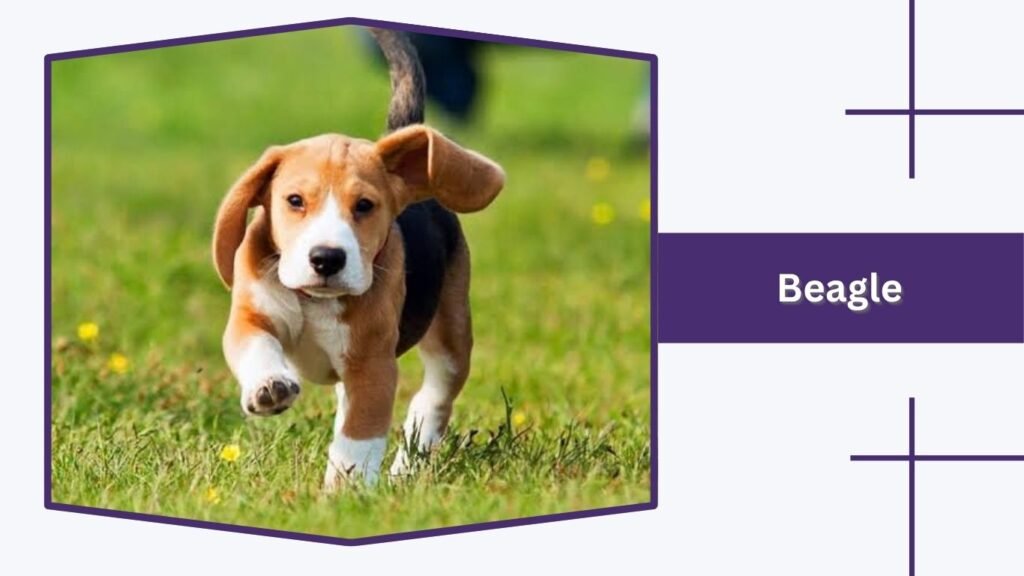
The Beagle is a small scent hound famous for its excellent nose, persistence, and ability to follow game through thick vegetation. Traditionally used for hunting rabbits and hares, Beagles work by following scent trails while giving a distinctive voice that helps hunters track their location. Their compact size allows them to move easily through brush and difficult ground.
Identification
- Size: Small to medium
- Height: Usually under 15 inches
- Weight: Around 20–30 pounds
- Coat: Short, dense, and weather-resistant
- Common Colors: Tricolor, lemon and white, red and white
- Body: Compact and muscular
- Ears: Long, soft, and hanging
- Tail: Moderately long and usually carried high
- Typical Lifespan: About 10–15 years
Hunting Skills and Working Style
Beagles specialize in scent tracking. Once they locate a fresh trail, they can follow it steadily through fields, woodland, and thick cover. Their vocal baying allows hunters to follow the progress of the chase even when the dog is hidden by vegetation.
Temperament and Trainability
Beagles are curious, energetic, and strongly motivated by scent. Consistent recall training is important because they may become focused on an interesting trail. Their sociable nature also allows them to work effectively with other Beagles in hunting packs.
Best Hunting Roles
Beagles are especially suited to rabbit and hare hunting. Their small size, endurance, sensitive nose, and persistent tracking style make them particularly effective for small game hunting in areas with dense ground cover.
19. Bloodhound
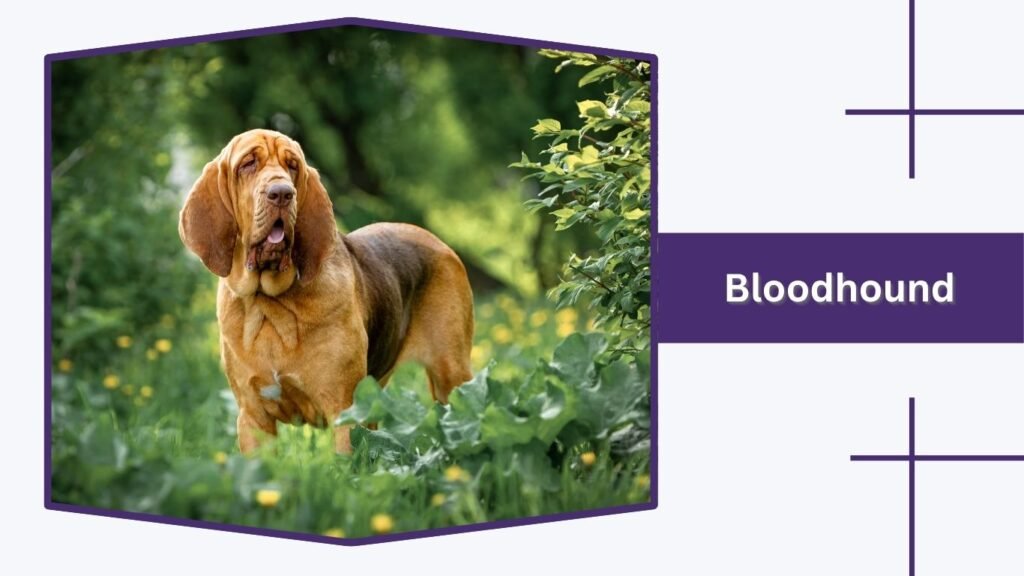
The Bloodhound is one of the most recognizable scent-tracking breeds, renowned for its extraordinary ability to follow old and difficult scent trails. Historically used to track game, the breed is now also widely associated with search and tracking work. Its powerful nose, persistence, and ability to work over long distances make it valuable when following wounded or escaped animals.
Identification
- Size: Large
- Height: About 23–27 inches
- Weight: Around 80–110 pounds
- Coat: Short, dense, and smooth
- Common Colors: Black and tan, liver and tan, or red
- Body: Large and powerful
- Ears: Very long and hanging
- Skin: Loose with noticeable folds
- Typical Lifespan: About 10–12 years
Hunting Skills and Working Style
Bloodhounds primarily work by following scent left on the ground. They can remain focused on a trail over considerable distances and may continue following scent that is no longer fresh. Their deliberate tracking style is different from faster pursuit hounds.
Temperament and Trainability
The breed is generally gentle but can be independent and determined when following scent. Strong leash control, recall training, and structured tracking exercises are important. Training usually requires patience because scent can easily become the dog’s main focus.
Best Hunting Roles
Bloodhounds are best suited to tracking rather than flushing or retrieving. Hunters may use scent hounds to help follow the trail of wounded game where permitted. Their exceptional nose is their most important working characteristic.
20. Bluetick Coonhound
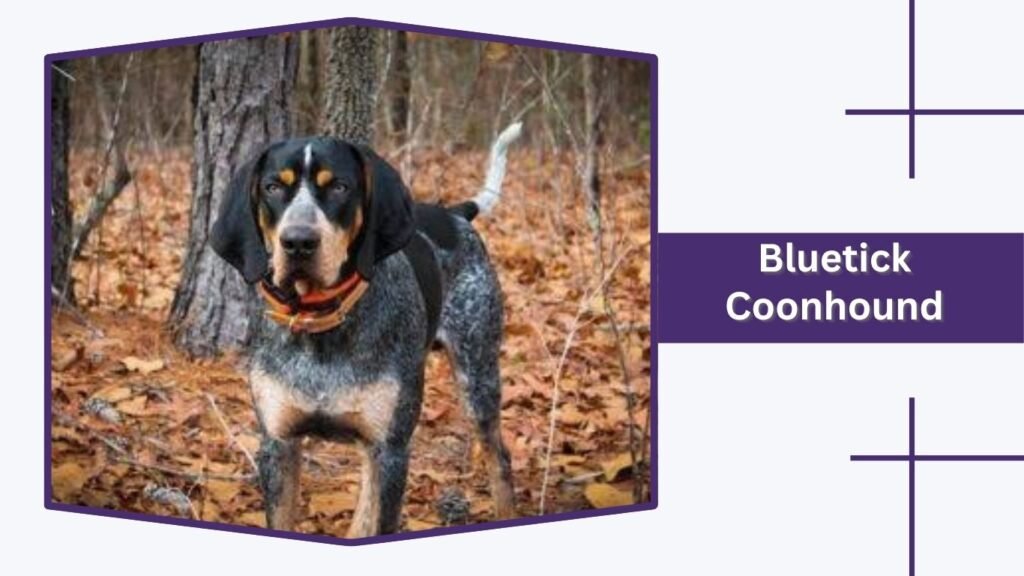
The Bluetick Coonhound is a powerful American scent hound recognized by its distinctive blue-ticked coat and deep baying voice. Developed primarily for tracking and treeing raccoons, it combines endurance, determination, and an excellent sense of smell. Blueticks can work through forests and rough terrain while following scent trails over considerable distances.
Identification
- Size: Medium to large
- Height: About 21–27 inches
- Weight: Around 45–80 pounds
- Coat: Short, smooth, and dense
- Common Color: Dark blue mottling with black and tan markings
- Body: Muscular and athletic
- Ears: Long and hanging
- Muzzle: Broad and deep
- Typical Lifespan: About 11–12 years
Hunting Skills and Working Style
Bluetick Coonhounds use their powerful noses to follow ground scent, including relatively cold trails. They often work independently while searching and use their voices to communicate their progress. When pursuing tree-climbing quarry such as raccoons, they may remain at the tree and continue baying.
Temperament and Trainability
Blueticks are intelligent, determined, and energetic. Their strong scent drive can make reliable recall challenging, so early obedience training is important. They generally need plenty of physical exercise and opportunities to use their noses.
Best Hunting Roles
The Bluetick Coonhound is primarily associated with raccoon hunting but may also be used for tracking other legal game depending on local hunting traditions and regulations. Its stamina makes it particularly effective for long hunts in wooded terrain.
21. Redbone Coonhound
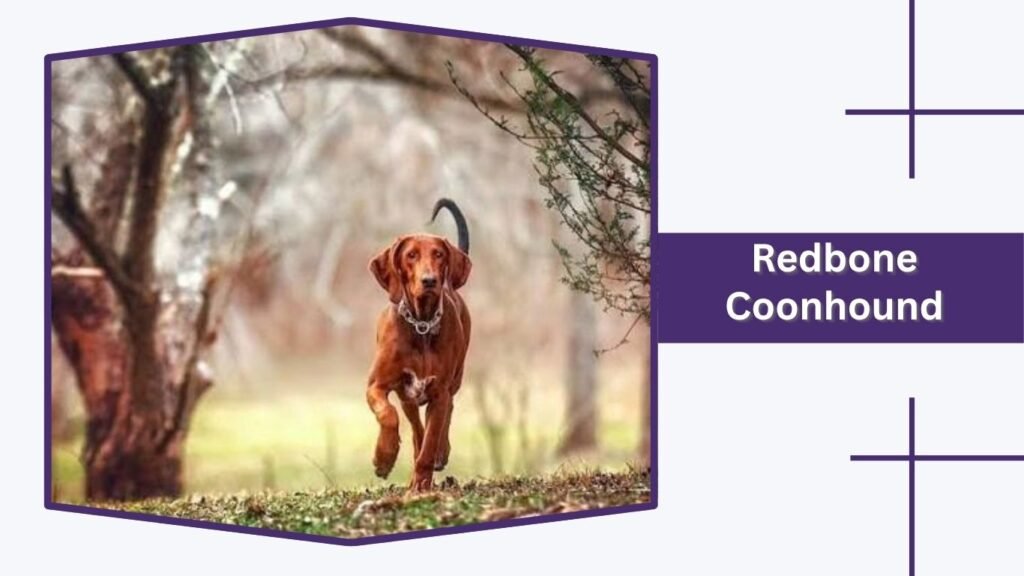
The Redbone Coonhound is an athletic American scent hound known for its solid red coat, strong tracking ability, and impressive endurance. Developed to pursue game through forests, hills, and wet areas, this breed combines speed with a highly developed sense of smell. Its determined working style makes it particularly effective for hunters who rely on hounds to follow and tree game.
Identification
- Size: Medium to large
- Height: About 21–27 inches
- Weight: Around 45–70 pounds
- Coat: Short, smooth, and dense
- Common Color: Solid red
- Body: Lean, muscular, and athletic
- Ears: Long and hanging
- Tail: Long and moderately curved
- Typical Lifespan: About 12–15 years
Hunting Skills and Working Style
Redbone Coonhounds follow game primarily through scent. They can maintain trails over difficult ground and often work efficiently through forests, streams, and rough terrain. Their distinctive voice allows handlers to follow their position from a distance.
Temperament and Trainability
These hounds are energetic, intelligent, and often strongly driven by scent. Consistent training is necessary to develop dependable handling. Regular exercise and scent-based activities can help satisfy their natural working instincts.
Best Hunting Roles
Redbone Coonhounds are best known for raccoon hunting and treeing work. They have also historically been used for larger quarry in some regions. Their speed, nose, and endurance make them particularly well suited to woodland hunting.
22. Treeing Walker Coonhound
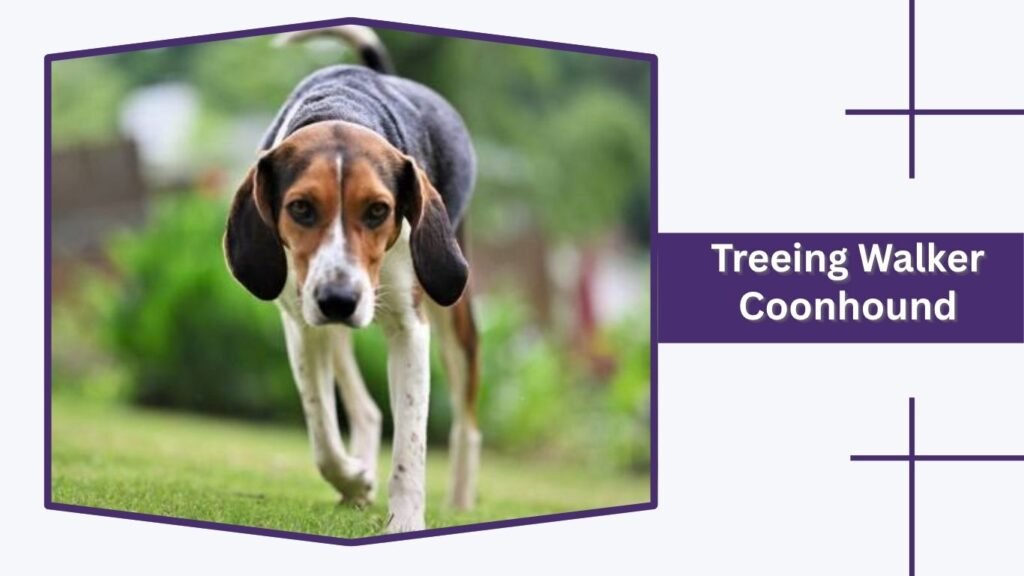
The Treeing Walker Coonhound is a fast and energetic scent hound developed in the United States. Known for its ability to follow scent trails and tree quarry, it combines speed, endurance, and a strong hunting drive. Its efficient movement and powerful nose make it particularly popular among hunters pursuing raccoons across large wooded areas.
Identification
- Size: Medium to large
- Height: About 20–27 inches
- Weight: Around 50–70 pounds
- Coat: Short, smooth, and dense
- Common Colors: White with black and tan markings
- Body: Lean, muscular, and athletic
- Ears: Medium to long and hanging
- Tail: Long and carried high when active
- Typical Lifespan: About 12–13 years
Hunting Skills and Working Style
Treeing Walker Coonhounds are known for their speed when working a scent trail. Once they locate quarry that climbs a tree, they typically remain at the base and vocalize strongly. Their ability to cover significant distances makes them effective in large hunting areas.
Temperament and Trainability
The breed is energetic, confident, and highly scent-motivated. Training should emphasize recall, handling, and controlled exposure to game. Because these dogs can travel considerable distances while hunting, reliable communication between dog and handler is especially important.
Best Hunting Roles
Treeing Walker Coonhounds are primarily used for raccoon hunting. Their speed and endurance also allow them to work in challenging woodland conditions where quarry may travel far before treeing.
23. American Foxhound
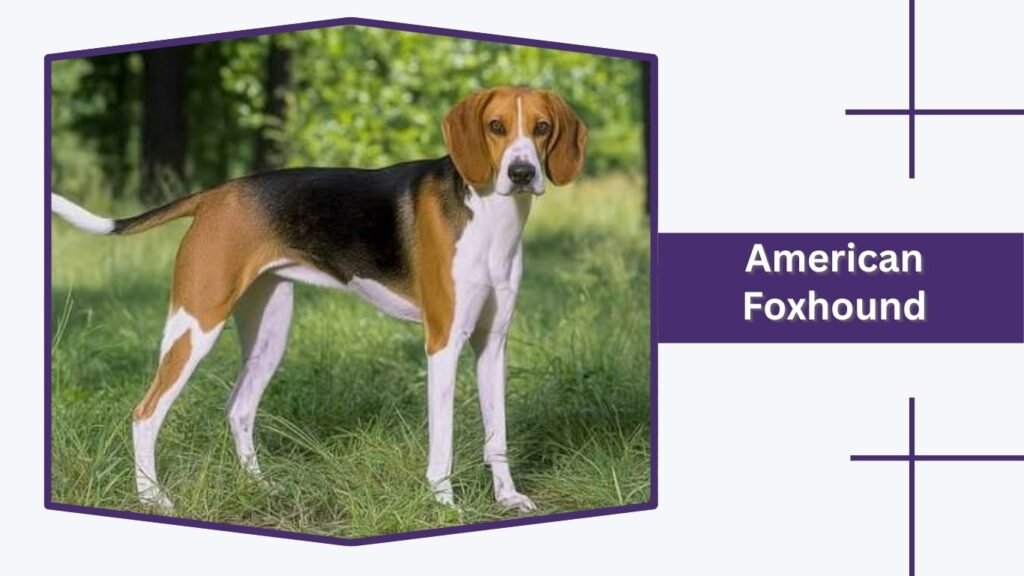
The American Foxhound is a tall, athletic scent hound developed in the United States for pursuing foxes over large areas. It combines speed, endurance, a sensitive nose, and a distinctive musical voice. Traditionally hunted in packs, American Foxhounds are capable of traveling long distances while following a scent trail across fields, woodland, and rolling countryside.
Identification
- Size: Medium to large
- Height: About 21–25 inches
- Weight: Around 60–70 pounds
- Coat: Short, hard, and dense
- Common Colors: Various hound color combinations
- Body: Lean, long-legged, and athletic
- Ears: Long and hanging
- Tail: Moderately high and slightly curved
- Typical Lifespan: About 11–13 years
Hunting Skills and Working Style
American Foxhounds are built to pursue scent for extended periods. Their long legs help them maintain a steady pace across open country, while their nose allows them to remain on a trail. They traditionally work with other hounds and communicate through distinctive baying.
Temperament and Trainability
The breed is generally energetic, independent, and social with other dogs. Because following scent is deeply instinctive, obedience and recall training should begin early. These dogs also require considerable daily exercise to satisfy their natural endurance.
Best Hunting Roles
As the name suggests, the American Foxhound was developed primarily for fox hunting. Today, hunting laws and practices vary by location, so its use depends on local regulations. Its main strengths remain scent pursuit, endurance, and pack work.
24. Norwegian Elkhound
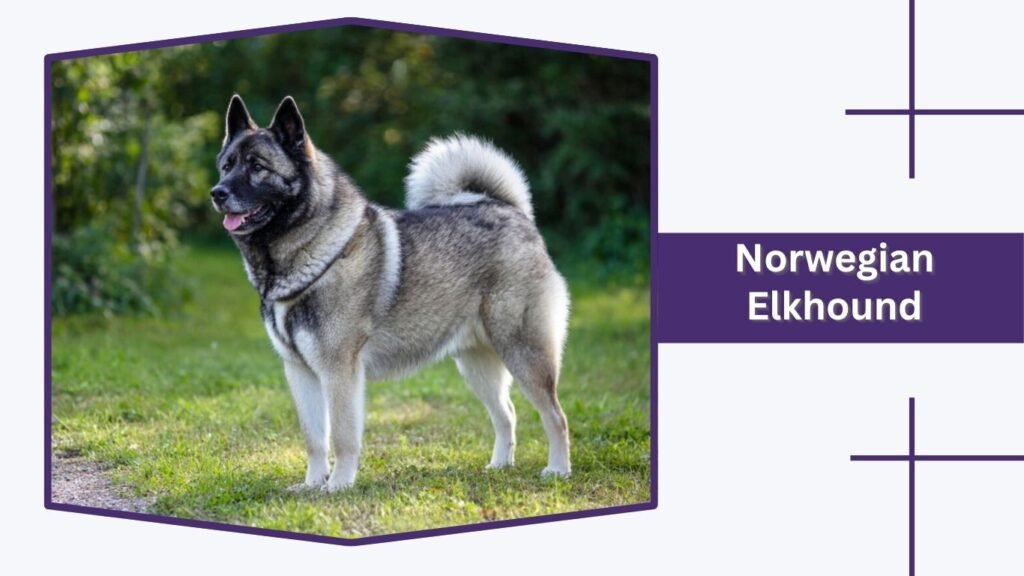
The Norwegian Elkhound is a sturdy Scandinavian hunting breed traditionally used for tracking and holding large game, particularly moose. Despite its name, “elk” in this context historically refers to the European moose. The breed is adapted to cold weather and rugged terrain, combining endurance, courage, scenting ability, and an independent working style.
Identification
- Size: Medium
- Height: About 19.5–20.5 inches
- Weight: Around 48–55 pounds
- Coat: Thick, dense double coat
- Common Color: Gray with black markings
- Body: Compact, strong, and square
- Ears: Upright and pointed
- Tail: Tightly curled over the back
- Typical Lifespan: About 12–15 years
Hunting Skills and Working Style
Norwegian Elkhounds use scent and hearing to locate large game. Traditionally, some work by tracking quietly, while others locate an animal and use persistent barking to hold its attention and indicate its position to the hunter. Their stamina helps them travel through forests and uneven ground.
Temperament and Trainability
Elkhounds are intelligent, confident, and independent. They can learn commands well but may make decisions on their own during hunting work. Consistent training and early socialization help establish control while preserving their natural working instincts.
Best Hunting Roles
The Norwegian Elkhound is historically associated with moose hunting and has also been used for other Scandinavian game. Its thick coat and sturdy build make it particularly well adapted to cold climates, forests, and rugged northern terrain.
25. Plott Hound
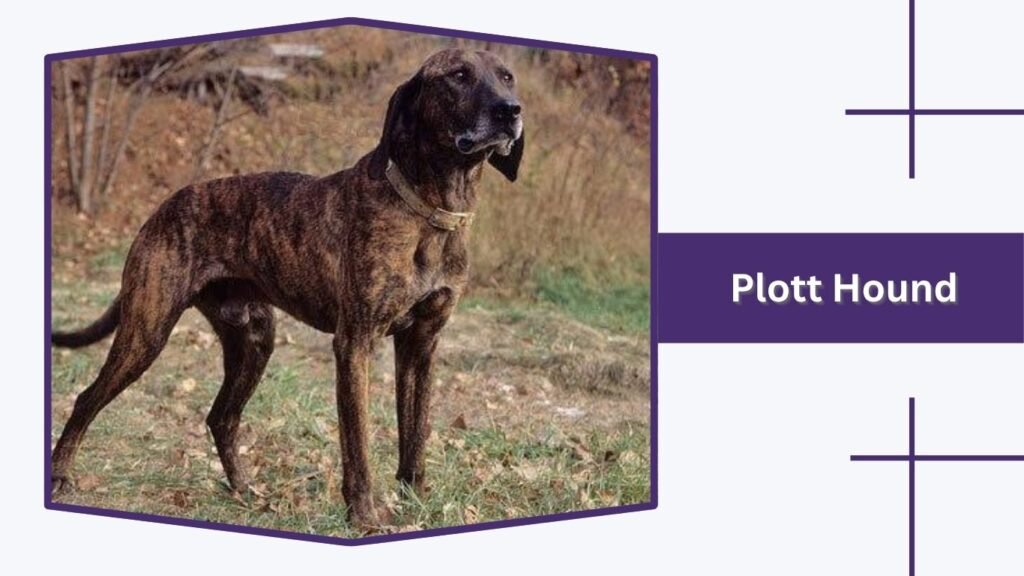
The Plott Hound is a strong American scent hound developed for tracking demanding game through forests and mountainous terrain. Unlike many American coonhounds, its ancestry is linked to German hunting dogs. Plotts are known for courage, stamina, determination, and a powerful nose, making them capable of following difficult scent trails across rough country.
Identification
- Size: Medium to large
- Height: About 20–25 inches
- Weight: Around 40–60 pounds
- Coat: Short, smooth, and dense
- Common Colors: Various shades of brindle
- Body: Muscular, agile, and athletic
- Ears: Medium-length and hanging
- Tail: Long and moderately curved
- Typical Lifespan: About 12–14 years
Hunting Skills and Working Style
Plott Hounds are persistent scent trackers capable of following game across steep hills, forests, and difficult terrain. Their combination of stamina and determination allows them to remain on challenging trails for extended periods. They may hunt individually or alongside other trained hounds.
Temperament and Trainability
The breed is intelligent, confident, and highly energetic. Plotts typically require experienced, consistent handling because their hunting instincts and independence can be strong. Regular exercise and scent-focused activities are important for keeping them physically and mentally engaged.
Best Hunting Roles
Plott Hounds have traditionally been used for raccoon and larger-game tracking, including wild boar and bear where such hunting is legal. Their rugged build, strong nose, and persistence make them especially capable in mountainous and heavily wooded environments.
FAQs
1. What is the best hunting dog for beginners?
Labrador Retrievers, Golden Retrievers, Brittanys, and English Springer Spaniels are often easier for beginners to train because they are generally responsive, intelligent, and willing to work with people. The most suitable breed still depends on the type of game, hunting environment, and the amount of training and exercise the owner can provide.
2. What hunting dog has the best sense of smell?
Bloodhounds are famous for their exceptional scent-tracking ability and can follow difficult or older scent trails. Beagles, coonhounds, German Shorthaired Pointers, and other scent-oriented hunting breeds also have excellent noses suited to different types of hunting and tracking work.
3. Which hunting dogs are best for bird hunting?
Popular bird hunting dogs include Labrador Retrievers, German Shorthaired Pointers, English Setters, Brittanys, Vizslas, and English Springer Spaniels. Retrievers specialize in recovering downed birds, pointers locate and indicate hidden birds, while flushing spaniels push birds from cover.
4. Can hunting dogs also make good family pets?
Many hunting breeds can also be affectionate family companions when they receive enough exercise, training, and mental stimulation. Labradors, Golden Retrievers, Vizslas, and spaniels are common examples. However, their high energy and strong prey drive mean they usually need more activity than many companion breeds.
5. At what age should hunting dog training begin?
Basic obedience and socialization can begin when a puppy is young. Hunting-specific training is usually introduced gradually through retrieving games, scent work, field exposure, and controlled introductions to game. Training should progress according to the individual dog’s confidence, maturity, breed characteristics, and ability to follow basic commands.
