
California deer hunting zones can feel confusing because the state is divided into many hunt areas, each with its own boundaries, tag rules, and season dates. Hunters often search for a California deer hunting zone map before applying for a tag or planning a trip. The California Department of Fish and Wildlife provides statewide zone maps, zone-specific PDFs, season-date PDFs, and hunting digest information for deer hunters.
What Are California Deer Hunting Zones?
California deer hunting zones are official areas used to manage deer seasons, tags, harvest quotas, and hunter access. Instead of having one statewide deer season, California separates deer hunting into zones such as A, B, C, D, and X.
Each zone may have different opening dates, closing dates, tag availability, public land access, terrain, and deer population conditions. This is why checking the correct zone is one of the first steps before hunting deer in California.
The official CDFW deer page includes season dates, deer hunts and zones, regulations, licenses and tags, harvest statistics, and related deer hunting information.
California Deer Hunting Zone Map
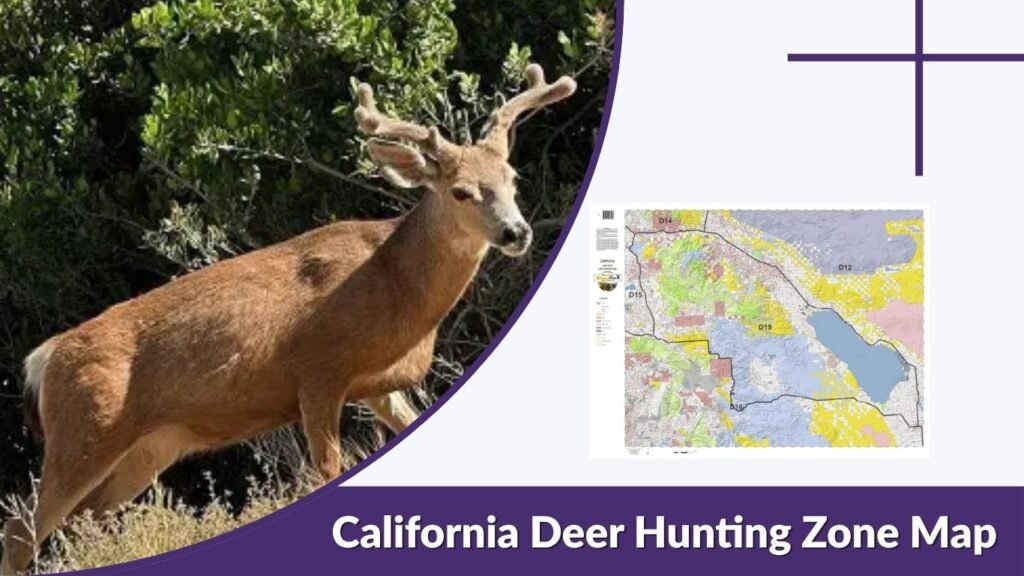
A California deer hunting zone map shows where each deer hunting zone begins and ends. It is useful for planning routes, checking public land access, and avoiding hunting in the wrong area.
CDFW provides a statewide zone/hunt map and a Google Earth KML map for deer hunt zones and non-lead areas. It also provides individual PDF maps for many specific zones.
Why the Map Matters
- It helps identify your exact hunting zone.
- It shows nearby counties, roads, and boundaries.
- It helps separate A, B, C, D, and X zones.
- It reduces the risk of hunting outside your tag area.
- It supports better scouting before the season.
CDFW also notes that the statewide map should be used only as a general guide. Detailed legal descriptions of deer hunting zones and hunt boundaries are provided in California Code of Regulations Title 14, sections 360 and 361.
Main California Deer Hunting Zones
California deer zones are usually grouped into broad zone families. Each group covers different parts of the state and has different hunting conditions.
| Zone Group | General Area | Common Search Intent |
| A Zone | Coastal and central areas | Early season, general access |
| B Zones | Northwestern California | Black-tailed deer country |
| C Zones | Northern interior areas | Controlled zone planning |
| D Zones | Sierra, southern, and desert regions | Popular public-land zones |
| X Zones | Eastern and northeastern California | Premium draw zones |
California A Zone Deer Hunting
California A Zone deer hunting is one of the most searched zone topics because A Zone covers a large part of the state and often attracts many hunters. It includes coastal and inland areas, but hunters should be careful because the zone is divided into North Unit and South Unit on the statewide map.
A Zone Planning Tips
- Check whether your area is in A-North or A-South.
- Confirm the current year’s season dates.
- Look for public land before choosing a hunting spot.
- Scout early because pressure can be high.
- Watch for private property boundaries.
CDFW lists A Zone information and separate A-North and A-South zone maps on its deer hunting page.
California B Zone Deer Hunting
B Zone deer hunting in California is focused mainly in the northwestern part of the state. These zones include B-1, B-2, B-3, B-4, B-5, and B-6. Hunters often search for B Zone deer hunting maps because the terrain can include forests, mountains, and remote public land.
B Zones can be attractive for hunters looking for black-tailed deer habitat. However, access, weather, elevation, and fire closures can affect hunting plans.
California C Zone Deer Hunting
California C Zones include C-1, C-2, C-3, and C-4. These zones are often searched by hunters comparing northern California deer opportunities. C Zone tags and seasons should always be checked carefully because some hunts may be more limited than general zones.
CDFW provides individual maps for C-1 through C-4, which is helpful for hunters who want to compare boundaries before applying or scouting.
California D Zone Deer Hunting
D Zones are some of the most searched deer hunting zones in California. They include many areas across the Sierra foothills, southern mountains, and desert regions. Common searches include California deer hunting zone D3, D5, D6, D7, D8, D11, D12, D14, D16, and D17.
Popular D Zone Searches
- California deer hunting zone D3
- California deer hunting zone D5
- California deer hunting zone D6
- California deer hunting zone D7
- California deer hunting zone D8
- California deer hunting zone D11
- California deer hunting zone D12
- California deer hunting zone D16
D Zones vary widely. Some include thick timber and mountain country, while others include dry foothills or desert terrain. Always check the specific D Zone map before scouting or hunting.
California X Zone Deer Hunting
X Zones are often considered premium deer hunting zones in California. They are located mostly along the eastern and northeastern side of the state. Many X Zones require careful tag planning because they can be harder to draw than general zones.
CDFW lists X-1, X-2, X-3a, X-3b, X-4, X-5a, X-5b, X-6a, X-6b, X-7a, X-7b, X-8, X-9a, X-9b, X-9c, X-10, and X-12 maps.
Southern California Deer Hunting Zones
Southern California deer hunting zones include several D Zones, such as D11, D13, D14, D15, D16, D19, and nearby desert zones like D12 and D17. These areas may include national forest land, chaparral, desert mountains, and mixed public-private boundaries.
For southern California, hunters should pay close attention to fire restrictions, public land closures, road access, and hot weather. Water sources, elevation, and scouting time can make a major difference.
How to Choose the Best California Deer Hunting Zone
The best California deer hunting zone depends on your tag options, experience, location, and hunting style. A zone that works well for one hunter may not be ideal for another.
Things to Compare
- Distance from home
- Public land access
- Tag availability
- Terrain difficulty
- Deer population and harvest data
- Fire or emergency closures
- Road and trail access
- Season dates
- Hunting pressure
CDFW publishes harvest statistics and deer population estimates, which can help hunters compare zones and understand how tag quotas are developed.
California Deer Hunting Tags and Regulations
Before hunting, every hunter must understand the current license, tag, and regulation requirements. California deer hunting rules can change by year, zone, weapon type, and hunt category.
CDFW’s Big Game Hunting Digest includes hunt seasons, tag quotas, tag drawing information, and other big game regulations. The current digest is the safest place to confirm details before applying or hunting.
FAQs
Where can I find the California deer hunting zone map?
You can find the official California deer hunting zone map on the CDFW deer hunting page. CDFW provides a statewide zone map, Google Earth KML map, and individual zone PDF maps for A, B, C, D, X, and special deer hunts.
What are the main deer hunting zones in California?
The main California deer hunting zones are A, B, C, D, and X zones. Each group includes different subzones or hunt areas. For example, B Zones include B-1 through B-6, while X Zones include many premium eastern California zones.
Is A Zone good for deer hunting in California?
A Zone can be a popular California deer hunting area because it covers a large region and often receives strong hunter interest. However, success depends on scouting, access, weather, private land boundaries, and current deer movement.
What are California X Zones?
California X Zones are deer hunting zones mostly found along the eastern and northeastern parts of the state. They are often treated as premium draw zones, so hunters should check tag availability, draw odds, and official season dates before applying.
Do California deer hunting zones change?
Zone boundaries do not usually change every year, but season dates, tag quotas, rules, closures, and testing requirements can change. Hunters should always check the latest CDFW regulations, maps, and Big Game Hunting Digest before hunting.
