
Deer hunting in Kentucky is one of the most popular outdoor activities, attracting both beginners and experienced hunters each year. The season is divided into different phases based on weapon types and hunting methods, allowing flexibility and extended opportunities.
- Includes archery, crossbow, muzzleloader, and firearm seasons
- Managed by Kentucky Fish and Wildlife regulations
- Runs across multiple months from fall to winter
- Requires proper licensing and permits
Understanding how the season is structured is essential for planning a successful hunt.
Deer Hunting Season Dates and Timeline
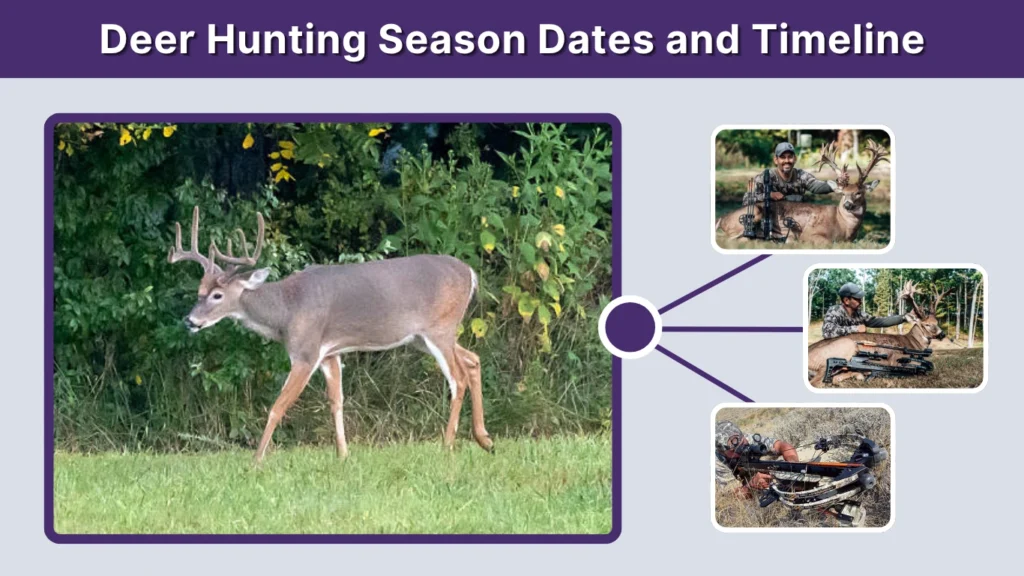
The deer hunting season is spread across several months, with each phase offering unique advantages. Knowing the timeline helps hunters choose the best time based on their skills and preferred method.
Archery Season
Archery season usually starts first and lasts the longest. It begins in early fall and continues into winter, giving hunters plenty of time to track deer in different conditions. This season is ideal for those who prefer a quieter and more strategic approach.
Crossbow Season
Crossbow season often overlaps with archery and follows a similar schedule. It provides an alternative for hunters who want more accuracy while still enjoying an extended season.
Muzzleloader Season
Muzzleloader hunting is limited to shorter windows during the season. These periods require careful planning, as opportunities are fewer compared to archery or crossbow hunting.
Modern Gun Season
Modern gun season is the most popular phase. It typically takes place in late fall and attracts the highest number of hunters. Deer activity is often higher during this time, making it a prime opportunity for success.
Complete Season Schedule (Table)
A quick overview of how the season is typically structured helps simplify planning.
| Season Type | Typical Timeframe | Duration |
| Archery | Early fall – winter | Long |
| Crossbow | Early fall – winter | Long |
| Muzzleloader | Mid-season windows | Short |
| Modern Gun | Late fall | Medium |
| Late Season | Winter | Limited |
This structure allows hunters to participate in multiple phases depending on their equipment and experience level.
When the Season Starts
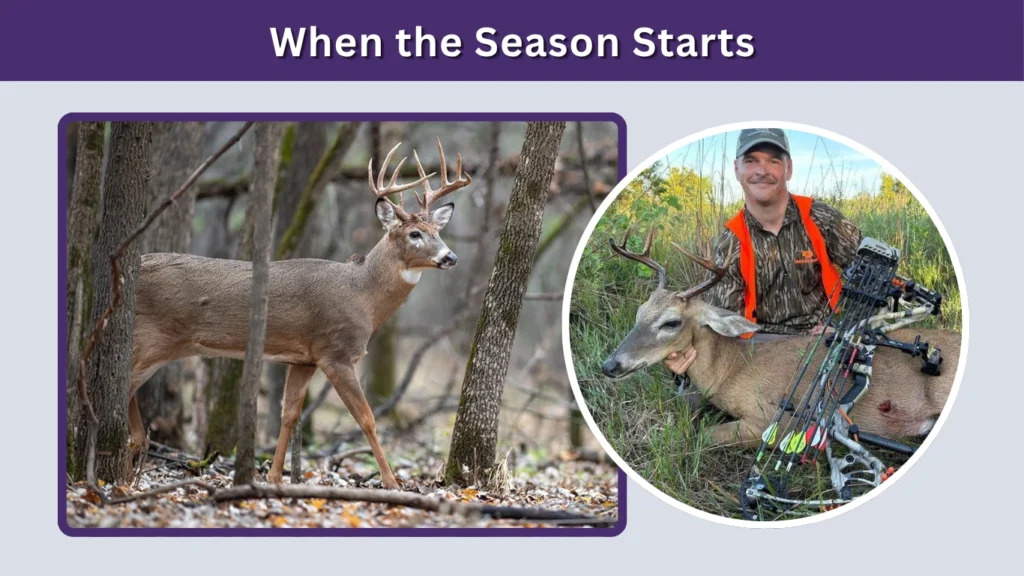
The deer hunting season usually begins in early fall, starting with archery. This early phase gives hunters a chance to take advantage of predictable deer movement patterns before hunting pressure increases.
Weather conditions during the start of the season are generally mild, making it a comfortable time for long hours in the field. Hunters who prepare early often have a better chance of success.
When the Season Ends
The season typically ends in winter, with late archery or crossbow opportunities extending into the colder months. During this time, deer behavior changes as they focus more on food sources and survival.
Late-season hunting can be challenging due to weather conditions, but it can also be rewarding for those who understand deer movement patterns in winter.
Types of Deer Hunting Seasons
Kentucky offers several hunting methods, each providing a different experience and level of challenge.
- Archery hunting for skill-based, quiet tracking
- Crossbow hunting for improved accuracy
- Muzzleloader hunting for traditional enthusiasts
- Modern firearm hunting for higher success rates
- Youth-only seasons to encourage new hunters
Each method has its own rules and timing, making it important to choose the one that fits your experience and goals.
Rules and Regulations to Know
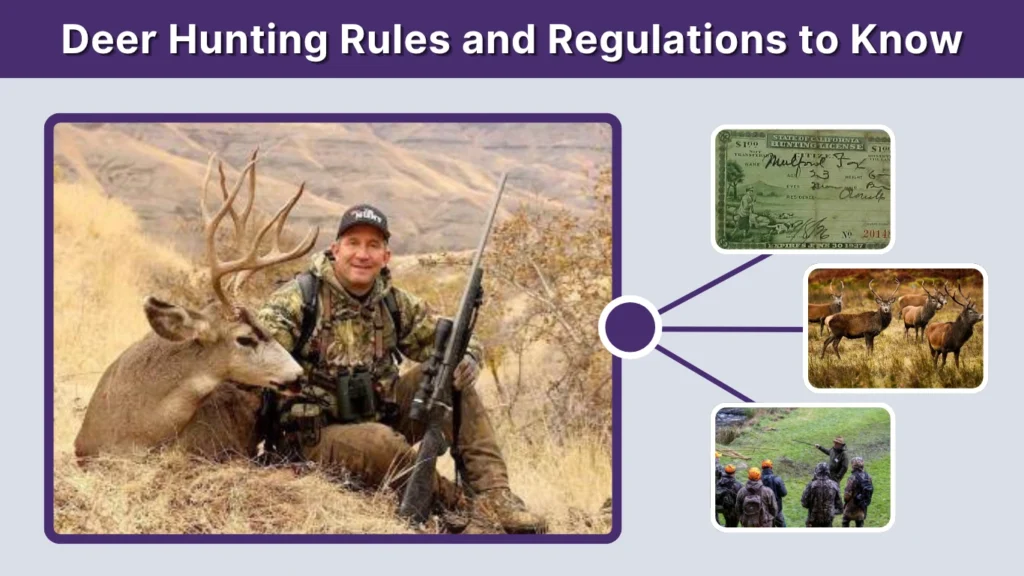
Following hunting regulations is essential for safety and legal compliance. Kentucky has clear rules that all hunters must follow.
Licensing Requirements
Hunters must carry a valid hunting license along with the appropriate deer permits. Requirements may vary depending on residency and age.
Bag Limits
There are limits on how many deer can be harvested during the season. These limits help maintain a healthy deer population.
Legal Hunting Methods
Only approved weapons and equipment are allowed during specific seasons. Hunters must also follow safety guidelines to ensure a responsible hunting experience.
Best Time to Hunt Deer
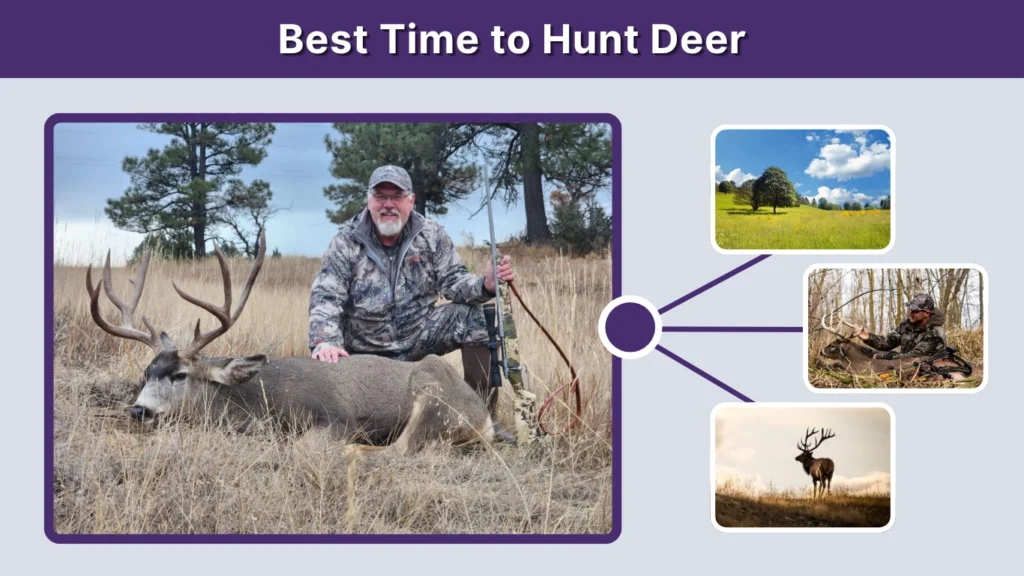
Timing plays a major role in hunting success. Deer behavior changes throughout the season, and understanding these patterns can significantly improve your chances.
- Early season: Deer follow predictable feeding routines with less pressure
- Mid-season (rut): Increased movement as deer search for mates
- Late season: Focus shifts to food sources and survival
Hunters who align their strategy with these phases are more likely to see consistent results.
Tips for a Successful Hunt
Preparation and strategy are key to making the most of the season. Even experienced hunters rely on careful planning to improve outcomes.
- Scout your hunting area before the season begins
- Learn deer movement patterns and habitat preferences
- Use proper gear suited to your chosen hunting method
- Pay attention to weather and wind direction
Small adjustments in preparation can make a big difference in the field.
Common Mistakes to Avoid
Avoiding common errors can help you stay safe and increase your chances of success.
- Ignoring local regulations and requirements
- Hunting at the wrong time of day
- Poor scent control that alerts deer
- Lack of preparation or scouting
Being aware of these mistakes helps hunters stay focused and improve their overall performance.
FAQs
When does deer hunting season usually begin?
The season generally begins in early fall with archery. Exact dates depend on regulations and hunting methods, but this phase typically marks the start of the hunting calendar.
What is the most popular hunting season?
Modern gun season is the most popular because it offers higher success rates and increased deer activity. It also attracts the largest number of hunters.
Do you need a license to hunt deer?
Yes, hunters must have a valid hunting license and the required permits. These ensure legal compliance and support wildlife management efforts.
How long does the season last?
The overall season spans several months, starting in early fall and ending in winter. The exact duration depends on the type of hunting method used.
