
Hunting seasons are carefully regulated periods when specific wildlife species can be legally hunted. These seasons are designed to balance recreation with conservation, ensuring animal populations remain healthy and sustainable. For hunters, understanding when each season opens and closes is essential for planning successful trips and staying within legal limits.
The timing of hunting seasons varies depending on location, climate, and wildlife management policies. However, there are general patterns that apply across many regions, especially in North America and similar ecosystems. In this guide, we’ll explore the typical hunting seasons for deer, duck, turkey, rabbit, and dove, along with the key factors that influence these timelines.
Understanding Hunting Seasons
What Determines Hunting Seasons?
Hunting seasons are not random—they are based on scientific wildlife management. Government agencies and conservation authorities study animal populations, breeding habits, and environmental conditions before setting dates.
One of the most important factors is the breeding cycle. Hunting is usually restricted during peak breeding periods to allow populations to grow. For example, deer hunting is often timed around or just after the rut (mating season), when animals are more active but have already had a chance to reproduce.
Migration patterns also play a major role, especially for birds like ducks and doves. Seasons are aligned with migration periods so hunters can take advantage of increased bird movement while avoiding overharvesting.
Environmental conditions such as temperature, habitat availability, and food sources also influence hunting seasons. In colder regions, seasons may start earlier and end sooner due to harsh winters.
Types of Hunting Seasons
Most game animals have multiple hunting phases, each with different rules and equipment allowances:
- Archery Season: Usually opens first, offering a longer and quieter hunting experience.
- Firearm Season: The most popular and often the shortest, with higher hunter participation.
- Muzzleloader Season: A traditional hunting period using older-style firearms.
- Special Seasons: These may include youth hunts or early access periods to encourage participation.
Understanding these categories helps hunters choose the best time and method for their preferences.
Deer Hunting Season
Typical Season Timeline
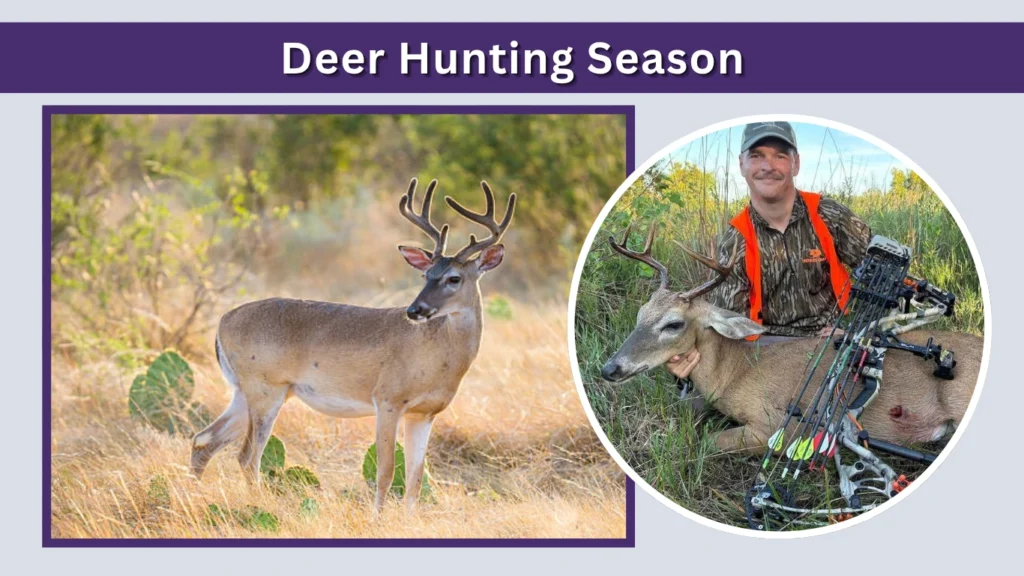
Deer hunting is one of the most popular forms of hunting worldwide. The season typically begins in early fall and can extend into winter:
- Archery Season: September to October
- Firearm Season: November to December
- Late Season: December to January
These timelines can vary significantly depending on the region, but the general pattern remains consistent.
Regional Variations
In northern areas, deer seasons often start earlier due to colder weather and shorter daylight hours. In southern regions, seasons may extend longer into winter because of milder climates.
Local regulations may also divide the season into zones, allowing different areas to open and close at different times to prevent overhunting.
Best Time to Hunt Deer
The most effective time to hunt deer is during the rut, or mating season, typically occurring in late fall. During this period, deer—especially males—are more active and less cautious, increasing the chances of a successful hunt.
Early mornings and late afternoons are also prime times, as deer are most active during these hours.
Duck Hunting Season
Typical Season Timeline
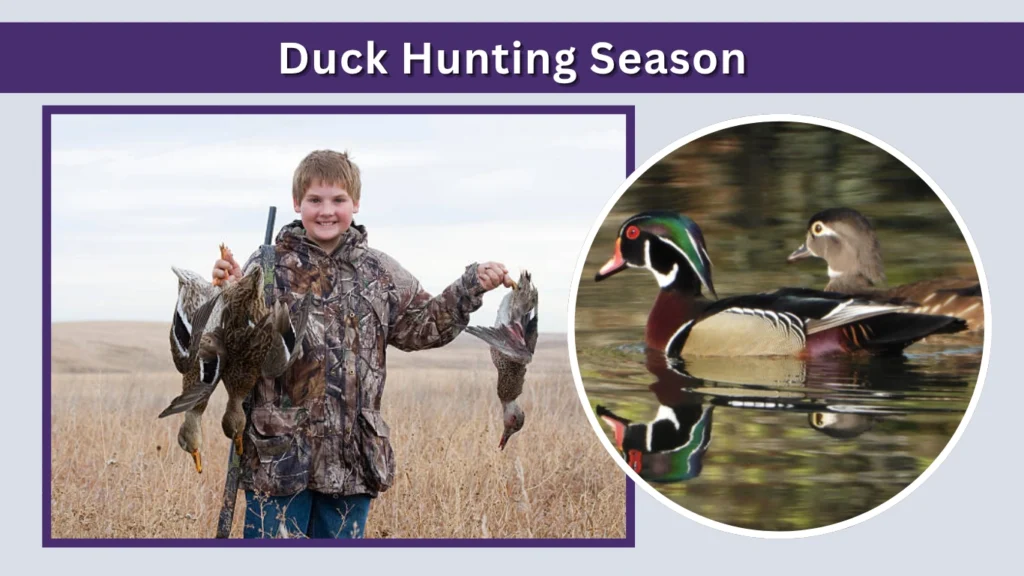
Duck hunting generally takes place during the cooler months:
- Season Duration: October through January
This timing aligns with duck migration, when birds travel south in search of warmer climates.
Migration Patterns
Duck hunting is heavily influenced by migration routes known as flyways. These include major paths like the Atlantic, Mississippi, Central, and Pacific flyways. Hunters often position themselves along these routes to maximize success.
Weather plays a critical role as well. Cold fronts can push large numbers of ducks into new areas, creating excellent hunting opportunities.
Best Conditions for Duck Hunting
The best duck hunting conditions usually occur during colder weather, especially after a sudden temperature drop. Wetlands, lakes, rivers, and marshes are prime locations, as ducks rely on water habitats for feeding and resting.
Turkey Hunting Season
Spring Season
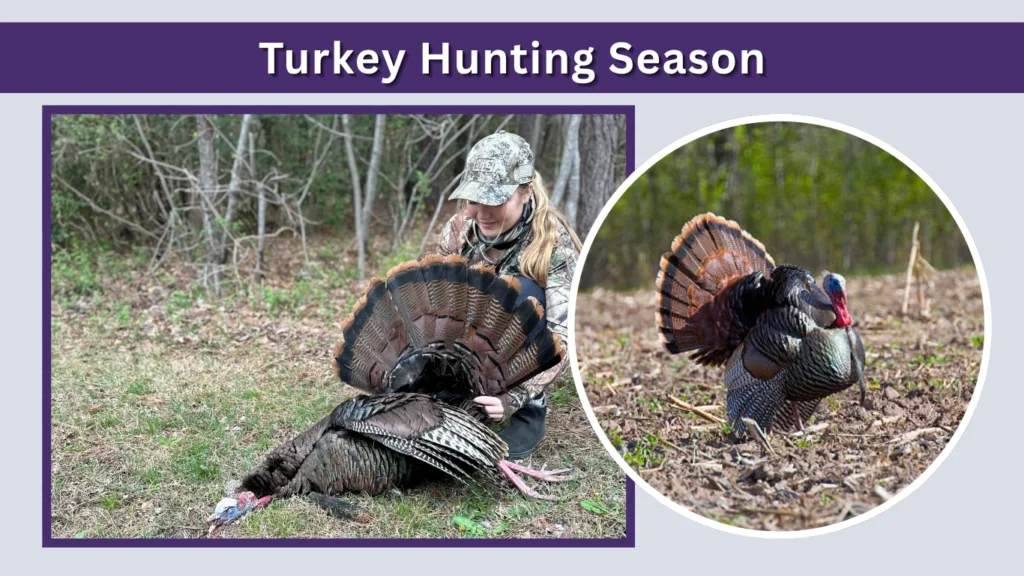
Turkey hunting is most popular during the spring:
- Spring Season: March to May
This season focuses primarily on male turkeys, known as gobblers. During this time, turkeys are highly active and vocal as they attempt to attract mates, making them easier to locate.
Fall Season
Some regions also offer a fall turkey season:
- Fall Season: October to November
Unlike spring hunting, fall turkey hunting can include both male and female birds. However, this season is generally less popular due to reduced activity and more challenging conditions.
Best Time of Day
The most effective time to hunt turkey is early morning. Turkeys are typically most active at sunrise when they leave their roosts and begin searching for food. Calling techniques are often used to attract them during this period.
Rabbit Hunting Season
Typical Season Timeline
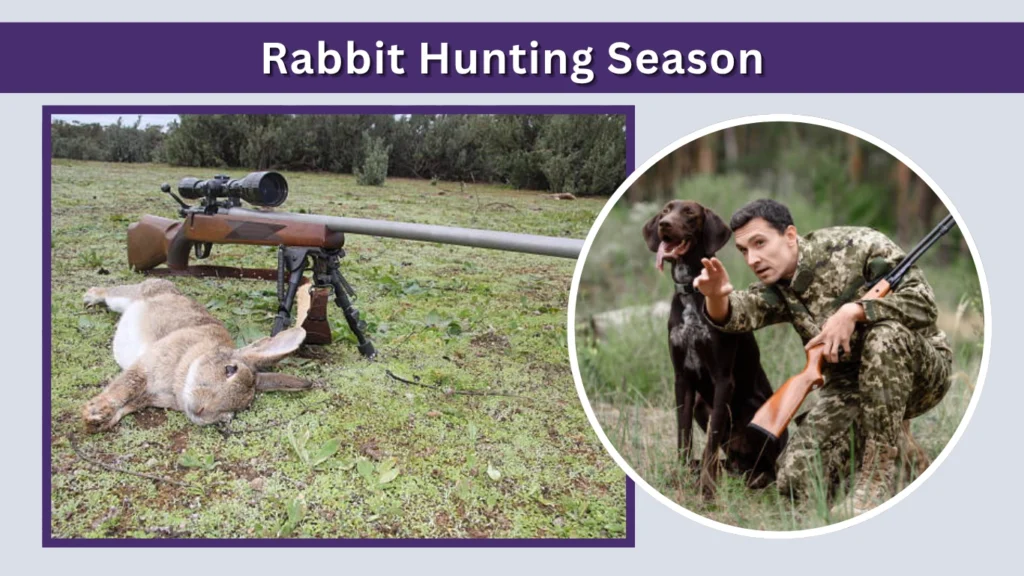
Rabbit hunting seasons usually span the colder months:
- Season Duration: October to February
This extended season makes rabbit hunting accessible for beginners and experienced hunters alike.
Habitat and Behavior
Rabbits are commonly found in brushy fields, forest edges, and thick cover. They rely heavily on vegetation for protection, making them more difficult to spot during warmer months when foliage is dense.
Why Winter is Ideal
Winter is considered the best time for rabbit hunting because vegetation dies back, reducing hiding spots. Snow on the ground can also make tracking easier, helping hunters follow rabbit trails more effectively.
Dove Hunting Season
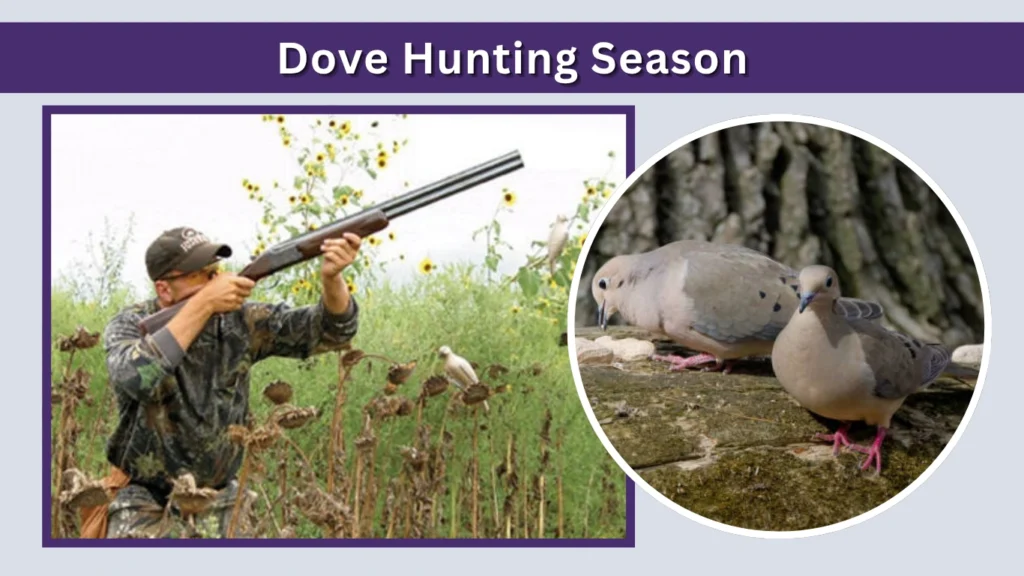
Typical Season Timeline
Dove hunting is often one of the earliest seasons to open:
- Early Season: September to October
- Late Season: November to January
This split season allows hunters to take advantage of both early and late migration periods.
Migration and Feeding Patterns
Doves are migratory birds that move in response to food availability and weather changes. They are commonly found near grain fields, open fields, and water sources.
Peak Hunting Times
The best times to hunt doves are early morning and late afternoon, when they are most active. Hunters often position themselves near feeding or watering areas to increase their chances of success.
Hunting Regulations and Legal Considerations
Before heading out, it’s essential to understand and follow local hunting laws. Regulations are designed to protect wildlife populations and ensure fair hunting practices.
Key considerations include:
- Licensing Requirements: Most regions require hunters to obtain permits or licenses.
- Bag Limits: Restrictions on the number of animals that can be harvested per day or season.
- Protected Species: Some animals may be off-limits depending on conservation status.
- Regional Rules: Dates and regulations can vary widely by location.
Always check with your local wildlife or forestry department for the most accurate and up-to-date information.
Safety and Ethical Hunting Practices
Responsible hunting goes beyond following laws—it includes prioritizing safety and respecting nature.
- Firearm Safety: Always handle weapons carefully and follow proper safety protocols.
- Awareness of Surroundings: Be mindful of other hunters and nearby communities.
- Ethical Harvesting: Aim for quick, humane kills to minimize animal suffering.
- Conservation Respect: Avoid overhunting and support wildlife preservation efforts.
Ethical hunting helps maintain the balance between human activity and natural ecosystems.
Tips for Planning Your Hunting Season
Preparation plays a major role in hunting success. Consider the following tips:
- Research Local Seasons: Check official sources for exact dates and regulations.
- Scout Locations Early: Visit hunting areas before the season begins.
- Monitor Weather Patterns: Weather can significantly impact animal behavior.
- Prepare Equipment: Ensure all gear is functional and ready before opening day.
Planning ahead not only improves your chances but also ensures a safer and more enjoyable experience.
FAQs
What is the best month for deer hunting?
The best month for deer hunting is usually November, as this is when the rut (mating season) occurs. During this time, deer are more active and easier to spot, especially in early morning and late evening.
When does duck hunting season usually start?
Duck hunting season typically starts in October and runs through January. The exact timing depends on migration patterns and regional regulations.
Is spring or fall better for turkey hunting?
Spring is generally better for turkey hunting because male turkeys are more vocal and active during mating season, making them easier to locate and attract.
Why is rabbit hunting popular in winter?
Rabbit hunting is most popular in winter because there is less vegetation, making rabbits easier to see. Snow can also help hunters track their movement.
Do hunting seasons vary by location?
Yes, hunting seasons vary significantly depending on country, state, or region. Factors like climate, wildlife population, and local laws determine the exact dates, so it’s important to check official regulations before hunting.
Conclusion
Hunting seasons for deer, duck, turkey, rabbit, and dove follow predictable patterns, but they can vary depending on region and environmental factors. Understanding these timelines, along with the behavior of each species, helps hunters make informed decisions and maximize their success.
Always remember that regulations exist to protect wildlife and ensure sustainable hunting for future generations. By staying informed, practicing safety, and respecting nature, hunters can enjoy the sport responsibly year after year.
