
Starting your hunting journey can feel overwhelming, especially with so many tools and gear available. Knowing what equipment truly matters helps you stay prepared, safe, and effective in the field. From legal requirements to practical tools, having the right essentials makes a big difference in your overall experience. In this guide, you’ll discover the 15 most important hunting items every beginner should have before heading out on their first hunt.
1. Hunting License & Tags
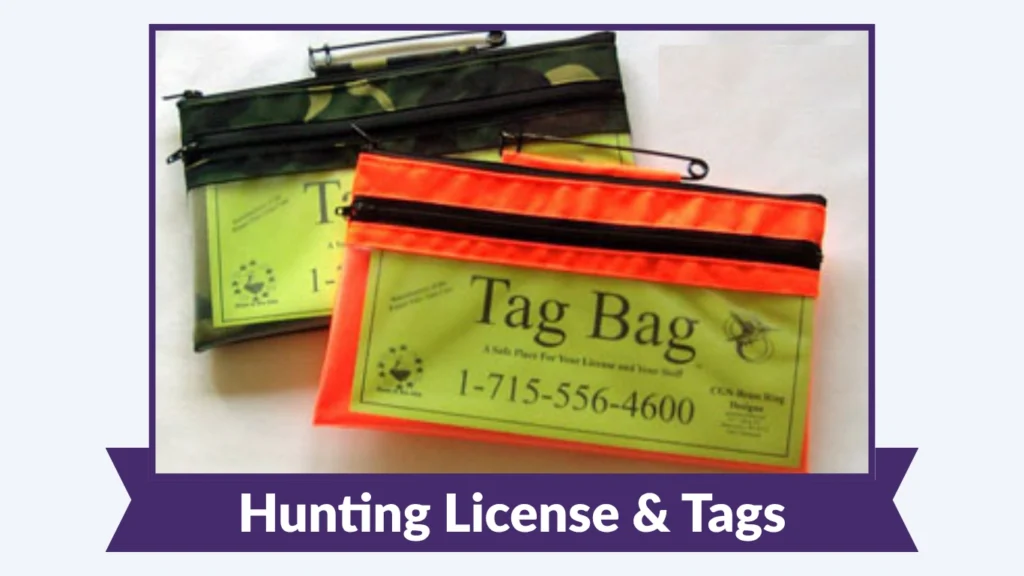
A hunting license and proper tags are the foundation of legal and responsible hunting. Before stepping into the field, every beginner must understand the importance of following local regulations. These documents not only give you permission to hunt but also ensure wildlife conservation and population control are maintained. Skipping this step can lead to serious penalties, so it’s essential to start here.
Why It’s Needed
- Ensures you are hunting legally within your region
- Helps wildlife agencies manage animal populations
- Prevents fines, penalties, or legal trouble
- Promotes ethical and responsible hunting practices
Types of Licenses and Tags
Hunting licenses and tags vary depending on your location and the type of game you plan to hunt. Some regions offer general licenses, while others require specific permits for deer, birds, or small game. Tags are often issued per animal, meaning you must have one for each animal you intend to harvest. Seasonal restrictions also apply, so it’s important to check current rules before purchasing.
How to Obtain Them
Getting a hunting license is usually straightforward. You can apply online through your local wildlife authority’s website or visit authorized vendors such as sporting goods stores. In many cases, beginners must complete a hunter safety course before being eligible. This course teaches firearm safety, ethical hunting, and survival basics, making it highly valuable for new hunters.
Tips for Beginners
Always carry your license and tags with you while hunting, as authorities may request to see them at any time. Double-check expiration dates and ensure your tags match the species you’re hunting. It’s also a good idea to keep digital and physical copies for convenience. Staying organized with your documentation helps you focus more on the hunting experience itself.
2. Firearm or Bow
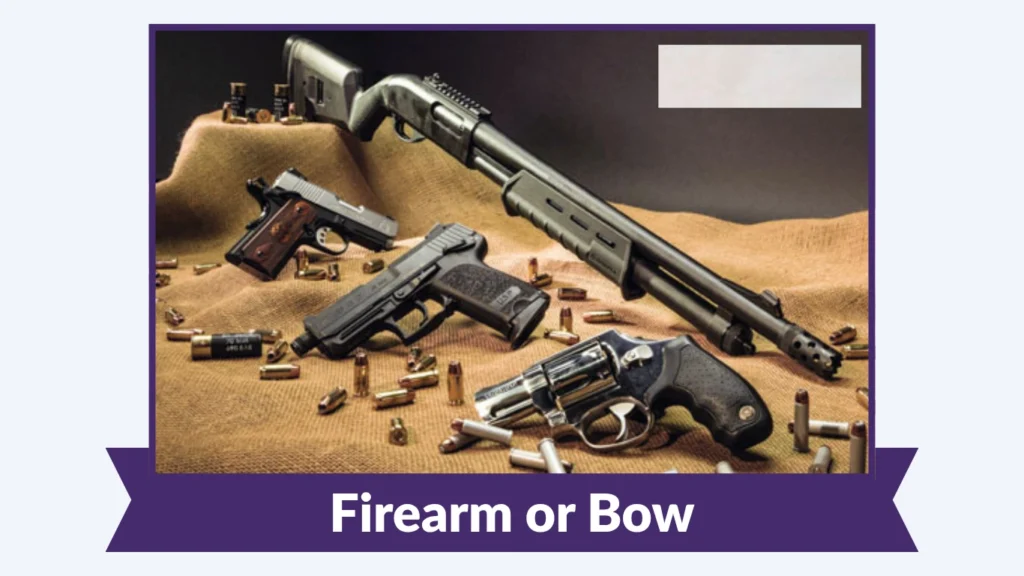
Choosing the right weapon is one of the most important decisions for any beginner hunter. Whether you prefer a firearm or a bow, your choice will depend on the type of game, local regulations, and your personal comfort level. Each option requires practice, responsibility, and a strong understanding of safety to ensure an effective and ethical hunt.
Why It’s Needed
- Essential tool for harvesting game
- Ensures a humane and ethical kill
- Allows you to hunt different types of animals
- Required for both small and large game hunting
Types of Weapons
Firearms include rifles, shotguns, and handguns, each suited for different hunting situations. Rifles are commonly used for big game due to their accuracy and range, while shotguns are ideal for birds and small game. Bows, including compound and recurve bows, offer a quieter and more challenging hunting experience. Beginners often choose based on ease of use and the type of hunting they plan to do.
How to Choose the Right One
When selecting a firearm or bow, consider factors such as weight, recoil, and ease of handling. Beginners should start with something manageable and gradually build confidence. Visiting a local hunting store or range can help you test different options. It’s also wise to seek advice from experienced hunters or professionals before making a purchase.
Tips for Beginners
Always prioritize safety by learning proper handling and storage techniques. Practice regularly at a shooting range to improve accuracy and confidence. Start with shorter distances and gradually increase your range. Understanding your weapon fully will make your hunting experience safer and more successful.
3. Ammunition or Arrows
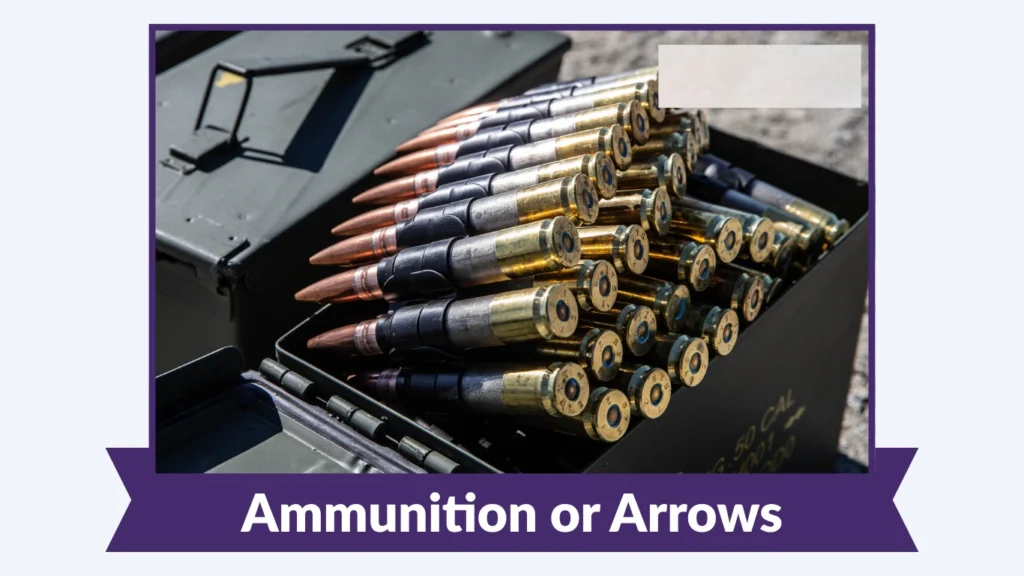
Ammunition or arrows are just as important as the weapon itself. Without the right type and quality, even the best firearm or bow won’t perform effectively. Beginners must understand which ammunition or arrows are suitable for their chosen weapon and target game to ensure accuracy, safety, and ethical hunting.
Why It’s Needed
- Required for the operation of firearms or bows
- Ensures accurate and effective shots
- Helps achieve a clean and humane kill
- Matches specific hunting needs and game types
Types and Variations
Ammunition comes in different calibers and bullet types, each designed for specific animals and hunting conditions. For example, larger calibers are used for big game, while smaller ones are suitable for small animals. Arrows also vary in length, weight, and tip type, including broadheads for hunting and field points for practice. Choosing the right type is crucial for performance.
How to Select the Right Option
Selecting ammunition or arrows depends on your weapon and the game you are targeting. Always check your firearm or bow specifications to ensure compatibility. Beginners should start with recommended options from manufacturers or experienced hunters. Testing different types during practice can help you find what works best for you.
Tips for Beginners
Store ammunition and arrows properly to maintain their quality and safety. Always carry extra supplies when heading out for a hunt. Practice regularly to understand how your chosen ammunition or arrows perform. Being well-prepared ensures you won’t miss opportunities in the field.
4. Hunting Clothing (Camouflage/Weather-Appropriate)
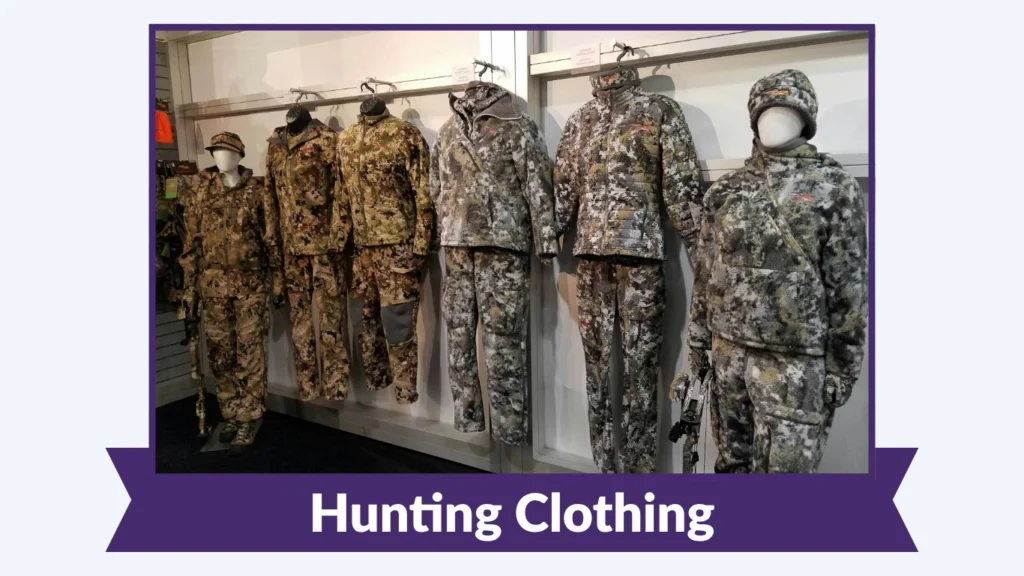
Hunting clothing plays a crucial role in keeping you comfortable, concealed, and protected while in the field. As a beginner, wearing the right gear helps you blend into your surroundings and adapt to changing weather conditions. Proper clothing not only improves your chances of success but also ensures a safer and more enjoyable hunting experience.
Why It’s Needed
- Helps you stay hidden from animals
- Protects against harsh weather conditions
- Keeps you comfortable during long hours outdoors
- Reduces noise and scent that may alert wildlife
Types of Hunting Clothing
Hunting clothing includes camouflage jackets, pants, gloves, and hats designed to match different environments like forests, grasslands, or snowy areas. Weather-appropriate layers such as thermal wear, waterproof jackets, and windproof gear are also essential. Some clothing is specifically designed to reduce scent and noise, giving hunters an added advantage.
How to Choose the Right Clothing
When selecting hunting clothing, consider the environment and season you’ll be hunting in. Lightweight, breathable fabrics are ideal for warm weather, while insulated and waterproof layers are necessary for cold or wet conditions. Camouflage patterns should match your surroundings to maximize concealment. Comfort and mobility should always be a priority.
Tips for Beginners
Layer your clothing so you can adjust easily to temperature changes throughout the day. Avoid bright colors unless required for safety regulations. Choose quiet fabrics that won’t make noise when you move. Investing in quality hunting clothing will make your experience much more effective and enjoyable.
5. Hunting Boots
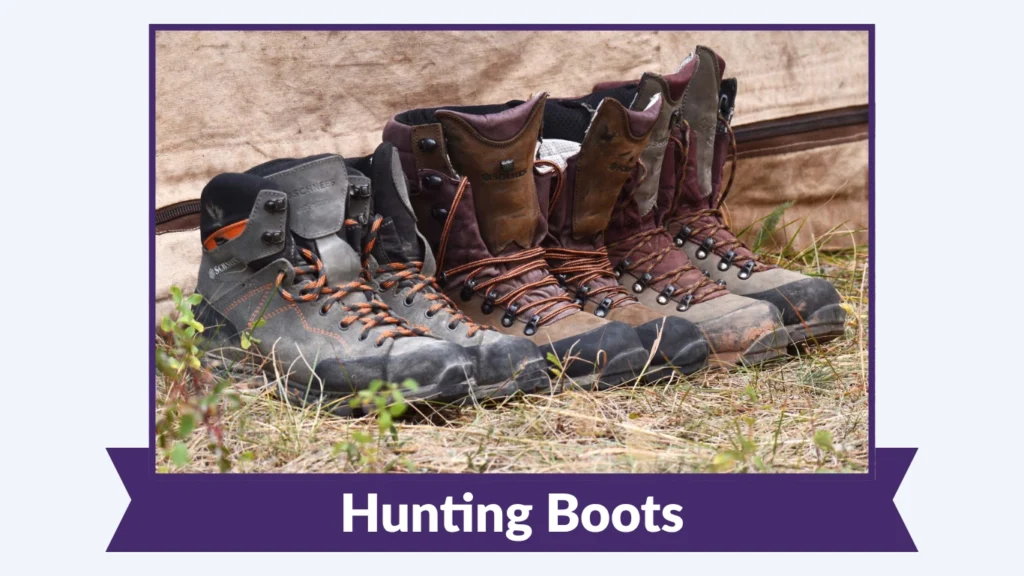
Hunting boots are essential for navigating different terrains safely and comfortably. Whether you’re walking through forests, climbing hills, or crossing wet areas, the right pair of boots provides support, protection, and durability. Beginners often underestimate their importance, but good boots can make a huge difference in your overall hunting experience.
Why It’s Needed
- Provides support for long walks and rough terrain
- Protects feet from injuries, moisture, and cold
- Improves stability and grip in slippery areas
- Enhances overall comfort during hunting trips
Types of Hunting Boots
There are various types of hunting boots designed for different conditions. Insulated boots are ideal for cold weather, while lightweight boots work well in warmer climates. Waterproof boots are essential for wet or muddy environments. Some boots also offer extra ankle support for rugged terrains, helping prevent injuries.
How to Choose the Right Boots
Choosing the right boots depends on the terrain and weather conditions you expect. Look for boots with good traction, proper insulation, and waterproof features if needed. Fit is extremely important—boots should be snug but not too tight, allowing room for thick socks. Trying them on and walking around before buying is highly recommended.
Tips for Beginners
Break in your boots before going on a hunt to avoid blisters. Always wear appropriate socks to enhance comfort and prevent moisture buildup. Keep your boots clean and dry after each use to extend their lifespan. A reliable pair of hunting boots can significantly improve your endurance and performance in the field.
6. Binoculars
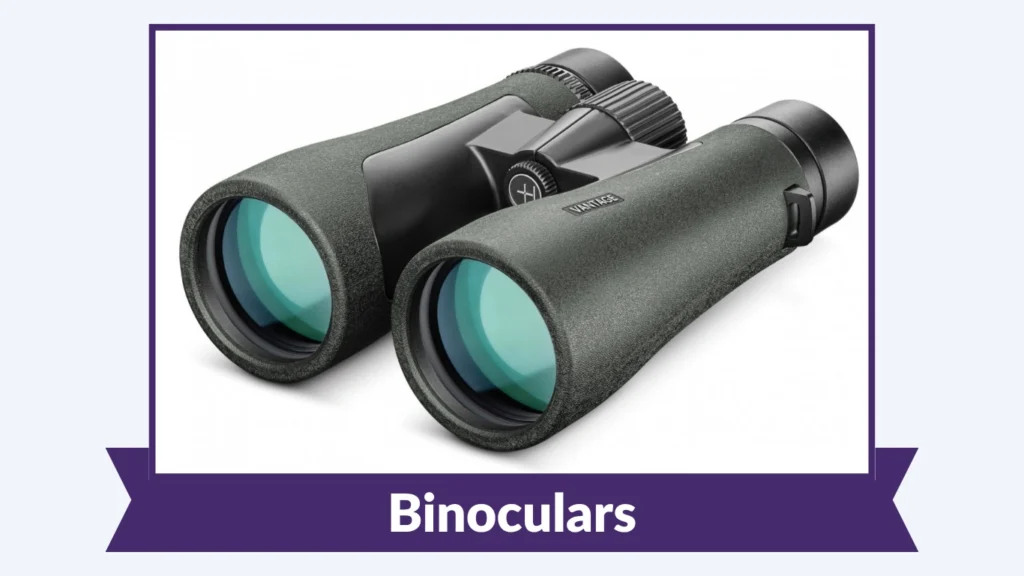
Binoculars are an essential tool for spotting game from a distance without disturbing the environment. For beginners, they make it easier to locate animals, observe behavior, and plan your approach carefully. Instead of moving blindly through an area, binoculars allow you to scan efficiently and increase your chances of a successful hunt.
Why It’s Needed
- Helps spot animals from a safe distance
- Reduces unnecessary movement in the field
- Improves accuracy in identifying targets
- Enhances overall hunting efficiency
Types of Binoculars
Binoculars come in different magnifications and sizes. Common options include 8×42 and 10×42, which offer a good balance between clarity and stability. Compact binoculars are lightweight and easy to carry, while larger ones provide better image quality. Waterproof and fog-proof models are ideal for outdoor use in varying conditions.
How to Choose the Right Binoculars
When choosing binoculars, consider magnification, lens quality, and weight. Beginners should opt for something lightweight with clear optics and a comfortable grip. Higher magnification isn’t always better, as it can make the image shakier. A durable, weather-resistant pair is a smart investment for long-term use.
Tips for Beginners
Practice using your binoculars before heading out to get familiar with focusing and handling. Keep them easily accessible, such as around your neck or in a chest harness. Clean the lenses regularly to maintain clear vision. Good binoculars can significantly improve your ability to locate and track game.
7. Hunting Knife
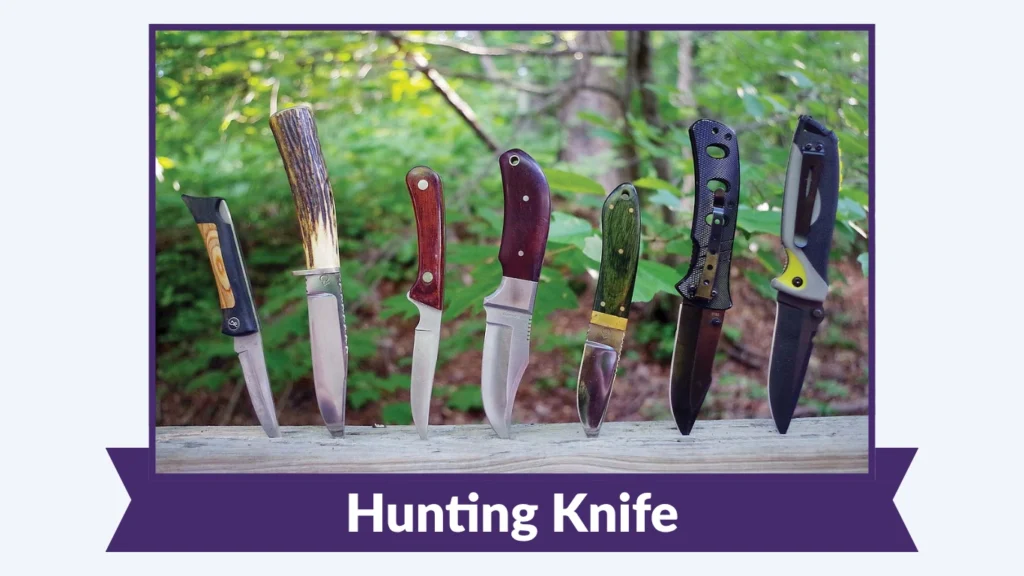
A hunting knife is one of the most versatile tools a hunter can carry. It is primarily used for field dressing, skinning, and processing game after a successful hunt. For beginners, having a reliable and sharp knife is essential for handling tasks efficiently and safely in the field.
Why It’s Needed
- Essential for field dressing and processing game
- Helps in skinning and cutting tasks
- Useful for general outdoor survival needs
- Ensures efficient and clean handling of harvested animals
Types of Hunting Knives
Hunting knives come in various styles, including fixed-blade and folding knives. Fixed-blade knives are stronger and more durable, making them ideal for heavy-duty tasks. Folding knives are compact and easier to carry but may not be as sturdy. Blade shapes and sizes also vary depending on specific uses.
How to Choose the Right Knife
When selecting a hunting knife, look for a comfortable grip, strong blade material, and appropriate size. Beginners should choose a knife that feels balanced and easy to control. A blade length of around 3–5 inches is often suitable for most hunting tasks. Quality and durability should be prioritized over appearance.
Tips for Beginners
Always keep your knife sharp, as a dull blade can be dangerous and inefficient. Carry it safely using a sheath and handle it with care. Clean and dry the knife after each use to prevent rust. Learning basic knife skills will help you perform tasks more effectively and safely in the field.
8. Backpack
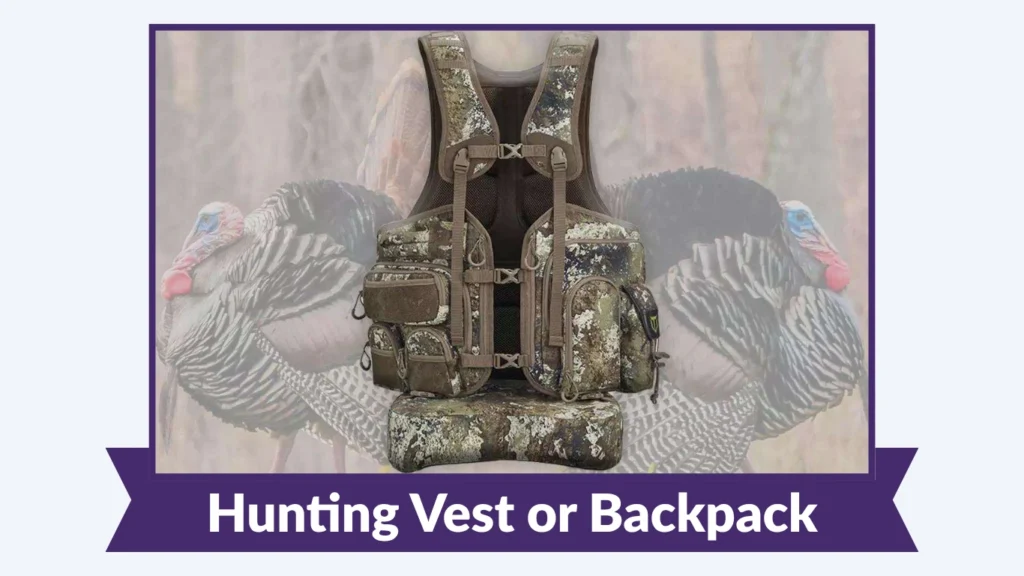
A hunting backpack is essential for carrying all your gear in an organized and efficient way. For beginners, it helps ensure that everything you need—tools, supplies, and emergency items—is easily accessible while moving through the field. A well-packed backpack can make your hunting trip more comfortable and less stressful.
Why It’s Needed
- Allows you to carry essential gear conveniently
- Keeps equipment organized and accessible
- Helps distribute weight evenly for comfort
- Useful for carrying harvested game or supplies
Types of Hunting Backpacks
Hunting backpacks come in various sizes and designs, including daypacks and larger multi-day packs. Daypacks are ideal for short trips, while larger packs are designed for extended hunts. Some backpacks include specialized compartments for weapons, hydration systems, or meat storage, making them more functional in the field.
How to Choose the Right Backpack
When choosing a backpack, consider capacity, comfort, and durability. Look for padded shoulder straps, a supportive frame, and breathable materials. The size should match the length of your hunting trips. Lightweight yet sturdy designs are best for beginners who need both comfort and practicality.
Tips for Beginners
Pack only what you need to avoid unnecessary weight. Organize items so frequently used gear is easy to reach. Adjust the straps properly to distribute weight evenly across your shoulders and back. A well-prepared backpack can greatly improve your mobility and endurance.
9. First Aid Kit
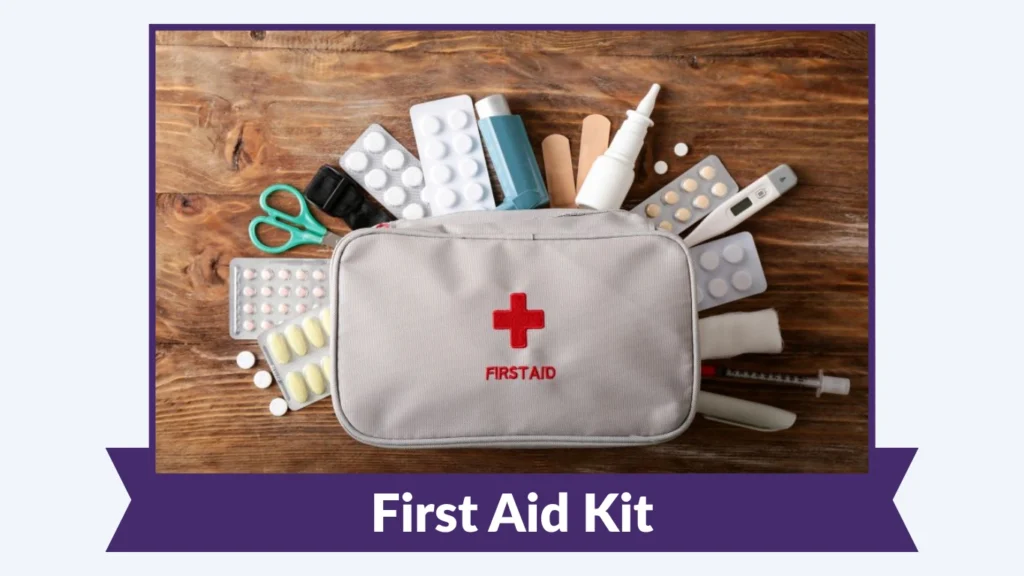
A first aid kit is a critical safety item that every hunter should carry. Accidents can happen in the wild, from minor cuts to more serious injuries. For beginners, having a basic understanding of first aid and a well-stocked kit can make a significant difference in handling emergencies effectively.
Why It’s Needed
- Provides immediate care for injuries in the field
- Helps prevent minor injuries from worsening
- Essential for emergency preparedness
- Increases overall safety during hunting trips
What to Include in a First Aid Kit
A basic hunting first aid kit should include bandages, antiseptic wipes, adhesive tape, pain relievers, and gauze. Additional items like tweezers, scissors, and blister treatment are also helpful. Depending on your location, you may include insect repellent, allergy medication, or a thermal blanket.
How to Choose the Right Kit
You can buy a pre-made first aid kit or assemble your own. Beginners often benefit from ready-made kits designed for outdoor use. Ensure the kit is compact, waterproof, and easy to carry. Customizing it based on your needs and environment is always a good idea.
Tips for Beginners
Learn basic first aid skills before heading out. Regularly check your kit to replace used or expired items. Keep it in an easily accessible part of your backpack. Being prepared with a first aid kit ensures you can handle unexpected situations with confidence.
10. Navigation Tools (Map, Compass, or GPS)
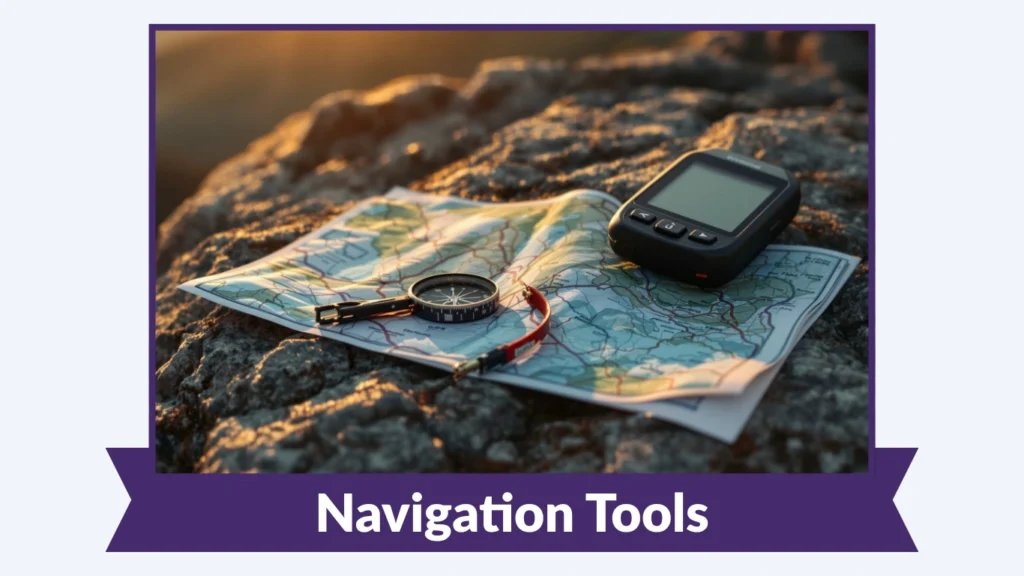
Navigation tools are essential for staying on track and ensuring you don’t get lost in unfamiliar terrain. For beginners, relying solely on memory or guesswork can be risky. Proper navigation equipment helps you plan routes, mark locations, and safely return from your hunting trip without confusion or danger.
Why It’s Needed
- Prevents getting lost in unfamiliar areas
- Helps plan and follow safe routes
- Allows you to mark important locations
- Ensures a safe return from the field
Types of Navigation Tools
Common navigation tools include traditional maps and compasses, as well as modern GPS devices. Maps provide a broad view of the terrain, while compasses help determine direction. GPS devices offer real-time location tracking and are especially useful for beginners. Many hunters also use smartphone apps, though they should not be solely relied upon.
How to Choose the Right Tool
Choosing the right navigation tool depends on your experience and environment. Beginners should consider carrying both traditional tools and a GPS device for backup. Look for durable, waterproof options that can withstand outdoor conditions. Ease of use and reliability are key factors when selecting navigation gear.
Tips for Beginners
Learn how to read a map and use a compass before heading out. Always carry extra batteries if you’re using a GPS device. Mark your starting point and key locations to avoid confusion. Combining multiple navigation methods will greatly improve your safety and confidence.
11. Game Calls
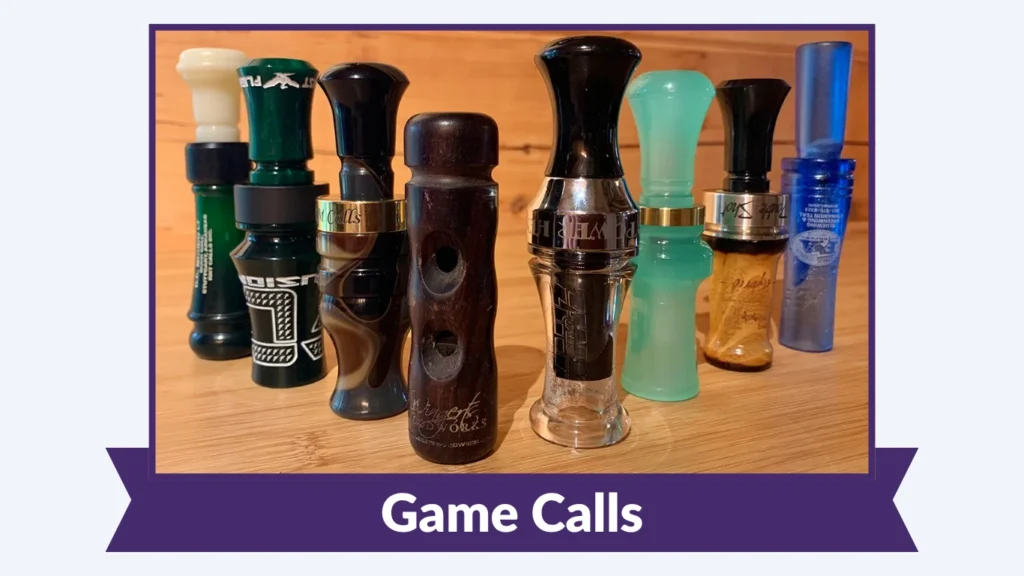
Game calls are tools used to mimic the sounds of animals, helping attract them within range. For beginners, they can significantly increase hunting success by drawing animals closer without the need for excessive movement. Learning how to use them effectively requires practice and understanding animal behavior.
Why It’s Needed
- Attracts animals by mimicking natural sounds
- Reduces the need to move frequently
- Increases chances of a successful hunt
- Helps control animal movement and direction
Types of Game Calls
Game calls vary depending on the type of animal being hunted. Common types include deer calls, duck calls, and turkey calls. Some are manual, requiring skill and practice, while others are electronic and easier to use. Each type produces specific sounds designed to attract particular species.
How to Choose the Right Call
Selecting the right game call depends on the animal you are targeting. Beginners may find electronic calls easier to use, while experienced hunters often prefer manual calls for better control. It’s important to choose a call that produces realistic sounds and is suitable for your hunting environment.
Tips for Beginners
Practice using your game call before going into the field to ensure natural sound production. Avoid overusing it, as too much calling can scare animals away. Study the behavior and sounds of your target species to improve effectiveness. Mastering game calls can greatly enhance your hunting skills.
12. Scent Control Products
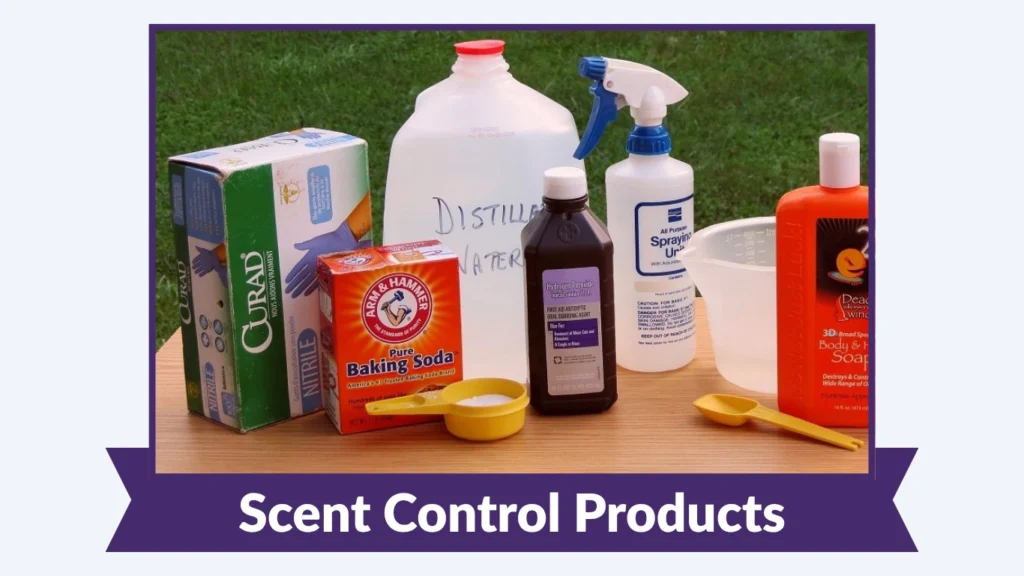
Scent control products are designed to minimize human odor, which animals can easily detect. For beginners, understanding scent management is crucial because many game animals rely heavily on their sense of smell for survival. Even if you remain hidden visually, your scent can give away your position, making these products an important part of your hunting setup.
Why It’s Needed
- Reduces human scent detectable by animals
- Increases chances of staying undetected
- Improves hunting success rates
- Helps maintain a stealthy approach
Types of Scent Control Products
These products include scent-eliminating sprays, odor-resistant clothing, and scent-free soaps or detergents. Some hunters also use scent attractants or cover scents that mimic natural smells in the environment. Each type serves a specific purpose in reducing or masking human odor.
How to Choose the Right Products
When selecting scent control products, look for reliable and field-tested options. Beginners should start with basic items like scent-free sprays and clothing. It’s important to choose products suitable for your hunting environment and target species. Quality and effectiveness should be prioritized over price.
Tips for Beginners
Apply scent control products before entering the hunting area. Store your gear in scent-free bags to avoid contamination. Avoid strong-smelling items like perfumes or food odors. Consistent scent management can greatly improve your chances of getting closer to game.
13. Rangefinder
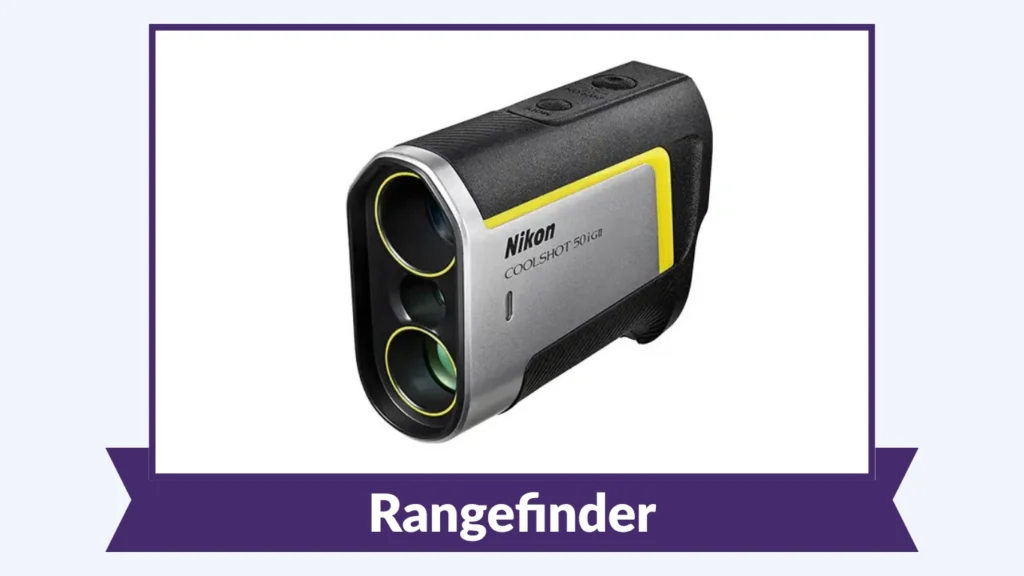
A rangefinder is a valuable tool that helps hunters measure the distance between themselves and their target. For beginners, estimating distance accurately can be challenging, and mistakes can lead to missed shots. A rangefinder removes guesswork and allows for more precise aiming, especially in long-distance hunting.
Why It’s Needed
- Provides accurate distance measurement
- Improves shooting accuracy
- Reduces guesswork in the field
- Helps ensure ethical and effective shots
Types of Rangefinders
Most hunting rangefinders use laser technology to measure distance quickly and accurately. Some models include additional features like angle compensation, which is useful in hilly terrain. Compact and lightweight designs are common, making them easy to carry during hunts.
How to Choose the Right Rangefinder
When choosing a rangefinder, consider range capability, accuracy, and ease of use. Beginners should look for simple models with clear displays and reliable performance. Waterproof and durable designs are ideal for outdoor conditions. Battery life is another important factor to consider.
Tips for Beginners
Practice using your rangefinder before hunting to become familiar with its functions. Use it to measure distances to landmarks in advance. Keep it easily accessible for quick use when needed. A good rangefinder can significantly improve your confidence and shooting precision.
14. Headlamp or Flashlight
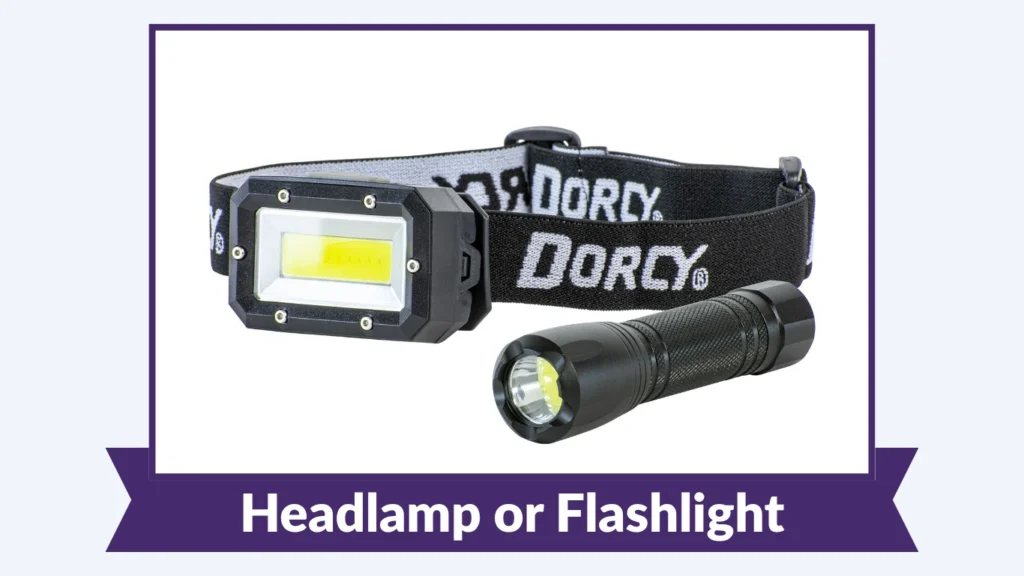
A headlamp or flashlight is essential for visibility during early morning or late evening hunts. Since hunting often takes place in low-light conditions, having a reliable light source ensures you can move safely, track game, and perform tasks without difficulty. For beginners, it adds an extra layer of safety and convenience in the field.
Why It’s Needed
- Provides visibility in low-light or dark conditions
- Helps with safe movement through terrain
- Assists in tracking and field dressing game
- Reduces risk of accidents or injuries
Types of Lighting Tools
Headlamps and flashlights come in various styles and brightness levels. Headlamps are worn on the head, allowing hands-free use, which is especially useful during tasks like dressing game. Flashlights, on the other hand, offer stronger beams and are ideal for scanning larger areas. Many modern options include adjustable brightness and rechargeable batteries.
How to Choose the Right Light
When selecting a headlamp or flashlight, consider brightness (measured in lumens), battery life, and durability. Beginners should opt for lightweight, water-resistant models with adjustable settings. A headlamp is often more practical for hands-free tasks, while a flashlight can serve as a backup.
Tips for Beginners
Always carry extra batteries or a backup light source. Test your light before heading out to ensure it’s working properly. Use lower brightness settings when possible to conserve battery life. A dependable light source can make your hunting experience much safer and more efficient.
15. Field Dressing Kit
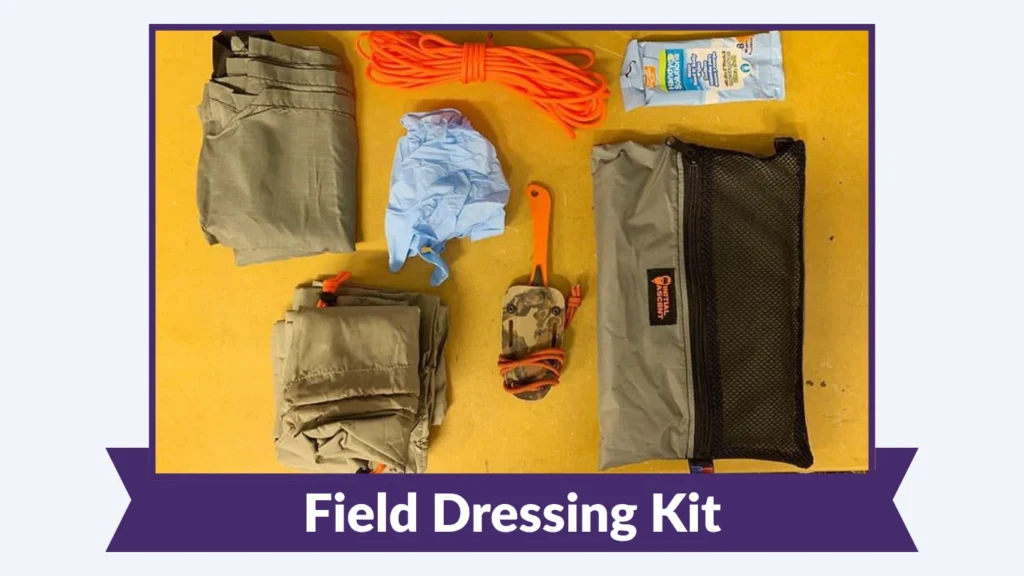
A field dressing kit is used to process game immediately after a successful hunt. For beginners, having the right tools makes the process cleaner, faster, and more efficient. Proper field dressing helps preserve meat quality and ensures that the harvested animal is handled respectfully and hygienically.
Why It’s Needed
- Essential for processing game in the field
- Helps preserve meat quality
- Makes the process quicker and more efficient
- Ensures clean and hygienic handling
What’s Included in a Field Dressing Kit
A typical field dressing kit includes items like a gutting knife, bone saw, gloves, and game bags. Some kits may also include sharpening tools and cleaning supplies. These tools are specifically designed to handle different parts of the processing task effectively.
How to Choose the Right Kit
When choosing a field dressing kit, look for durable, easy-to-clean tools made from high-quality materials. Beginners should consider complete kits that include all essential items. Compact and portable designs are ideal for carrying in your backpack without adding too much weight.
Tips for Beginners
Learn basic field dressing techniques before your hunt to avoid mistakes. Always wear gloves to maintain hygiene. Clean your tools thoroughly after each use to prevent contamination. Being prepared with a proper kit ensures you can handle your harvest efficiently and responsibly.
