
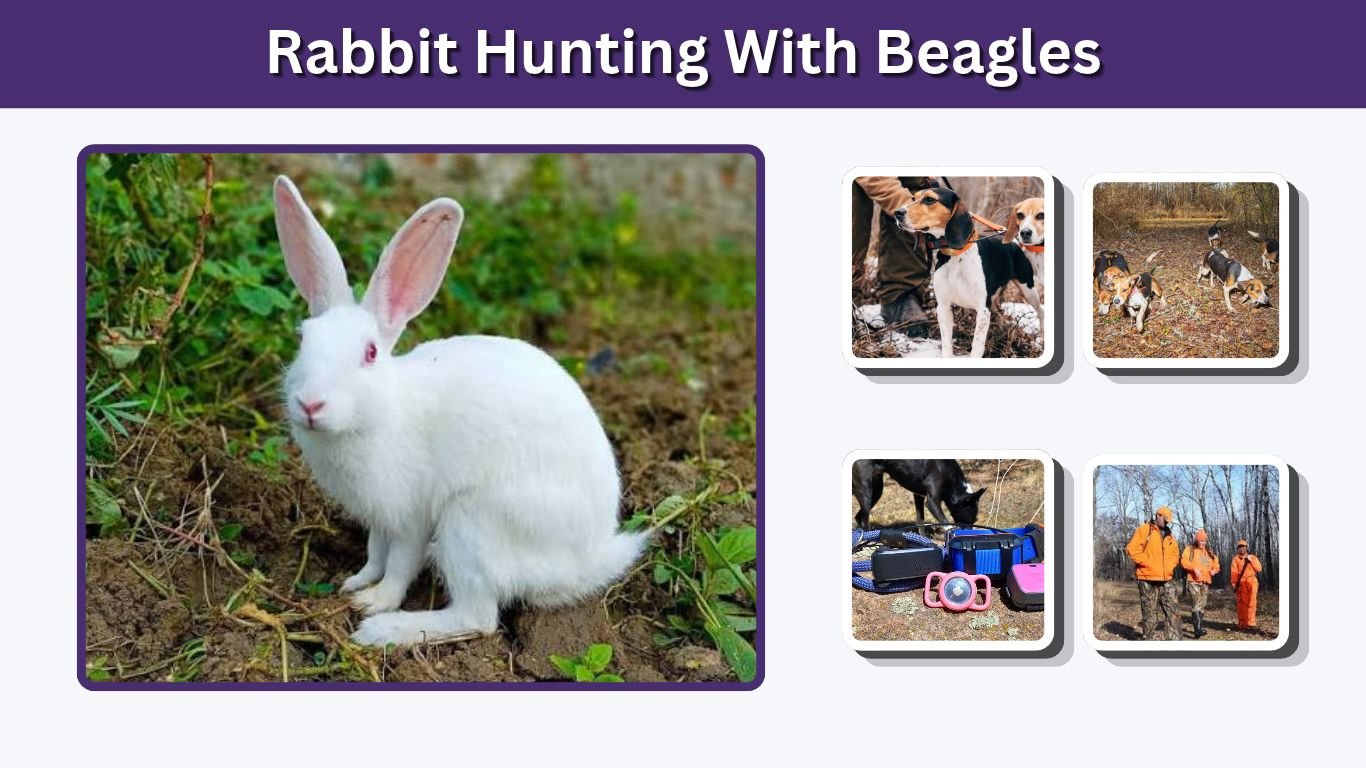
Rabbit hunting with beagles is a traditional hunting method that combines a dog’s natural tracking ability with a hunter’s patience and field knowledge. Beagles use their strong sense of smell to locate rabbits, follow their trails, and encourage them to move from thick cover. Whether hunting with one beagle or a small pack, understanding rabbit behavior is essential for a successful outing. This guide explains how to hunt rabbits with beagles, where to find them, the best hunting conditions, and practical tips for beginners.
Why Are Beagles Good for Rabbit Hunting?
Beagles are among the most popular rabbit-hunting dogs because of their excellent noses, compact bodies, and natural determination. Originally developed to follow rabbits and hares, these small scent hounds can navigate dense vegetation that larger dogs may struggle to enter. Their distinctive barking also helps hunters understand when the dogs have found a trail.
Strong Scent-Tracking Ability
A beagle’s powerful sense of smell allows it to detect and follow the scent rabbits leave behind as they move through vegetation.
When following a rabbit, a trained beagle works carefully along the scent trail. If the rabbit suddenly changes direction, the dog attempts to relocate the scent and continue tracking.
Beagles can also distinguish between fresh and older scent trails, although their success depends on experience and environmental conditions.
Natural Hunting Instincts
Beagles have a natural desire to search, explore, and follow animal scents. Their relatively short legs allow them to move through brush, while their endurance helps them maintain a trail.
Their vocalizations are particularly useful during hunting. When a beagle begins following a strong rabbit scent, it may bark repeatedly, allowing the hunter to follow the chase by sound.
How to Hunt Rabbits With Beagles

Hunting rabbits with beagles requires preparation, suitable habitat, and an understanding of how rabbits respond to pressure. Unlike hunting methods that rely mainly on spotting animals, beagling uses the dog’s tracking abilities to locate rabbits hiding in thick vegetation. Hunters must remain attentive to the dog’s movements and position themselves safely.
Step 1: Find Suitable Rabbit Habitat
Rabbits generally prefer locations that provide both food and protective cover. Searching suitable habitat increases the chances of finding fresh rabbit activity.
Common rabbit-hunting locations include:
- Thick brush piles and thorny vegetation
- Overgrown fields and grassy edges
- Woodland borders and hedgerows
- Abandoned agricultural fields
- Creek banks and wetland edges
- Dense shrubs near feeding areas
Look for rabbit tracks, droppings, feeding signs, and well-used paths through vegetation.
Step 2: Allow the Beagle to Find a Trail
Once you reach suitable hunting ground, allow your trained beagle to search the area where releasing dogs is permitted.
The dog may investigate several scents before locating a rabbit’s trail. Avoid constantly calling it back or interrupting its search.
When a beagle finds a promising trail, its behavior may change. It might lower its head, move more deliberately, or begin barking.
Experienced hunters learn to recognize these signals and distinguish active trailing from ordinary exploration.
Step 3: Understand the Rabbit’s Movement
One important aspect of rabbit hunting with beagles is understanding that cottontail rabbits often circle through familiar territory when pursued.
Rather than following directly behind the dog, hunters frequently wait near the area where the rabbit was first flushed.
The rabbit may eventually return toward that general location, although its exact path cannot be predicted.
Patience is important. Maintain a safe position, monitor the dog’s location, and never take a shot unless the rabbit and everything beyond it are clearly visible.
Can You Go Rabbit Hunting With One Beagle?

Yes, rabbit hunting with one beagle is possible, and many hunters enjoy working with a single well-trained dog. Although packs are traditional in some regions, one capable beagle can locate rabbits and maintain a scent trail independently. Success depends more on the dog’s training, confidence, experience, and hunting conditions than simply on the number of dogs.
Advantages of Hunting With One Beagle
Using one beagle offers several practical benefits:
- Easier to monitor and control the dog
- Less confusion when identifying barking and tracking behavior
- Lower costs for feeding, equipment, and veterinary care
- More opportunities to develop a close working relationship
- Simpler transportation and handling
A single beagle may occasionally lose a scent trail without another dog to help recover it. However, consistent practice can improve its tracking ability.
One Beagle vs. Multiple Beagles
| Feature | One Beagle | Multiple Beagles |
| Dog handling | Generally easier | Requires greater coordination |
| Trail tracking | Depends on one dog’s ability | Dogs may assist each other |
| Hunting pace | Often more controlled | May become faster or more active |
| Equipment cost | Lower | Higher |
| Best suited for | Beginners and solo hunters | Experienced handlers and groups |
Both approaches can be effective when the dogs are properly trained.
Best Places and Conditions for Rabbit Hunting
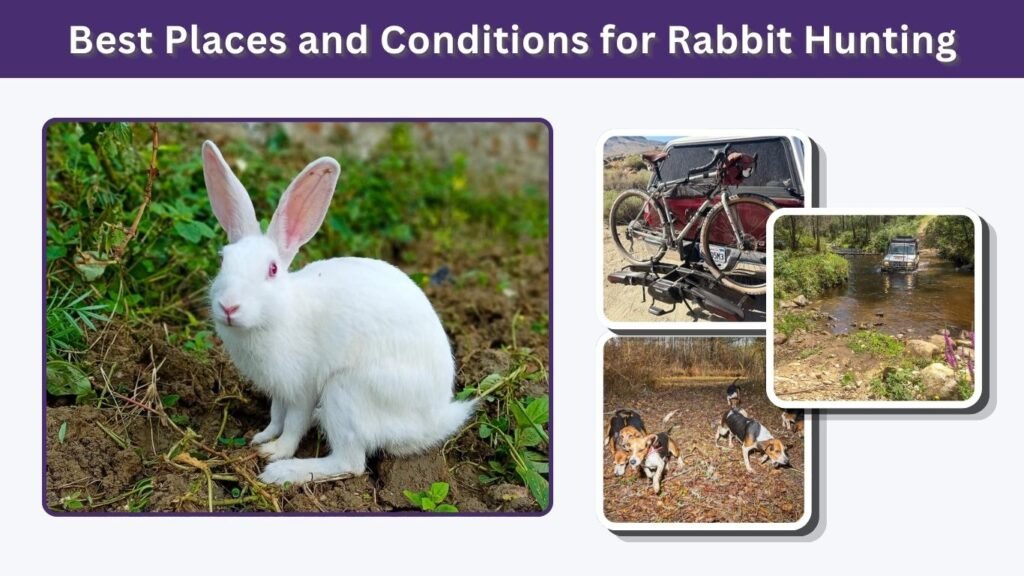
Choosing the right location and weather conditions can significantly influence a beagle’s ability to follow rabbit scents. Ground moisture, temperature, vegetation, and rabbit activity all affect the hunting experience. Conditions that support scent tracking while keeping dogs comfortable are particularly desirable, especially during longer trips.
Hunting Cottontail Rabbits
Eastern cottontails commonly inhabit brushy fields, woodland edges, hedgerows, and areas containing dense ground cover.
These rabbits often remain hidden until disturbed. Once flushed, they may travel through familiar cover and eventually circle toward the original area.
For successful cottontail hunting, focus on locations where thick vegetation meets open feeding areas.
Swamp Rabbit Hunting With Beagles
Swamp rabbit hunting with beagles is particularly popular in parts of the southern United States, including Louisiana, Mississippi, and neighboring states.
Swamp rabbits generally inhabit bottomland forests, wetlands, creek corridors, and areas containing dense vegetation near water.
Compared with ordinary cottontail hunting, swamp rabbit hunting may involve:
- Wet and muddy ground
- Dense cane or brush
- Larger areas of connected habitat
- Water crossings and flooded sections
Dogs working in these environments need excellent conditioning and reliable recall. Hunters must also watch for deep water, unstable ground, and other hazards.
What Weather Is Best?
Cool, moderately moist conditions are often favorable for rabbit hunting with beagles.
Slightly damp vegetation and soil may help scent remain detectable, although wind, temperature, and ground conditions can change tracking performance.
Very dry conditions may make trails harder for some dogs to follow.
Warm-weather rabbit hunting is possible where legally permitted, but heat and humidity increase the risk of overheating. Avoid strenuous outings in hot conditions, provide frequent water breaks, and stop immediately if a dog shows signs of heat stress.
How to Train a Beagle for Rabbit Hunting
Training is essential for developing a reliable rabbit-hunting beagle. Although the breed naturally enjoys following scents, young dogs still need guidance to work confidently and respond to their handlers. A structured training approach helps prevent unwanted chasing, improves control, and allows the dog to become comfortable with different outdoor environments.
Basic Training Steps
- Teach basic commands: Establish reliable recall, stay, and other essential obedience skills before fieldwork.
- Introduce rabbit scents: Allow the dog to investigate suitable scent trails in a controlled training environment.
- Practice in safe areas: Begin with short sessions in legal, enclosed, or otherwise controlled locations.
- Develop tracking confidence: Gradually expose the dog to different vegetation and terrain.
- Discourage unwanted chasing: Teach the beagle not to pursue deer, livestock, or other animals.
- Increase hunting duration gradually: Build stamina without overworking the dog.
Young beagles learn at different rates. Some become interested in rabbit scents early, while others need more time and consistent encouragement.
Avoid harsh training methods. Rewarding desirable behavior and providing regular practice can help build confidence.
Essential Rabbit Hunting Gear and Safety Tips
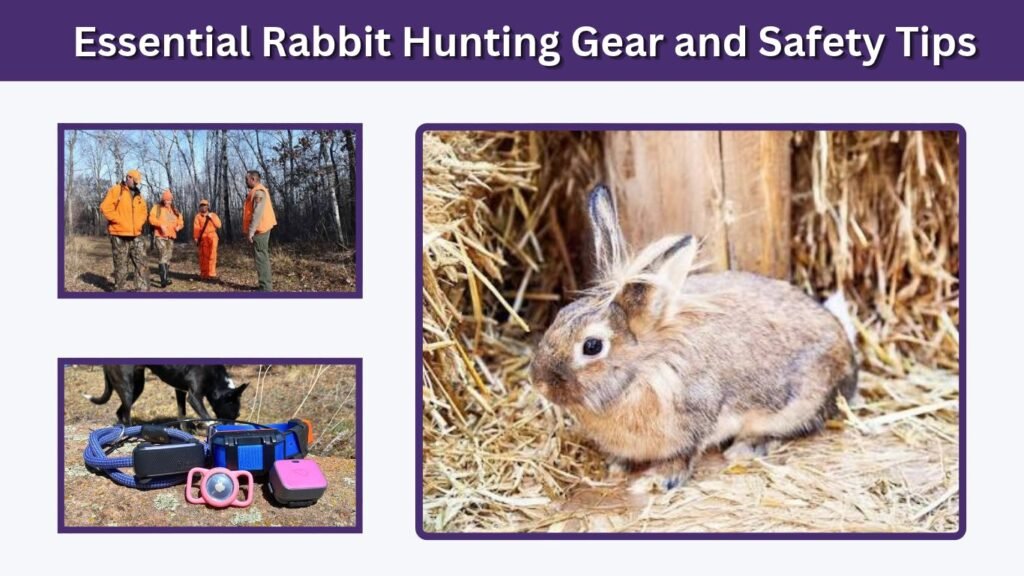
Rabbit hunting with beagles does not require complicated equipment, but a few essentials can improve comfort, visibility, and dog safety. Hunters should prepare for changing weather, difficult terrain, and unexpected situations. Checking local hunting regulations before entering the field is equally important because licensing requirements, hunting seasons, and dog restrictions vary by location.
Recommended Hunting Equipment
| Equipment | Purpose |
| Blaze-orange clothing | Helps other hunters identify your location |
| GPS dog-tracking collar | Helps monitor a dog’s location |
| Durable waterproof boots | Protects feet in muddy or wet terrain |
| Water and portable bowl | Keeps the beagle hydrated |
| First-aid supplies | Helps manage minor injuries |
| Navigation device | Helps prevent getting lost |
Important Safety Precautions
Always prioritize safety when hunting with dogs.
- Identify the rabbit clearly before considering a shot.
- Know where every dog and hunting partner is located.
- Never shoot toward thick vegetation or at movement you cannot identify.
- Follow all firearm safety rules and maintain a safe field of fire.
- Check dogs for injuries, ticks, and thorns after hunting.
- Obtain permission before hunting on private property.
Hunters should also confirm applicable rabbit seasons, bag limits, legal hunting methods, and public-land regulations.
Common Rabbit Hunting Mistakes to Avoid
Even experienced hunters encounter difficulties when hunting rabbits with beagles. Many unsuccessful outings result from poor preparation, unsuitable habitat, or misunderstanding how dogs follow scent. Recognizing common mistakes helps beginners improve their experience while protecting their dogs from unnecessary risks.
Some common mistakes include:
- Moving too quickly: Constant movement can interfere with waiting for a rabbit to circle back.
- Interrupting the dog: Repeatedly calling a beagle away may break its concentration.
- Ignoring wind and weather: Difficult scenting conditions may reduce tracking success.
- Overworking the dog: Long chases without rest can cause exhaustion.
- Choosing poor habitat: Areas without sufficient rabbit cover may produce little activity.
Improving these habits generally requires patience, careful observation, and consistent training rather than purchasing additional equipment.
FAQs
Can You Hunt Rabbits With Just One Beagle?
Yes, one properly trained beagle can successfully hunt rabbits. A single dog may take longer to locate and follow difficult scent trails, but it can still be effective. Hunting with one beagle is also easier to manage, especially for beginners learning how rabbits move through cover.
What Is the Best Time of Day for Rabbit Hunting With Beagles?
Early morning and late afternoon can be productive because rabbits often become more active around these periods. However, hunting success depends on season, temperature, weather, and local conditions. During colder months, rabbits may also be active during daylight hours, especially near feeding areas and protective cover.
Is Rabbit Hunting Good in Warm Weather With Beagles?
Rabbit hunting during warm weather is possible where seasons permit, but it requires extra caution. Heat and humidity can cause hunting dogs to overheat during prolonged activity. Shorter outings, access to shade, frequent breaks, and plenty of drinking water help reduce risks. Avoid extreme temperatures entirely.
Will Rabbit Hunting With Beagles Bother Deer?
Beagles may disturb deer while searching for rabbits, especially if deer are resting in the same habitat. Some inexperienced dogs may also begin following deer scents. Training beagles to focus on rabbits and respond to recall commands helps reduce unwanted deer chasing and improves hunting control.
Do Beagles Need Special Training to Hunt Rabbits?
Beagles naturally possess strong scent-tracking instincts, but effective rabbit hunting still requires training. Basic obedience, recall, scent recognition, and controlled field experience are important. Consistent practice helps a beagle become more reliable at following rabbit trails while remaining responsive to its handler during hunting activities.
