
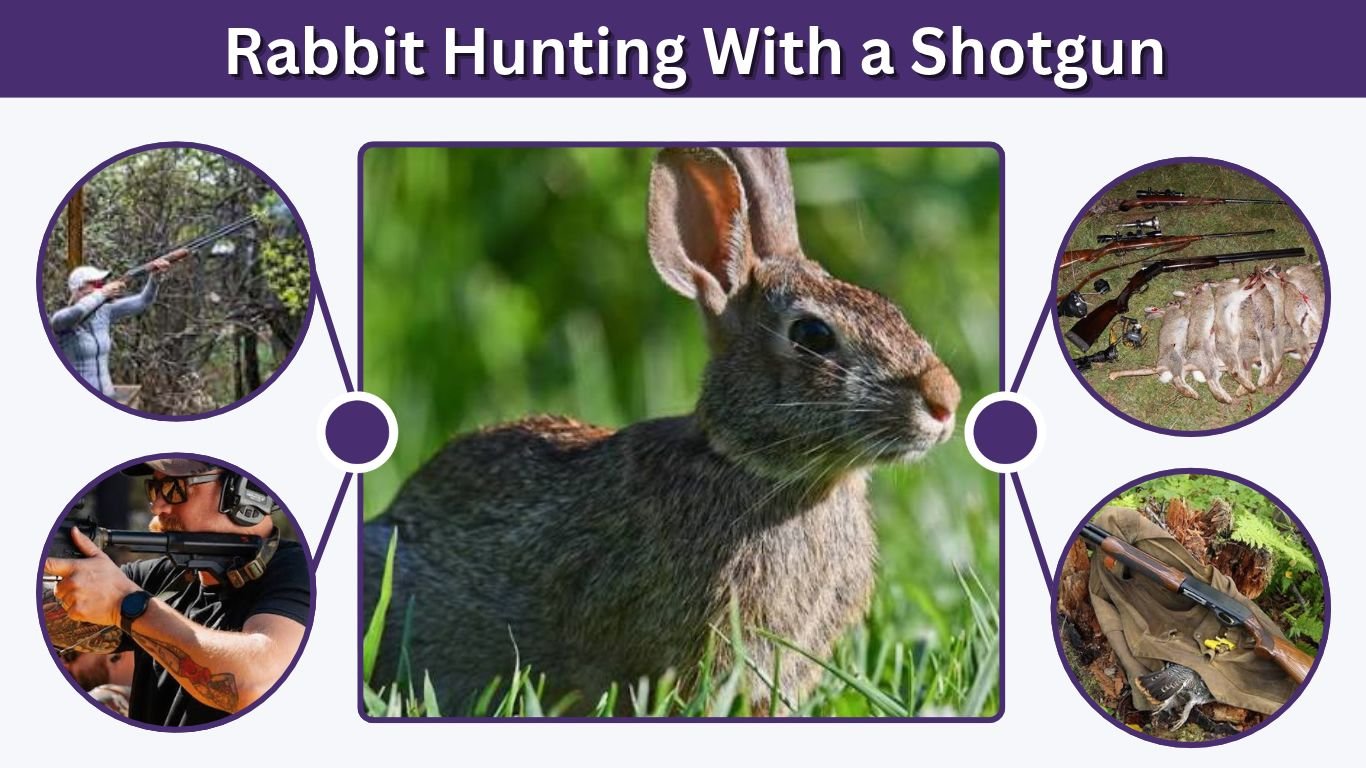
Rabbit hunting with a shotgun is a popular small-game hunting activity that combines outdoor adventure, patience, and practical shooting skills. Shotguns are especially useful for hunting rabbits because these animals often move quickly through grass, brush, and woodland edges. Choosing the right shotgun, gauge, ammunition, and choke can make a significant difference in comfort and hunting performance. Whether you prefer a 12-gauge, 20-gauge, or .410 shotgun, understanding your equipment and following proper safety practices will help you prepare for a responsible rabbit hunt.
Why Use a Shotgun for Rabbit Hunting?
A shotgun is a common choice for rabbit hunting because it fires multiple small pellets rather than a single bullet. This makes it suitable for situations involving moving rabbits in fields and brushy habitats. Shotguns also come in different gauges, weights, and operating styles, allowing hunters to select equipment that matches their experience and physical comfort.
Some advantages include:
- Versatility: Shotguns can be used for several types of small-game hunting.
- Moving targets: A shotgun’s pellet pattern is useful when rabbits are moving.
- Equipment options: Hunters can choose from pump-action, semi-automatic, and double-barrel models.
- Accessibility: Many hunting shotguns are available in configurations suitable for beginners.
- Field suitability: Lightweight models are convenient when walking through thick vegetation.
A .22 rifle is another traditional rabbit-hunting option. However, rifles fire a single projectile and require an especially reliable backstop. Shotguns are often preferred when hunting moving rabbits with dogs or other hunters.
Best Shotgun Gauge for Rabbit Hunting
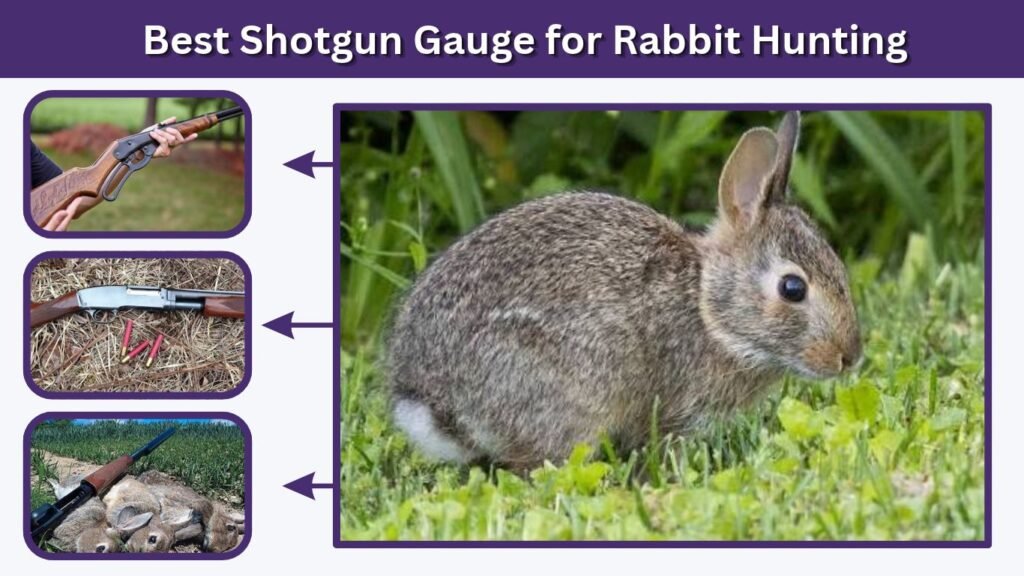
Choosing the best shotgun gauge for rabbit hunting depends on recoil tolerance, shotgun weight, experience, and hunting conditions. The three commonly discussed options are 12-gauge, 20-gauge, and .410 bore. Each has advantages, although the 20-gauge is frequently recommended as a balanced choice for small-game hunting.
12-Gauge Shotgun for Rabbit Hunting
A 12-gauge shotgun is versatile and widely used for different hunting activities. Its main advantages include broad ammunition availability and numerous shotgun configurations.
However, a 12-gauge can produce more recoil than smaller alternatives, depending on the load and firearm weight. Hunters should select ammunition appropriate for small game rather than assuming heavier loads are necessary.
20-Gauge Shotgun for Rabbit Hunting
A 20-gauge shotgun is an excellent all-around option for rabbit hunting. Many models are relatively lightweight, comfortable to carry, and manageable for extended field use.
The Missouri Department of Conservation identifies the 20-gauge as a popular rabbit-hunting choice. With an appropriate load, it provides a practical combination of performance, handling, and recoil comfort.
.410 Shotgun for Rabbit Hunting
The .410 bore is another option for experienced rabbit hunters who prefer a smaller firearm.
Unlike 12- and 20-gauge shotguns, the .410 is identified by its bore diameter. It typically carries a smaller pellet payload, making accurate shot placement and realistic range judgment especially important.
It is not automatically the best choice for beginners because its smaller shot pattern can be less forgiving.
| Shotgun size | Main advantage | Main consideration |
| 12-gauge | Versatile with many ammunition options | Recoil and weight |
| 20-gauge | Balanced handling and performance | Smaller payload than many 12-gauge loads |
| .410 bore | Small, lightweight options available | Less forgiving shot pattern |
| 28-gauge | Comfortable handling in many models | Ammunition availability |
For many hunters, the 20-gauge offers the best overall balance, although proper firearm fit matters more than gauge alone.
Best Types of Shotguns for Rabbit Hunting
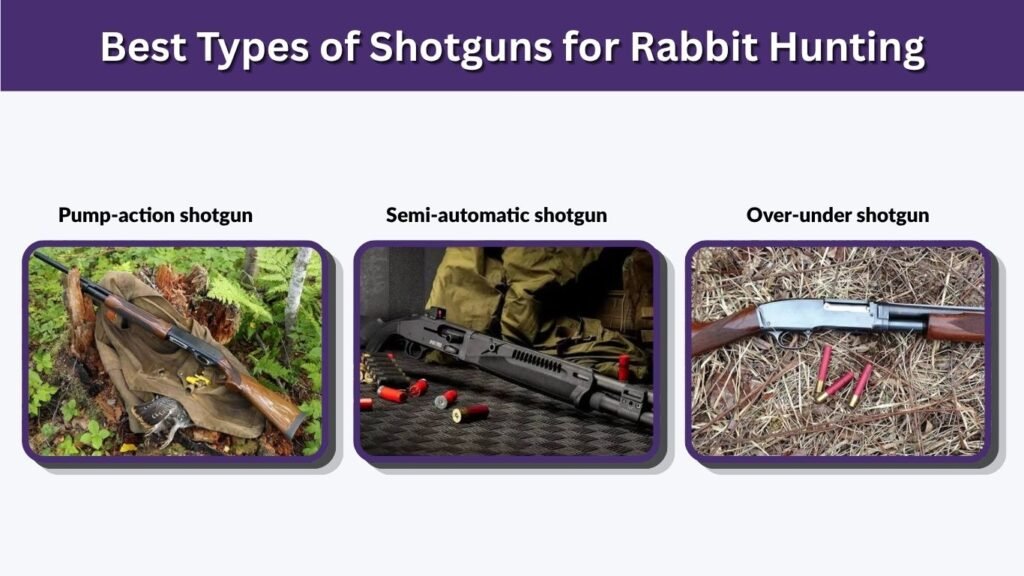
Shotgun action type influences handling, maintenance, and overall convenience in the field. Some hunters prefer simple, affordable designs, while others appreciate the handling characteristics of traditional double-barrel shotguns. There is no single best action for everyone, so familiarity, reliability, and personal comfort should guide the choice.
Common options include:
- Pump-action shotgun: A durable and generally affordable option with a manually operated action.
- Semi-automatic shotgun: Offers automatic cycling and may provide comfortable recoil characteristics, depending on its design.
- Over-under shotgun: Features two vertically arranged barrels and a traditional hunting design.
- Side-by-side shotgun: A classic double-barrel configuration popular with some small-game hunters.
- Single-shot shotgun: A straightforward design that is often inexpensive and relatively easy to maintain.
A properly fitted 20-gauge pump-action or double-barrel shotgun can be a practical choice for hunters who regularly walk through brushy habitat.
Best Shotgun Shells and Chokes for Rabbit Hunting
Shotgun shells and chokes influence the pattern produced by a firearm. Choosing suitable ammunition requires considering the shotgun manufacturer’s instructions, local regulations, shooting conditions, and humane hunting practices. Different loads can produce noticeably different results, even when fired from shotguns of the same gauge.
Best Shotgun Shells for Rabbits
No. 6 and No. 7½ shot are commonly associated with rabbit hunting. The Missouri Department of Conservation specifically identifies these sizes as useful options for 20-gauge rabbit hunters.
No. 6 pellets are larger than No. 7½ pellets, while smaller pellets generally produce a greater pellet count for a comparable payload.
Hunters should use factory ammunition compatible with their shotgun’s gauge, chamber length, and manufacturer specifications.
Some public hunting areas also require nontoxic ammunition. Steel, bismuth, and other approved shot materials can behave differently, so lead-shot recommendations should not automatically be applied to every alternative.
Best Shotgun Choke for Rabbit Hunting
A shotgun choke controls how widely pellets spread after leaving the barrel.
Improved cylinder and modified chokes are commonly discussed for rabbit hunting. An improved-cylinder choke produces a relatively open pattern, while a modified choke produces a tighter pattern.
The appropriate choice depends on the firearm, ammunition, and hunting conditions. Hunters should examine their shotgun’s pattern on a designated shooting range and follow the manufacturer’s instructions before hunting.
How to Hunt Rabbits With a Shotgun
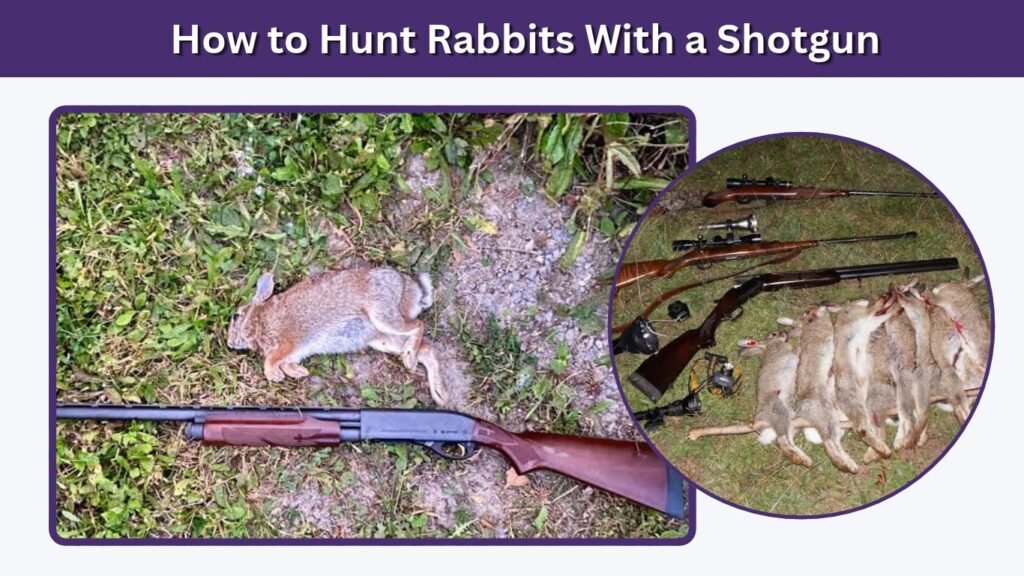
Successful rabbit hunting begins with understanding rabbit habitat and behavior. Rabbits frequently use dense vegetation for shelter and visit nearby open areas to feed. Hunters may encounter them along field edges, overgrown fence lines, woodland borders, and brush piles. Scouting these locations can improve the overall hunting experience.
Finding Rabbit Hunting Locations
Look for places that provide food, shelter, and escape cover.
Promising habitats include:
- Brushy woodland edges and overgrown fields.
- Hedgerows bordering agricultural land.
- Grassy areas with thick shrubs.
- Brush piles and overgrown fence lines.
Rabbit tracks, droppings, and clipped vegetation can indicate activity. Early mornings and late afternoons are often productive times to observe rabbits, although weather and seasonal conditions influence their behavior.
Rabbit Hunting With Dogs
Hunting rabbits with dogs, particularly beagles, is a traditional hunting method.
Trained dogs use scent to locate and follow rabbits through thick vegetation. Hunters must communicate clearly and keep track of every dog and person throughout the hunt.
A rabbit should never be fired upon when a dog, another hunter, or an uncertain background creates a safety risk.
Rabbit Hunting Without Dogs
Rabbit hunting without dogs is also possible. Hunters can explore suitable habitat on foot while observing tracks, feeding signs, and places where rabbits may shelter.
Moving carefully and paying attention to surrounding vegetation helps hunters recognize rabbit activity.
Regardless of the approach, always identify the species correctly and confirm that hunting is permitted in the area.
Essential Shotgun Rabbit Hunting Safety Tips
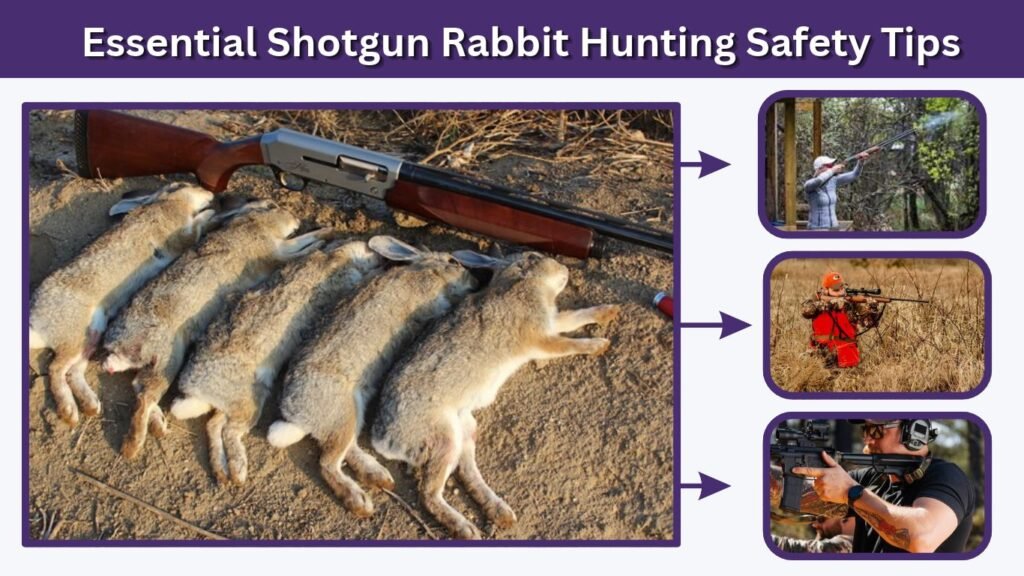
Safety is the most important part of hunting rabbits with a shotgun. Dense vegetation can hide other hunters, dogs, livestock, and nearby property. Moving animals may also cross an unsafe shooting direction unexpectedly. Hunters should complete an approved hunter-education course and understand their firearm before participating in a hunt.
Important precautions include:
- Wear blaze orange: Bright clothing makes hunters easier to identify in thick vegetation.
- Maintain muzzle control: Always keep the shotgun pointed in a safe direction.
- Identify the target: Never fire without knowing exactly what the target is and what lies beyond it.
- Respect shooting zones: Establish safe directions with hunting partners before entering the field.
- Keep your finger off the trigger: Maintain proper trigger discipline until ready for a lawful, safe shot.
- Protect hunting dogs: Never shoot toward a dog or when its position is uncertain.
- Unload when appropriate: Unload the shotgun before crossing obstacles, entering vehicles, or navigating situations requiring additional care.
Before hunting, verify local seasons, licenses, bag limits, legal species, firearm restrictions, and ammunition requirements.
Regulations vary significantly between states and countries. Some locations also restrict particular hunting methods or require nontoxic shot on designated land.
FAQs
What Is the Best Shotgun for Rabbit Hunting?
A lightweight 20-gauge shotgun is a popular all-around choice for rabbit hunting. Pump-action, semi-automatic, and double-barrel models can all be suitable. The best option depends on firearm fit, recoil comfort, reliability, and the hunter’s experience with safely handling the shotgun.
Is a 12-Gauge Shotgun Too Powerful for Rabbits?
A 12-gauge shotgun is not inherently too powerful for rabbit hunting. It can be suitable when used with appropriate small-game ammunition. However, heavier loads may create unnecessary recoil and meat damage. Hunters should choose compatible ammunition and follow local hunting regulations.
Is a .410 Shotgun Good for Rabbit Hunting?
A .410 shotgun can be used for rabbit hunting, but its smaller pellet payload makes it less forgiving than larger gauges. Experienced hunters may appreciate its compact dimensions. Beginners should focus on proper training, firearm fit, and understanding the limitations of their equipment.
What Is the Best Shotgun Barrel Length for Rabbit Hunting?
Shotgun barrels around 26 to 28 inches are common on field-hunting models. Shorter configurations may feel easier to carry through thick vegetation, while longer barrels can provide a different balance and swing. The ideal barrel length depends on firearm fit and individual preference.
Can You Hunt Rabbits With a Shotgun Without Dogs?
Yes. Rabbits can be hunted without dogs by exploring suitable habitat and watching for signs of activity. Overgrown fields, woodland edges, hedgerows, and brush piles are common rabbit habitats. Always obtain necessary permissions and follow local hunting regulations and firearm safety requirements.
