
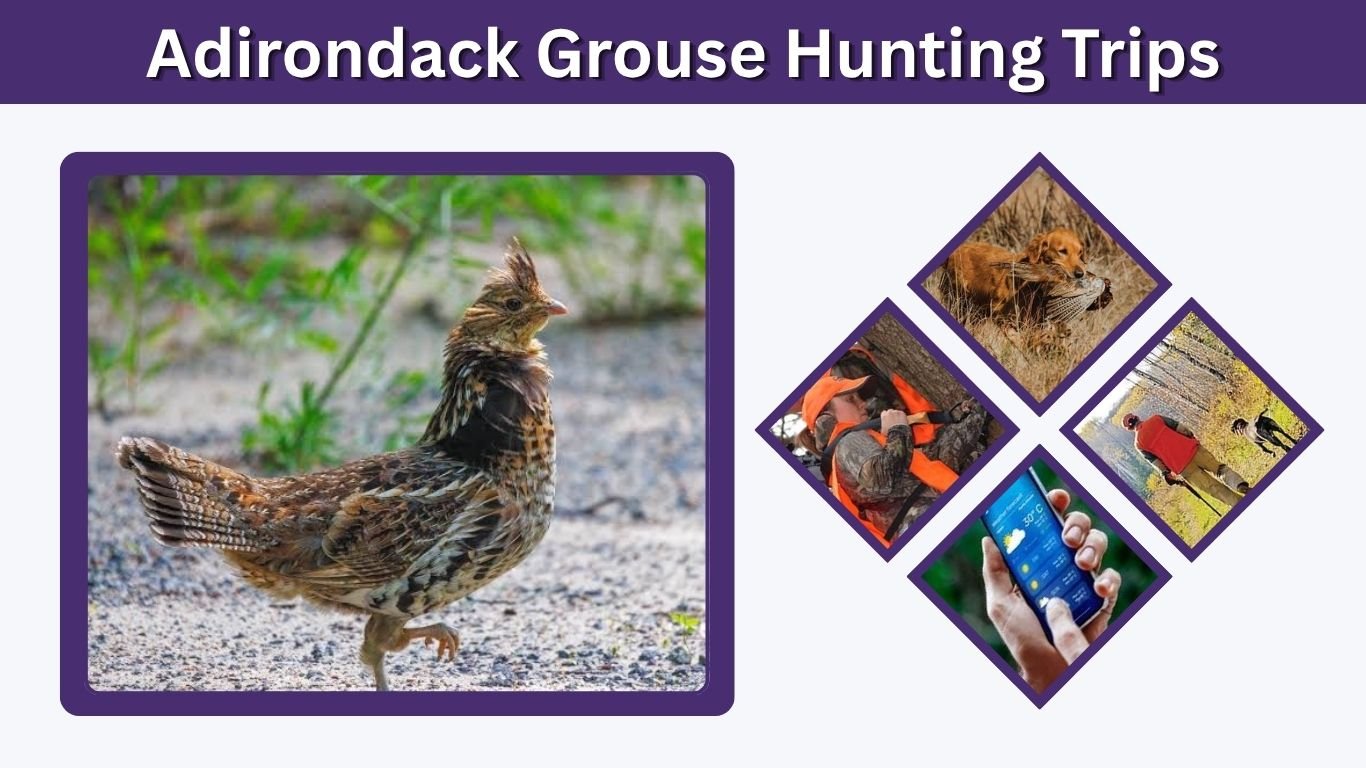
Adirondack grouse hunting trips offer an exciting way to explore the forests of northern New York while pursuing one of North America’s most challenging upland game birds. The Adirondack Mountains provide extensive woodland habitat, beautiful autumn scenery, and opportunities for both guided and independent hunting.
Ruffed grouse are known for their sudden, powerful flight and ability to disappear into thick vegetation. Finding these birds requires patience, knowledge of their habitat, and careful movement through the forest. Whether you’re planning your first outing or looking for a new hunting destination, understanding the best locations, seasons, equipment, and hunting regulations will help you prepare for a rewarding Adirondack experience.
Why Choose the Adirondacks for Grouse Hunting?
The Adirondack region covers millions of acres of forested terrain, with a mixture of hardwood trees, conifers, wetlands, and woodland openings.
These landscapes offer opportunities to find the dense cover preferred by ruffed grouse. However, not every forest provides equally good habitat. Younger stands with thick vegetation typically offer better hunting opportunities than extensive areas of mature, open woodland.
Several features make the Adirondacks attractive to grouse hunters:
- Extensive forests: Large wooded landscapes offer numerous areas to explore.
- Suitable habitat: Young hardwood growth, brushy openings, and woodland edges can support ruffed grouse.
- Public hunting opportunities: Many state-managed properties allow regulated hunting.
- Guided trips: Licensed hunting guides can help visitors navigate unfamiliar terrain.
- Scenic surroundings: Autumn foliage, mountain landscapes, and quiet forest trails add to the experience.
The Adirondacks are particularly appealing to hunters who enjoy walking through natural woodland habitat rather than hunting from a fixed location.
Best Places for Grouse Hunting in the Adirondacks
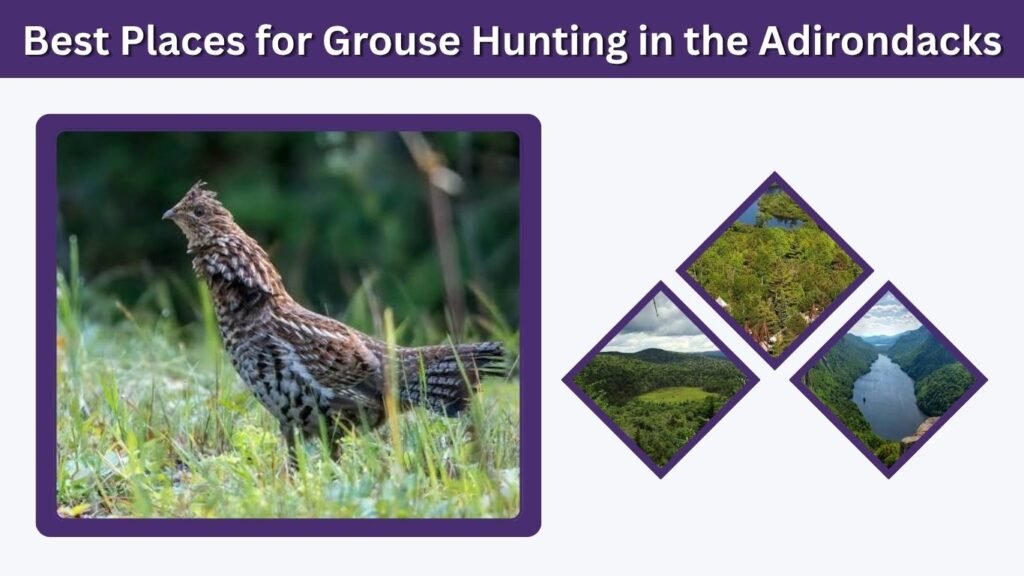
Finding productive grouse cover is more important than choosing an area simply because it contains thousands of acres of forest.
1. Western Adirondacks
The western Adirondacks contain a combination of hardwood forests, wetland edges, and naturally disturbed woodland.
Hunters can investigate areas with young aspen, birch, and other dense vegetation. Forest edges near streams and recently disturbed patches may provide food and shelter for ruffed grouse.
Some areas are remote, so checking public access and parking arrangements before arriving is important.
2. Saranac Lakes Region
The Saranac Lakes region includes forested areas where ruffed grouse occur, especially around blowdown areas and wetland margins.
Hunters should concentrate on legally accessible locations with dense understory vegetation. Small openings between younger and older forest stands can be worth investigating.
Because spruce grouse also occur in parts of this region, identifying the species correctly is essential.
3. Southern and Central Adirondacks
Parts of the central and southern Adirondacks contain mixed forests, streams, and woodland openings that may support grouse.
Look for accessible areas with regenerating hardwoods, thick shrub cover, and natural disturbances.
Hunters should check current property maps, local restrictions, and habitat conditions before selecting a destination.
Best Time for Adirondack Grouse Hunting Trips
Autumn is generally the most popular period for grouse hunting in the Adirondacks. Cooler weather makes extended woodland walks more comfortable, while changing foliage creates excellent scenery.
Early Fall: September to October
Early fall offers relatively mild temperatures and opportunities to find birds in dense vegetation.
However, thick leaves can make visibility difficult. Grouse may flush suddenly from cover, leaving only a brief opportunity to identify the bird.
Waterproof clothing is useful because vegetation frequently remains wet during morning outings.
Late Fall: November
November can be an appealing period for experienced hunters.
As leaves fall, visibility through the forest often improves. Cooler weather also makes strenuous walking more comfortable, although shorter daylight hours require careful planning.
Hunters should be aware of overlapping deer seasons and other people using public land.
Winter: December to February
Winter grouse hunting can be challenging because snow, ice, and freezing temperatures affect access and travel.
Birds may use protective conifer cover and sheltered woodland areas during severe weather.
Hunters need appropriate winter clothing, navigation equipment, and awareness of changing conditions.
Guided Grouse Hunting in the Adirondacks
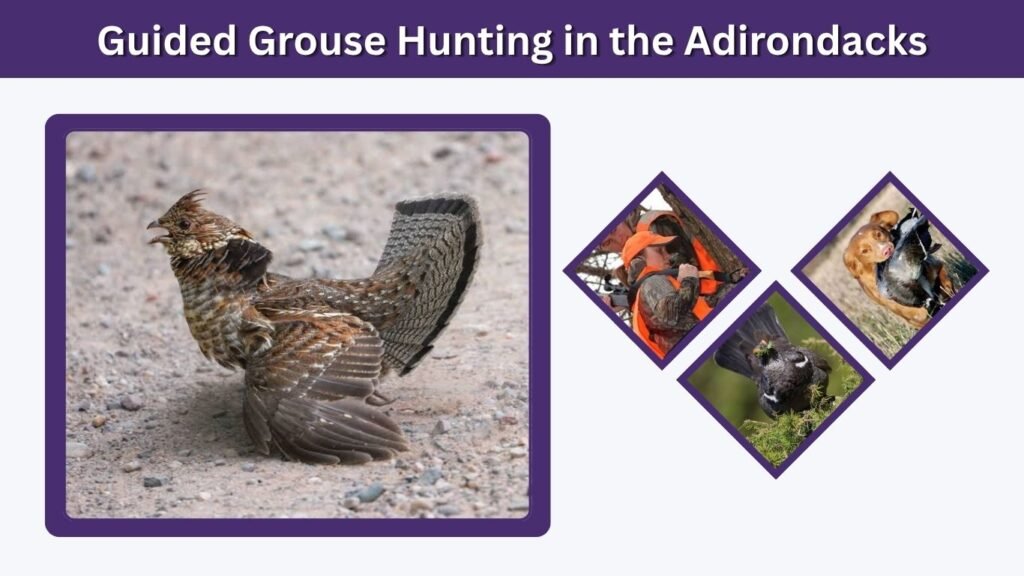
Guided grouse hunting in the Adirondacks is an attractive option for visitors who are unfamiliar with the region.
An experienced guide can help hunters identify promising habitat, understand access arrangements, and organize a practical day in the field.
Some guides also work with trained bird dogs, which can help locate grouse hidden in dense woodland vegetation.
What Does a Guided Hunting Trip Include?
Services vary among outfitters, but a guided grouse hunting trip may include:
- Local knowledge of grouse habitat
- Assistance selecting suitable hunting areas
- Access planning and navigation
- Bird dogs, where offered
- Guidance on hunting methods and field safety
- Information about local conditions and regulations
Hunters should confirm whether transportation, meals, lodging, and equipment are included before booking.
How to Choose a Grouse Hunting Guide
Look for a properly licensed New York hunting guide with experience pursuing ruffed grouse in the Adirondack region.
Ask about the typical distance covered each day, the difficulty of the terrain, group size, and whether dogs are available.
A responsible outfitter should explain that wild bird encounters cannot be guaranteed.
Guided vs. Self-Guided Grouse Hunting
Both options offer different advantages depending on experience and budget.
| Feature | Guided Hunting | Self-Guided Hunting |
| Local knowledge | Provided by guide | Requires research |
| Trip planning | Usually assisted | Hunter handles planning |
| Bird dogs | May be included | Hunter provides own |
| Cost | Higher | Usually lower |
| Flexibility | Based on arrangement | More independent |
| Best suited for | Beginners and visitors | Experienced hunters |
Guided trips can shorten the learning curve, while independent hunting allows visitors to explore at their own pace.
How to Find Ruffed Grouse in the Adirondacks
Understanding grouse habitat is one of the most important parts of planning a successful trip.
Ruffed grouse prefer areas that provide food, concealment, and protection from predators.
Look for Young Forest Growth
Young forests often contain closely spaced trees and thick vegetation that provide valuable cover.
Aspen stands, regenerating hardwoods, and areas recovering from natural disturbances are particularly worth investigating.
Large stretches of mature forest with little understory may support fewer grouse.
Explore Woodland Edges
Transitions between different vegetation types can be productive.
Look for places where:
- Young hardwood growth meets older forest
- Dense shrubs border woodland openings
- Wetland edges connect with mixed forest
- Regenerating vegetation surrounds natural clearings
Grouse may feed near these areas before moving back into protective cover.
Watch for Signs of Grouse Activity
Hunters sometimes discover grouse near woodland roads, where birds pick up small stones that assist digestion.
Fresh droppings, tracks in snow, and previous bird sightings can also indicate activity.
However, signs do not guarantee that birds will remain in the same location.
How to Hunt Grouse in Thick Forests
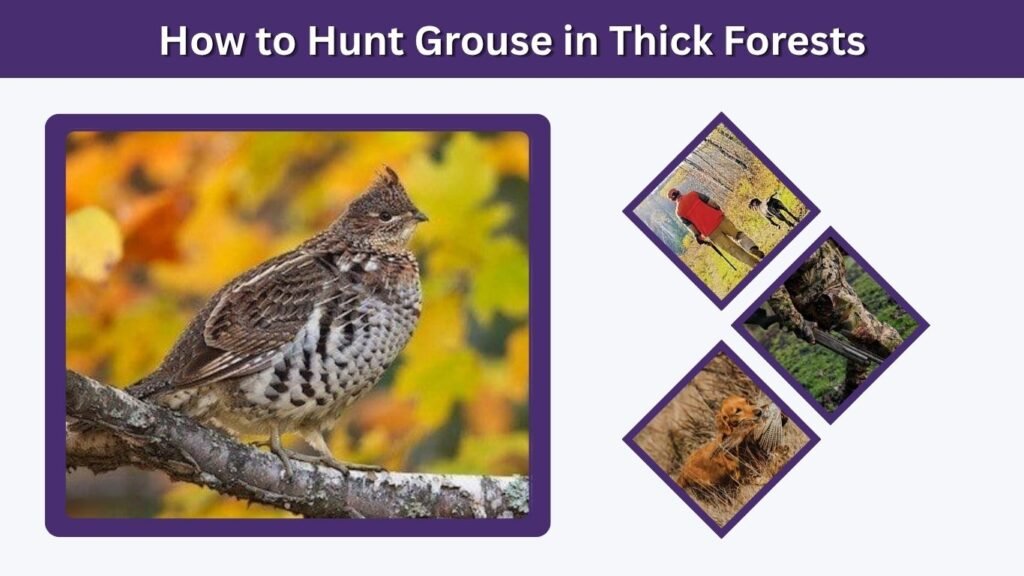
Grouse hunting usually involves moving through suitable habitat while watching and listening for birds.
These birds often remain motionless until a person approaches closely. When disturbed, they may take off with a sudden burst of wingbeats.
Walk Slowly and Stay Alert
Move carefully through accessible woodland areas and periodically pause to observe the surroundings.
Avoid rushing through dense vegetation. Sudden movement and poor visibility can make identifying birds difficult.
Always maintain awareness of other hunters, dogs, trails, and nearby structures.
Hunting With Bird Dogs
Trained flushing and pointing dogs can be valuable companions during ruffed grouse hunts.
They help hunters locate birds that might otherwise remain concealed.
Dogs also require conditioning, hydration, and protection from difficult terrain.
Keep dogs under control and ensure that everyone understands the hunting arrangement before entering the field.
Essential Grouse Hunting Gear
Choosing comfortable, reliable equipment is important for walking through thick Adirondack woodland.
| Equipment | Why It Matters |
| Weather-resistant boots | Help manage wet, uneven terrain |
| Protective trousers | Reduce discomfort from brush |
| Blaze-orange clothing | Improves hunter visibility |
| GPS or map and compass | Helps with navigation |
| Layered clothing | Adapts to changing temperatures |
| Water and snacks | Supports extended outdoor activity |
| First-aid kit | Helps manage minor injuries |
| Appropriate lawful hunting equipment | Supports a properly planned hunt |
Carry only equipment suitable for your experience and the applicable regulations.
Because Adirondack weather can change quickly, extra clothing and a reliable communication plan are particularly useful.
How to Plan a Two-Day Adirondack Grouse Hunting Trip
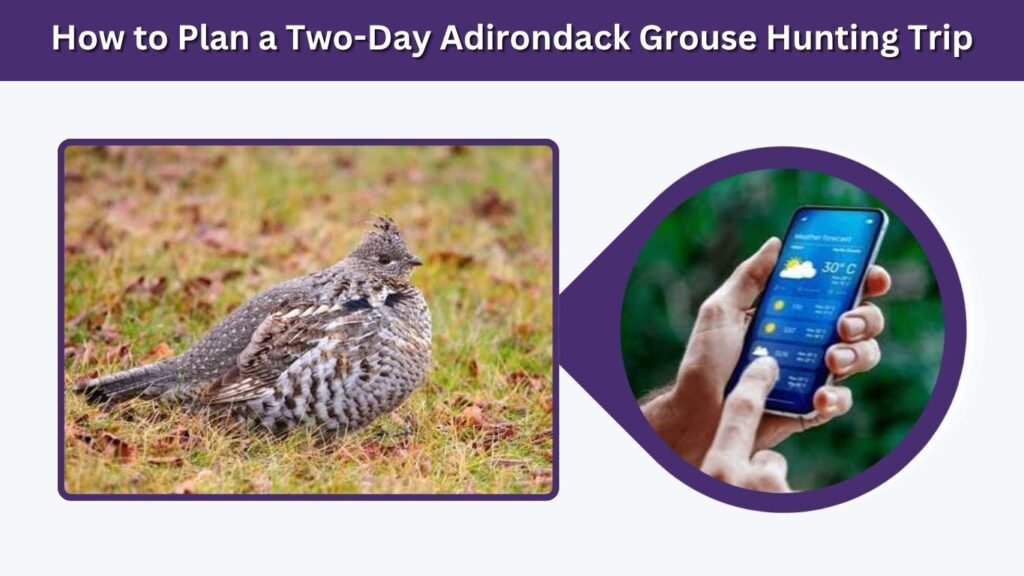
A two-day trip provides additional time to explore different habitats without rushing.
Day 1: Explore Promising Cover
Begin by checking the weather forecast, hunting regulations, and access conditions.
Spend the morning investigating accessible young forest and woodland edges.
Take breaks, record observations, and note areas where birds were seen or heard.
In the afternoon, explore another nearby habitat if time and conditions permit.
Day 2: Focus on Productive Habitat
Review the previous day’s observations before choosing where to hunt.
Return to promising cover or investigate similar habitat nearby.
Adjust your plans according to weather, ground conditions, and physical energy.
Allow enough time to return safely before darkness.
Adirondack Grouse Hunting Season and Regulations
For the 2026–2027 season, ruffed grouse hunting in New York’s Northern Zone runs from September 20, 2026, through February 28, 2027.
The daily bag limit is four ruffed grouse, and legal hunting hours are sunrise to sunset.
Hunters must have the appropriate New York hunting license and comply with the rules for the specific Wildlife Management Unit.
Important Spruce Grouse Protection
Spruce grouse are endangered in New York and cannot legally be hunted.
They occur in parts of the Adirondacks, particularly Wildlife Management Units 5C, 5F, 6F, and 6J.
Hunters must positively identify a bird as a legal species before considering a shot. When identification is uncertain, allow the bird to leave undisturbed.
Always check the latest New York Department of Environmental Conservation regulations before hunting.
FAQs
1. Is the Adirondacks a Good Place for Grouse Hunting?
Yes. The Adirondacks offer extensive forests and opportunities to hunt ruffed grouse. Success depends on finding suitable young forest habitat rather than simply covering large areas.
2. Do You Need a Guide for Adirondack Grouse Hunting?
No. Experienced hunters can plan independent trips where hunting is legally permitted. However, a licensed guide may be helpful for visitors unfamiliar with Adirondack terrain and local hunting opportunities.
3. What Is the Best Month for Grouse Hunting in the Adirondacks?
October and November are popular choices. October offers classic autumn conditions, while November may provide improved visibility after leaves fall. Actual conditions vary with weather and habitat.
4. Can Beginners Go Grouse Hunting in the Adirondacks?
Yes. Beginners can participate after meeting applicable licensing and hunter-education requirements. A properly licensed guide or experienced hunting companion can help newcomers learn field safety and habitat identification.
5. Are Grouse Hunting Trips in the Adirondacks Expensive?
Costs depend on the outfitter, trip length, group size, and included services. A guided hunt with dogs and lodging usually costs more than an independent day trip. Request a detailed price breakdown before booking.
