

Kansas quail hunting offers excellent opportunities for hunters looking to pursue wild bobwhite quail across grasslands, agricultural fields, and open prairies. The state is known for its upland bird habitat, accessible public hunting areas, and opportunities to hunt both quail and pheasants. Whether you prefer guided quail hunts in Kansas or exploring public land independently, understanding the hunting season, regulations, and productive habitats is essential. This guide covers the best hunting locations, current season dates, licenses, hunting forecasts, and practical tips for a successful trip.
Kansas Quail Hunting Season and Regulations
The Kansas quail hunting season generally begins in November and continues through January. The Kansas Department of Wildlife and Parks (KDWP) establishes statewide hunting regulations, including bag limits, shooting hours, and licensing requirements. Hunters should review the current regulations before entering the field because certain wildlife areas have additional restrictions.
Kansas Quail Hunting Season 2026–2027
The official hunting schedule includes:
- Youth and disability season: November 7–8, 2026.
- Regular season: November 14, 2026–January 31, 2027.
- Daily bag limit: 8 quail per hunter.
- Shooting hours: 30 minutes before sunrise until sunset.
- Hunting area: Statewide, subject to property-specific regulations.
Both northern bobwhite and scaled quail occur in Kansas, although bobwhite quail are considerably more widespread.
Kansas Quail Hunting License Requirements
Hunters must possess the appropriate Kansas hunting license unless legally exempt. Residents ages 16–74 generally need a resident hunting license, while nonresidents must obtain the appropriate nonresident license regardless of age.
Most hunters born on or after July 1, 1957, must complete hunter education, subject to applicable exceptions and apprentice-license provisions.
Hunters should also check possession limits, legal equipment restrictions, and property-specific rules before hunting.
Best Places for Quail Hunting in Kansas
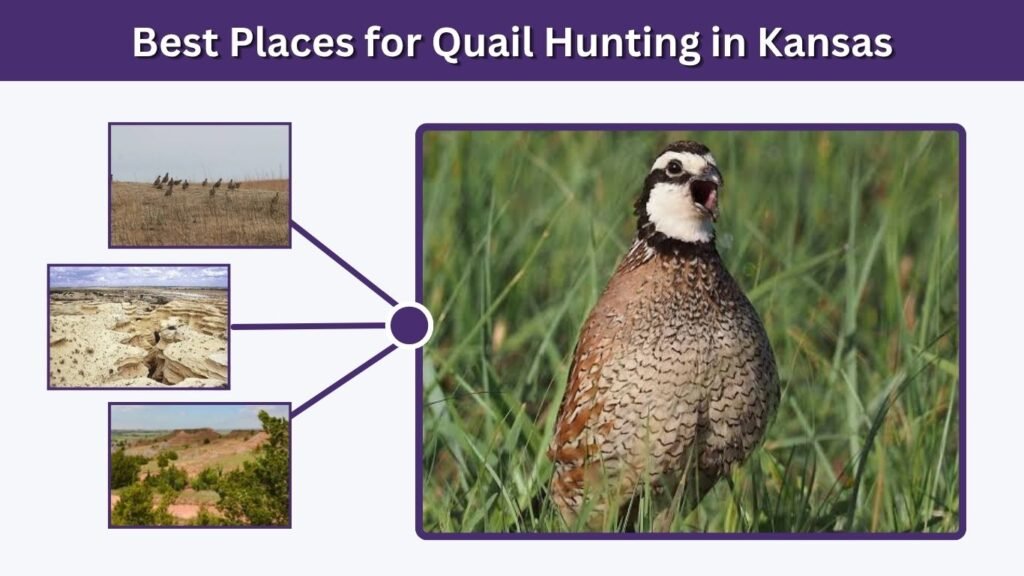
Kansas provides diverse hunting habitats, but quail populations are not evenly distributed throughout the state. Productive areas generally contain a combination of native grasses, brushy cover, food sources, and protected nesting habitat. The following regions are worth considering when planning a Kansas quail hunt.
1. Flint Hills Kansas Quail Hunting
The Flint Hills are among the state’s most recognizable upland hunting destinations. Expansive native grasslands, scattered shrubs, and agricultural edges create suitable habitat for northern bobwhite quail.
Hunters should concentrate on grasslands near brushy draws, wooded edges, and suitable feeding areas. Properties with varied vegetation often provide better hunting opportunities than uniformly short or heavily grazed pasture.
2. Smoky Hills Kansas Quail Hunting
The Smoky Hills of north-central Kansas offer rolling terrain, mixed grasslands, agricultural fields, and conservation areas.
This region can provide productive quail hunting, especially where nesting cover meets crop fields and shrub-filled draws. Bird numbers fluctuate with weather and breeding success, so checking current regional reports is important before selecting a location.
3. South-Central Kansas Quail Hunting
South-central Kansas is another promising destination for wild bobwhite hunting. The region contains prairie grasslands, streamside vegetation, and agricultural landscapes that provide essential food and shelter.
Areas around the Red Hills and suitable grassland habitats can offer good opportunities. However, public access may be more limited than in some western regions, making advance planning particularly valuable.
4. Southwest Kansas Quail Hunting
Southwest Kansas provides opportunities to encounter bobwhite quail and, in suitable sand-sage habitat, scaled quail.
Hunters should explore grassy fields, shrub cover, and riparian corridors. Bird populations in this region are especially sensitive to rainfall, drought, and seasonal vegetation conditions.
Kansas Public Land Quail Hunting
Public land quail hunting in Kansas is an attractive option for hunters who do not own private property or want an affordable self-guided experience. Kansas provides access through state wildlife areas, certain federal lands, and the Walk-In Hunting Access program. However, the availability and quality of suitable habitat vary significantly between properties.
Best Public Quail Hunting Access Options
Popular public-access opportunities include:
- Walk-In Hunting Access (WIHA): Privately owned properties enrolled for public hunting during designated periods.
- State wildlife areas: Public properties offering hunting opportunities under site-specific regulations.
- Federal hunting lands: Certain federally managed properties where upland hunting is permitted.
- Interactive WIHA (iWIHA): Access areas that may require online check-in and have additional restrictions.
Hunters should consult the current Kansas Hunting Atlas to confirm boundaries, open dates, and permitted activities.
Guided and Self-Guided Kansas Quail Hunts
Guided quail hunts in Kansas often include experienced guides, trained bird dogs, and access to suitable private hunting properties.
Self-guided hunts provide more flexibility and may cost less, but require additional scouting and navigation.
When selecting a hunting outfitter, ask whether the trip involves wild birds or released birds, what equipment is included, and whether lodging is available.
Commercial guiding is not permitted on KDWP-managed public lands, including WIHA properties.
Kansas Quail Hunting Forecast for 2026

The Kansas quail hunting forecast helps hunters understand regional bird populations and habitat conditions before the season. Rainfall, winter survival, nesting success, and summer temperatures can influence how many birds are available during fall hunting. Forecasts provide useful guidance, but they cannot guarantee successful hunting on individual properties.
Quail Population and Habitat Conditions
The 2026 outlook from Quail Forever is cautiously optimistic. Favorable winter conditions supported adult bird survival, while widespread rainfall improved grassland vegetation and insect availability.
However, heavy rainfall during nesting periods and periods of extreme summer heat may have affected chick survival in some areas.
Central and north-central Kansas have shown encouraging bird observations, although local conditions remain variable.
Finding Reliable Kansas Quail Hunting Reports
Hunters should compare annual forecasts with local observations rather than relying on one statewide estimate.
Useful information includes regional brood surveys, habitat conditions, rainfall records, and reports from wildlife managers. Hunting forums can provide additional observations, but personal reports should not be treated as verified population estimates.
Scouting productive cover is often more useful than relying entirely on previous seasons’ reports.
How to Hunt Quail in Kansas Successfully
Successful wild quail hunting in Kansas requires finding suitable cover and approaching birds carefully. Bobwhite quail frequently form coveys that remain close to vegetation offering both protection and food. Understanding these habits can help hunters locate birds while minimizing unnecessary disturbance.
Identify Productive Quail Habitat
Focus your search on the following habitat features:
- Native grasslands: Provide nesting areas and protective cover.
- Brushy field edges: Offer shelter from predators and harsh weather.
- Agricultural borders: Provide access to seeds, grains, and insects.
- Shrubby creek corridors: Create protected travel and feeding areas.
- Mixed vegetation: Offers a combination of nesting, feeding, and escape cover.
Avoid assuming that every large grassy field contains quail. Habitat structure and nearby food sources are more important than acreage alone.
Hunting with Bird Dogs
Pointing breeds such as English pointers, setters, and German shorthaired pointers are popular for Kansas quail hunting.
Well-trained dogs help locate concealed birds and identify coveys before they flush. Hunters should maintain clear communication and avoid shooting when dogs or other hunters are within the line of fire.
Early morning and late afternoon can offer productive hunting conditions, although weather, feeding activity, and hunting pressure influence bird movement throughout the day.
Essential Equipment for Kansas Quail Hunting

Kansas hunting conditions range from mild autumn temperatures to freezing winter weather. Proper clothing and equipment improve comfort, safety, and efficiency, especially when walking through dense grass or covering long distances on public land.
Recommended equipment includes:
- A suitable legal shotgun and ammunition.
- Sturdy waterproof hunting boots.
- Blaze-orange clothing for visibility.
- Durable upland hunting pants or brush chaps.
- A hunting vest with storage and a game pouch.
- Water, navigation tools, and basic first-aid supplies.
Some public hunting properties require non-toxic shotgun ammunition, so confirm local restrictions before selecting your loads.
Kansas Pheasant and Quail Hunting
Kansas also offers opportunities to hunt pheasants and quail during the same trip. Some central and western areas contain overlapping habitat, making combination hunts possible.
Pheasants frequently use agricultural cover, grasslands, and crop edges, while bobwhite quail often prefer areas with additional brushy shelter.
Hunters must follow the separate bag limits and other regulations applicable to each species.
FAQs
1. When Does Quail Hunting Season Start in Kansas?
The regular Kansas quail hunting season begins on November 14, 2026, and ends on January 31, 2027. A separate youth and disability season takes place November 7–8, 2026. Hunters should verify regulations before planning future seasons.
2. Where Is the Best Quail Hunting in Kansas?
The Flint Hills, Smoky Hills, South-Central Prairies, and parts of southwest Kansas offer promising quail habitat. The best location depends on current bird populations, available cover, rainfall, and hunting access rather than simply choosing a particular county.
3. Can You Hunt Quail on Public Land in Kansas?
Yes. Kansas offers public quail hunting through wildlife areas, eligible federal lands, and WIHA properties. Hunters should consult the current hunting atlas, verify access dates and boundaries, and review any special regulations before entering a property.
4. Do You Need a Hunting License for Quail in Kansas?
Most hunters need a valid Kansas hunting license. Resident hunters ages 16–74 generally require one, and nonresidents must obtain an appropriate license unless exempt. Hunter education requirements may also apply, depending on age and specific legal exceptions.
5. Is Guided Quail Hunting Available in Kansas?
Yes. Several Kansas hunting outfitters offer guided quail experiences on private property. Packages may include trained hunting dogs, equipment assistance, lodging, and meals. Before booking, ask whether hunts involve wild or released birds and confirm the services included.
