
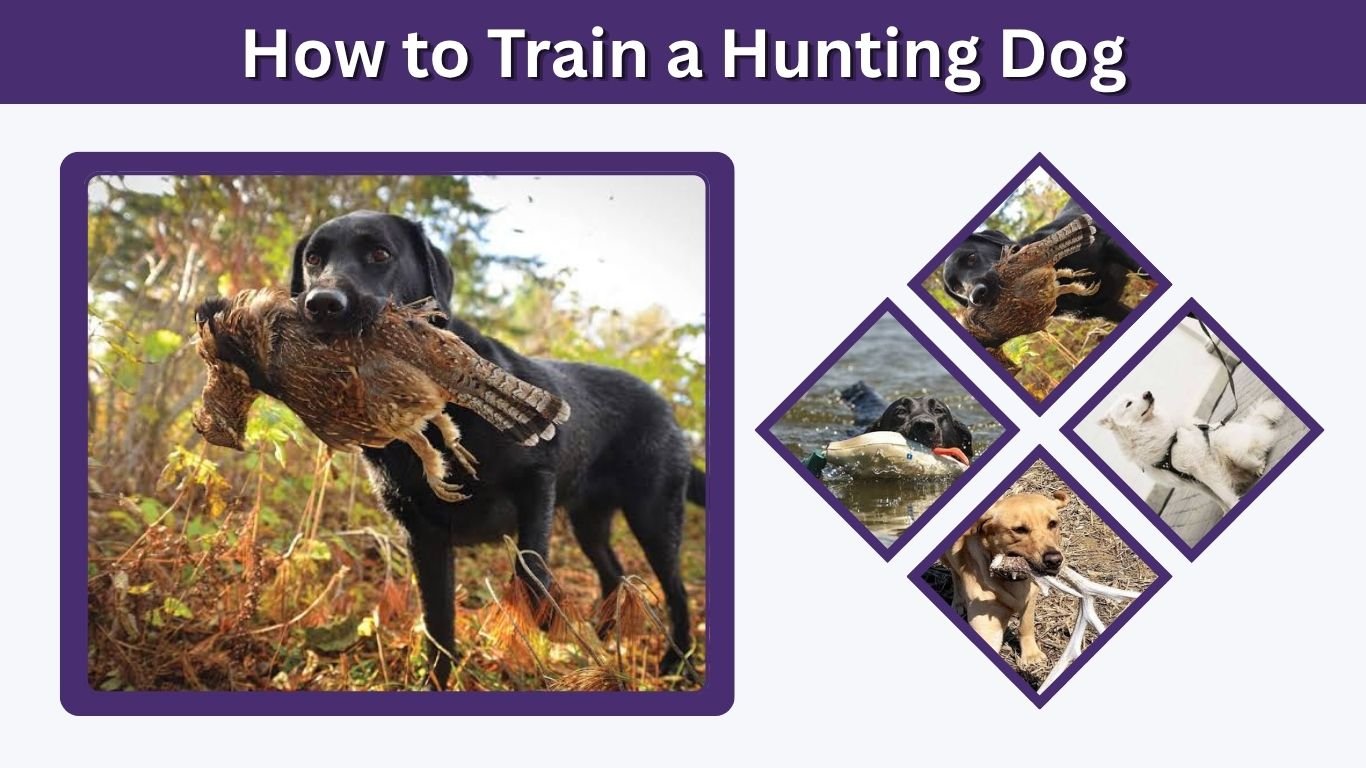
Training a hunting dog requires patience, consistency, and a clear understanding of your dog’s natural abilities. Whether you want to train a dog for duck hunting, bird hunting, or finding shed antlers, proper preparation is essential for developing reliable hunting skills. A well-trained hunting dog should follow commands, recognize scents, retrieve objects, and remain calm in different environments. The training process begins with basic obedience before progressing to specialized hunting exercises. This guide explains how to train a hunting dog step by step, from puppy training to advanced fieldwork.
When Should You Start Training a Hunting Dog?
The best time to start training a hunting dog is during puppyhood, although adult dogs can also learn hunting skills. Early training helps establish good behavior, confidence, and a strong relationship between the dog and its owner.
Puppies can begin learning simple commands and enjoying short retrieving games as soon as they settle into their new homes. More demanding training should be introduced gradually as they mature.
A general training schedule includes:
- 8–12 weeks: Begin socialization, name recognition, and simple obedience.
- 3–6 months: Practice retrieving, recall, and introductory scent games.
- 6–12 months: Develop field obedience, steadiness, and specialized hunting skills.
- 12 months and older: Continue advanced exercises and controlled hunting practice.
These ages are approximate. Training should depend on the dog’s confidence, physical development, and individual progress rather than a strict timetable.
How to Train a Hunting Dog Step by Step
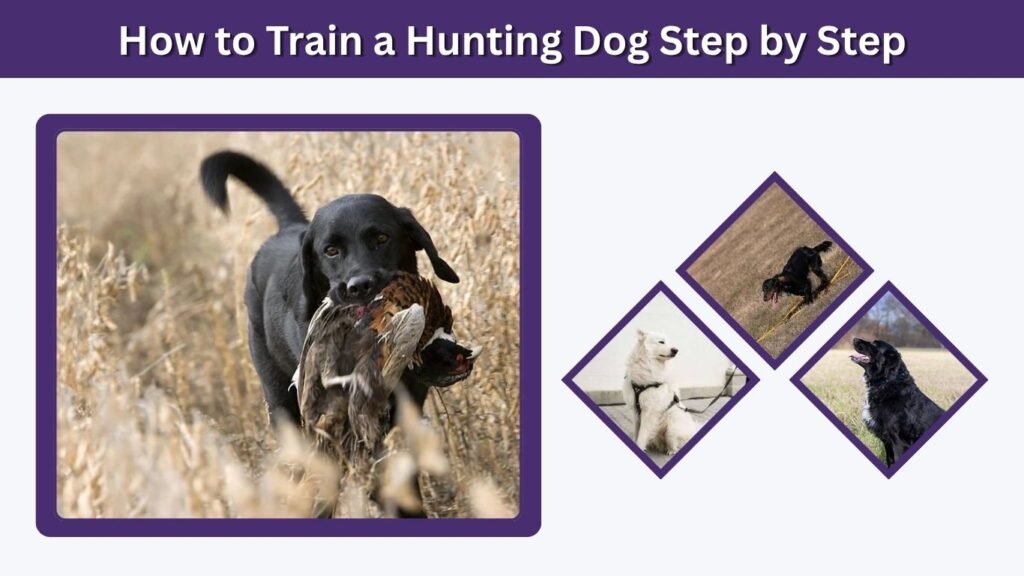
Training a hunting dog involves developing several essential skills before introducing real hunting situations. Dogs must learn to follow commands, locate objects through scent, and remain focused despite distractions.
The following steps provide a practical foundation for beginners training retrievers, pointers, spaniels, or other hunting breeds.
Step 1: Teach Basic Obedience Commands
Basic obedience is the foundation of successful hunting dog training. A dog that responds reliably to commands is easier to control and safer in the field.
Start with these essential commands:
- Sit: Teaches the dog to remain in a seated position.
- Stay: Encourages patience and prevents unwanted movement.
- Come: Call the dog back to its handler.
- Heel: Keep the dog walking close to your side.
- Fetch: Directs the dog to retrieve an object.
- Drop or Give: Teaches the dog to release a retrieved item.
Practice for approximately 5–10 minutes per session, adjusting the duration to your dog’s age and attention span. Reward successful responses with treats, praise, or toys.
Step 2: Train Your Hunting Dog to Come Back
Reliable recall is essential when hunting in forests, fields, or open countryside. Hunting dogs often become distracted by interesting scents, birds, and moving wildlife.
Begin practicing the “come” command in a quiet environment. Call your dog using a cheerful voice and reward it immediately when it approaches.
Gradually introduce longer distances and more distractions while using a long training line for safety.
You can also teach a whistle recall by pairing a consistent whistle signal with an already learned command. Never punish a dog for returning, even if it responds slowly.
Step 3: Introduce Retrieving Exercises
Retrieving is particularly important for dogs trained to hunt ducks, pheasants, and other game birds.
Start by tossing a soft training dummy a short distance. Encourage your dog to pick it up and return to you.
Reward the dog when it brings the dummy back and releases it gently.
As your dog improves, gradually increase the retrieving distance and introduce different environments, including grass and light vegetation.
Avoid forcing your dog to retrieve when it appears tired or uninterested. Short, enjoyable exercises are more effective for building enthusiasm and reliable performance.
Step 4: Develop Scent Tracking Skills
Dogs naturally rely on their sense of smell to explore their surroundings. Scent training teaches them to use this ability for specific hunting tasks.
Start with a familiar toy or training object. Allow your dog to smell it before placing it somewhere easy to find.
Use a consistent command such as “find it” and reward the dog when it locates the object.
Gradually hide items in taller grass or more challenging locations.
For specialized training, introduce the appropriate target scent, such as an antler or permitted bird-training material.
Increase difficulty slowly so your dog develops confidence rather than frustration.
Step 5: Introduce Gunfire Carefully
Hunting dogs may need to remain comfortable around loud noises. However, improper exposure to gunfire can create lasting fear.
Begin only after your dog has developed confidence and enjoys retrieving exercises.
A qualified hunting dog trainer can help introduce distant, controlled sounds during positive activities. The intensity should increase only when the dog remains completely comfortable.
Never fire a gun close to an inexperienced dog or force it to remain near frightening noises.
If your dog displays fear, immediately stop the exposure and seek professional guidance. Always keep dogs away from the muzzle blast and shooting line.
Step 6: Practice in Realistic Hunting Environments
Once your dog understands basic commands and retrieving exercises, begin practicing in environments similar to hunting locations.
Introduce different terrain, vegetation, weather conditions, and manageable distractions.
For example, bird hunting dogs can practice searching grassy areas, while retrievers can learn to work around blinds and decoys.
Always begin with simple tasks before progressing to difficult situations.
Keep initial field sessions short and controlled. The objective is to help your dog apply familiar commands confidently in unfamiliar surroundings.
How to Train a Dog for Different Types of Hunting

Different hunting activities require specialized training. Although obedience, recall, and scent recognition are useful for nearly every hunting dog, the specific skills depend on the type of game or objects being located.
Understanding these differences helps you choose suitable exercises and avoid unnecessary training.
How to Train a Dog for Duck Hunting
Duck hunting dogs must retrieve objects from land and water while remaining steady around hunting activity.
Begin with basic retrieving exercises before introducing shallow, comfortably warm water. Encourage your dog to explore the water voluntarily without forcing it to swim.
Gradually practice retrieving floating training dummies.
As confidence improves, introduce decoys, hunting blinds, and waiting quietly for a release command.
A reliable duck hunting dog should stay calm, respond to its handler, and retrieve only when directed.
How to Train a Dog for Bird Hunting
Bird hunting dogs, including pointers and flushing breeds, must locate birds and respond to handler directions.
Begin by encouraging controlled searching in grassy areas. Use appropriate training scents or legally obtained bird-training materials to develop scent recognition.
Reward your dog for locating the target and following commands.
Pointing dogs can practice holding position, while flushing dogs learn to search within a manageable distance.
Gradually introduce different terrain and distractions to prepare your dog for upland bird hunting.
How to Train a Dog for Shed Hunting
Shed hunting involves locating antlers naturally dropped by deer or other antlered animals.
Start by introducing your dog to a safe training antler or antler-shaped dummy. Allow the dog to investigate and reward its interest.
Place the object somewhere visible and encourage your dog to find it.
Gradually hide it in grass or woodland areas.
Teach your dog to indicate the location or retrieve the antler safely. Use a dummy or blunt training object to avoid injuries from sharp antler points.
With consistent practice, dogs can develop useful shed-finding skills.
Common Hunting Dog Training Mistakes to Avoid

Successful hunting dog training requires patience and realistic expectations. Rushing the process can create confusion, fear, or unreliable behavior.
Common mistakes include:
- Skipping obedience: Advanced hunting exercises become difficult without dependable basic commands.
- Training too long: Excessively demanding sessions may cause fatigue or frustration.
- Introducing gunfire too quickly: Sudden loud sounds can create noise sensitivity.
- Ignoring recall: Poor recall can place dogs in dangerous situations.
- Using harsh punishment: Fear and stress can reduce confidence and willingness to work.
- Practicing inconsistently: Irregular training makes it harder for dogs to remember learned behaviors.
Use positive reinforcement, gradual challenges, and regular breaks. Training should build trust while helping your dog develop dependable hunting skills.
How Long Does It Take to Train a Hunting Dog?

Training a hunting dog usually takes several months to establish basic skills, while advanced fieldwork can require a year or longer.
A dog may learn simple obedience commands within weeks, but reliable performance around wildlife and other distractions requires considerably more practice.
The overall training period depends on the dog’s age, breed, temperament, previous experience, and hunting specialization.
Consistent short sessions generally produce better results than occasional intensive training.
Remember that hunting dog training is an ongoing process. Even experienced dogs benefit from regular obedience practice and refresher exercises between hunting seasons.
FAQs
1. Can You Train Any Dog to Be a Hunting Dog?
Many dogs can learn retrieving, scent tracking, and obedience skills. However, breeds developed for hunting often possess natural characteristics that make particular tasks easier. Individual temperament and physical ability are also important.
2. How Old Is Too Old to Train a Hunting Dog?
There is no universal maximum age. Healthy adult dogs can learn hunting-related skills, although older dogs may require slower introductions and exercises appropriate for their physical condition.
3. How Much Does It Cost to Train a Hunting Dog?
The cost depends on whether you train the dog yourself, attend group lessons, or hire a professional hunting dog trainer. Equipment, veterinary care, travel, and specialized field instruction can increase expenses.
4. Can You Train a Hunting Dog Without Professional Help?
Yes. Many owners successfully teach obedience, recall, retrieving, and introductory scent games at home. Professional assistance is particularly valuable for gunfire introduction, advanced fieldwork, and difficult behavioral problems.
5. What Is the Most Important Command for a Hunting Dog?
The “come” command is one of the most important because reliable recall helps keep dogs safe around wildlife, roads, and other hazards. However, sit, stay, heel, and release commands are also essential for controlled hunting.
