
Deer hunting scent control can make a major difference when pursuing whitetails, especially in areas where hunting pressure has made deer cautious. A deer’s sense of smell is far stronger than a human’s, allowing it to detect unfamiliar odors long before a hunter comes into view. Effective scent control for deer hunting combines careful clothing preparation, personal hygiene, wind management, clean equipment, and smart stand placement. Following a consistent routine can reduce human odor and help you remain undetected during close-range encounters.
Why Scent Control Is Important for Deer Hunting
Controlling scent while deer hunting matters because whitetails depend heavily on smell to detect predators and understand their surroundings. Even excellent camouflage cannot help much when human odor travels directly toward a deer. A good scent-control strategy does not necessarily make a hunter completely odorless. Instead, it reduces unnecessary odors while keeping the hunter downwind of likely deer movement.
Deer Have an Exceptional Sense of Smell
Whitetail deer possess an extremely sensitive nose and constantly analyze airborne odors. Human body odor, laundry detergent, fuel, food, tobacco, and equipment odors may all alert deer.
Mature bucks can be especially cautious in heavily hunted areas. When they associate human scent with danger, they may stop approaching a trail, feeding area, or stand location during daylight.
Wind Direction Still Matters Most
Even the best deer hunting scent control products cannot completely replace proper wind management. Hunters should ideally position themselves so prevailing winds carry their odor away from expected deer travel routes.
Thermals should also be considered. During changing temperatures, air currents may rise or fall, causing scent to travel differently than expected.
Best Deer Hunting Scent Control Tips
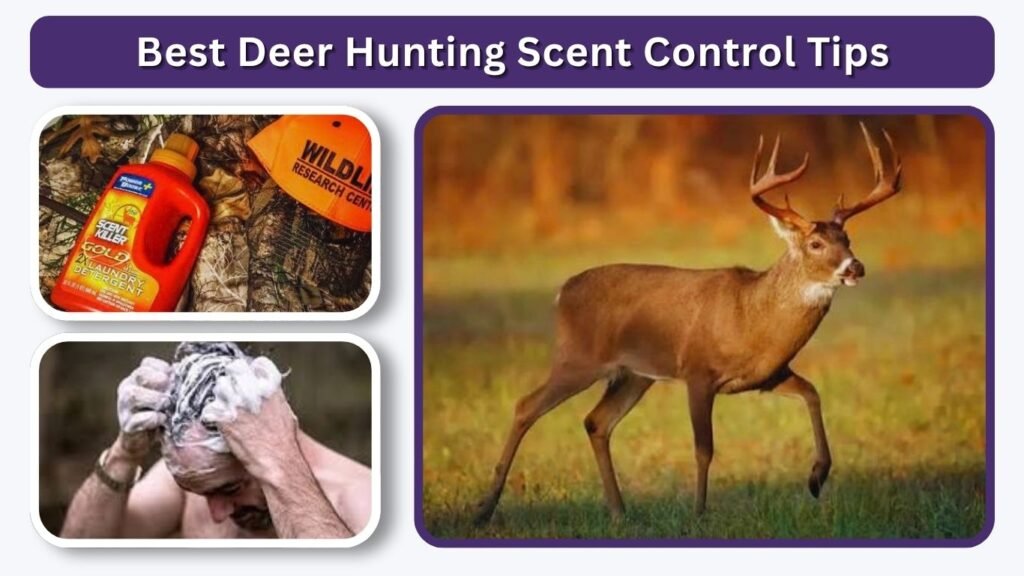
The best scent control for deer hunting normally comes from combining several small precautions rather than relying on one spray or specialized product. Establishing a routine before every hunt helps prevent contamination from household odors, vehicles, food, pets, and other sources that deer may recognize as unusual.
Follow These Scent-Control Practices
- Wash hunting clothes using fragrance-free detergent.
- Shower with unscented soap before hunting.
- Avoid scented deodorants, shampoos, and colognes.
- Store hunting clothing in airtight containers.
- Keep hunting boots away from gasoline and household odors.
- Spray clothing and equipment with an odor-eliminating spray.
- Put hunting clothes on after arriving near the hunting area.
- Avoid touching unnecessary vegetation while walking.
- Hunt according to favorable wind direction.
- Keep gloves clean before handling branches or hunting equipment.
Create a Consistent Routine
Scent control works best when it becomes part of every hunting trip. Washing clothes carefully but then wearing them inside a restaurant or gas station can quickly introduce strong odors again.
Many hunters therefore transport clean clothing separately and change shortly before entering the hunting area. This approach helps limit exposure to foreign smells.
Scent Control Clothing for Deer Hunting
Specialized scent-control clothing is popular among whitetail hunters, particularly bowhunters who often need deer to approach within close range. These garments may use odor-adsorbing materials, antimicrobial treatments, or fabrics designed to reduce odor buildup. However, clothing should be viewed as another layer of protection rather than a replacement for wind awareness.
How Scent-Control Clothing Helps
Scent-control clothing may help limit the amount of body odor escaping into the surrounding air. Some fabrics are also designed to dry quickly, which can reduce odor-producing bacteria caused by perspiration.
Hunters should still keep these garments clean and properly stored between hunts. Wearing specialized clothing around campfires, restaurants, or fuel stations may defeat much of its purpose.
Layer Clothing Carefully
Avoid overheating while walking to the stand. Sweating heavily creates more odor and can make scent control considerably harder.
During cold-weather hunts, consider carrying heavier outer layers and putting them on after reaching the stand. Maintaining a comfortable body temperature helps reduce excessive perspiration.
Best Scent Control Spray for Deer Hunting
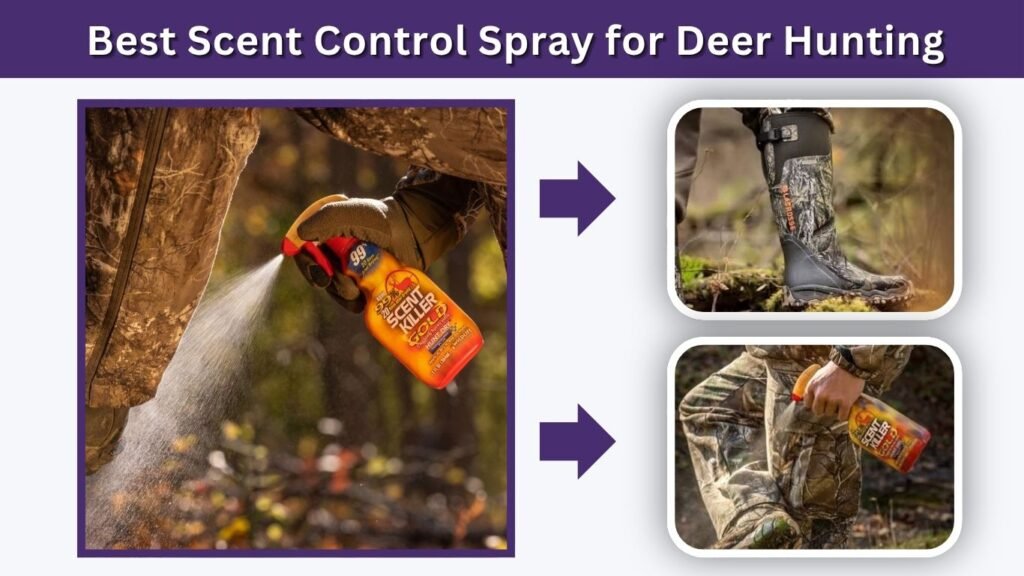
Scent-control sprays are among the easiest additions to a hunting routine. They are commonly applied to boots, outer clothing, backpacks, gloves, and hunting equipment. Most are intended to neutralize or reduce odors rather than simply cover them with another fragrance.
Where to Apply Scent Spray
- Hunting boots
- Pants and jackets
- Gloves and hats
- Backpacks
- Safety harnesses
- Bow or firearm accessories
- Ground blinds
- Seat cushions
Spray Before Entering the Woods
Applying scent-control spray immediately before walking toward the hunting location helps remove odors picked up during transportation.
Boots deserve particular attention because they contact vegetation and soil throughout the approach. Hunters sometimes spray their footwear both before entering the woods and again near their stand location.
Personal Hygiene and Internal Body Odor
Human scent comes from more than clothing. Skin oils, sweat, breath, and bacteria naturally create odors. Personal hygiene therefore plays an important role in controlling scent deer hunting situations, particularly when hunting from close-range tree stands or ground blinds.
Use Unscented Hygiene Products
Before hunting, shower with fragrance-free soap and shampoo. Avoid strong toothpaste, aftershave, perfume, hair products, or scented deodorant immediately before heading into the field.
Some hunters also brush with mild or scent-conscious toothpaste before leaving home.
Manage Sweat
Walking slowly toward the stand can prevent overheating. Taking extra time is often better than arriving covered in sweat.
Moisture-wicking base layers can also help move perspiration away from the skin. Once the body cools, additional hunting layers can be added.
How to Store Hunting Clothes for Better Scent Control
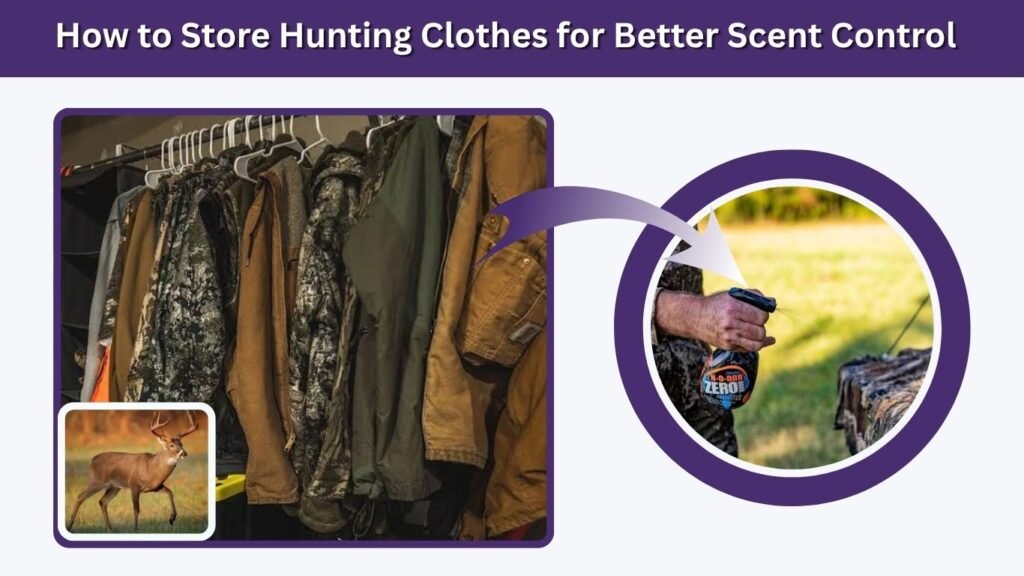
Clean clothing can quickly absorb household smells from cooking, pets, perfume, smoke, or laundry products. Proper storage helps preserve your scent-control routine until it is time to hunt.
Clothing Storage Checklist
- Use sealed plastic containers or scent-resistant bags.
- Keep hunting clothing separate from everyday clothes.
- Store boots separately when possible.
- Avoid storing gear inside garages containing fuel or chemicals.
- Allow damp equipment to dry before sealing it.
- Clean storage containers periodically.
- Avoid handling clean hunting clothes with scented hands.
Natural Outdoor Odors
Some hunters place vegetation such as leaves, pine needles, or cedar branches from their hunting area inside clothing containers. This may help hunting clothing acquire familiar environmental smells.
However, natural scent methods should complement odor reduction rather than replace washing, careful storage, and wind management.
Electronic Scent Control for Deer Hunting
Electronic scent-control systems have become another option for hunters attempting to reduce the chance of being detected. Ozone-based devices are among the most commonly discussed systems and are generally designed to interact with odor molecules around the hunting position.
Using Electronic Systems
Electronic scent-control equipment is generally positioned around a tree stand, blind, or hunting area according to the manufacturer’s instructions. Placement can influence how effectively the device interacts with the hunter’s scent stream.
These systems are best considered an additional tool rather than permission to ignore wind direction.
Scent Control Effectiveness
No system can guarantee that a deer will never detect a hunter. Wind shifts, thermals, humidity, movement, contaminated equipment, and entry routes all influence success.
The strongest strategy combines electronic tools, when used, with conventional scent reduction and careful hunting decisions.
Homemade and Natural Scent Control for Deer Hunting
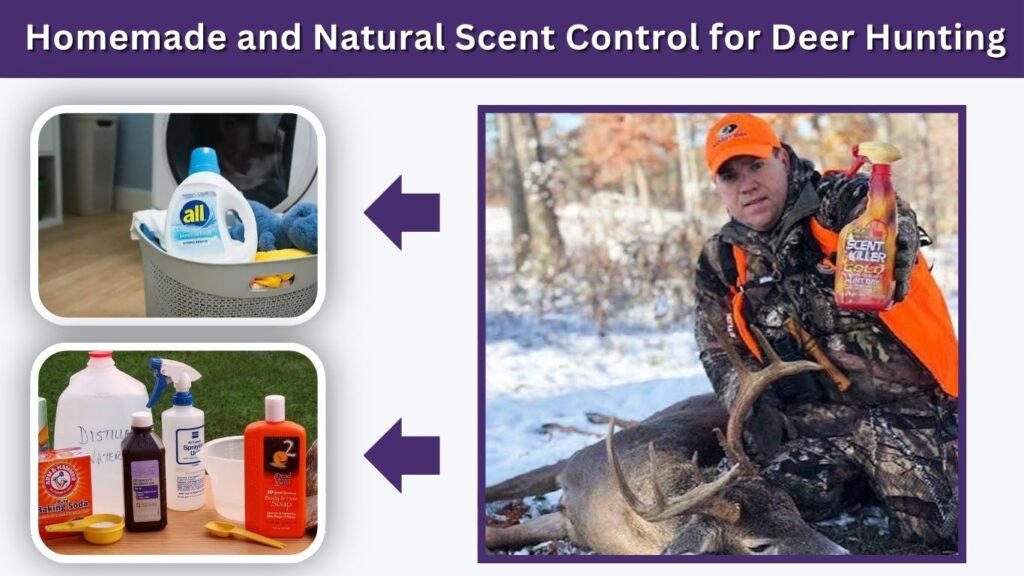
Hunters who want cheap scent control for deer hunting can improve their results without depending entirely on specialized products. Many of the most effective habits involve simply preventing unnecessary odors from reaching hunting clothes and equipment.
Low-Cost Scent-Control Methods
- Wash clothes with fragrance-free detergent.
- Air-dry hunting clothing outdoors when practical.
- Store clothes in sealed containers.
- Shower before entering the field.
- Keep equipment away from gasoline and smoke.
- Wear rubber hunting boots.
- Use local vegetation as a natural cover scent.
- Plan entry routes around wind direction.
Avoid Overusing Cover Scents
Natural cover scents may help blend unfamiliar odors into the surrounding environment, but they do not eliminate human scent.
Using extremely strong cover scents can even introduce another unfamiliar smell. Odor reduction and wind management remain more dependable foundations.
Best Way to Control Scent While Deer Hunting
The best way to control scent while deer hunting is to combine preparation with smart positioning. Washing clothing, controlling sweat, storing equipment correctly, and using scent-control products all reduce unnecessary odor. However, wind direction remains the factor hunters should evaluate throughout every hunt.
Build a Complete Scent-Control System
Start preparing before leaving home. Clean yourself and your equipment, transport clothing carefully, change near the hunting area, and approach the stand according to the wind.
Once positioned, monitor shifting winds and thermals. If conditions change dramatically, moving or ending the hunt may protect the hunting location from unnecessary pressure.
Do Not Rely on One Product
Successful whitetail deer hunting scent control rarely comes from a single spray, garment, cover scent, or electronic device.
Each tool reduces only part of the problem. Combining several methods creates a more complete scent-control system and improves the chances of remaining unnoticed when deer approach.
FAQs
How important is scent control for deer hunting?
Scent control is especially important when hunting whitetail deer because they rely heavily on smell to identify danger. Reducing body odor, cleaning clothing, controlling sweat, and maintaining favorable wind direction can help hunters avoid detection. It becomes even more important during bowhunting, where encounters often occur at very short distances.
Does scent control for deer hunting really work?
Scent-control practices can reduce the amount of human odor entering the environment, but they cannot make a hunter completely scent-free. Clean clothing, scent sprays, careful storage, personal hygiene, and proper entry routes may improve effectiveness. Wind direction should still remain the foundation of every deer hunting scent-control strategy.
What is the best scent control for deer hunting?
The best scent control combines several methods rather than depending on one product. Start with fragrance-free hygiene, washed hunting clothes, sealed storage, scent-control spray, clean boots, and careful sweat management. Most importantly, position yourself downwind or crosswind from expected deer movement whenever hunting conditions allow.
Can I hunt deer without scent-control products?
Yes. Hunters can practice effective scent control without specialized commercial products by washing clothing with fragrance-free detergent, showering before hunting, storing equipment carefully, managing sweat, and paying close attention to wind direction. Commercial scent-control products can add another layer of protection, but good hunting habits remain more important.
Is scent-control clothing worth using for deer hunting?
Scent-control clothing can be useful as part of a broader odor-management system, particularly for bowhunters seeking close encounters. However, it should not be treated as a substitute for clean clothing, personal hygiene, proper storage, scent-conscious entry routes, and wind management. Its effectiveness is strongest when combined with these practices.
