
A dependable hunting trail camera can help you monitor game movement, identify travel patterns, and keep track of wildlife without being physically present in the field. Modern trail cameras offer features such as fast trigger speeds, infrared night vision, cellular connectivity, solar charging, and weather-resistant housings. Choosing the right model depends on where you plan to place it and how often you want to check images. In this guide, we review 10 of the best hunting trail cameras for scouting, wildlife monitoring, and year-round outdoor use.
1. 4K Motion-Activated Hunting Trail Camera – Best for Wide-Area Monitoring
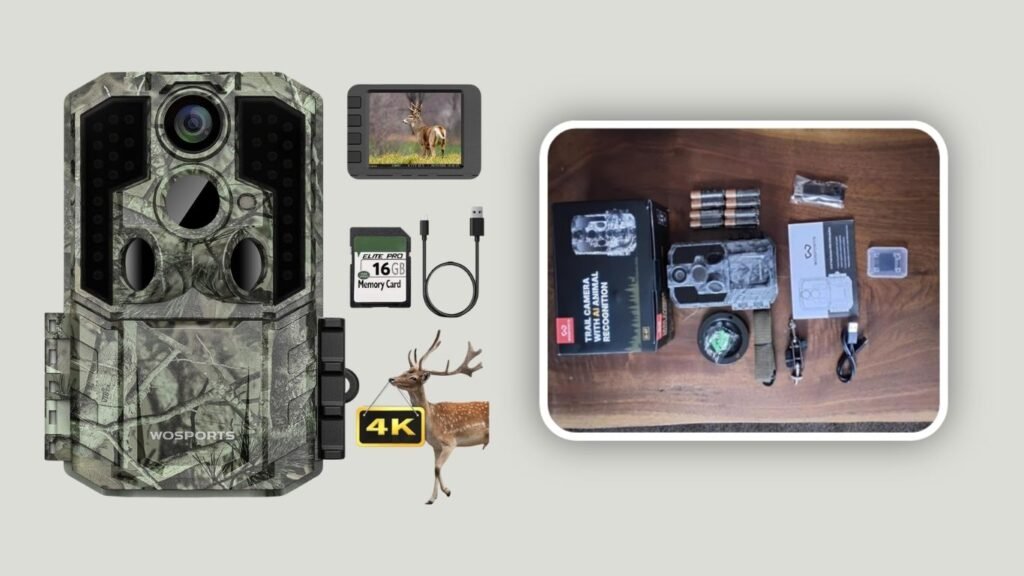
This 4K motion-activated trail camera is designed for hunters and wildlife watchers who want a broad field of view, fast activity detection, and dependable outdoor monitoring. Its wide-angle coverage helps capture animals entering from different directions, while infrared night capability makes it useful around the clock. The weather-resistant body also supports longer-term placement in forests, fields, and game trails.
Key Features
- 4K video recording capability
- Motion-activated capture
- 120-degree wide detection angle
- Infrared night vision
- Waterproof outdoor housing
- Suitable for hunting and wildlife monitoring
- Designed for unattended field use
Why It Is Best for Wide Detection Areas
A broader detection angle can be especially useful when monitoring open trails, feeding areas, or locations where animals may approach from several directions. Instead of relying on a narrow central zone, this camera is designed to cover more of the scene.
That wider coverage can reduce the chance of missing movement near the edges of the frame. For hunters trying to understand how deer or other game move through an area, this can provide more complete scouting information.
Image Quality and Night Monitoring
The 4K video capability provides enough resolution for reviewing animal movement, body size, and general behavior in greater detail. Infrared illumination also allows the camera to continue monitoring after dark without requiring visible white light.
Since many game animals are most active around dawn, dusk, or nighttime hours, dependable night capture is one of the most valuable features in a hunting trail camera.
Field Use and Overall Value
A waterproof enclosure is important because trail cameras may remain outdoors through rain, humidity, dust, and changing temperatures. Once properly positioned, this model can provide continuous monitoring without requiring frequent visits.
For hunters who want wide detection coverage and high-resolution recording in one straightforward package, this camera offers a practical balance of viewing angle, image detail, and weather protection.
2. Moultrie Cellular Trail Camera – Best for Remote Scouting
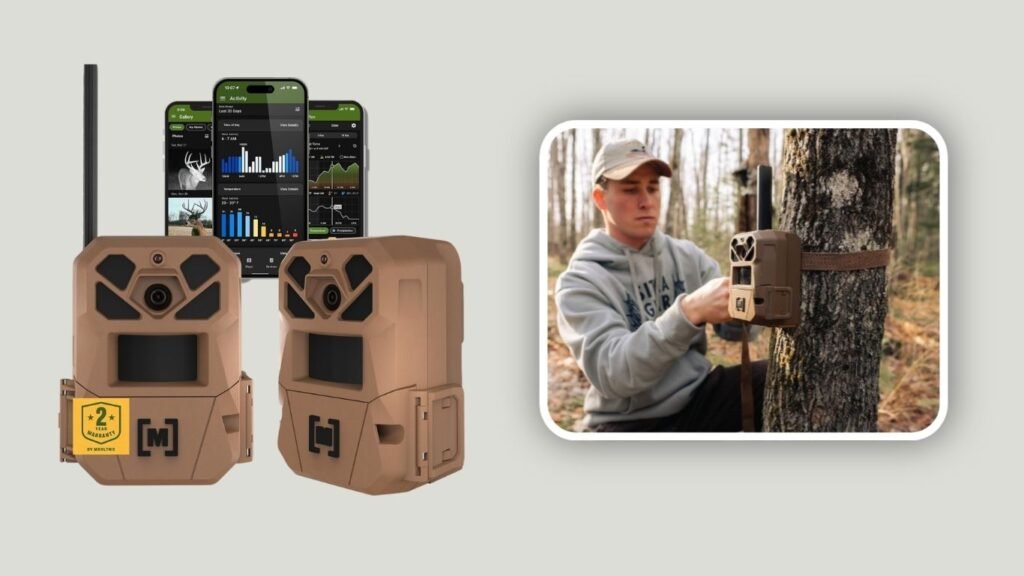
The Moultrie Cellular Trail Camera is a strong option for hunters who want to receive trail-camera information without repeatedly visiting the camera location. Cellular connectivity can reduce unnecessary trips into hunting areas, which may also help minimize human disturbance around frequently used game trails, bedding areas, and feeding zones. Its remote-focused design makes it particularly useful for properties located far from home.
Key Features
- Cellular trail-camera connectivity
- Remote image access
- Motion-activated capture
- Designed for hunting and scouting
- Outdoor weather-resistant construction
- App-based monitoring capability
- Suitable for long-term field placement
Why It Is Best for Remote Hunting Properties
Traditional trail cameras require hunters to physically retrieve memory cards or connect directly to the unit. A cellular camera changes that workflow by transmitting captured information over a supported network.
This is especially convenient when cameras are placed on distant hunting land or across several monitoring locations. Fewer trips can save time and make it easier to monitor game activity more consistently throughout the season.
Scouting Performance and Convenience
Remote access allows hunters to review movement patterns as images arrive rather than waiting days or weeks between field visits. This can make it easier to identify changes in deer activity, feeding times, or travel routes.
The convenience becomes even more valuable when several cameras are used across a large property. Instead of checking every location manually, users can focus attention on areas showing the most activity.
Long-Term Value
A cellular trail camera generally requires compatible network coverage and may involve a service plan, so those ongoing requirements should be considered before choosing one.
However, for hunters who place a high value on remote access, the time saved can outweigh the extra setup. The Moultrie cellular system is particularly appealing for serious scouting where regular information matters but repeated trips into the field are inconvenient.
3. GardePro E5S Trail Camera – Best for Balanced Hunting Performance
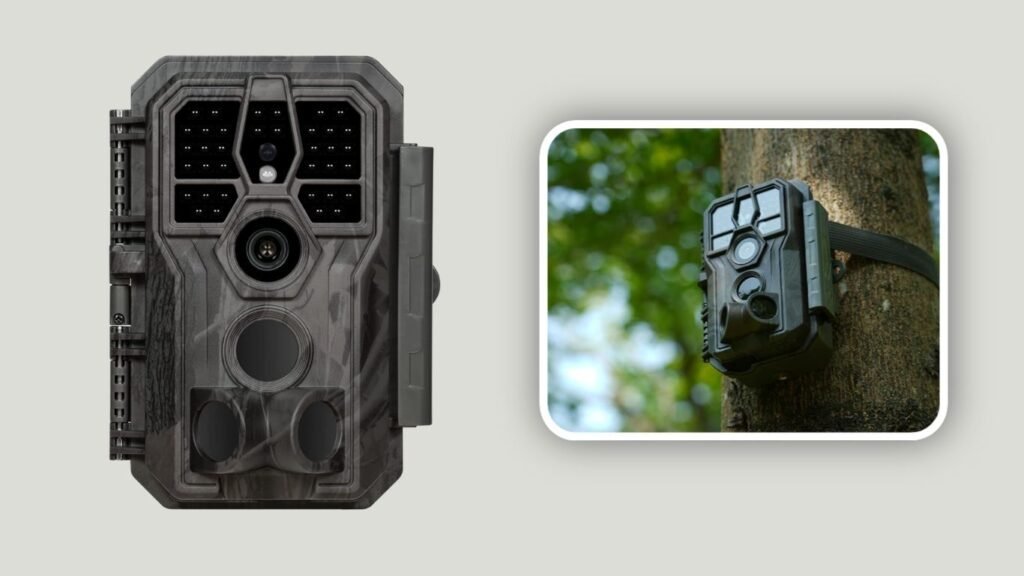
The GardePro E5S Trail Camera offers a balanced mix of image quality, motion detection, night monitoring, and weather resistance for everyday hunting use. It is designed for users who want dependable performance without moving into a more complicated cellular system. This makes it especially suitable for deer trails, food plots, woodland edges, and other locations where regular wildlife activity needs to be documented.
Key Features
- Motion-triggered capture
- Infrared night vision
- Waterproof housing
- Wildlife and hunting mode
- Designed for outdoor scouting
- Day and night monitoring
- Compact camouflaged design
Why It Is Best for General Hunting Scouting
The GardePro E5S works well for hunters who need a straightforward camera that can remain in the field and record animal movement automatically. Its motion-activated design means storage space is focused on relevant activity rather than continuous footage.
This approach is useful for identifying common travel times and determining whether specific areas are being used regularly by deer or other game.
Day and Night Monitoring Performance
A reliable hunting trail camera needs to perform beyond daylight hours. Infrared night capability allows the E5S to monitor wildlife when visible light is limited, which is especially important because many animals move most actively during low-light periods.
During daytime use, clear images can help with identifying animals, comparing antler development, or simply documenting the number of animals using a location.
Durability and Overall Value
Waterproof construction makes the E5S more suitable for extended outdoor placement where weather conditions can change unexpectedly. The compact housing also makes it easier to position discreetly against trees or other natural backgrounds.
For hunters who do not need cellular image transmission but still want dependable day-and-night monitoring, the GardePro E5S offers a well-rounded combination of simplicity, weather resistance, and useful scouting performance.
4. WOSODA Infrared Wildlife Trail Camera – Best for Night Scouting
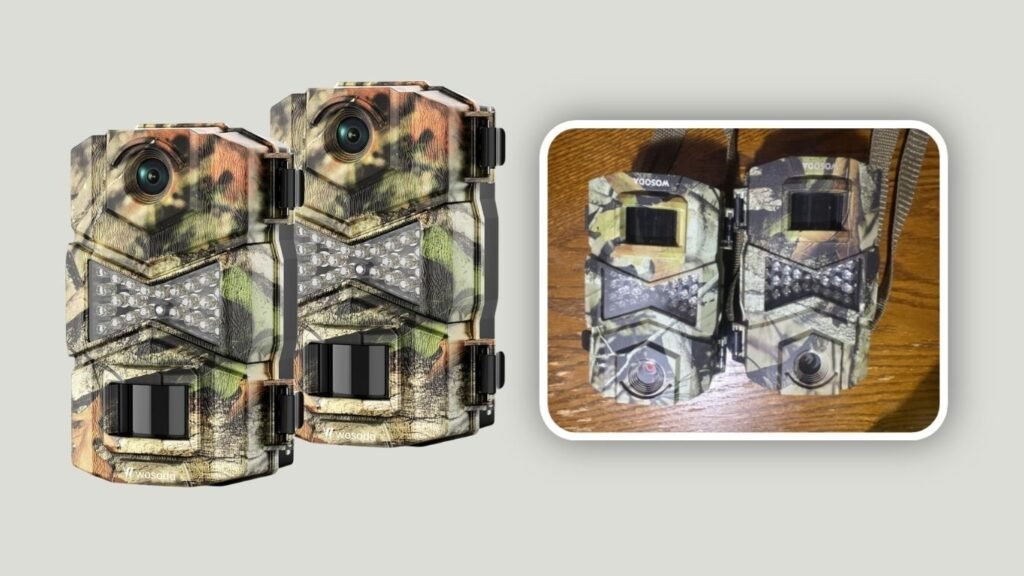
The WOSODA Infrared Wildlife Trail Camera is designed for hunters who need dependable wildlife monitoring after sunset as well as during daylight hours. Its infrared system helps record animals without relying on bright visible illumination, while the weather-resistant housing supports outdoor placement throughout changing conditions. This makes it useful around deer trails, feeding zones, property edges, and other areas where nighttime movement is common.
Key Features
- Infrared night vision
- Motion-activated wildlife capture
- Waterproof outdoor housing
- Hunting and scouting applications
- Day and night recording
- Camouflaged exterior design
- Suitable for long-term field monitoring
Why It Is Best for Nighttime Activity
Many game animals move heavily around dusk, during the night, and before sunrise. A camera with infrared capability can record these periods without producing bright visible light that would make the unit more obvious.
For hunters trying to understand when animals enter feeding areas or cross trail intersections, nighttime information can be just as important as daytime observations.
Detection and Wildlife Monitoring
Motion activation allows the camera to begin recording when wildlife enters its detection zone. This reduces unnecessary recordings and helps make reviewing captured footage more efficient.
Placement remains important. Mounting the camera at an appropriate height and aiming it across a trail rather than directly down it can often give animals more time inside the detection zone, improving the chances of useful captures.
Weather Resistance and Overall Value
Outdoor scouting cameras may be exposed to rain, humidity, dirt, and temperature changes for extended periods. The WOSODA’s waterproof design helps make it better suited to this type of unattended use.
For hunters who primarily need dependable local recording with strong emphasis on after-dark monitoring, this WOSODA model offers practical features without requiring the additional complexity of cellular connectivity.
5. MagicEagle Cellular Trail Camera – Best for Connected Wildlife Monitoring
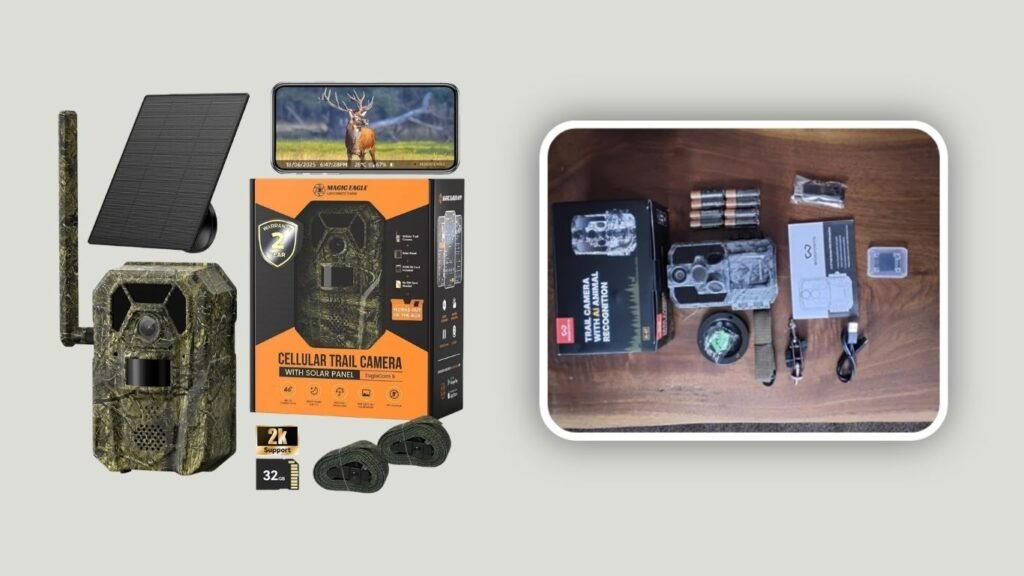
The MagicEagle Cellular Trail Camera is designed for hunters and property owners who want remote access to wildlife activity without routinely collecting memory cards. Cellular connectivity can provide faster awareness of movement around trails, feeders, fields, or remote property boundaries. Combined with weather-resistant construction and automated motion detection, it is particularly suitable for ongoing monitoring in locations that are inconvenient to visit frequently.
Key Features
- Cellular connectivity
- Remote wildlife monitoring
- Motion-triggered recording
- Waterproof outdoor design
- Suitable for hunting and scouting
- Day and night monitoring support
- Designed for unattended field placement
Why It Is Best for Connected Scouting
Remote transmission is the main advantage of a cellular trail camera. Instead of entering the hunting area every time new images are needed, users can monitor activity from a distance when network conditions support the camera.
This can be valuable during hunting season because reducing unnecessary visits may help limit human scent and disturbance in sensitive areas.
Monitoring Performance and Practical Use
A connected camera can help hunters react more quickly to changing movement patterns. If animals begin using a new route or appearing at different times, recent images can provide useful information without waiting for the next physical camera check.
This is also convenient for monitoring multiple properties or cameras positioned far apart. Remote access can make the scouting process more organized and less time-consuming.
Connectivity and Overall Value
Cellular performance depends on available network coverage, and users should also consider any subscription or data requirements associated with remote transmission. In areas with reliable service, however, the convenience can be significant.
For hunters who want near-remote access to activity and prefer spending less time manually checking cameras, the MagicEagle cellular model offers a useful combination of automation, outdoor durability, and connected monitoring.
6. WOSODA Waterproof Hunting Trail Camera – Best for Simple Field Scouting
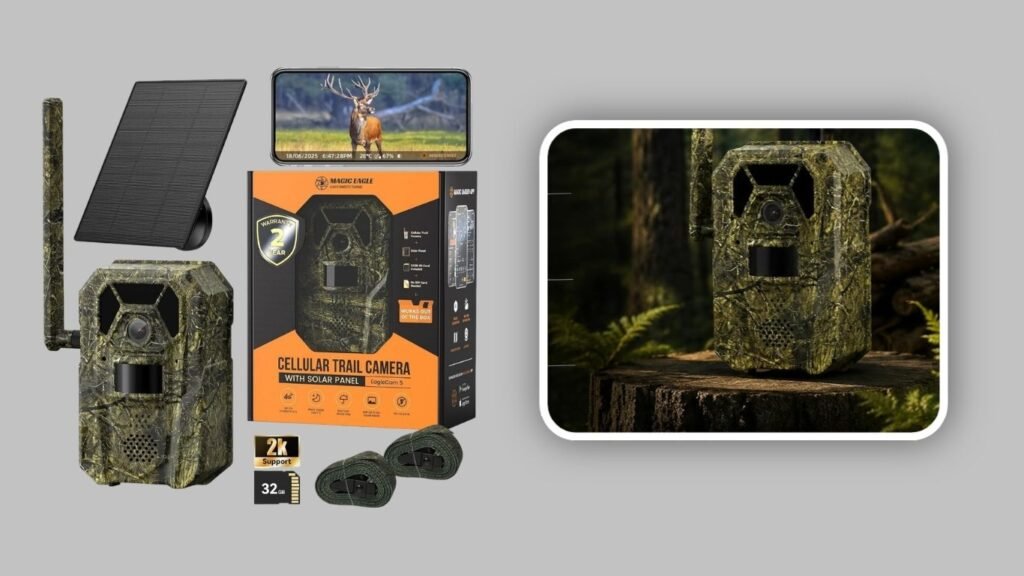
The WOSODA Waterproof Hunting Trail Camera is a practical option for hunters who want straightforward wildlife monitoring without cellular subscriptions or complicated setup. Its motion-activated design records animals automatically, while infrared capability helps extend scouting into nighttime hours. The weather-resistant housing also makes it suitable for long-term placement around trails, food plots, property edges, and other outdoor areas where wildlife activity needs to be monitored consistently.
Key Features
- Motion-activated capture
- Infrared night vision
- Waterproof outdoor housing
- Suitable for hunting and wildlife monitoring
- Day and night recording
- Camouflage-style exterior
- Designed for unattended field use
Why It Is Best for Straightforward Hunting Use
For many hunters, a trail camera does not need advanced connectivity or cloud features to be useful. A dependable camera that records movement to local storage can provide the information needed to identify travel routes, feeding patterns, and activity times.
The WOSODA design keeps the process relatively simple. Once positioned and configured, it can remain in the field and record wildlife whenever movement enters its detection zone.
Day and Night Scouting Performance
Infrared illumination allows the camera to continue monitoring after sunset, when deer and many other animals become more active. This helps create a more complete picture of wildlife movement across a full 24-hour period.
During daytime use, motion-triggered capture can help reduce unnecessary footage and make reviewing images more manageable. Proper placement across a trail or clearing can further improve results.
Durability and Overall Value
Weather resistance is especially important for cameras that may stay outdoors for weeks at a time. Protection against rain and general outdoor exposure helps make the unit better suited to seasonal scouting.
For hunters who prefer local recording and simple operation rather than cellular connectivity, this WOSODA model offers a practical combination of night monitoring, weather protection, and automated wildlife capture.
7. GardePro E5S Wildlife Trail Camera – Best for Reliable All-Season Monitoring
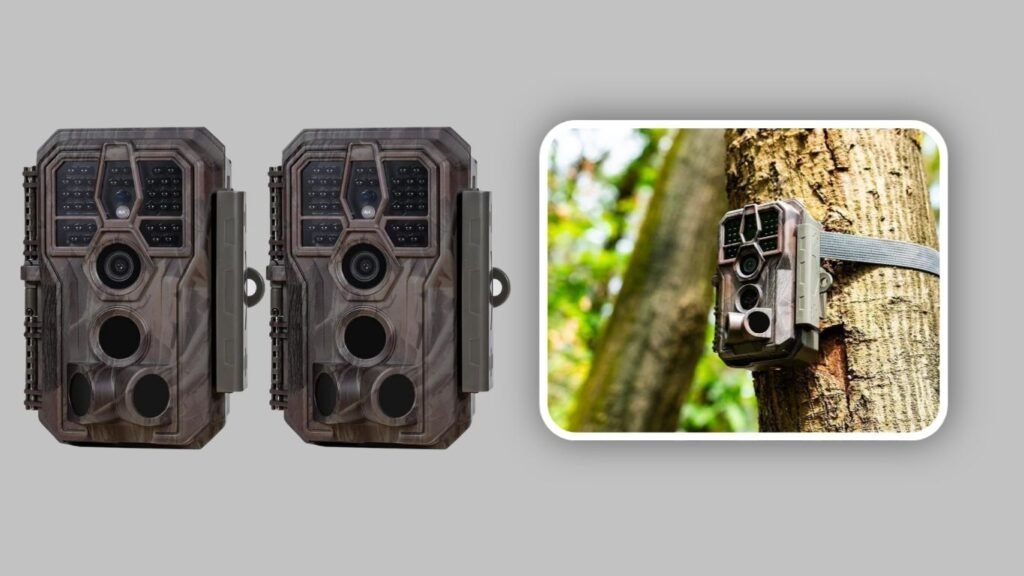
The GardePro E5S Wildlife Trail Camera is designed for hunters who want dependable monitoring across different seasons and lighting conditions. Its motion-activated system captures wildlife automatically, while infrared night vision helps document movement after dark. Combined with a weather-resistant body and discreet outdoor design, it works well around deer trails, wooded areas, feeding sites, and other locations where consistent monitoring is important.
Key Features
- Motion-triggered capture
- Infrared night vision
- Waterproof construction
- Wildlife and hunting applications
- Day and night monitoring
- Camouflaged housing
- Suitable for extended outdoor placement
Why It Is Best for Long-Term Scouting
A trail camera becomes more valuable when it can remain in place for extended periods without requiring constant attention. The E5S is well suited to this style of scouting because it is designed for outdoor operation in changing weather conditions.
Leaving a camera positioned in the same area can help hunters compare activity patterns over time and determine whether game movement changes with weather, feeding availability, or season.
Image Capture and Detection Performance
Motion activation helps focus recording on relevant events rather than filling storage with unnecessary footage. When wildlife enters the detection area, the camera can capture the activity automatically.
Infrared night capability is equally important because many animals move during low-light hours. Combining daytime and nighttime monitoring gives users a more complete view of what is happening around the camera location.
Field Durability and Overall Value
A waterproof housing helps protect internal electronics from rain and moisture, making the camera more appropriate for unattended outdoor use. Camouflage-style construction can also help the unit blend into natural surroundings.
For hunters who want a conventional trail camera with dependable day-and-night capability and no need for cellular service, the GardePro E5S offers a balanced and practical scouting solution.
8. Waterproof Wildlife Scouting Trail Camera – Best for General Outdoor Monitoring
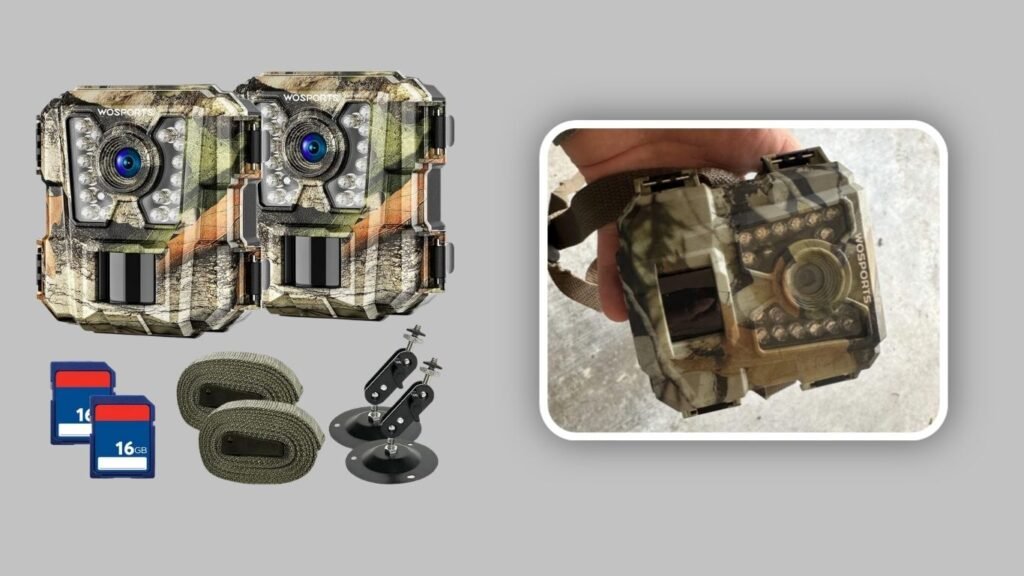
This Waterproof Wildlife Scouting Trail Camera is aimed at hunters and outdoor enthusiasts who need dependable motion-triggered monitoring in a range of environments. It is suitable for observing game trails, feeding areas, woodland edges, and remote property locations. Its weather-resistant housing and infrared night capability make it useful for continuous outdoor operation during both daytime and nighttime conditions.
Key Features
- Motion-activated recording
- Infrared night monitoring
- Waterproof outdoor housing
- Suitable for hunting and scouting
- Day and night operation
- Wildlife monitoring capability
- Designed for remote field placement
Why It Is Best for General-Purpose Scouting
Some hunters need a versatile trail camera that can be moved between different locations without being tied to cellular coverage or specialized accessories. This type of camera fits that role well.
It can be placed along a game trail during one part of the season and later moved to a feeding area, water source, or property boundary. That flexibility makes it useful for hunters still learning where animals travel most frequently.
Detection and Monitoring Performance
A motion-triggered system helps capture wildlife only when activity occurs in front of the camera. This makes reviewing images easier and can help conserve storage capacity compared with constant recording.
Infrared capability supports nighttime monitoring, giving hunters information about animals that may rarely appear during daylight hours. Correct camera height and angle remain important for getting useful captures.
Weather Protection and Overall Value
Trail cameras often face rain, mud, humidity, and temperature changes, so durable housing is important for outdoor reliability. A waterproof design helps protect the camera during extended scouting periods.
For users who want a versatile camera for hunting, property observation, and general wildlife monitoring, this model provides the core features needed for dependable unattended use without requiring a more complicated connected system.
9. Meidase P70 No-Glow Trail Camera – Best for Discreet Night Monitoring
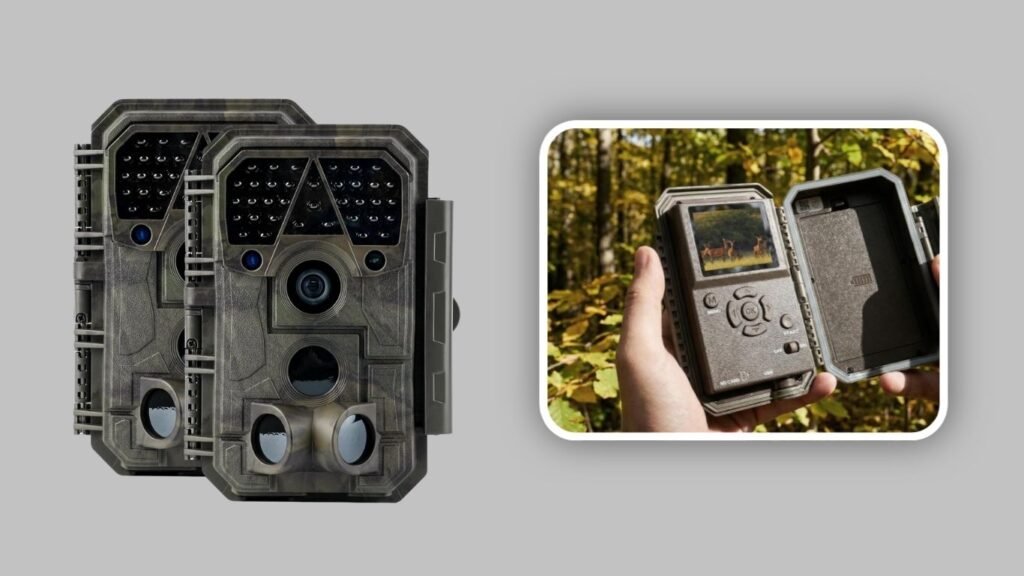
The Meidase P70 No-Glow Trail Camera is designed for hunters who want to monitor wildlife at night while keeping the camera as discreet as possible. No-glow infrared illumination is especially useful in areas where visible flash could attract attention or disturb animals. Combined with motion-triggered operation and weather-resistant construction, the P70 is well suited to game trails, feeding locations, and remote hunting areas.
Key Features
- No-glow infrared night vision
- Motion-activated capture
- Waterproof outdoor construction
- Designed for discreet wildlife monitoring
- Day and night operation
- Suitable for hunting and scouting
- Low-visibility nighttime illumination
Why It Is Best for Discreet Night Scouting
No-glow infrared technology is the standout feature. Unlike visible flash systems, no-glow illumination is designed to be much less noticeable when the camera takes nighttime images.
This can be particularly valuable when monitoring cautious wildlife or placing a camera in an area where keeping the unit unobtrusive matters. It also helps reduce visible light around sensitive hunting locations.
Night Performance and Detection
Nighttime activity often provides some of the most useful scouting information. Deer and other animals may travel through an area mainly after sunset, so a camera that performs reliably in darkness can reveal patterns that daytime observation would miss.
Motion-triggered capture ensures the camera records when activity enters the detection zone rather than continuously filming empty scenes.
Durability and Overall Value
The weather-resistant housing allows the P70 to remain outdoors through changing conditions. When combined with discreet nighttime illumination, this makes it suitable for longer-term monitoring in wooded or remote environments.
For hunters who place a high priority on low-visibility night recording, the Meidase P70 offers a particularly useful combination of stealth-oriented infrared capability, automated capture, and outdoor durability.
10. MAXDONE Solar Trail Camera – Best for Reduced Battery Maintenance
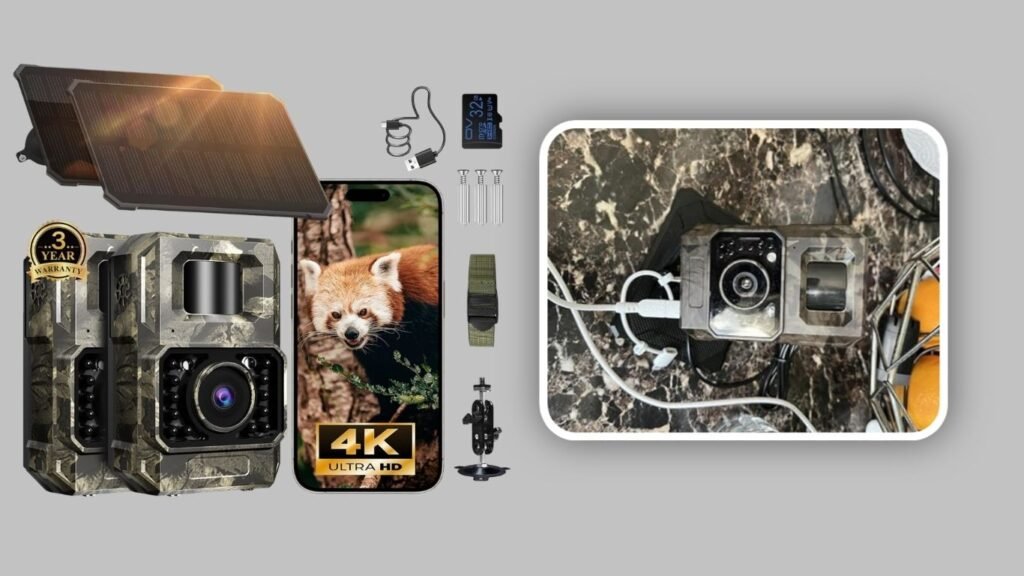
The MAXDONE Solar Trail Camera is a strong choice for hunters who want to reduce how often they visit the field to replace or recharge batteries. Its solar-assisted power design can help extend operating time when placed where the panel receives adequate sunlight. Combined with motion detection and outdoor monitoring features, it is especially useful for remote properties and long-term scouting locations.
Key Features
- Solar-assisted power system
- Motion-triggered wildlife monitoring
- Outdoor weather-resistant design
- Suitable for remote hunting locations
- Day and night scouting capability
- Reduced dependence on frequent battery changes
- Designed for longer unattended operation
Why It Is Best for Long-Term Remote Placement
Battery maintenance is one of the biggest inconveniences associated with trail cameras, particularly when cameras are located far from roads or spread across a large hunting property.
A solar-powered or solar-assisted design can reduce the need for frequent visits when environmental conditions are suitable. This can save time and help limit unnecessary human activity around heavily used game trails.
Power Efficiency and Scouting Performance
Solar charging can help maintain the camera’s internal power supply during daylight hours, allowing it to remain active for longer periods between manual checks. The benefit is greatest in open or partially open locations where sunlight can consistently reach the panel.
Motion detection still keeps the camera focused on meaningful activity, while night monitoring helps capture animals that move outside daylight hours.
Practical Use and Overall Value
The MAXDONE solar design is particularly useful for hunters who prefer a low-maintenance scouting system. Placement becomes important because heavy shade can reduce solar charging performance.
For remote feeding areas, property edges, or trails that are inconvenient to visit regularly, the ability to supplement battery power with sunlight can make the camera more practical over longer periods. It is a strong option for users who prioritize extended field operation and reduced maintenance.
FAQs
1. What Is the Best Trail Camera for Hunting?
The best hunting trail camera depends on how you plan to use it. Cellular models are useful for remote image access, no-glow cameras are better for discreet nighttime monitoring, and solar models can reduce battery maintenance. Image quality, trigger speed, detection range, weather resistance, and battery life should all be considered.
2. Are Cellular Trail Cameras Better for Hunting?
Cellular trail cameras can be more convenient because they can send captured images remotely when compatible network coverage is available. This reduces the need to visit camera locations frequently. However, they may require a service plan, while standard trail cameras can operate without ongoing cellular fees.
3. Where Should I Place a Hunting Trail Camera?
Good locations include well-used game trails, field edges, water sources, feeding areas, natural funnels, and trail intersections. Positioning the camera across the direction of travel rather than directly facing approaching animals can often give the sensor more time to detect movement and capture useful images.
4. How High Should a Trail Camera Be Mounted?
For deer and similar game, many hunters mount trail cameras roughly 3 to 4 feet above the ground. The ideal height can vary depending on the terrain, target animal, and camera detection zone. The camera should be aimed toward the area where wildlife is most likely to pass.
5. Are No-Glow Trail Cameras Worth It?
No-glow trail cameras are particularly useful when discreet nighttime monitoring is important. Their infrared illumination is less noticeable than visible flash and many low-glow systems. They are therefore well suited to cautious wildlife, remote hunting areas, or locations where you want the camera to attract as little attention as possible.
