
Duck hunting waterfowl combines wildlife knowledge, careful preparation, outdoor skill, and patience. Unlike many land-based hunting activities, waterfowl hunting often takes place in wetlands, marshes, flooded fields, rivers, lakes, and coastal areas. Hunters must understand duck behavior, identify species correctly, prepare for cold and wet conditions, and follow federal and state regulations.
A successful duck hunt is not simply about carrying a shotgun into a marsh. It requires scouting, concealment, effective decoy placement, suitable clothing, safe firearm handling, and responsible harvesting practices.
What Is Waterfowl Duck Hunting?
Waterfowl hunting generally refers to hunting migratory birds associated with aquatic environments. Ducks are the most common targets, although waterfowl hunting may also include geese, coots, mergansers, and certain other legal migratory game birds.
Duck hunters typically wait in a concealed blind while using decoys and calls to attract birds within range. Other methods include jump-shooting small ponds, hunting from specialized boats, or walking shallow wetlands.
Because migratory birds travel across state and national boundaries, waterfowl hunting is regulated differently from many resident game species. Seasons, legal species, shooting hours, possession limits, and daily bag limits can change annually.
Popular Places to Hunt Waterfowl
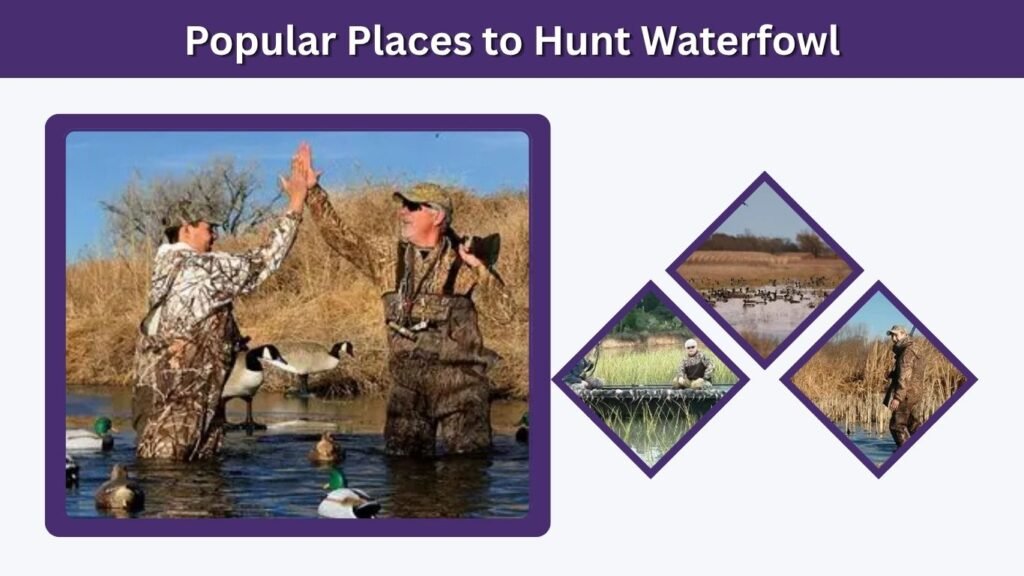
The best duck-hunting location depends on the species being pursued, migration conditions, available food, water depth, and local hunting pressure.
Marshes and Wetlands
Natural wetlands are among the most productive waterfowl habitats. They provide ducks with aquatic plants, seeds, insects, snails, and protected resting areas.
Hunters often place blinds near open pockets in vegetation or along natural travel corridors.
Flooded Agricultural Fields
Flooded rice, corn, soybean, and grain fields can attract large numbers of feeding ducks. Some landowners offer seasonal duck leases for waterfowl hunting, giving hunters access to managed fields, blinds, and private wetlands.
Before signing a lease, hunters should examine:
- Water-management arrangements
- Blind locations and accessibility
- Allowed number of hunters
- Guest policies
- Harvest rules
- Maintenance responsibilities
- Nearby hunting pressure
Rivers, Lakes, and Reservoirs
Large bodies of water can hold diving ducks and other open-water species. These areas may require boats, larger decoy spreads, and additional attention to weather and wave conditions.
Coastal Bays
Sea duck hunting occurs in coastal waters and can involve strong tides, waves, cold temperatures, and rapidly changing weather. It is usually better suited to experienced hunters or beginners working with a qualified guide.
Essential Duck Hunting Gear for Waterfowl
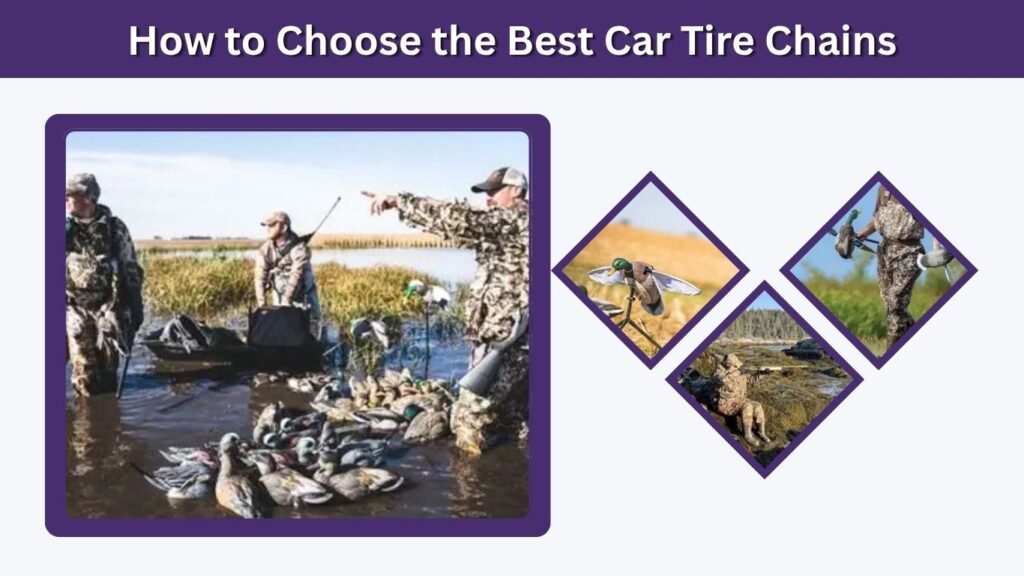
Hunters do not need every available accessory, but dependable equipment makes a hunt safer and more comfortable.
| Gear | Main purpose |
| Shotgun | Harvesting legal waterfowl |
| Approved ammunition | Meeting migratory-bird regulations |
| Chest waders | Crossing shallow water and mud |
| Waterproof jacket | Protection from rain, spray, and wind |
| Decoys | Creating the appearance of feeding or resting birds |
| Duck calls | Attracting or directing approaching ducks |
| Blind or camouflage | Concealing hunters and equipment |
| Headlamp | Navigating before sunrise |
| Gloves and warm layers | Preventing cold-related discomfort |
| Bird identification guide | Confirming species and legal status |
A waterproof bag is also useful for protecting licenses, phones, ammunition, spare clothing, and emergency supplies.
Choosing Duck Hunting Waders
Breathable chest waders are popular because they are lighter and more comfortable during long walks. Insulated waders provide additional warmth in cold conditions but may become uncomfortable during warm early-season hunts.
Important features include reinforced knees, adjustable shoulder straps, waterproof seams, hand-warmer pockets, and boots with suitable traction.
Waders should fit well without restricting movement. Hunters should also wear moisture-managing base layers rather than relying entirely on heavy cotton clothing. Cotton can retain water and lose much of its insulating ability when wet.
Even high-quality waders can leak or become damaged. Carrying dry clothing in a waterproof container can prevent a minor leak from ending the hunt.
Best Duck Decoys for Waterfowl Hunting
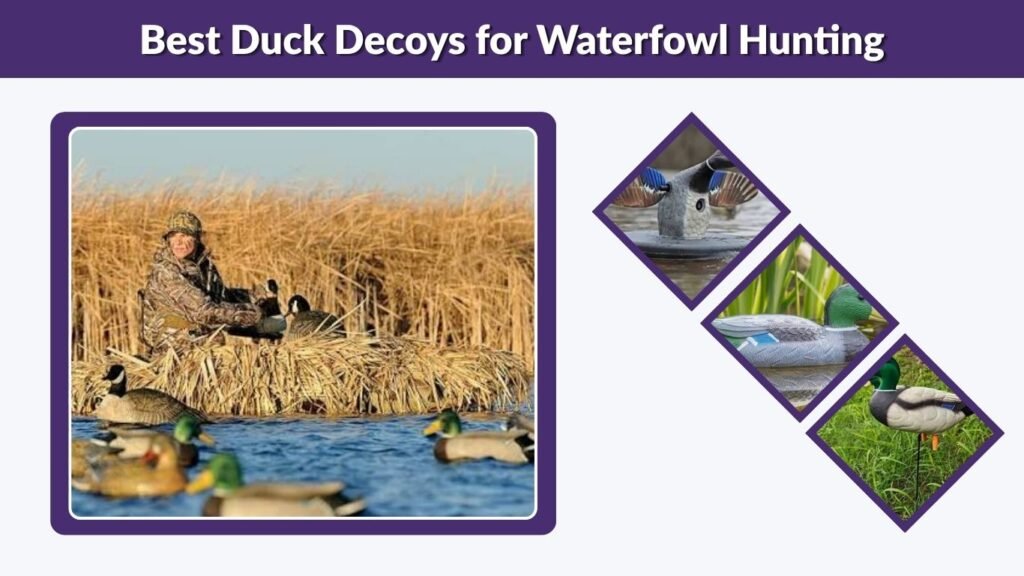
A decoy spread is intended to make a hunting area look safe, active, and attractive to passing ducks. The best spread is not always the largest. Realistic placement and an open landing area are often more important than the number of decoys.
Floating Decoys
Floating duck decoys are commonly used in ponds, marshes, lakes, and flooded fields. Hunters often use species that naturally occur in the area.
Motion Decoys
Spinning-wing and other motion decoys create visibility from a distance. They can be effective under certain conditions, although local regulations may restrict electronic or motorized decoys.
Full-Body and Field Decoys
Full-body decoys are commonly used in dry or shallow agricultural fields. They imitate feeding or resting birds and may be combined with windsocks or shells.
Arrange decoys according to the wind because ducks usually approach and land into it. Leave a visible opening near the blind rather than filling the entire landing zone.
Duck Blinds and Concealment
Ducks have excellent vision and may notice unnatural movement, bright faces, exposed hands, or poorly concealed equipment.
Common blind options include:
- Layout blinds
- Panel blinds
- Boat blinds
- Pit blinds
- Permanent shoreline blinds
- Natural vegetation blinds
A panel blind can be useful in flooded fields or along marsh edges. Portable blinds should be brushed with vegetation that matches the surroundings. Avoid cutting plants where doing so is prohibited or would damage private property.
Concealment also requires discipline. Hunters should keep their faces down, limit movement, cover reflective equipment, and wait until birds are committed before preparing to shoot.
How to Scout for Ducks
Scouting is one of the most important parts of waterfowl hunting. A large decoy spread cannot compensate for hunting where ducks do not naturally want to be.
Look for:
- Ducks entering or leaving an area
- Feeding activity
- Feathers and droppings
- Protected resting water
- Shallow water with accessible food
- Flight routes between feeding and roosting areas
- Changes caused by wind, tides, rain, or freezing temperatures
Observe from a distance whenever possible. Walking directly through a resting or feeding area may cause birds to abandon it before the hunt.
Migration reports and maps can offer regional information, but local scouting remains essential. Weather and habitat conditions may move ducks rapidly from one property to another.
Using Duck Calls Effectively
Duck calls imitate vocalizations used by waterfowl. Common techniques include greeting calls, feeding chuckles, comeback calls, and soft quacks.
Beginners often make the mistake of calling too frequently. Ducks that are already approaching may not need additional calling. Excessive or unrealistic sounds can make pressured birds suspicious.
Watch the birds’ behavior. Call when ducks appear to lose interest, turn away, or need help locating the spread. Reduce the volume as they get closer.
Calling ability helps, but location and concealment generally have a greater influence on success.
Identifying Ducks in Flight
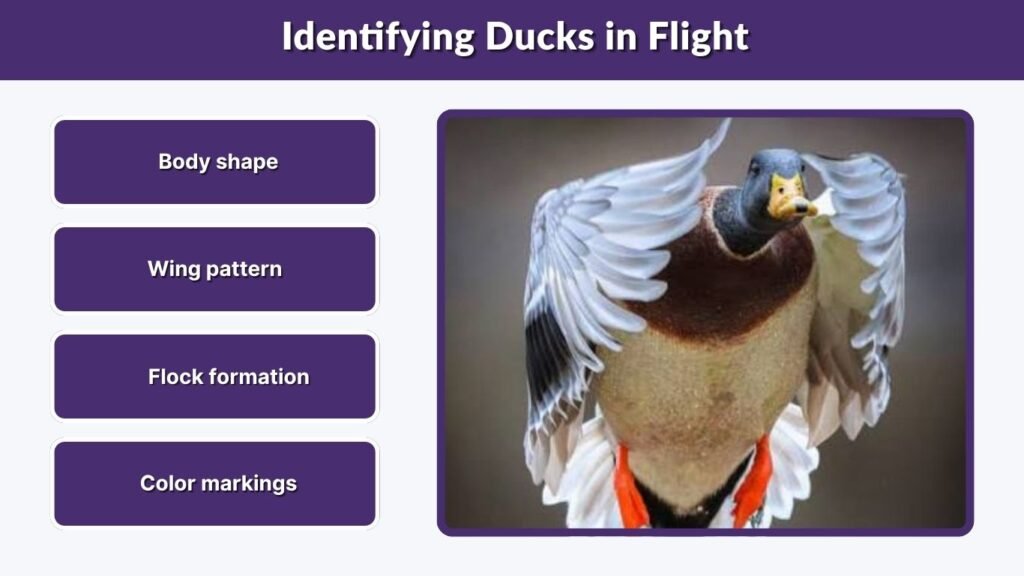
Waterfowl identification is both a hunting skill and a legal responsibility. Hunters may need to distinguish birds by:
- Size
- Body shape
- Wing pattern
- Flight speed
- Flock formation
- Habitat
- Calls
- Color markings
Lighting can make identification difficult, especially around sunrise and sunset. Never fire merely because a bird resembles a duck. Identify the species and confirm that it is legal before shooting.
Learning the common ducks in the region before the season is safer than trying to identify every bird for the first time in the field.
Licenses and Waterfowl Hunting Regulations
In the United States, waterfowl hunters generally need an appropriate state hunting license, Harvest Information Program registration, and any required state permits or stamps. Hunters aged 16 or older must also possess a current Federal Duck Stamp or valid E-Stamp when hunting migratory waterfowl. Federal Duck Stamps are valid from July 1 through June 30 of the following year.
The Federal Duck Stamp does not replace state licenses, permits, or stamps. Hunters must satisfy the requirements of each state in which they hunt.
Regulations may establish:
- Season opening and closing dates
- Daily bag limits
- Possession limits
- Legal shooting hours
- Approved hunting methods
- Ammunition requirements
- Species-specific restrictions
- Refuge or management-area rules
Always read the current federal and state regulations before every season. Do not rely on an old guide, social media post, or previous year’s rules.
Duck Hunting Safety
Waterfowl hunting involves firearms, darkness, deep mud, cold water, boats, and unpredictable weather. Hunters should treat every firearm as loaded, control the muzzle, keep their fingers outside the trigger guard until ready to fire, and positively identify both the target and what lies beyond it.
Additional precautions include:
- Unload firearms before entering or leaving a boat.
- Establish safe shooting zones for every hunter.
- Wear a life jacket when traveling by boat.
- Check wind, temperature, tides, and storms.
- Carry navigation and communication equipment.
- Tell someone where the hunt will take place.
- Avoid wading into unfamiliar deep water.
- Keep the firearm’s action and barrel free of mud and debris.
Cold-water immersion can become dangerous quickly. A life jacket, waterproof communication device, and emergency clothing are more important than carrying extra decoys.
Responsible Waterfowl Hunting
Ethical hunters take only reasonable shots, retrieve downed birds promptly, respect property boundaries, and avoid disturbing areas closed to hunting.
Hunters should also make every effort to recover crippled birds. A trained retriever or suitable boat can be valuable where vegetation, current, or deep water makes recovery difficult.
Duck Stamp revenue contributes to wetland and wildlife habitat conservation. The U.S. Fish and Wildlife Service states that 98 cents of every Duck Stamp dollar goes to the Migratory Bird Conservation Fund for purchasing or leasing habitat.
FAQs
What is the best time of day for duck hunting?
Early morning is popular because ducks often move between roosting and feeding areas near sunrise. Evening movement can also be productive where legal shooting hours allow it. Weather, hunting pressure, tides, food availability, and local duck behavior may be more important than the exact time.
Do beginners need many duck decoys?
No. A small, realistic spread placed in an active location can work better than dozens of poorly positioned decoys. Beginners should focus on creating a visible landing opening, matching local species, considering wind direction, and keeping the spread natural.
Are breathable waders suitable for cold-weather hunting?
Breathable waders can be used in cold weather when paired with appropriate insulating layers. They are lighter than many heavily insulated models and allow hunters to adjust clothing according to temperature. Hunters should avoid cotton layers and always carry dry emergency clothing.
Can you hunt ducks without a blind?
Yes. Hunters may use natural vegetation, layout boats, standing timber, or other legal concealment. However, remaining hidden is essential. Exposed faces, sudden movement, shiny equipment, and silhouettes can cause approaching ducks to turn away before entering shooting range.
Do all states require the same waterfowl licenses?
No. Federal requirements apply across the United States, but individual states may require additional licenses, stamps, permits, registrations, or management-area access documents. Season dates and bag limits also vary, so hunters must consult the current regulations for the state and specific hunting property.
