
Florida is home to a wide variety of duck species, thanks to its rich wetlands, lakes, and coastal habitats. From colorful native ducks to seasonal migratory visitors, these birds play an important role in the state’s ecosystem. Some ducks live in Florida year-round, while others arrive during winter in search of warmer climates. In this guide, you will discover 13 types of ducks commonly found in Florida, along with their key characteristics and behaviors.
1. Muscovy Duck
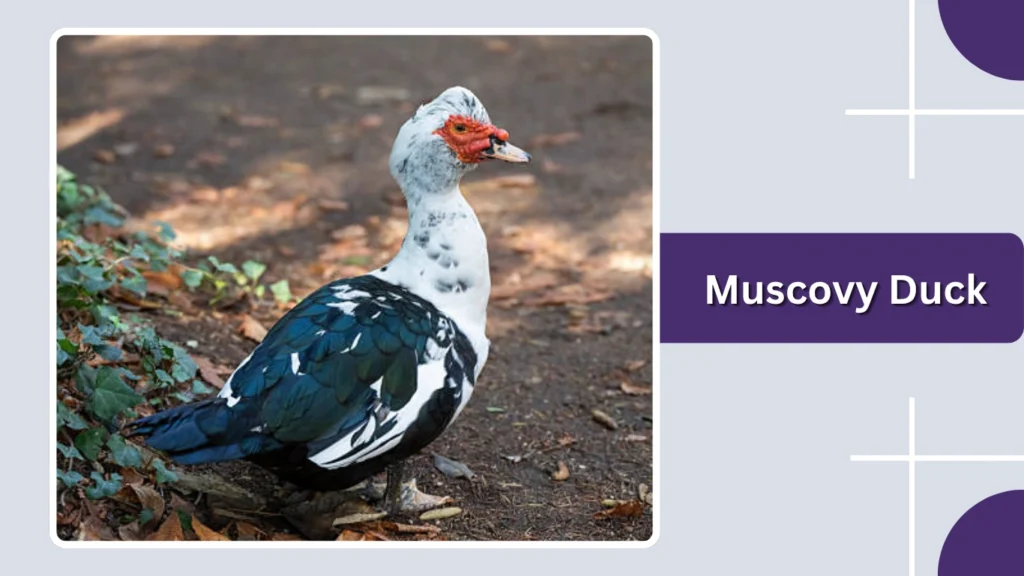
The Muscovy Duck is one of the most recognizable ducks found in Florida due to its unusual appearance and adaptability. Originally native to Central and South America, it is now widespread across Florida, especially in urban and suburban areas. Unlike many wild ducks, Muscovy ducks are often comfortable around humans and are frequently seen in parks, neighborhoods, and near water bodies. Their ability to thrive in both wild and human-modified environments makes them a common sight throughout the state.
Identification
- Large, heavy-bodied duck with a long, broad tail
- Mostly dark (black or dark brown) plumage with noticeable white patches on the wings
- Distinctive red, bumpy skin (caruncles) around the face and bill
- Flat, wide bill that can vary in color
- Males are much larger than females and have more pronounced caruncles
Habitat
Muscovy ducks are highly adaptable and can live in a variety of environments. In Florida, they are commonly found near freshwater sources such as ponds, lakes, canals, wetlands, and slow-moving rivers. They also thrive in urban and suburban settings, including city parks, golf courses, and residential neighborhoods where water is available. Unlike many other ducks, Muscovies often perch and nest in trees, especially near water. They prefer areas with easy access to both water and land, allowing them to forage and rest comfortably. Their adaptability to human presence has allowed them to expand beyond natural habitats into developed areas.
Behaviors
Muscovy ducks are generally calm and less vocal than most duck species. Instead of loud quacks, they communicate using soft hissing or cooing sounds. They are often seen walking on land more than swimming, and they spend time foraging for food in grassy areas. One unique behavior is their ability to perch in trees, which is uncommon among ducks. They are also known to be social but can sometimes show mild aggression, especially during breeding season. Muscovies are strong fliers, though domesticated populations may fly less. Their relaxed behavior around humans often leads them to gather in groups in populated areas.
Diet and Lifespan
Muscovy ducks are omnivores with a varied diet. They feed on aquatic vegetation, seeds, grasses, insects, small fish, amphibians, and crustaceans. In urban areas, they may also consume human-provided food, though this is not always beneficial for their health. Their natural foraging helps control insect populations, making them beneficial in some environments. In the wild, Muscovy ducks typically live between 8 to 12 years, depending on environmental conditions and threats such as predators or disease. In safer, managed environments, they may live even longer with proper care and fewer risks.
2. Wood Duck
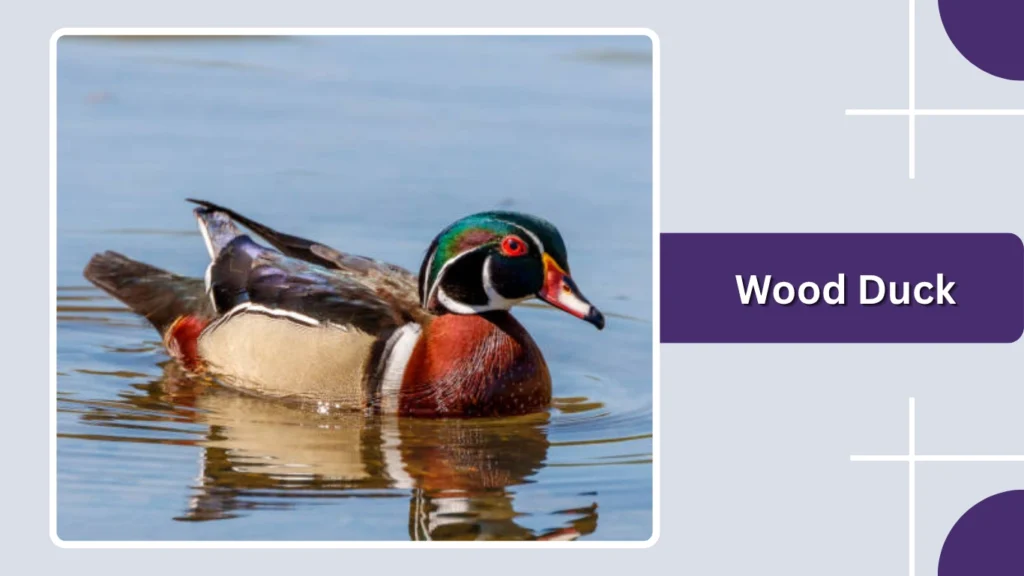
The Wood Duck is one of the most colorful and striking duck species found in Florida. Known for its vibrant plumage and unique tree-nesting habits, it is commonly seen in wooded swamps, marshes, and freshwater wetlands. This species has made a strong comeback after past population declines and is now widely distributed across the state. Its preference for quiet, forested habitats makes it a favorite among birdwatchers.
Identification
- Medium-sized duck with a compact body
- Males have iridescent green and purple heads with bold white markings
- Bright red eyes and multicolored bill in males
- Females are gray-brown with a white teardrop-shaped eye patch
- Both sexes have a crested head and broad wings
Habitat
Wood Ducks prefer wooded freshwater habitats, especially swamps, marshes, ponds, and slow-moving rivers surrounded by trees. In Florida, they are commonly found in forested wetlands and areas with abundant vegetation. Unlike many ducks, they rely heavily on trees for nesting, often choosing natural cavities or nest boxes near water. These ducks require a mix of open water for feeding and dense tree cover for protection and nesting. They are less likely to be found in open, treeless wetlands, as trees are essential for their survival and breeding.
Behaviors
Wood Ducks are known for their agility and unique nesting habits. They often perch on branches and can fly swiftly through dense forests. During breeding season, females nest in tree cavities and may lay eggs in shared nests, a behavior known as “egg dumping.” After hatching, ducklings jump from the nest to the ground, sometimes from significant heights, without injury. These ducks are generally shy and avoid human disturbance, often staying hidden in thick vegetation. They are active during early morning and evening, spending much of their time feeding or resting near water.
Diet and Lifespan
Wood Ducks have a varied diet that changes with the seasons. They feed on seeds, fruits, nuts, aquatic plants, and insects. Acorns and other tree seeds are especially important in their diet, particularly in forested habitats. They may also consume small aquatic animals such as snails and larvae. In the wild, Wood Ducks typically live around 5 to 10 years, though many face threats from predators, habitat loss, and environmental changes. With suitable habitat and protection, their populations remain stable and healthy in Florida.
3. Mottled Duck
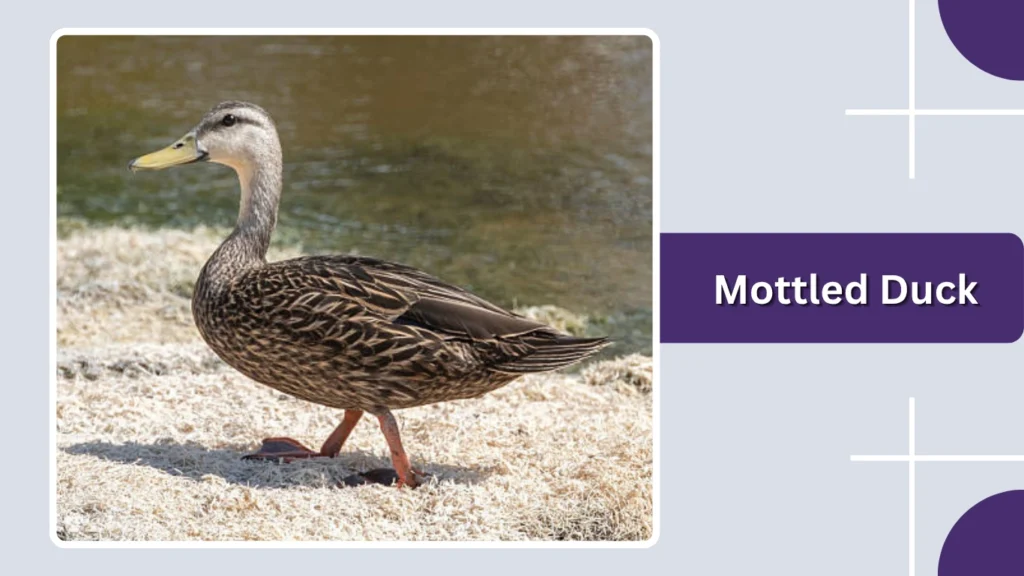
The Mottled Duck is a native Florida species and is especially important because it does not migrate like many other ducks. It lives year-round in the state and is closely associated with Florida’s wetlands. Often confused with female Mallards, this duck plays a key role in local ecosystems. Its strong connection to coastal marshes and freshwater wetlands makes it a true symbol of Florida’s natural wildlife.
Identification
- Medium-sized duck with a sturdy body
- Overall mottled brown appearance with darker streaks
- Orange bill in females, yellowish bill in males
- Dark eye stripe and lighter face
- White wing patch visible in flight
Habitat
Mottled Ducks are primarily found in freshwater and brackish wetlands across Florida. They favor marshes, ponds, lakes, coastal estuaries, and flooded grasslands. Unlike many duck species, they remain in Florida throughout the year and do not migrate long distances. They prefer shallow waters with abundant vegetation, which provides both food and protection. Coastal marshes are especially important for their survival, as these areas offer ideal nesting and feeding conditions. Habitat loss due to development and environmental changes can impact their population, making wetland conservation crucial for this species.
Behaviors
Mottled Ducks are generally non-migratory and tend to stay within a limited range. They are often seen alone or in small groups rather than large flocks. During the breeding season, they become more territorial and secretive, nesting in dense vegetation near water. These ducks are cautious and tend to avoid human disturbance when possible. They spend much of their time dabbling in shallow water to feed. Their flight is quick and direct, and they can be quite agile when escaping predators. Overall, they exhibit calm but alert behavior in their natural habitat.
Diet and Lifespan
Mottled Ducks are omnivorous and feed mainly by dabbling in shallow water. Their diet includes seeds, grasses, aquatic plants, insects, snails, and small crustaceans. They rely heavily on wetland vegetation, which provides essential nutrients. Seasonal changes may affect their food availability, but they adapt well to different conditions. In the wild, Mottled Ducks typically live around 5 to 10 years. However, their lifespan can be influenced by habitat quality, predation, and environmental factors. Protecting wetlands helps ensure a stable food supply and supports their long-term survival.
4. American Black Duck
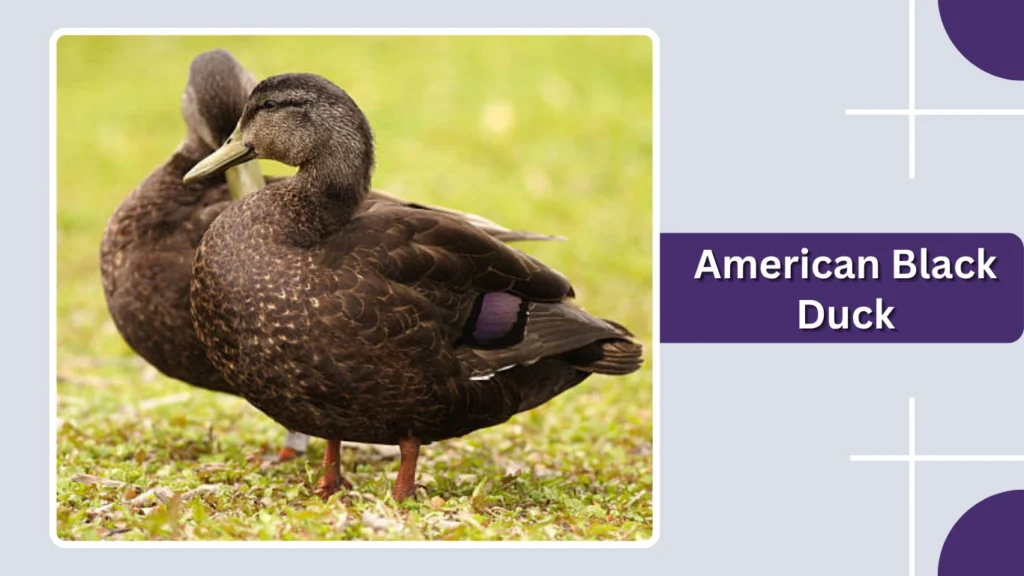
The American Black Duck is a large, dark-colored duck that is less common in Florida but can still be found during the winter months. It closely resembles the female Mallard but is generally darker overall. This species prefers quiet wetlands and is often seen in small groups or mixed with other ducks. Its secretive nature and preference for undisturbed habitats make it less noticeable than more common species.
Identification
- Large duck with a dark brown, almost black body
- Lighter brown head with a slightly paler throat
- Olive-yellow bill in males, duller greenish bill in females
- Purple-blue wing patch (speculum) without white borders
- Orange legs and feet
Habitat
American Black Ducks prefer coastal marshes, estuaries, and freshwater wetlands. In Florida, they are mostly seen in winter, especially in northern and coastal regions. They favor quiet, undisturbed habitats with plenty of vegetation for cover and feeding. These ducks are commonly found in brackish waters but will also use inland wetlands such as ponds, lakes, and flooded fields. Their reliance on healthy wetland ecosystems makes them sensitive to habitat loss and environmental changes.
Behaviors
American Black Ducks are generally shy and cautious, often avoiding areas with heavy human activity. They are usually seen in small flocks or paired with other species like Mallards. These ducks are strong fliers and migrate seasonally, arriving in Florida during colder months. They spend much of their time dabbling in shallow water for food. During the day, they rest in sheltered areas and become more active during early morning and evening. Their quiet and reserved behavior helps them stay hidden from predators.
Diet and Lifespan
Their diet consists mainly of plant material such as seeds, grasses, and aquatic vegetation. They also consume insects, mollusks, and small aquatic animals. Feeding usually occurs in shallow water where they can easily reach food by tipping forward. American Black Ducks typically live around 5 to 11 years in the wild. Their survival depends on habitat quality, food availability, and protection from hunting and environmental threats.
5. Mallard
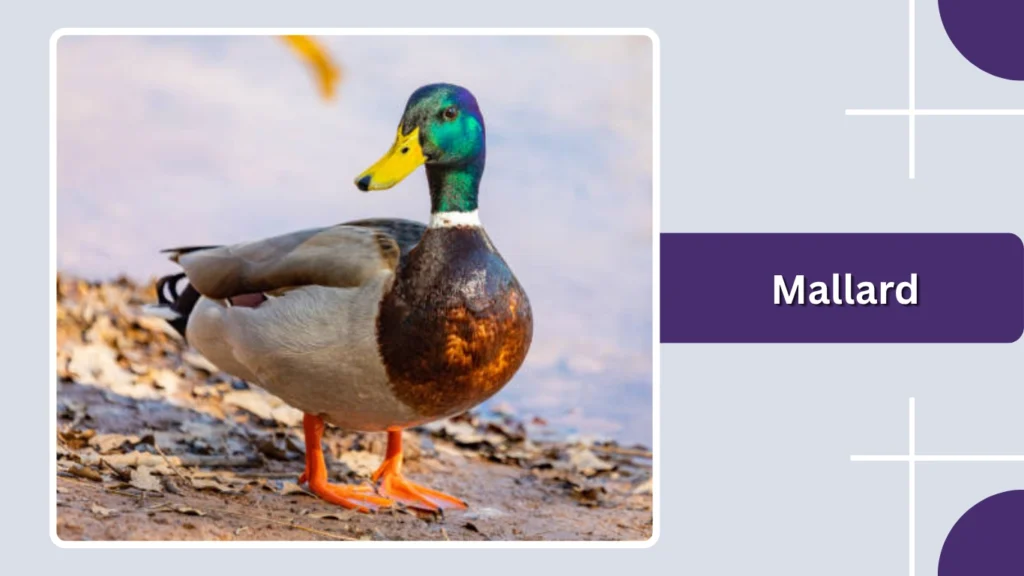
The Mallard is one of the most widespread and recognizable duck species in Florida and across the world. It is highly adaptable and can be found in both natural wetlands and urban environments. Mallards are often seen in parks, ponds, lakes, and canals, where they easily coexist with humans. Their familiar appearance and behavior make them one of the most commonly observed ducks in the state.
Identification
- Medium to large duck with a rounded body
- Males have a glossy green head, white neck ring, and chestnut-brown chest
- Females are mottled brown with an orange bill marked with dark spots
- Both sexes have a blue wing patch (speculum) with white borders
- Bright orange legs and feet
Habitat
Mallards are extremely adaptable and can live in a wide range of habitats. In Florida, they are found in freshwater wetlands, lakes, ponds, rivers, marshes, and even urban water bodies like city parks and drainage canals. They prefer areas with calm, shallow water and plenty of vegetation for feeding and nesting. Mallards are also comfortable in human-populated areas, often relying on artificial water sources. Their flexibility in habitat choice allows them to thrive in both natural and developed environments throughout the state.
Behaviors
Mallards are social birds and are often seen in pairs or groups. They are known for their classic “quacking,” especially by females. These ducks are dabblers, meaning they feed by tipping forward in the water rather than diving. They are strong fliers and may migrate, though some populations in Florida remain year-round. During breeding season, males can become more territorial. Mallards are also highly adaptable in behavior, often becoming tame in urban areas where they are frequently around people.
Diet and Lifespan
Mallards have a varied omnivorous diet that includes seeds, aquatic plants, grasses, insects, worms, and small fish. In urban areas, they may also consume human-provided food, although this is not always healthy for them. They typically feed in shallow water or on land. In the wild, Mallards usually live between 5 to 10 years, though some individuals may live longer under favorable conditions. Their survival depends on habitat quality, food availability, and protection from predators.
6. Blue-winged Teal
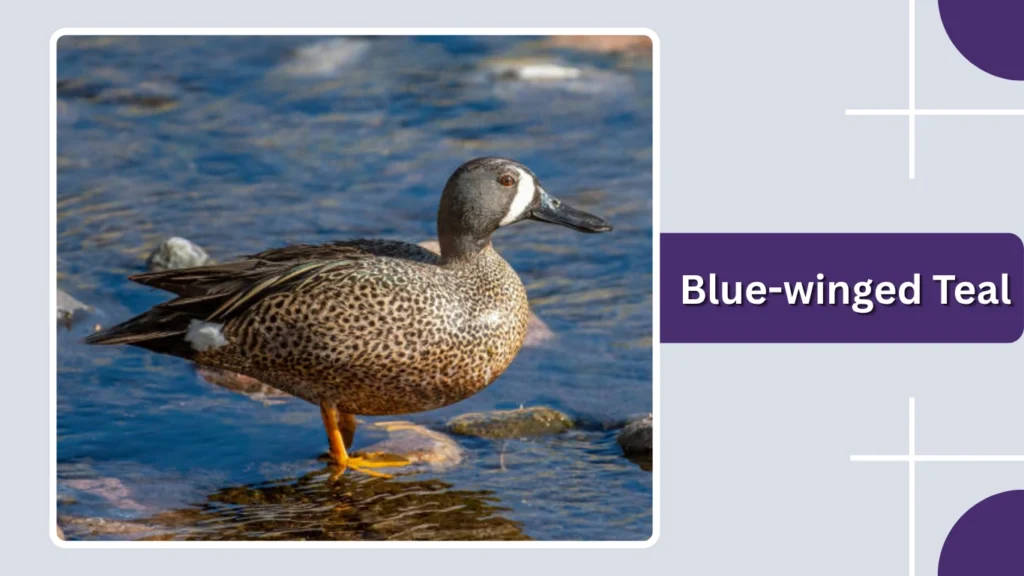
The Blue-winged Teal is a small, fast-flying duck commonly found in Florida, especially during migration seasons. It is one of the earliest ducks to migrate south and can be seen in large numbers in wetlands across the state. Known for its agility and quick movements, this species prefers shallow waters and is often spotted in groups.
Identification
- Small, compact duck with a slender body
- Males have a blue-gray head with a bold white crescent in front of the eye
- Females are mottled brown and resemble other small dabbling ducks
- Both sexes have powder-blue wing patches visible in flight
- Dark bill and relatively long, narrow wings
Habitat
Blue-winged Teal prefer shallow freshwater habitats such as marshes, ponds, flooded fields, and wetlands. In Florida, they are most commonly seen during migration and winter months. They favor areas with abundant aquatic vegetation, which provides both food and cover. These ducks are often found in quiet, open wetlands rather than heavily wooded areas. Seasonal flooding creates ideal conditions for them, as it increases the availability of food sources. Their preference for shallow water makes them well-suited to Florida’s diverse wetland ecosystems.
Behaviors
Blue-winged Teal are active and fast-moving ducks, often seen flying in tight, coordinated flocks. They are dabbling ducks, feeding by tipping forward in shallow water. These birds are known for their early migration patterns, often arriving in Florida before many other species. They tend to be social and are usually found in groups, especially during migration. When disturbed, they take off quickly and fly low over the water. Their alert and energetic behavior helps them avoid predators and adapt to changing environments.
Diet and Lifespan
Their diet mainly consists of seeds, aquatic plants, and small invertebrates such as insects and crustaceans. They feed in shallow water where food is easily accessible. Blue-winged Teal may also forage on land for grains and grasses. In the wild, they typically live around 5 to 8 years, though lifespan can vary depending on environmental conditions and predation. Healthy wetlands with abundant food sources are essential for supporting their populations during migration and wintering periods.
7. Green-winged Teal
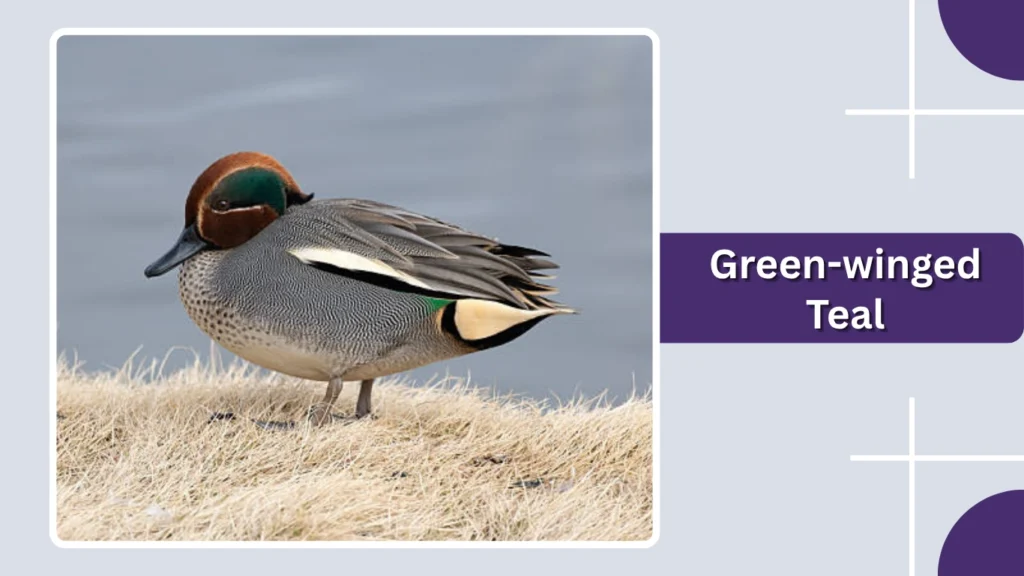
The Green-winged Teal is the smallest dabbling duck found in Florida and is especially noticeable during the winter months. Despite its small size, it is quick, agile, and often seen in large flocks. This species prefers calm, shallow waters and is known for its striking markings, particularly in males. It is a common visitor to Florida’s wetlands during migration and winter.
Identification
- Very small, compact duck with a short neck
- Males have a chestnut head with a dark green patch running from eye to back of head
- Females are mottled brown and similar to other small ducks
- Both sexes have a green wing patch (speculum) visible in flight
- Short bill and rapid wingbeats during flight
Habitat
Green-winged Teal prefer shallow wetlands such as marshes, ponds, flooded fields, and coastal estuaries. In Florida, they are mainly found during winter when they migrate from northern breeding areas. They favor quiet waters with plenty of vegetation, which provides food and shelter. These ducks are often seen along the edges of wetlands where the water is shallow. They may also use agricultural fields that are temporarily flooded. Their adaptability allows them to thrive in both freshwater and slightly brackish environments.
Behaviors
These ducks are highly social and are often seen in flocks, sometimes mixed with other teal species. They are quick and agile fliers, capable of sudden twists and turns to avoid predators. Green-winged Teal are dabblers, feeding in shallow water by tipping forward. They are generally cautious and may quickly take flight when disturbed. During the day, they rest in sheltered areas and become more active during early morning and evening. Their small size and speed make them one of the most dynamic ducks to observe.
Diet and Lifespan
Green-winged Teal feed primarily on seeds, aquatic plants, and small invertebrates such as insects and crustaceans. They forage in shallow water or muddy edges of wetlands. Their diet can vary depending on availability, but plant material makes up a large portion. In the wild, they typically live around 5 to 10 years. Survival depends on habitat quality, food supply, and protection from predators and environmental changes.
8. Northern Shoveler
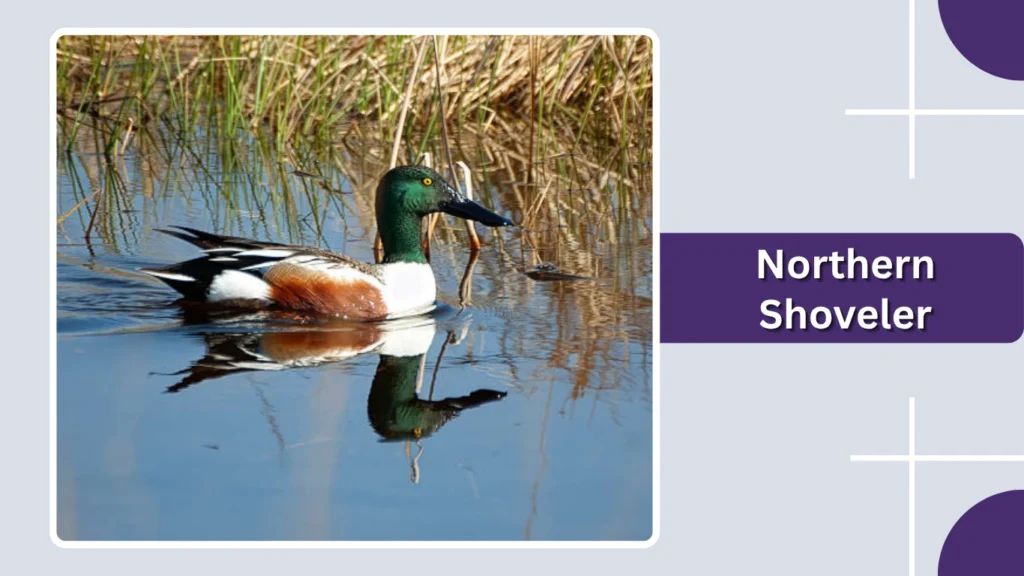
The Northern Shoveler is a unique and easily recognizable duck found in Florida, especially during winter. It is best known for its large, spoon-shaped bill, which it uses to filter food from the water. This species is often seen in shallow wetlands, moving in groups as they feed. Its distinctive feeding behavior and bold appearance make it stand out among other ducks.
Identification
- Medium-sized duck with a stocky body
- Large, wide, spoon-shaped bill
- Males have a dark green head, white chest, and chestnut sides
- Females are mottled brown with a large orange-brown bill
- Both sexes show blue wing patches in flight
Habitat
Northern Shovelers prefer shallow freshwater habitats such as marshes, ponds, lakes, and flooded fields. In Florida, they are most commonly seen during winter migration. They favor areas with calm, shallow water rich in plant life and small aquatic organisms. These ducks are often found in open wetlands rather than heavily wooded areas. Their specialized feeding style requires water that is shallow enough for easy filtering, making Florida’s wetlands an ideal seasonal habitat.
Behaviors
Northern Shovelers are known for their distinctive feeding behavior. They often swim in circles, sometimes in groups, to stir up food from the bottom. Using their large bills, they filter tiny plants and animals from the water. They are social birds and are frequently seen in flocks. During flight, they are fast and direct, often traveling in small groups. While generally calm, they remain alert and will quickly take off if disturbed. Their cooperative feeding behavior is one of their most interesting traits.
Diet and Lifespan
Their diet mainly consists of small aquatic organisms such as plankton, insects, crustaceans, and seeds. The specialized bill allows them to strain food efficiently from the water. They feed mostly in shallow areas where food is abundant. Northern Shovelers typically live around 5 to 10 years in the wild. Their survival depends on wetland health, food availability, and protection from environmental threats and predators.
9. Gadwall
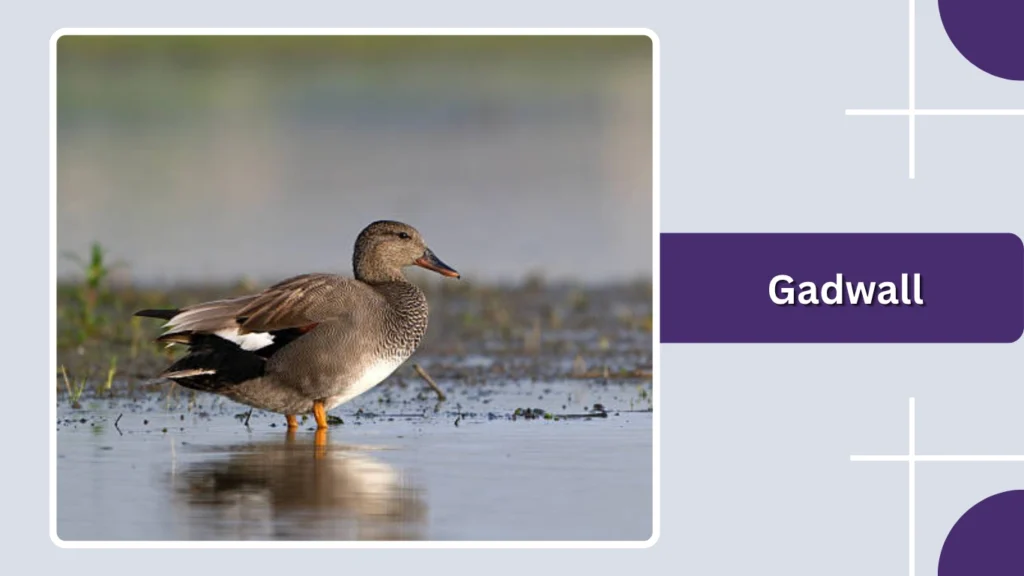
The Gadwall is a subtle but elegant duck species found in Florida בעיקר during the winter months. Unlike more colorful ducks, it has a more understated appearance, yet it is quite common in wetlands across the state. Gadwalls are often seen in mixed flocks with other dabbling ducks and are known for their calm nature and efficient feeding habits.
Identification
- Medium-sized duck with a sleek, balanced body
- Males have finely patterned gray plumage with a black rear end
- Females are mottled brown and resemble female Mallards
- White wing patch visible in flight
- Dark bill and orange legs
Habitat
Gadwalls prefer freshwater wetlands such as marshes, lakes, ponds, and slow-moving rivers. In Florida, they are most commonly found during winter migration. They favor open water areas with abundant submerged vegetation, which provides a reliable food source. Gadwalls are often seen in shallow waters where they can easily feed. They may also inhabit brackish wetlands, but freshwater habitats are generally preferred. Quiet, undisturbed environments with plenty of plant life are ideal for their survival and seasonal stay.
Behaviors
Gadwalls are generally calm and social ducks, often found in small to medium-sized flocks. They are dabblers, feeding by tipping forward in shallow water. One interesting behavior is that they sometimes steal food from other ducks after they bring it to the surface. They are not as vocal as some species and tend to be less aggressive. During flight, they are steady and direct. Gadwalls are also cautious and will move away from disturbances, preferring peaceful wetland areas.
Diet and Lifespan
Gadwalls feed mainly on aquatic vegetation such as submerged plants, algae, and grasses. They also consume insects, crustaceans, and small invertebrates, especially during breeding periods. Their diet is more plant-based compared to many other ducks. Feeding usually takes place in shallow water where vegetation is easy to reach. In the wild, Gadwalls typically live around 5 to 10 years. Their lifespan depends on habitat quality, availability of food, and protection from predators and environmental changes.
10. American Wigeon
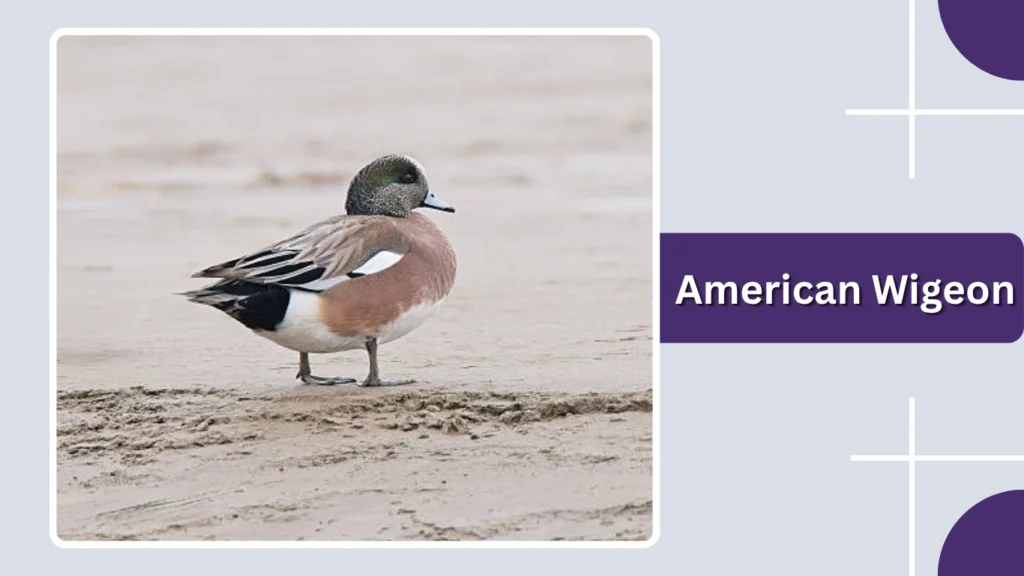
The American Wigeon is a medium-sized duck commonly found in Florida during the winter months. It is often seen in open wetlands and grassy areas near water. Known for its whistling calls and grazing habits, this species stands out for feeding more on land than many other ducks. It is social and frequently found in mixed flocks.
Identification
- Medium-sized duck with a rounded head
- Males have a white or cream-colored crown with a green patch behind the eye
- Pinkish-brown body and gray sides in males
- Females are mostly brown with a grayish head
- Short bill with a bluish-gray color and black tip
Habitat
American Wigeons prefer freshwater wetlands such as lakes, ponds, marshes, and slow-moving rivers. In Florida, they are mostly seen during winter migration. They also use coastal estuaries and grassy shorelines. These ducks often spend time on land grazing near water bodies, which makes them slightly different from many other duck species. They prefer open areas with easy access to both water and grass. Their adaptability allows them to thrive in a variety of wetland environments across the state during their seasonal stay.
Behaviors
American Wigeons are social and are usually seen in groups, often mixed with other duck species. They are known for their soft whistling calls, especially from males. Unlike many ducks, they frequently graze on land, feeding on grasses much like geese. They may also follow other ducks and steal food from them, a behavior known as kleptoparasitism. They are alert and quick to react to disturbances, taking flight rapidly when threatened. Their combination of grazing and dabbling makes their behavior quite unique among ducks.
Diet and Lifespan
Their diet mainly consists of grasses, aquatic plants, and vegetation. They also eat insects, snails, and small aquatic organisms when available. Feeding often occurs both on land and in shallow water. American Wigeons typically live around 5 to 10 years in the wild. Their lifespan depends on habitat conditions, food availability, and protection from predators. Healthy wetlands and open grassy areas are important for supporting their populations during winter.
11. Canvasback
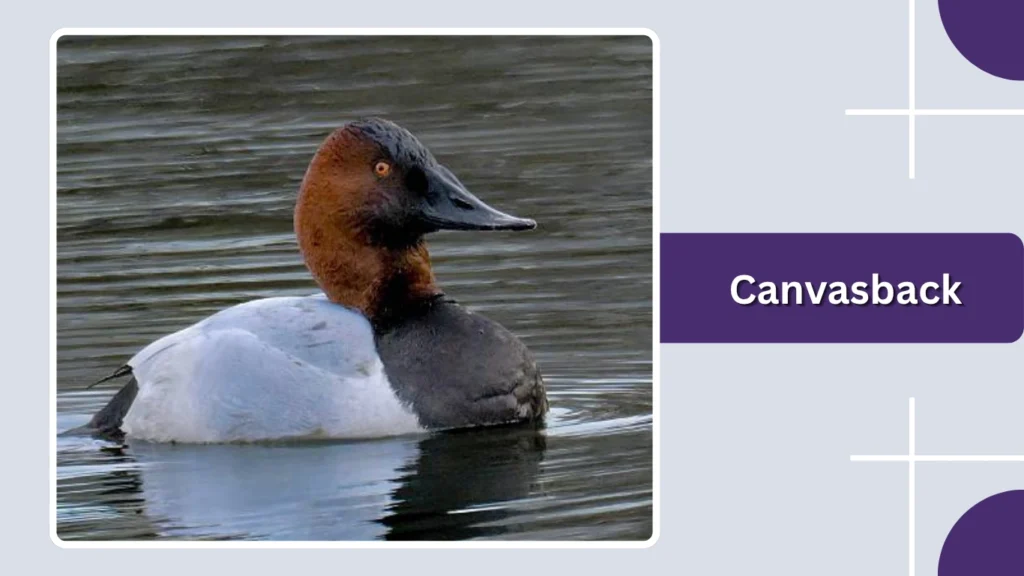
The Canvasback is a large diving duck that can be found in Florida during the winter months. It is known for its elegant profile and preference for deeper water compared to dabbling ducks. This species is less common than others on the list but is still an important part of Florida’s seasonal waterfowl population.
Identification
- Large duck with a long, sloping forehead and neck
- Males have a reddish-brown head, black chest, and pale gray body
- Females are duller with a light brown head and grayish body
- Red eyes in males, darker eyes in females
- Long, straight bill that is dark in color
Habitat
Canvasbacks prefer large, open bodies of water such as lakes, reservoirs, and coastal bays. In Florida, they are mainly seen during winter migration. Unlike dabbling ducks, they favor deeper water where they can dive for food. They are often found in areas with abundant aquatic vegetation. Coastal estuaries and inland lakes provide suitable conditions for feeding and resting. These ducks require open water with minimal disturbance, as they rely on diving to access their food sources.
Behaviors
Canvasbacks are diving ducks, meaning they submerge completely to find food underwater. They are strong swimmers and can dive repeatedly in search of vegetation. These ducks are usually seen in small groups or flocks, often floating in open water. They are less likely to be found walking on land compared to dabbling ducks. During flight, they are fast and direct, with steady wingbeats. They are generally quiet birds and tend to avoid heavily disturbed areas, preferring calm and open environments.
Diet and Lifespan
Their diet mainly consists of aquatic plants, especially roots and tubers, which they obtain by diving. They may also eat small invertebrates such as insects and mollusks. Feeding takes place in deeper water where their diving ability gives them an advantage. Canvasbacks typically live around 5 to 10 years in the wild. Their survival depends on the availability of clean water, healthy aquatic vegetation, and protection from environmental threats and predators.
12. Redhead
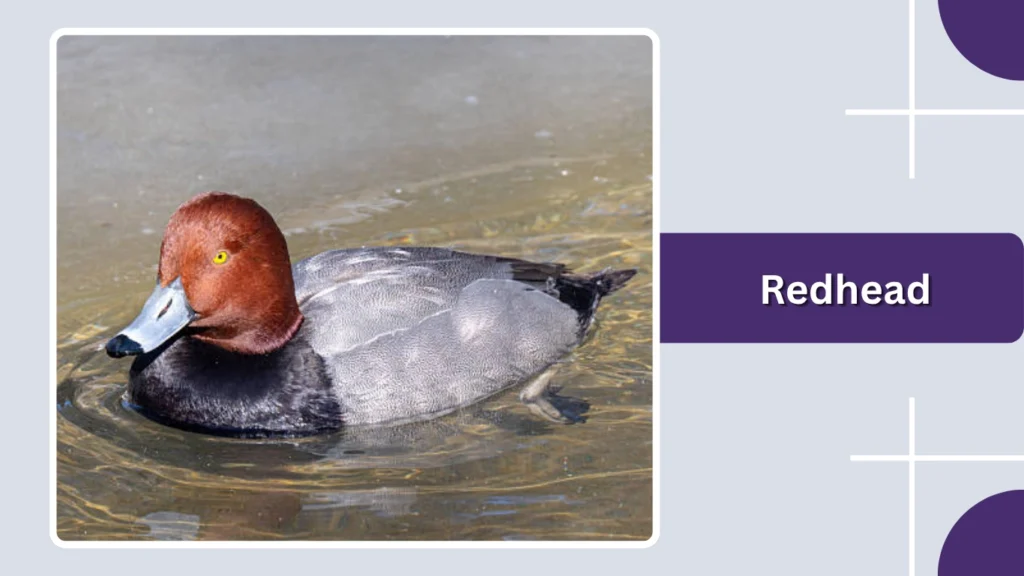
The Redhead is a medium to large diving duck that visits Florida during the winter months. It is commonly found in coastal waters and large inland lakes. Known for its rounded head and smooth profile, this species often gathers in flocks and is frequently seen resting on open water. It is an important part of Florida’s seasonal waterfowl diversity.
Identification
- Medium to large duck with a rounded head
- Males have a reddish-brown head and a gray body
- Black chest and tail in males
- Females are brown overall with a lighter face
- Blue-gray bill with a black tip
Habitat
Redheads prefer large bodies of water such as coastal bays, estuaries, lakes, and reservoirs. In Florida, they are mostly seen during winter. They favor deeper water compared to dabbling ducks, as they rely on diving to feed. Coastal areas with seagrass beds are especially important for them. They may also use inland lakes that provide enough depth and food resources. Calm, open water with minimal disturbance is ideal for their survival during migration.
Behaviors
Redheads are diving ducks and spend much of their time on open water. They dive beneath the surface to search for food and can stay underwater for several seconds. These ducks are social and are often seen in flocks, sometimes mixed with other diving species. They are strong fliers and migrate long distances between breeding and wintering grounds. On land, they are less active and prefer to remain on water. Their calm and steady behavior makes them easy to observe from a distance.
Diet and Lifespan
Their diet mainly consists of aquatic plants, especially submerged vegetation like seagrass. They also eat mollusks, insects, and other small aquatic animals. Feeding is done by diving in deeper water. Redheads typically live around 5 to 10 years in the wild. Their lifespan depends on habitat quality, food availability, and environmental conditions. Healthy aquatic ecosystems are essential for supporting their populations during winter.
13. Ring-necked Duck
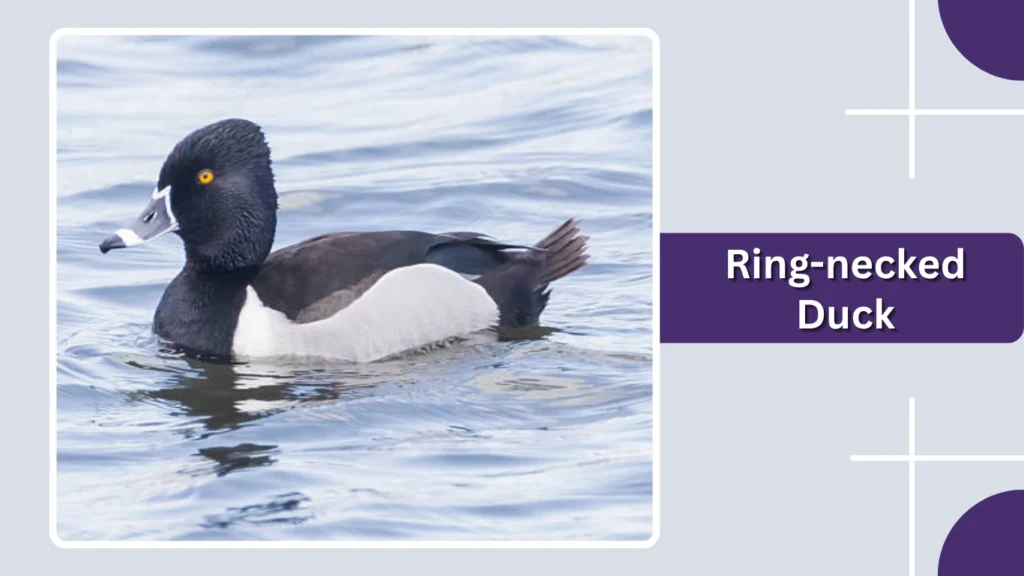
The Ring-necked Duck is a medium-sized diving duck commonly found in Florida during the winter months. Despite its name, the ring around its neck is usually hard to see, making it less noticeable than other features. This species prefers freshwater habitats and is often seen in small groups on lakes and ponds. It is an important winter visitor to Florida’s wetlands.
Identification
- Medium-sized duck with a compact body
- Males have a glossy black head, back, and chest with gray sides
- Subtle brown ring around the neck (often difficult to see)
- Distinct white ring near the tip of the bill
- Females are brown with a lighter face and eye ring
Habitat
Ring-necked Ducks prefer freshwater habitats such as lakes, ponds, marshes, and slow-moving rivers. In Florida, they are mainly present during winter migration. They favor calm waters with plenty of submerged vegetation, which provides food and shelter. These ducks are often found in wooded wetlands or quiet lakes rather than open coastal areas. Their preference for freshwater environments makes them common in inland parts of the state during the cooler months.
Behaviors
Ring-necked Ducks are diving ducks and spend much of their time swimming and foraging underwater. They are usually seen in small flocks, sometimes mixing with other diving species. These ducks are relatively quiet and cautious, often moving away from disturbances. They dive quickly to escape danger and to find food. During flight, they are fast and direct, often flying in tight groups. Their behavior is generally calm, and they prefer peaceful, undisturbed waters.
Diet and Lifespan
Their diet mainly includes aquatic plants, seeds, and small invertebrates such as insects and mollusks. They dive underwater to reach food, often feeding in deeper areas compared to dabbling ducks. Ring-necked Ducks typically live around 6 to 12 years in the wild. Their survival depends on the availability of clean freshwater habitats, sufficient food sources, and protection from predators and environmental changes.
FAQs
What is the most common duck in Florida?
The Mallard is one of the most common ducks in Florida, especially in urban areas like parks and ponds. However, species like the Mottled Duck are also very common and unique because they live in Florida year-round rather than migrating seasonally.
Do all ducks in Florida migrate?
No, not all ducks in Florida migrate. Some species, like the Mottled Duck and Muscovy Duck, stay in Florida throughout the year. Others, such as the Blue-winged Teal and American Wigeon, migrate to Florida mainly during the winter months.
What is the difference between dabbling and diving ducks?
Dabbling ducks feed in shallow water by tipping forward to reach food, while diving ducks completely submerge to find food underwater. Dabbling ducks are often found in shallow wetlands, whereas diving ducks prefer deeper lakes and coastal waters.
Where is the best place to see ducks in Florida?
Ducks in Florida can be seen in wetlands, lakes, marshes, and coastal areas. Popular spots include wildlife refuges, state parks, and even urban ponds. Early morning and evening are the best times to observe them when they are most active.
What do ducks in Florida eat?
Ducks in Florida have varied diets depending on the species. Most eat aquatic plants, seeds, insects, and small aquatic animals. Some species also graze on grass or feed in shallow water, while others dive deeper to find food like mollusks and vegetation.
