
Texas is one of the top destinations for deer hunting in the United States, offering vast landscapes and one of the largest deer populations in the country. Whether you’re a beginner or an experienced hunter, understanding when deer hunting season begins is essential for planning a successful trip.
In Texas, deer hunting primarily focuses on two species: whitetail deer, found across most of the state, and mule deer, which are more common in western regions. However, hunting seasons are not the same everywhere—they vary depending on the zone, weapon type, and regulations set by Texas Parks and Wildlife Department (TPWD).
This guide breaks down everything you need to know about deer hunting season in Texas, including dates, zones, and key rules to follow.
Overview of Deer Hunting in Texas
Deer hunting plays a major role in Texas wildlife management and outdoor culture. The state is home to millions of whitetail deer, making it one of the most popular hunting destinations in North America. Mule deer, although less common, are also hunted in specific regions like the Panhandle and Trans-Pecos.
The Texas Parks and Wildlife Department (TPWD) regulates all hunting activities to ensure sustainable deer populations and safe hunting practices. These regulations include season dates, bag limits, and equipment restrictions, which hunters must follow strictly.
Texas offers multiple types of hunting seasons to accommodate different preferences and skill levels. These include archery-only seasons, general rifle seasons, youth-only opportunities, and special late seasons. Each type allows hunters to participate at different times of the year while helping manage deer populations effectively.
Understanding how these seasons are structured is the first step toward planning your hunt.
Texas Deer Hunting Season Dates
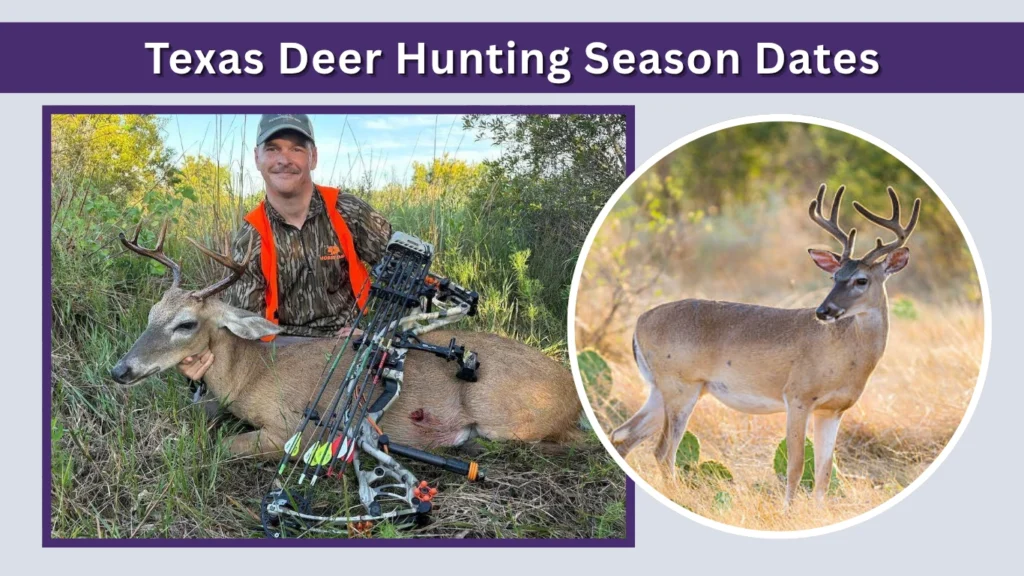
Deer hunting season in Texas is divided into several categories based on weapon type and hunter eligibility. While exact dates may vary slightly each year, the general structure remains consistent.
Archery Season
Archery season typically kicks off the deer hunting calendar in Texas, usually starting in late September or early October. This season gives bowhunters an early opportunity before the woods become more crowded during rifle season.
During this period, only archery equipment such as compound bows, recurve bows, and crossbows (where legal) can be used. Firearms are not permitted. Because deer are less pressured early in the season, hunters often find them easier to pattern and track near feeding areas.
Archery season is especially appealing to hunters who prefer a quieter, more challenging experience.
General (Gun/Rifle) Season
The general season is the most popular and widely participated deer hunting period in Texas. It usually begins in early November and attracts the largest number of hunters.
This season allows the use of legal firearms, including rifles, making it more accessible for many hunters. However, the duration of the general season depends on the hunting zone:
- In the North Zone, the season typically ends earlier
- In the South Zone, it often extends into January
The timing of this season also overlaps with the rut (breeding season) in many areas, which increases deer movement and improves hunting success.
Muzzleloader Season
After the general season ends, Texas offers a muzzleloader-only season in certain counties. This short season gives hunters another opportunity to harvest deer using primitive firearms.
Muzzleloaders require more skill and preparation compared to modern rifles, making this season attractive to experienced hunters looking for a traditional challenge.
Not all counties participate in muzzleloader season, so it’s important to check local regulations before planning your hunt.
Youth-Only Seasons
Texas provides special youth-only hunting seasons both before and after the general season. These are designed to encourage younger hunters to get involved in the sport in a safer and less competitive environment.
To participate, hunters must meet specific age requirements and often need to be accompanied by a licensed adult. Youth seasons are a great opportunity for beginners to gain experience and build confidence.
Special Late Season
In some areas, Texas also offers a late season focused on harvesting antlerless deer or spike bucks. This helps wildlife officials manage deer populations and maintain ecological balance.
These seasons usually occur after the main hunting period and are limited to certain counties and conditions.
Hunting Zones in Texas
Texas is divided into different hunting zones, and understanding these zones is critical because season dates and regulations vary between them.
North Zone
The North Zone includes a large portion of the state and typically has a shorter general hunting season compared to the South Zone. Deer behavior in this region is influenced by cooler climates and seasonal changes, especially during the rut.
Hunters in the North Zone often rely on timing and scouting to maximize success within the shorter window.
South Zone
The South Zone offers a longer and often more flexible deer hunting season compared to the North Zone. In many cases, the general season extends into January, giving hunters additional opportunities to harvest deer.
This region is known for having a higher deer population density, which increases the chances of successful hunts. The rut in the South Zone also tends to occur later than in the North Zone, meaning hunters can take advantage of increased deer movement well into the season.
Because of the extended timeframe, hunters in the South Zone can plan multiple trips and adjust their strategies based on weather conditions and deer activity.
Mule Deer Zones
Mule deer hunting in Texas is limited to specific regions, mainly the Panhandle and Trans-Pecos areas. These zones have their own separate seasons and regulations, which are typically shorter than those for whitetail deer.
Mule deer prefer more open, rugged terrain compared to whitetail deer, so hunting strategies differ significantly. Spot-and-stalk methods are commonly used instead of hunting from blinds.
Hunters interested in mule deer must pay close attention to local rules, as permits, season dates, and bag limits may differ from standard whitetail regulations.
Best Time to Hunt Deer in Texas

Timing plays a crucial role in hunting success, and understanding deer behavior throughout the season can make a big difference.
- Early Season: Deer follow consistent feeding patterns, often appearing near food sources during dawn and dusk. This is a great time for bowhunters.
- Rut (Breeding Season): This is widely considered the best time to hunt deer. Bucks become more active and less cautious as they search for mates, increasing the chances of sightings.
- Late Season: As food becomes scarce, deer concentrate around remaining food sources. While they may be more cautious, they are also more predictable.
Weather also impacts deer movement. Cooler temperatures and cold fronts tend to increase activity, making these ideal times to hunt.
License Requirements and Regulations
Before heading out, every hunter must ensure they meet Texas licensing requirements. Both residents and non-residents are required to have a valid Texas hunting license.
In addition to a license, hunters may need:
- Properly issued tags for harvested deer
- Hunter education certification (especially for younger hunters)
- Special permits for certain areas or hunting methods
Regulations can also vary depending on whether you are hunting on public or private land. Public lands often have stricter rules and may require additional permits.
Because rules can change, it’s always important to check the latest updates from the Texas Parks and Wildlife Department (TPWD) before your hunt.
Bag Limits and Legal Considerations
Texas enforces bag limits to maintain healthy deer populations. These limits specify how many deer a hunter can harvest during a season.
Key considerations include:
- Seasonal bag limits (total number of deer allowed)
- Antler restrictions in certain counties
- Differences between antlered and antlerless deer rules
Hunters must also follow regulations regarding legal weapons for each season. Using the wrong equipment during a specific season can result in penalties.
Violating hunting laws can lead to fines, loss of hunting privileges, or other legal consequences, so it’s essential to stay informed and compliant.
Tips for a Successful Deer Hunt
A successful hunt requires preparation, patience, and strategy. Here are a few practical tips:
- Scout your hunting area ahead of time to identify deer trails and feeding spots
- Hunt during peak activity hours, usually early morning and late evening
- Use scent control to avoid alerting deer
- Choose the right gear for your hunting method
- Always prioritize safety and ethical hunting practices
Being prepared and adaptable can significantly improve your chances of success.
FAQs
When does deer hunting season start in Texas?
Deer hunting season in Texas typically begins with archery season in late September or early October, followed by the general rifle season starting in early November. Exact dates may vary slightly each year.
What is the difference between North Zone and South Zone seasons?
The North Zone generally has a shorter deer hunting season that ends earlier, while the South Zone offers a longer season that often extends into January. The timing of the rut also differs between these zones.
Can non-residents hunt deer in Texas?
Yes, non-residents can hunt deer in Texas, but they must purchase a valid non-resident hunting license and follow all state regulations, including tagging and permit requirements.
What weapons are allowed during deer hunting season?
Allowed weapons depend on the season. Archery season permits bows and crossbows, while the general season allows firearms such as rifles. Muzzleloader season is limited to muzzleloading firearms only.
How many deer can you legally harvest in Texas?
Bag limits vary by county and regulation, but Texas typically allows multiple deer per season with restrictions on antler size and type. Hunters must always check local TPWD guidelines for exact limits.
Conclusion
Deer hunting season in Texas offers a variety of opportunities for hunters of all skill levels. From early archery season to extended opportunities in the South Zone, the state provides flexible options depending on where and how you hunt.
However, success depends on understanding the differences in zones, season types, and regulations. Always check the latest updates from the Texas Parks and Wildlife Department to ensure you’re hunting legally and responsibly.
With proper planning, knowledge, and respect for wildlife, deer hunting in Texas can be both rewarding and memorable.
