
Deer hunting season is one of the most anticipated times of the year for hunters around the world. However, if you’re asking “when is deer hunting season?”, the answer isn’t as simple as a single date. Deer hunting seasons vary widely depending on your location, the type of weapon you use, and local wildlife regulations.
Understanding these differences is essential—not only to improve your chances of success but also to ensure you stay within legal and ethical hunting guidelines. In this guide, we’ll break down everything you need to know about deer hunting season, including general timelines, hunting methods, and why dates change from place to place.
When Is Deer Hunting Season? (Quick Answer)
In most regions, deer hunting season typically runs from early fall to late winter. For example:
- Archery (bow) season often begins as early as September
- Rifle season usually occurs between October and December
- Muzzleloader season often takes place in late fall or early winter
However, these are only general timelines. The exact dates depend heavily on:
- Your country or state
- The species of deer
- The hunting method allowed
- Local wildlife management rules
Because of this, hunters should always check official regulations for their specific area before heading out.
Deer Hunting Season by Method
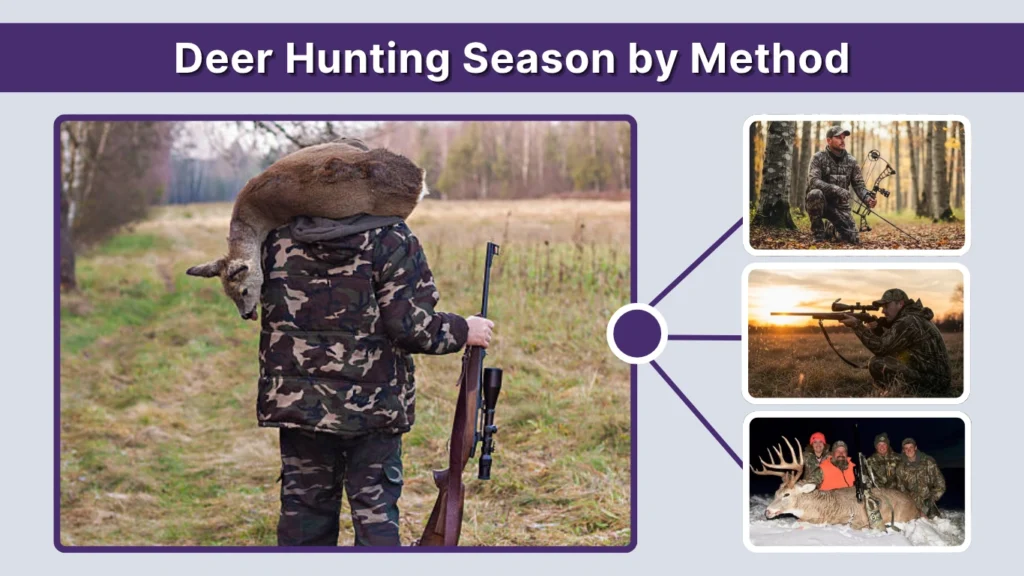
One of the biggest factors that determines deer hunting season dates is the type of weapon used. Different methods have separate seasons to manage hunting pressure and ensure safety.
Bow (Archery) Season
Archery season is typically the earliest and longest deer hunting period. It often starts in early fall and can extend for several months.
Why it starts early:
- Bowhunting requires hunters to get closer to deer
- It has a lower success rate compared to firearms
- It creates less disturbance in wildlife populations
This makes it ideal for hunters who prefer a quieter and more challenging experience.
Rifle Season
Rifle season is the most popular and busiest part of deer hunting season. It usually begins after archery season has been underway for some time.
Key characteristics:
- Shorter duration (often a few weeks)
- Higher success rates due to range and power
- More hunters in the field
Because of the increased activity, safety regulations are typically stricter during this time.
Muzzleloader Season
Muzzleloader season usually falls between archery and rifle seasons or sometimes after rifle season ends.
What makes it unique:
- Uses traditional or semi-traditional firearms
- Requires more skill and preparation
- Often has limited time windows
This season offers a balance between challenge and effectiveness.
Deer Hunting Season by Region
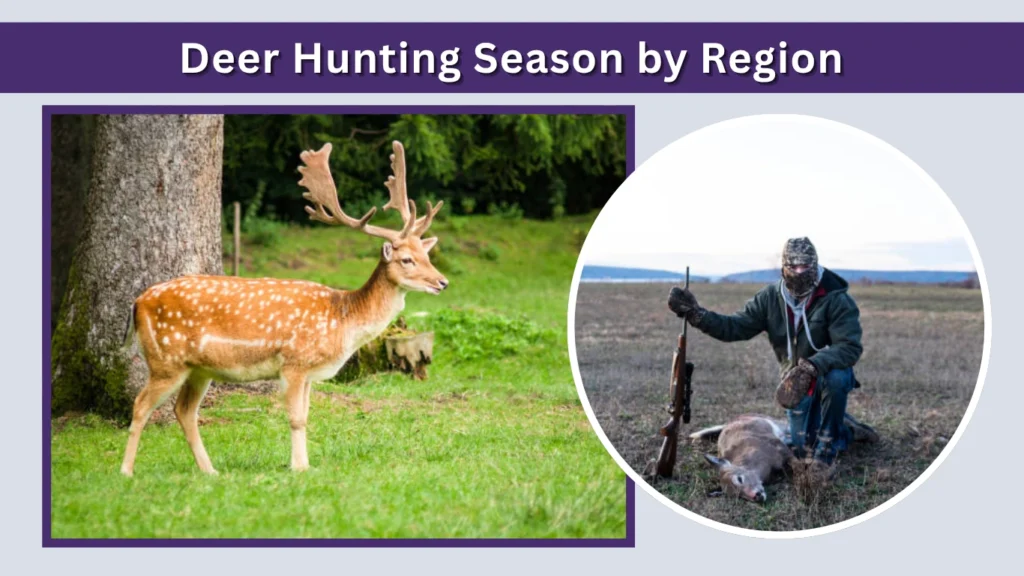
Another important factor in determining deer hunting season is geography. Different regions have different climates, deer species, and wildlife management strategies.
United States
In the United States, deer hunting season varies significantly from state to state.
- Northern states often have shorter seasons due to colder climates
- Southern states may have longer seasons because of milder weather
- Some states divide seasons into zones with different dates
For example, a hunter in the Midwest might start in September with archery and continue through December, while a southern hunter may have opportunities extending into January.
Europe
In Europe, deer hunting seasons depend on the species, such as red deer, roe deer, or fallow deer.
- Seasons are often more structured and regulated
- Hunting periods may vary by gender (male vs female deer)
- Dates can extend across different months depending on species
Why Deer Hunting Seasons Vary
You might wonder why deer hunting doesn’t have a universal calendar. The reason lies in wildlife management and environmental factors.
1. Deer Breeding Cycles (Rut)
The rut, or mating season, plays a major role in determining hunting dates. Wildlife authorities often align hunting seasons with or around this period to manage populations effectively.
2. Population Control
Deer populations must be carefully managed to prevent overpopulation, which can lead to:
- Habitat destruction
- Increased vehicle collisions
- Food shortages
Hunting seasons are designed to maintain a healthy balance.
3. Climate and Environment
Weather conditions also affect season timing. Colder regions may have shorter seasons, while warmer areas allow for longer hunting periods.
Best Time During the Season to Hunt Deer
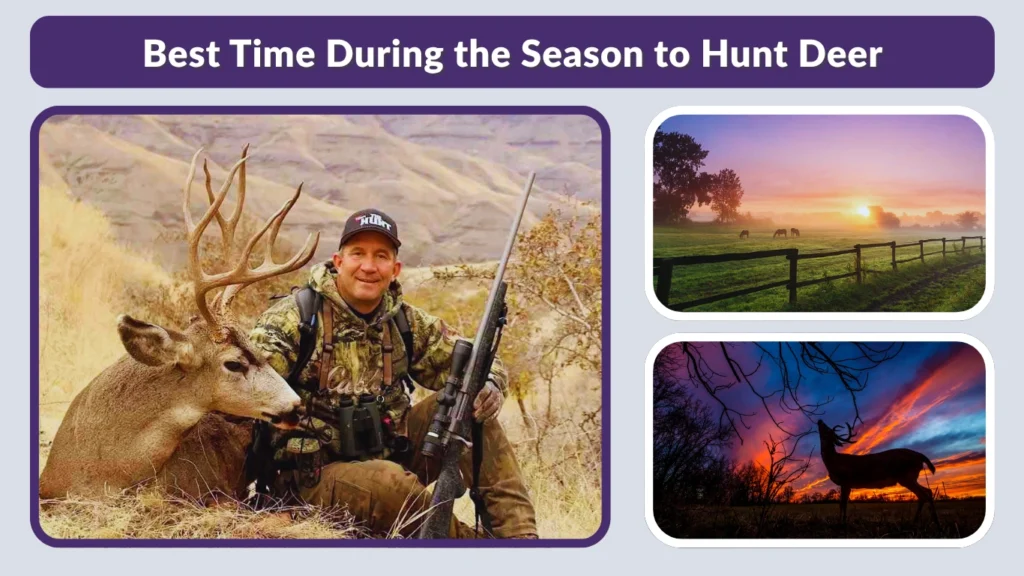
Even within deer hunting season, timing can make a huge difference in your success.
Early Season
The early season (usually September–October) is ideal for predictable deer behavior.
- Deer follow consistent feeding patterns
- Less hunting pressure
- Warmer weather conditions
However, deer can be more alert due to minimal disturbance earlier in the season.
Rut (Breeding Season)
The rut is widely considered the best time to hunt deer.
- Bucks are more active and less cautious
- Increased daytime movement
- Higher chances of spotting mature deer
This period typically occurs between late October and mid-November in many regions.
Late Season
Late season hunting happens after the peak rut.
- Deer focus heavily on food sources
- Colder weather forces movement
- Fewer hunters in the field
While deer may be more cautious, strategic hunting near feeding areas can be very effective.
Best Time of Day
Regardless of the season phase, deer are most active during:
- Early morning (sunrise)
- Late afternoon to dusk
These are known as “golden hours” for deer movement.
Deer Hunting Regulations You Must Know
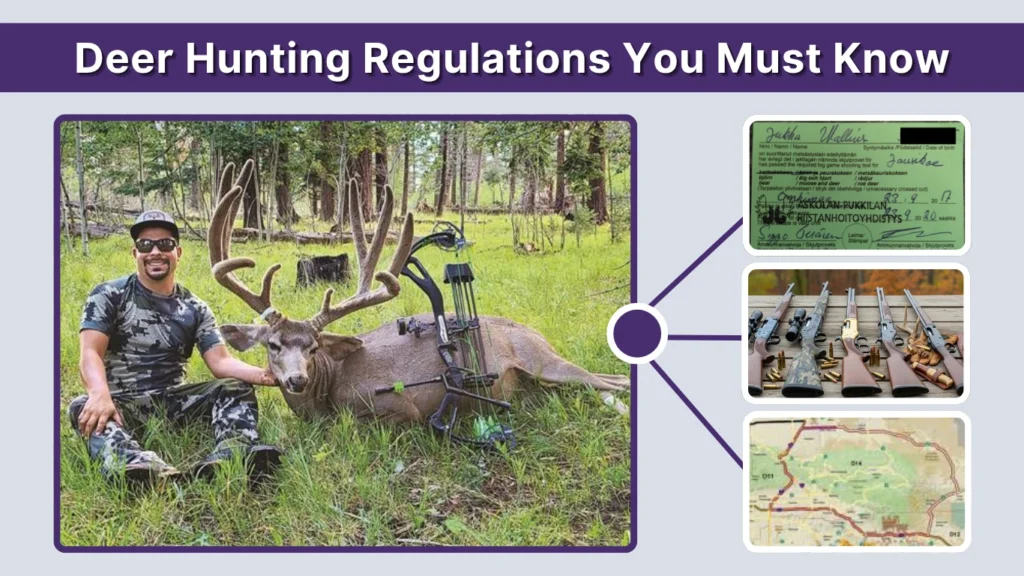
Before hunting, understanding local laws is essential. Regulations are designed to protect wildlife populations and ensure safety.
Licenses and Permits
Most regions require hunters to obtain:
- A valid hunting license
- Deer-specific permits or tags
These documents confirm that you are legally allowed to hunt.
Bag Limits
Bag limits define how many deer you can harvest during a season.
- Limits may vary by region
- Often separated by antlered vs antlerless deer
- Strict penalties for exceeding limits
Legal Weapons
Different seasons allow different weapons:
- Archery equipment during bow season
- Firearms during rifle season
- Muzzleloaders during designated periods
Using the wrong weapon at the wrong time can result in fines or legal action.
Hunting Zones
Some regions divide areas into zones with separate rules.
- Different opening and closing dates
- Specific regulations per zone
- Controlled hunting areas for conservation
Safety Guidelines
Safety is critical during deer hunting season, especially when many hunters are active at the same time.
Wear Visible Clothing
- Blaze orange or other high-visibility gear is often required
- Helps prevent accidental shootings
Practice Firearm Safety
- Always treat weapons as loaded
- Be aware of your target and what’s beyond it
- Keep your finger off the trigger until ready to shoot
Follow Hunting Ethics
- Respect wildlife and other hunters
- Take responsible shots only
- Avoid waste by properly harvesting and using the animal
How to Find Exact Deer Hunting Dates in Your Area
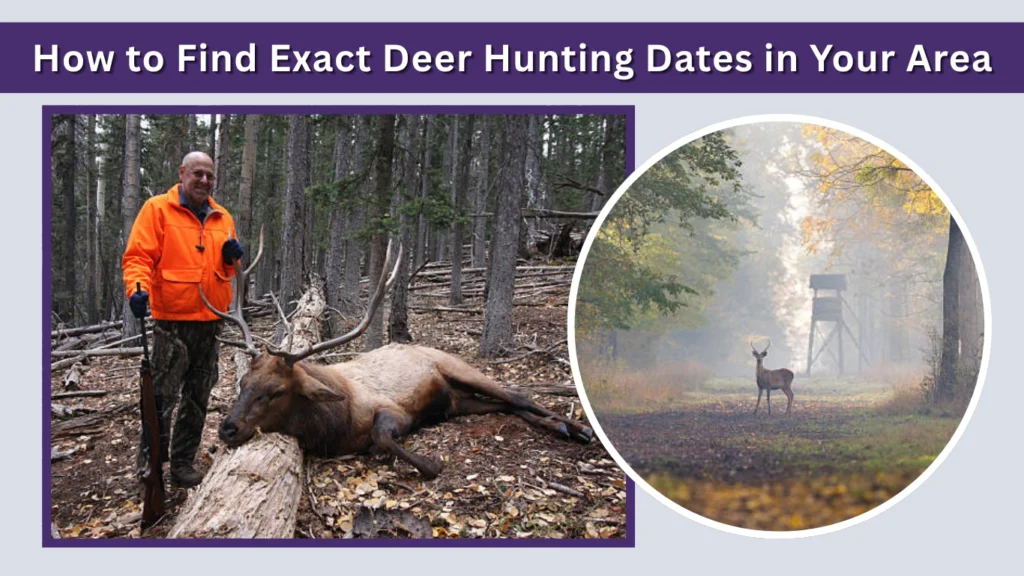
Because deer hunting season varies so much, the best way to get accurate dates is through official sources.
Check Government Wildlife Agencies
- State or national wildlife department websites
- Official hunting regulation booklets
Use Hunting Apps and Tools
- Mobile apps often provide updated season dates
- GPS-based tools can show hunting zones
Visit Local Authorities
- Local hunting offices or licensing centers
- Experienced hunters in your area
Tips for First-Time Deer Hunters
If you’re new to deer hunting, preparation is key.
Choose the Right Gear
- Select appropriate clothing for weather conditions
- Invest in reliable weapons and equipment
Scout Your Hunting Area
- Look for deer tracks, trails, and feeding areas
- Understand terrain and movement patterns
Learn Deer Behavior
- Deer are most active during dawn and dusk
- They rely heavily on smell and hearing
Understanding these habits will greatly improve your chances.
FAQs
What is the earliest deer hunting season you can start?
The earliest deer hunting season usually begins with archery (bow) hunting, often starting in early fall (around September). However, exact dates depend on local regulations.
Which deer hunting method has the longest season?
Archery season typically has the longest duration because it has lower success rates and less impact on deer populations compared to firearms.
Is deer hunting allowed at night?
In most regions, deer hunting at night is illegal for safety and conservation reasons. Hunters are usually limited to daylight or specific legal shooting hours.
Do I need permission to hunt on private land?
Yes, you must have explicit permission from the landowner before hunting on private property. Hunting without permission can result in legal penalties.
What should beginners know before their first deer hunt?
Beginners should focus on understanding local regulations, choosing proper gear, scouting the area, and learning deer behavior to increase their chances of success.
Conclusion
Deer hunting season is not defined by a single date but by a combination of factors including location, hunting method, and wildlife regulations. While most seasons fall between early fall and winter, the exact timing varies widely.
To stay safe, legal, and successful, always check your local hunting regulations before heading out. With the right preparation and knowledge, deer hunting can be a rewarding and responsible outdoor experience.
